
Magnet fishing finds
Bikes, safes, anchors, the occasional cast-iron skillet. This is the stuff people have actually pulled out of the water — the reason the rest of the site exists.
What can you find magnet fishing?
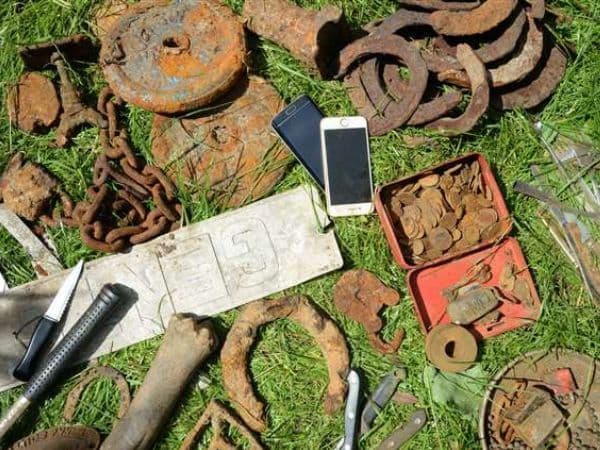
Anything ferrous that ended up in the water. In rough order of how often it comes up on the end of a rope:
- 1
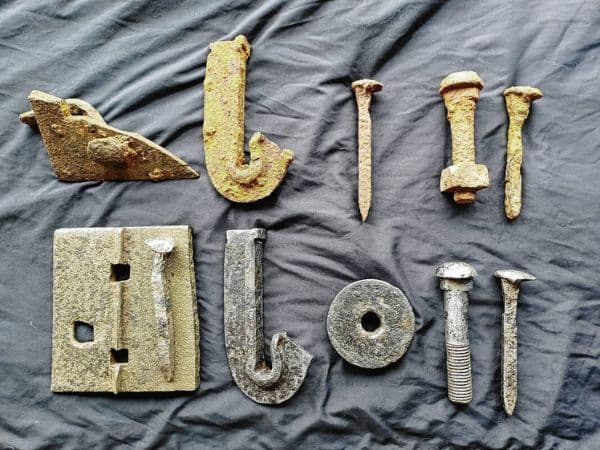
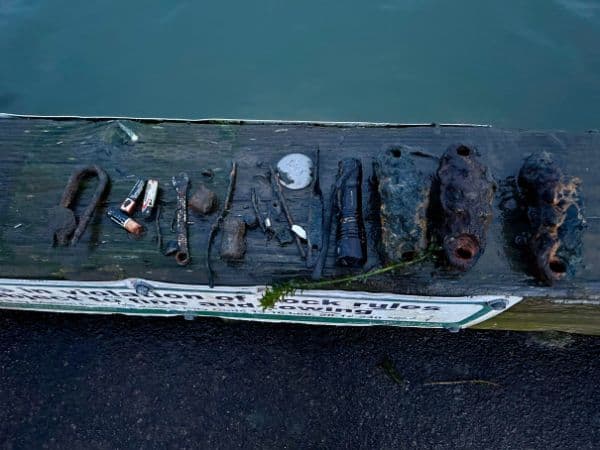
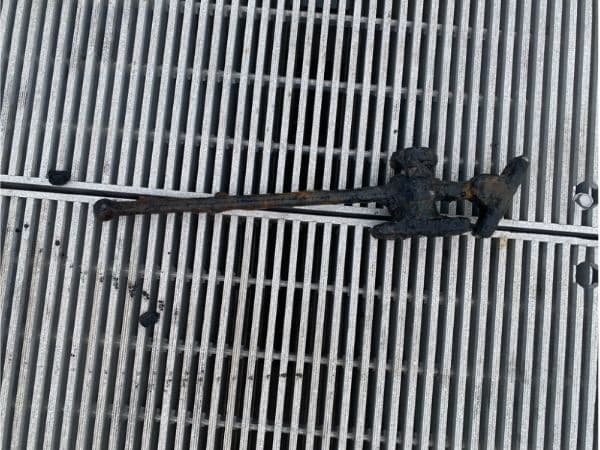
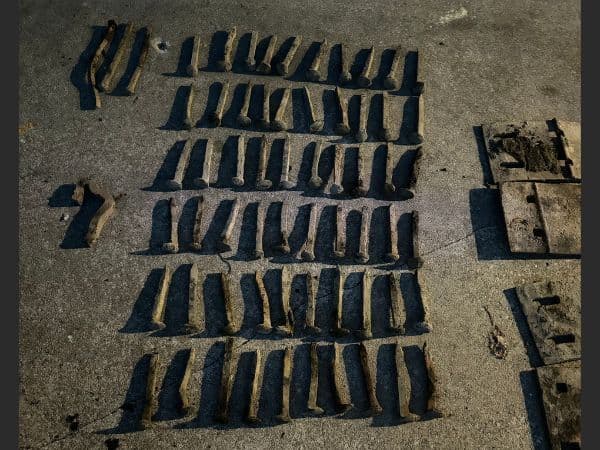
Tools and hardware
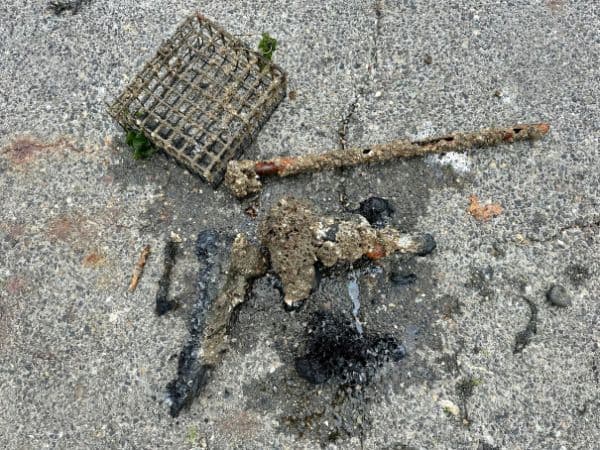
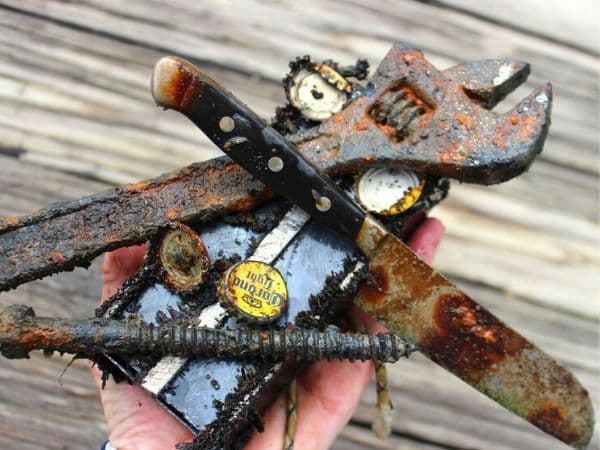
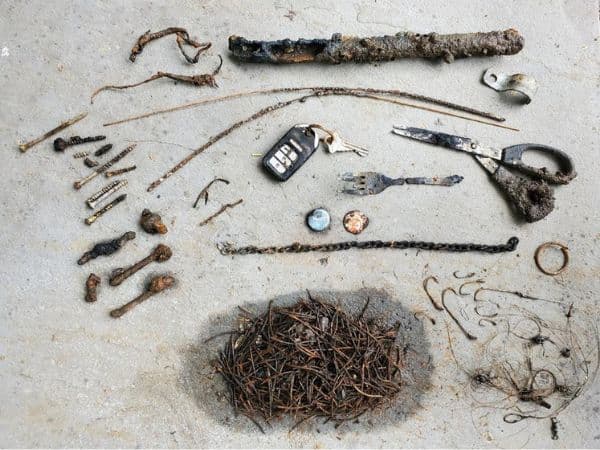
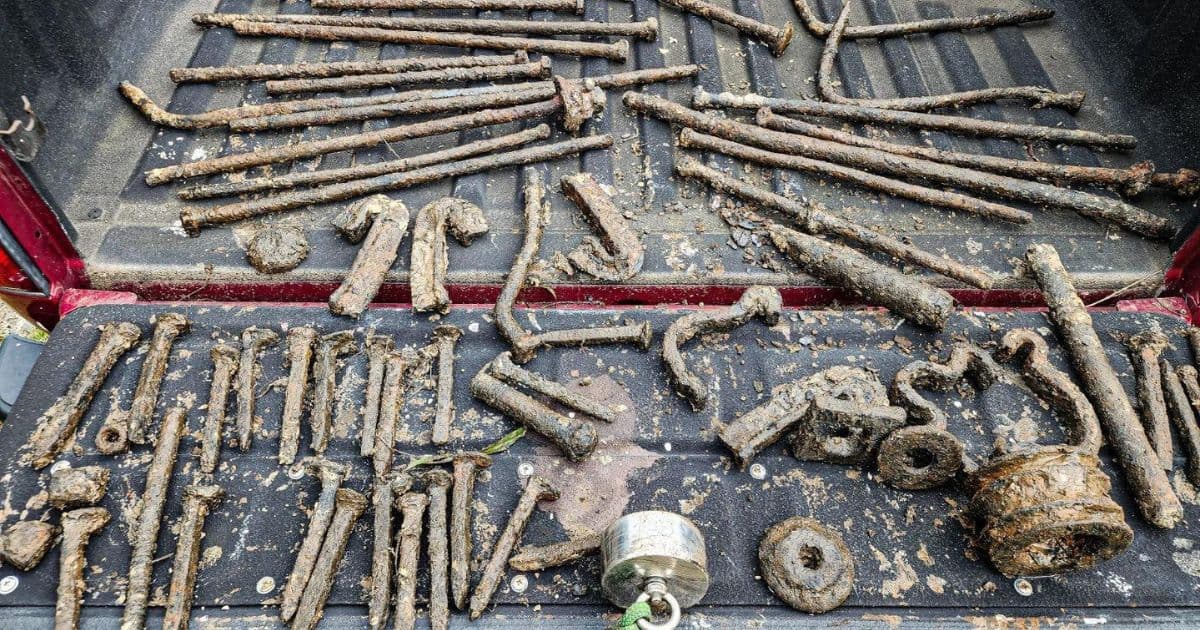
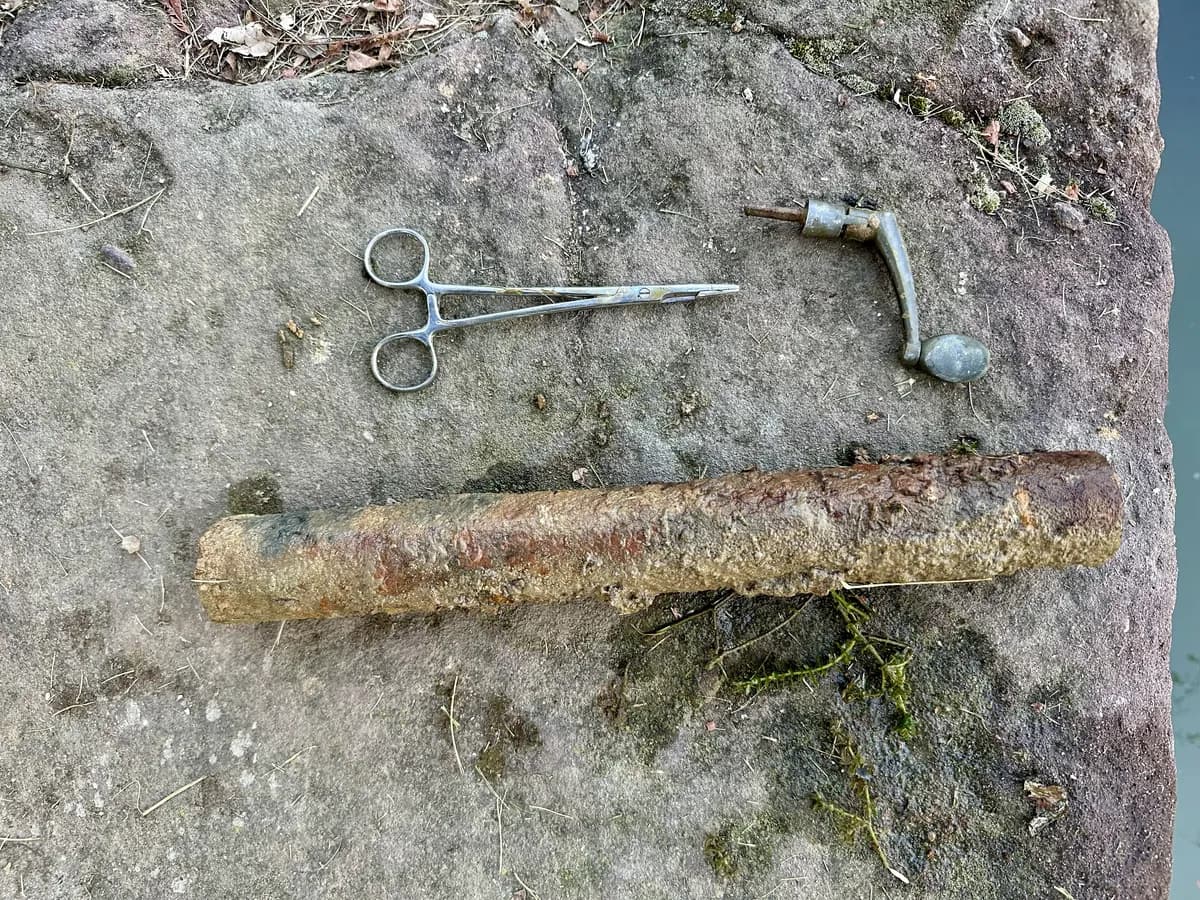
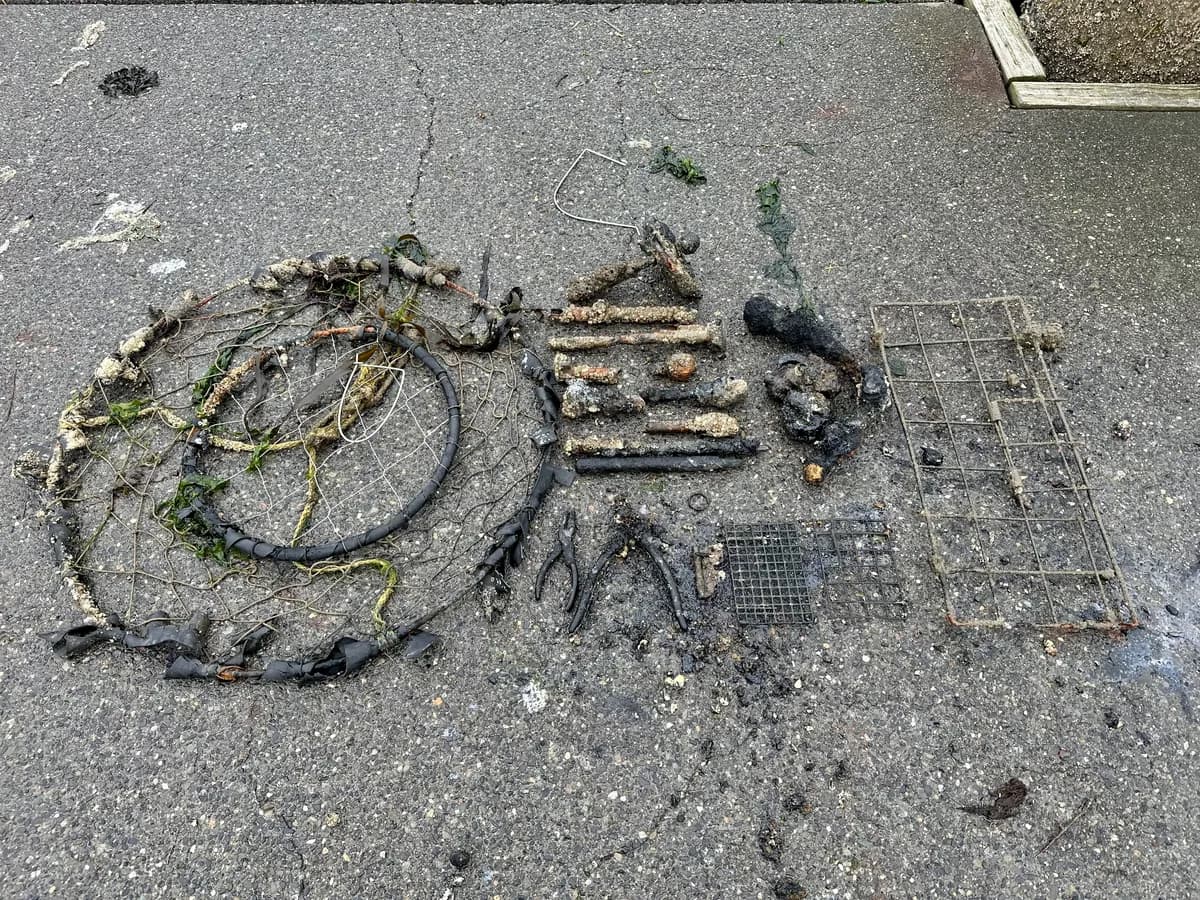
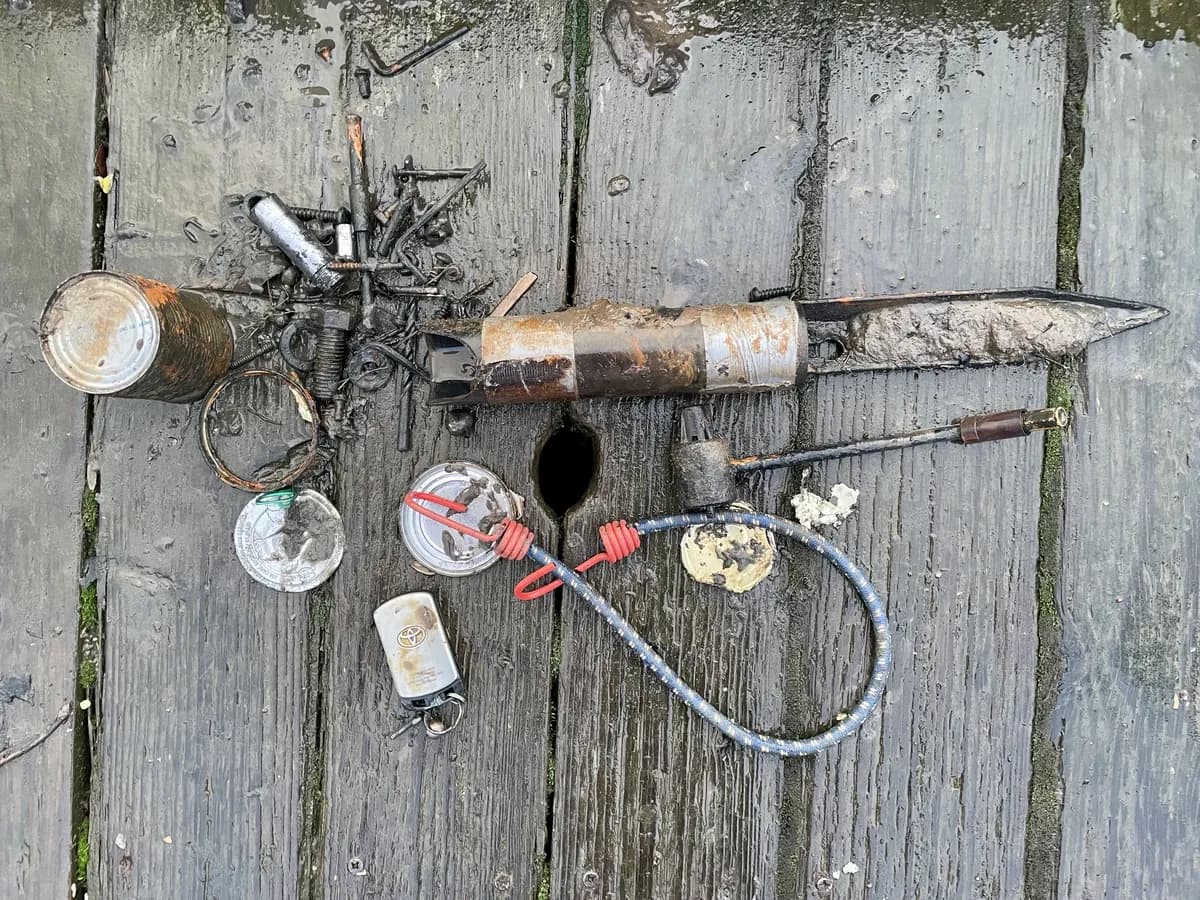
The bulk of every haul: wrenches, pliers, nails, bolts, fishing weights, hooks and lures, and the occasional whole toolbox. Most of it is scrap, some of it cleans up and goes back to work.
- 2
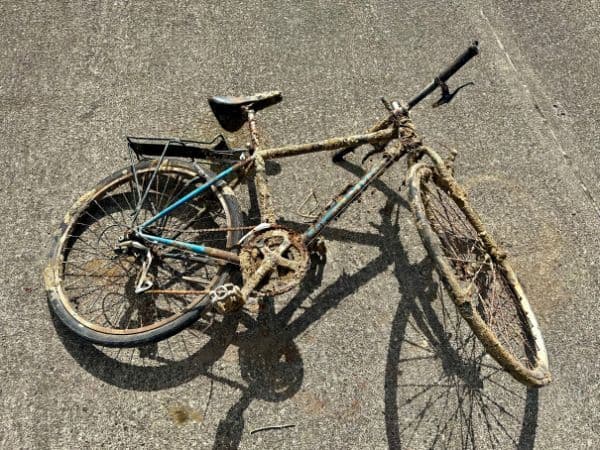
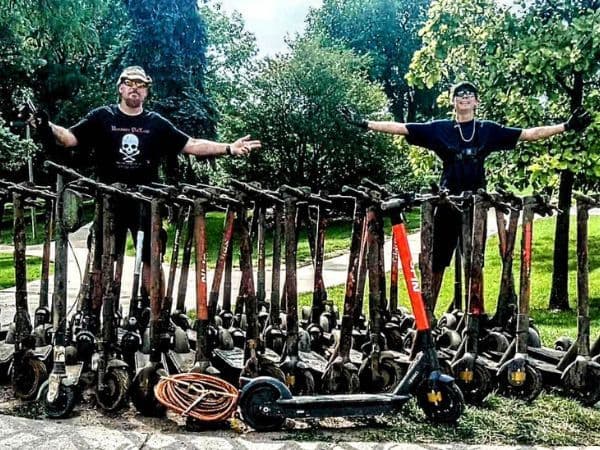
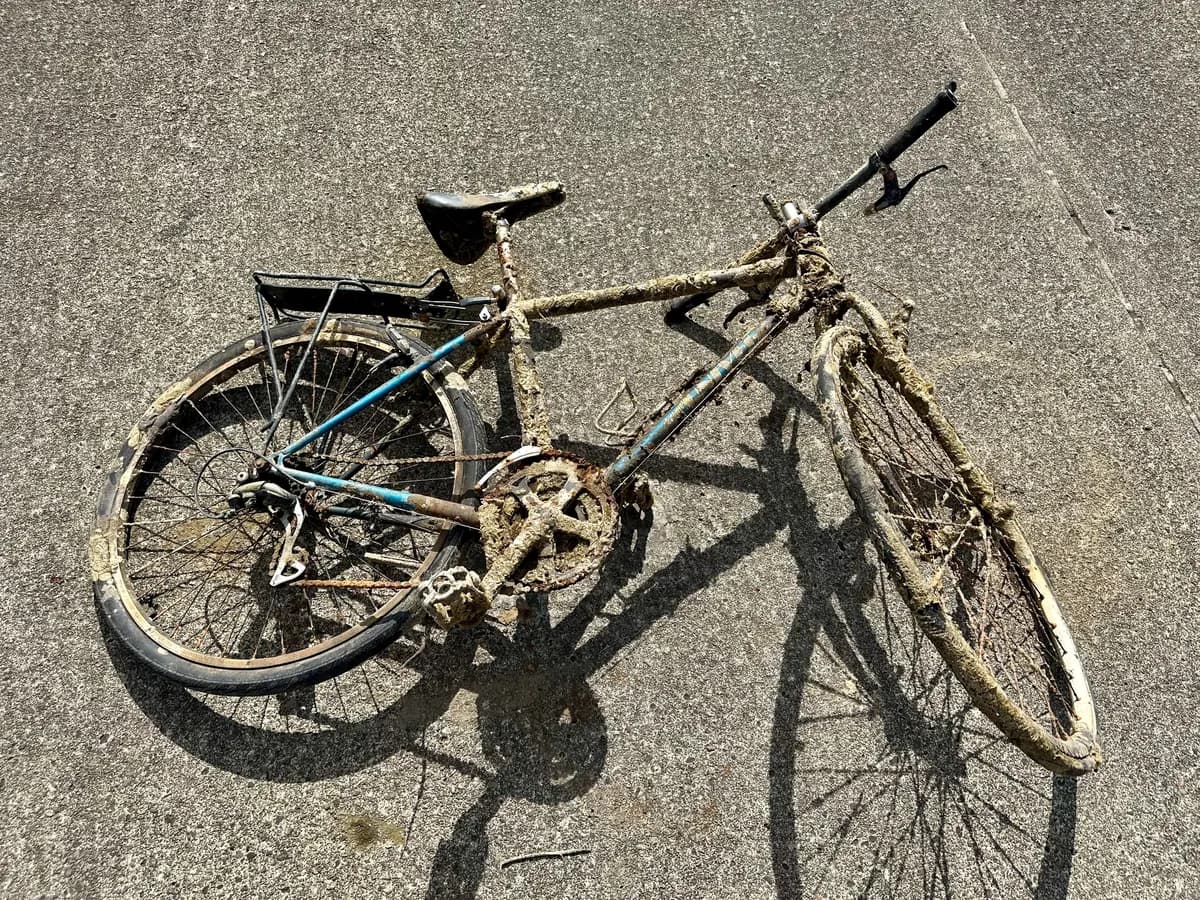
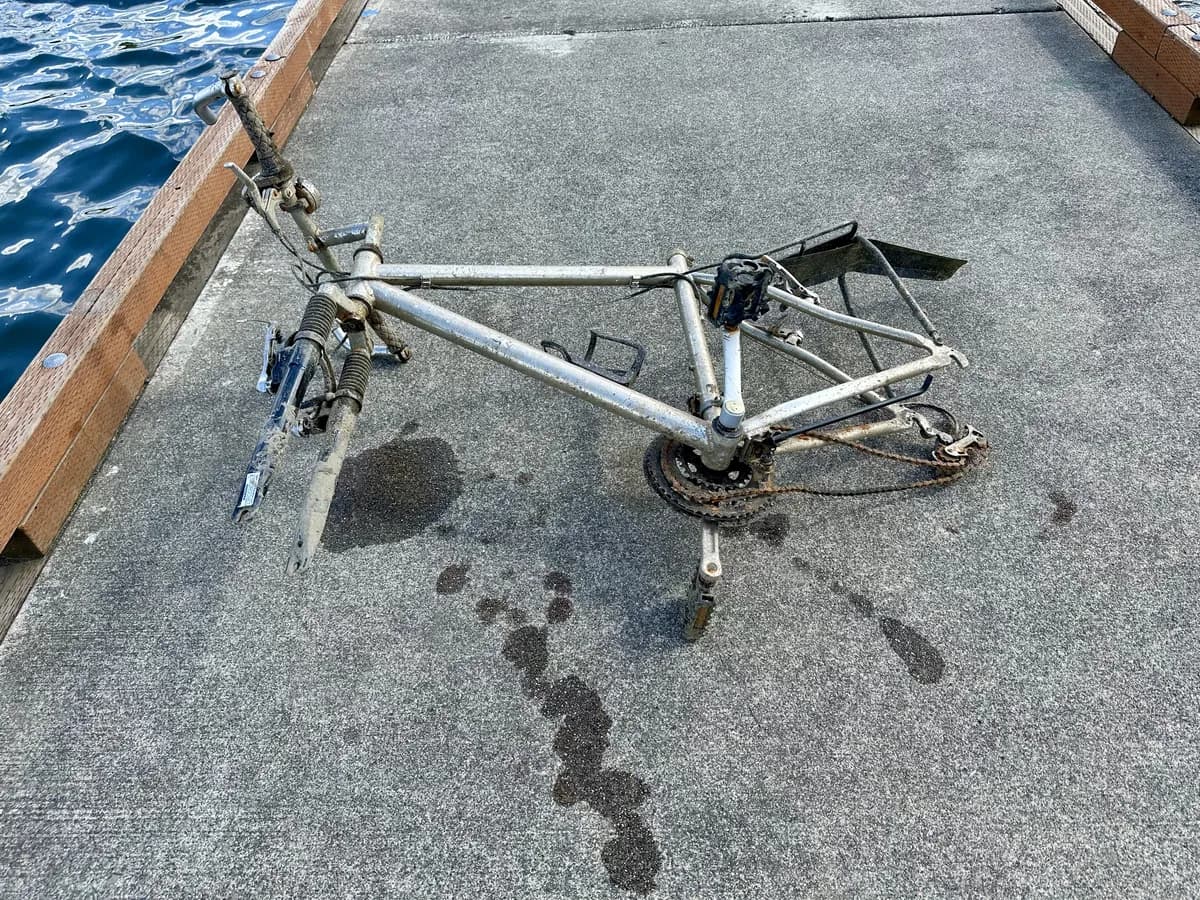
Bikes, scooters and shopping carts
Anything with a frame ends up in urban water. Bike wheels come up easily; a whole bike or a rental scooter is a grappling-hook job and a two-person lift.
- 3
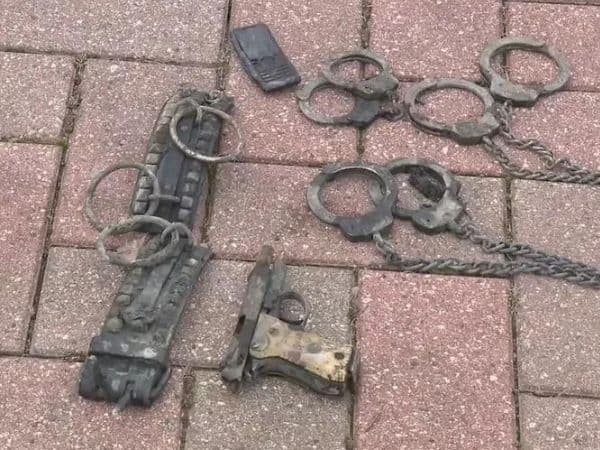
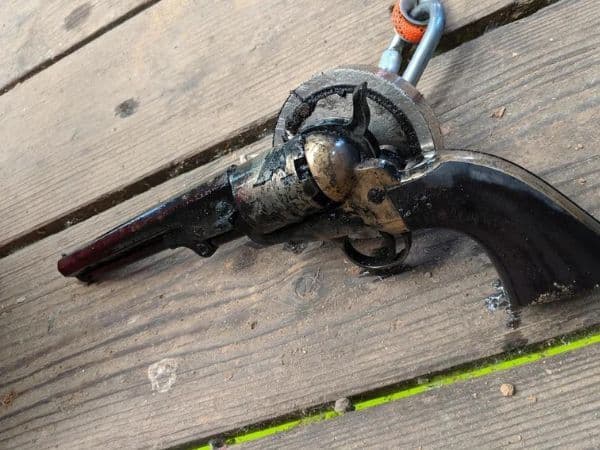
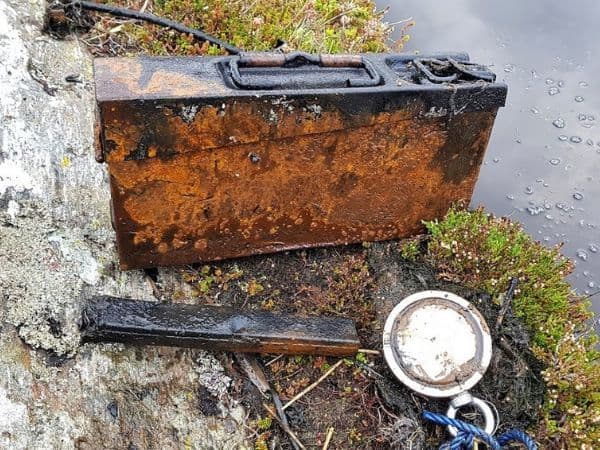
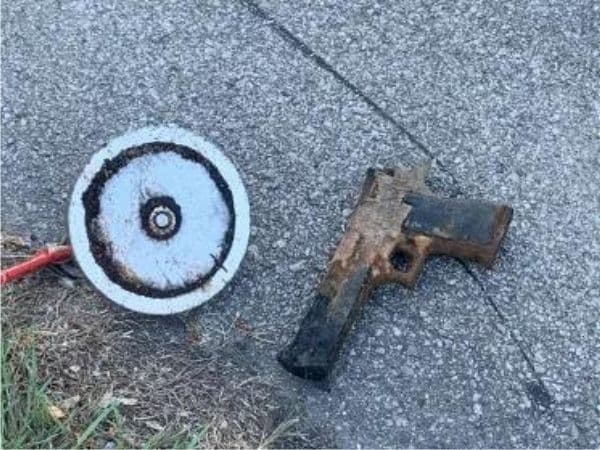
Knives, guns and ammunition
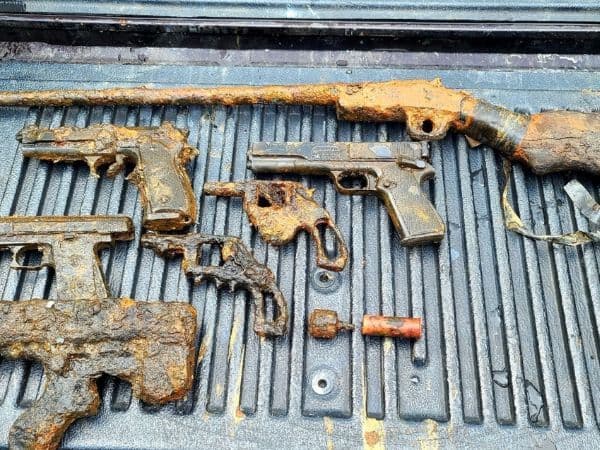
More common than beginners expect near bridges and city rivers. A firearm gets reported to the police, not taken home, and anything that could be ordnance gets left where it is and called in.
- 4
Coins, jewelry and keys
Small, and only the steel and iron ones stick. Coins are usually modern and corroded; keys and key fobs turn up constantly around docks and boat ramps.
- 5
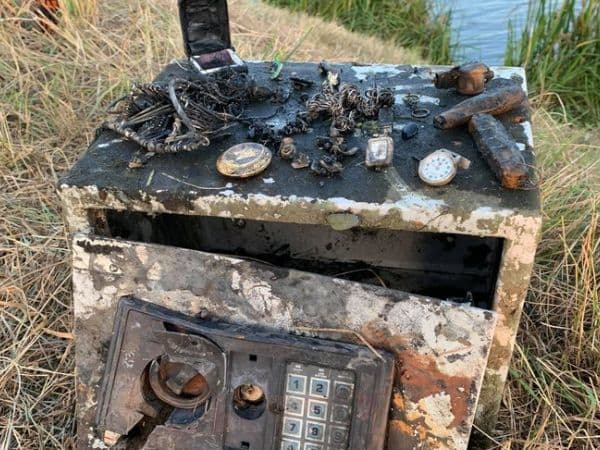
Safes, anchors and engine parts
The big pulls. Safes are almost always already emptied and dumped; anchors and outboard parts are the finds that make a 1,000 lb magnet worth owning.
- 6
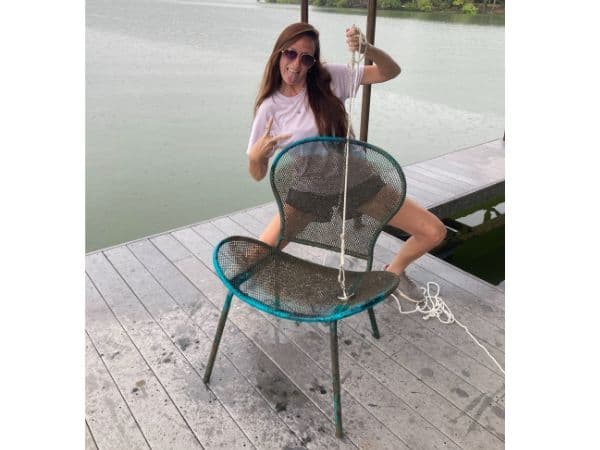
The weird stuff
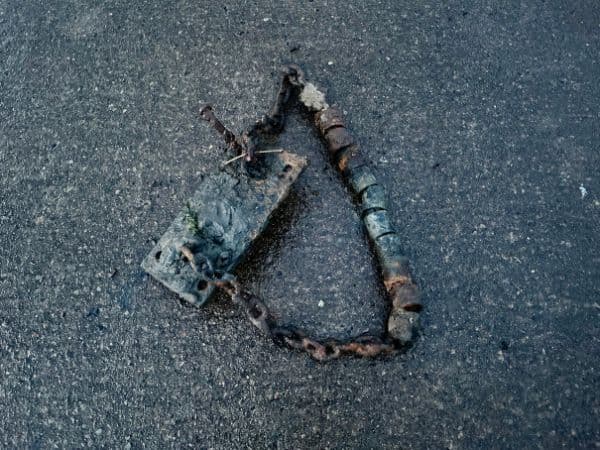
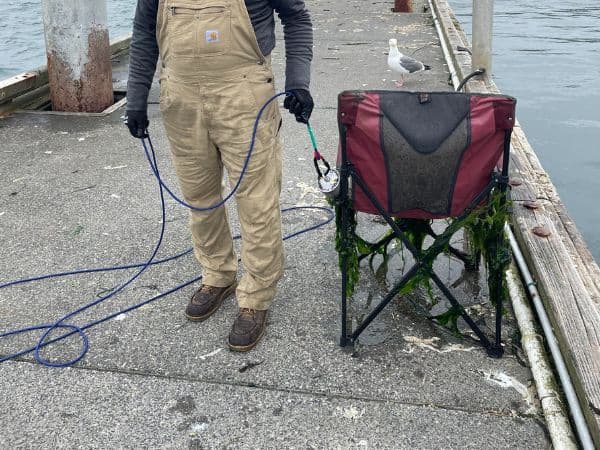
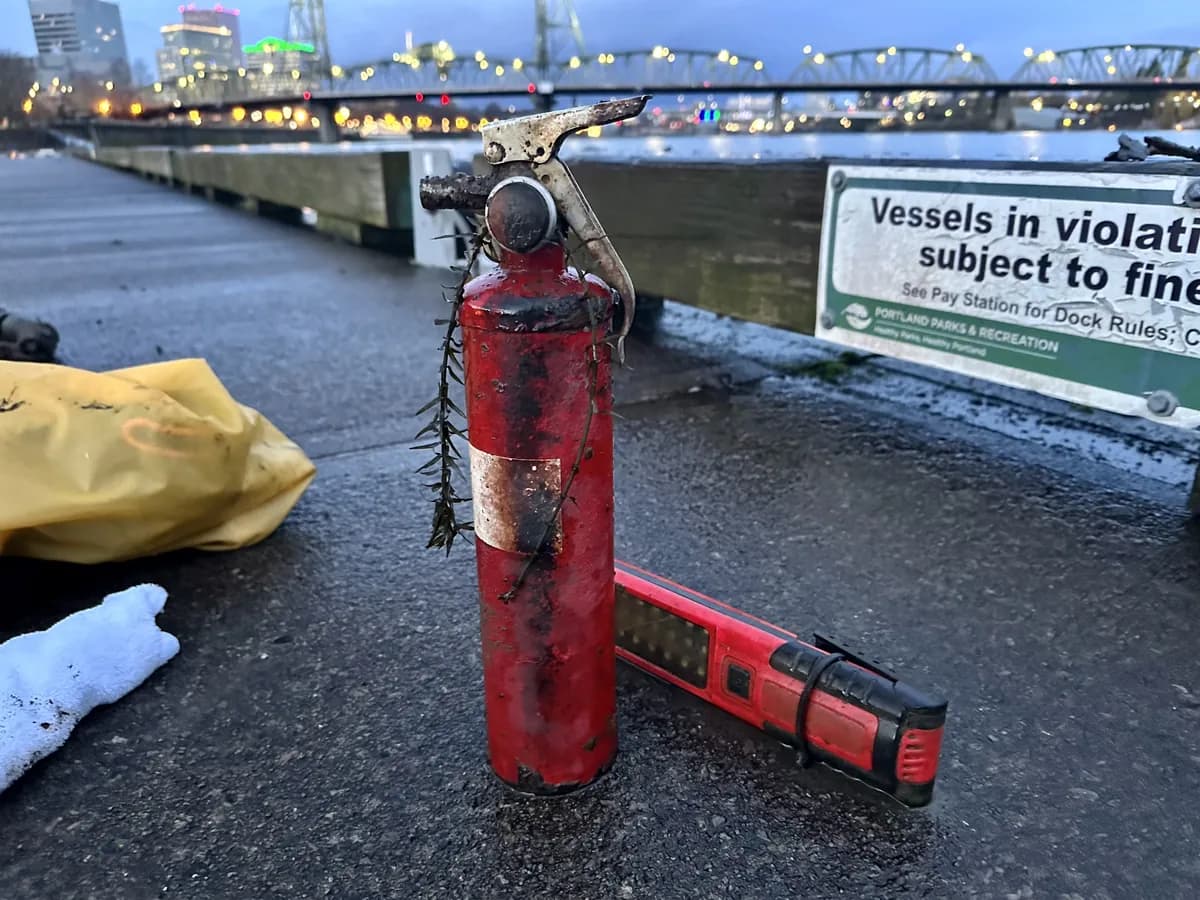
Cast-iron skillets, road signs, a wheelchair, a full set of gym weights, a cash register. Every regular has one of these stories, and they’re the reason people keep going back.
Two things people ask that the photos don't answer. Brass, aluminum, gold and silver don't stick to a magnet, so a coin or a ring only comes up when it's steel or caught on something that is. And the valuable finds are rare: most states protect anything past a 50 or 100-year threshold and require it to be reported, which the state-by-state laws guide covers. A firearm goes to the police; the found-a-gun protocol is short and worth knowing before your first trip.
The wall: real hauls, by state



Finds FAQ
What can you find magnet fishing?
Anything ferrous that ended up in the water: tools and hardware most often, then bikes and scooters, knives and firearms, coins and keys, and the occasional safe, anchor or engine part. Brass, aluminum, gold and silver don’t stick to a magnet, so a coin only comes up if it’s steel or attached to something that is.
What are the most valuable magnet fishing finds?
Realistically, tools and bikes you can clean up and use or sell for scrap. The headline finds, like a safe with contents, a vintage firearm or a Civil War relic, are rare, and the historic ones can’t be kept: most states protect artifacts past a 50 or 100-year threshold and require them to be reported. Treat the hobby as a way to be outside with a chance of a good story, not an income.
What do I do if I find a gun or something dangerous?
Don’t touch the mechanism, don’t take it home, and call the local police non-emergency line. For anything that could be ordnance, back away and call 911. Following that protocol is what keeps magnet fishers out of trouble even when the find turns out to be evidence.
Pulled something good?
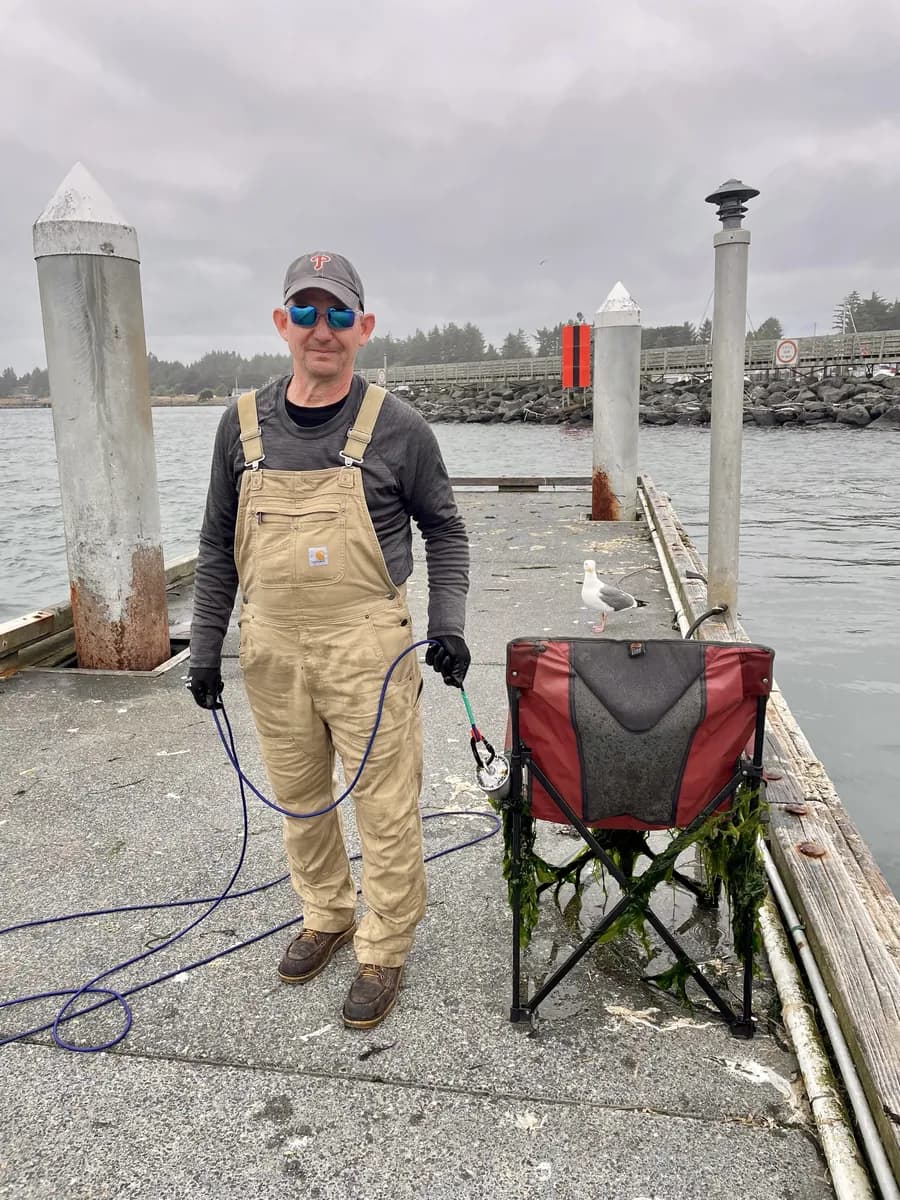
Send a photo and where you found it and it goes on the wall with your state on it. A sentence about what it was and how it came up is even better; the good stories end up in the monthly roundup.
Guns, ordnance and anything that looks historic: report those first, then tell us about it.