
Best Magnet Fishing Accessories
If you've already got a magnet and you're ready to start throwing it into rivers, canals, and sketchy bridge pools, this page is for you. This is the accessories guide — the stuff that makes magnet fishing actually work instead of just technically happen. Good rope, decent gloves, a grappling hook for when your magnet gets stuck on a shopping cart at the bottom of a canal (happens more than you'd think), and a few other things that'll make your sessions way less frustrating.
I've broken this into four sections: rope, gloves, grappling hooks, and a catch-all 'other' section for the gear that doesn't fit neatly anywhere else but absolutely belongs in your kit. If you're newer to all this and want to start from scratch, check out the magnet fishing kits page or the magnet fishing for beginners guide first. But if you've already got a magnet and just need to build out your kit properly, keep reading.
Every product here is hand-picked. I'm not running these through some algorithm and seeing what sticks — these are specific picks for specific reasons, and I'll explain each one so you know why it's in the list and whether it's right for you.
Why This Gear Actually Matters
People spend a lot of time obsessing over pull force numbers — 500 pounds, 1000 pounds, 2000 pounds — and then throw their magnet into the water on a rope that cost three dollars at a hardware store. I've seen guys lose magnets that way. I've nearly lost one myself. The magnet is just half the equation. Everything connecting it to your hand, protecting your hand, and helping you retrieve stuck finds is the other half, and it's worth taking seriously.
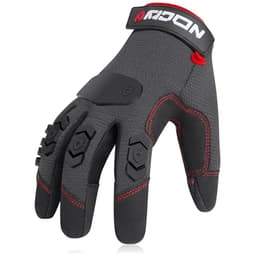
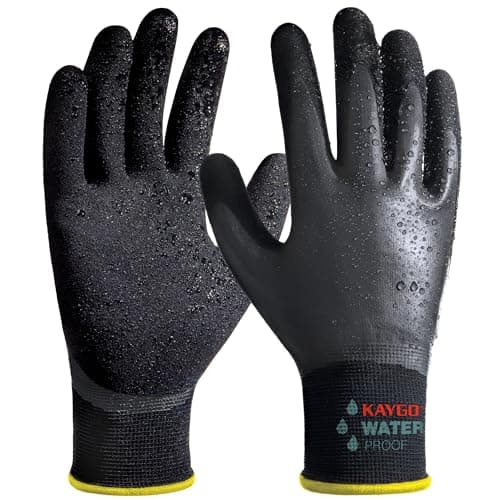
I remember my first session at a canal near an old industrial site. Pulled up something heavy — turned out to be a cast iron pipe fitting, maybe 15 pounds of pure rust. My rope was fine, but I didn't have gloves, and the wet rope tore up my palms pretty badly by the third pull. Took about 30 seconds to wish I'd spent $15 on a pair of gloves. Rope management when you're pulling something heavy out of moving water isn't gentle work, and bare hands don't cut it.
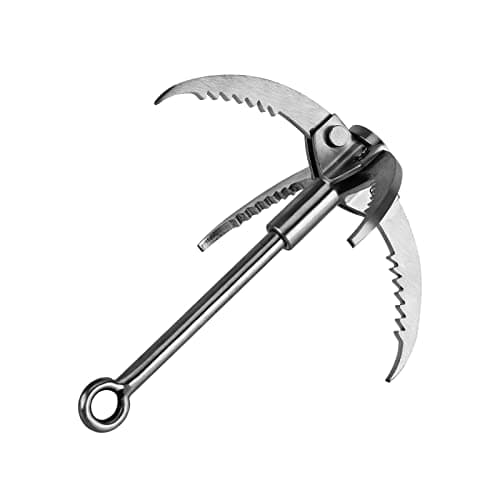
The grappling hook situation is its own thing. Once your magnet snags on something too big to lift — a metal grate, a bike frame, a chunk of reinforced concrete — you need a way to either free it or get some mechanical advantage on the retrieval. A grappling hook thrown around the rope can sometimes give you a different angle and pop it free. It's not a guarantee, but it's saved me probably four or five magnets over the years. That's a real amount of money.
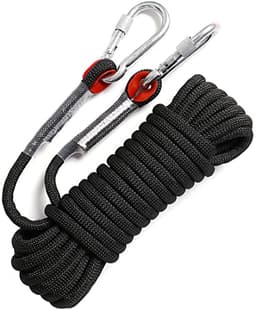
Rope
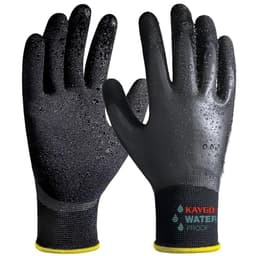
Gloves
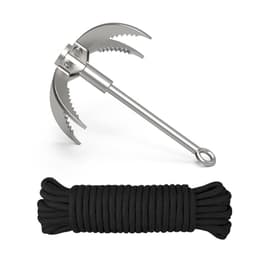
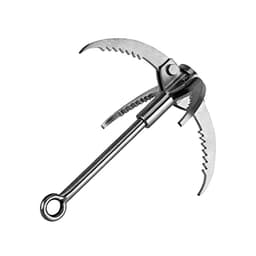
Grappling Hook
Other Gear
What to Look For in Magnet Fishing Accessories
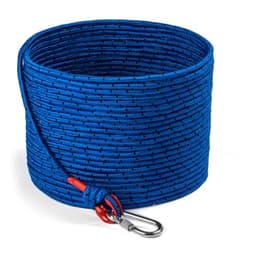
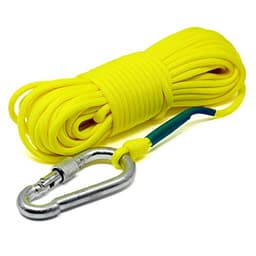
Rope Thickness and Breaking Strength
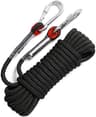
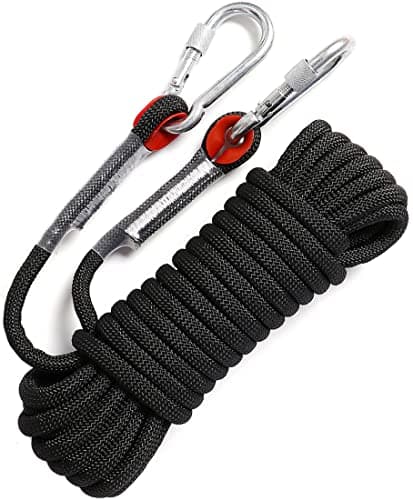
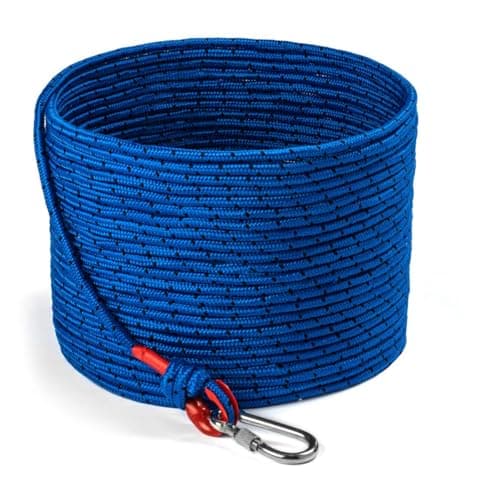
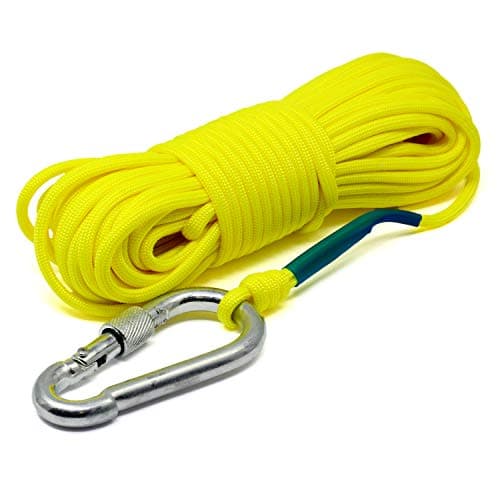
Rope for magnet fishing isn't just any rope. You want something that can handle repeated wet/dry cycles without degrading, and something thick enough to actually grip when you're hauling. For most fishing, 8-10mm diameter is the sweet spot — thin enough to manage comfortably, thick enough that it doesn't cut into your hands when there's weight on it. Breaking strength matters too: if your magnet has 1000 pounds of pull force, a 550-pound rope is your weak point. Match your rope strength to your magnet, or go higher. For casual fishing with a starter magnet, 550 pounds is fine. For anything serious, 1000+ pounds is where you want to be.
Rope Length
This one's about where you fish. Bridges, canal towpaths, piers — they all have different drop distances. A 50-foot rope is enough for most low bridges and canal banks. 65 feet covers a lot more situations without getting unwieldy. 100 feet is for serious depth or high bridge throws, but you're also managing a lot more rope on the ground. Know your spots before you buy.
Glove Material and Grip
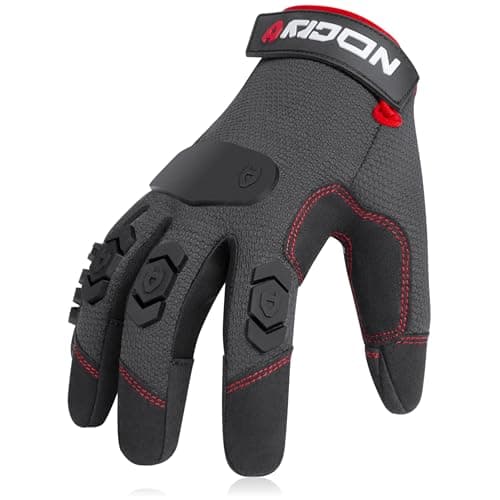
Two types of gloves show up in magnet fishing: heavy-duty reinforced work gloves and waterproof coated gloves. The reinforced ones give you better cut protection when you're handling rusty metal. The waterproof ones are better when you're constantly getting wet — wet rope on bare-grip fabric gloves gets miserable fast. Neither is wrong, they just suit different conditions. If you fish in the rain or near splashy spots, go waterproof. If you're handling a lot of sharp recovery finds, go reinforced.
Grappling Hook Build Quality
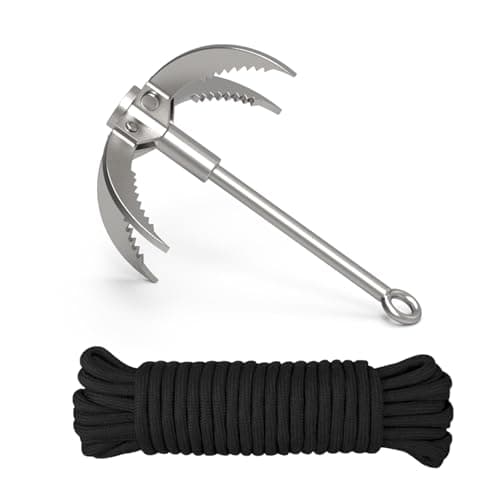
Cheap grappling hooks are made of pot metal and will bend or snap exactly when you don't want them to. Stainless steel or high-grade steel with a proper carabiner connection is what you want. Folding designs are easier to carry and transport without gashing your bag. Fixed-claw designs tend to be stronger. Think about whether portability or raw strength matters more for how you fish.
The Other Stuff
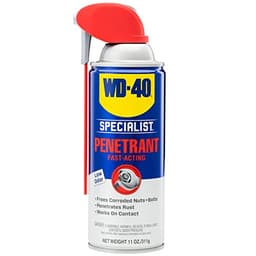
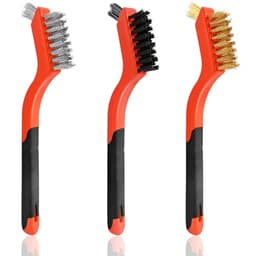
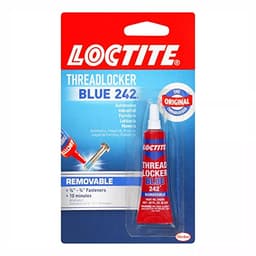
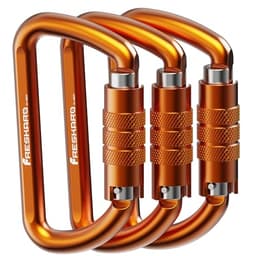
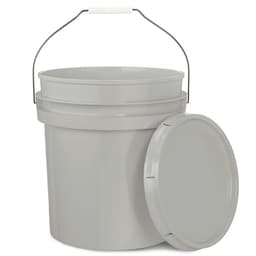
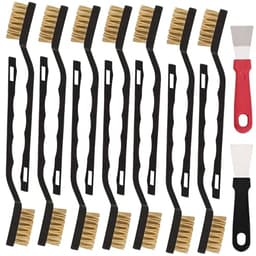
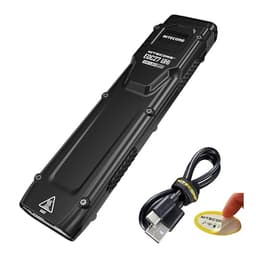
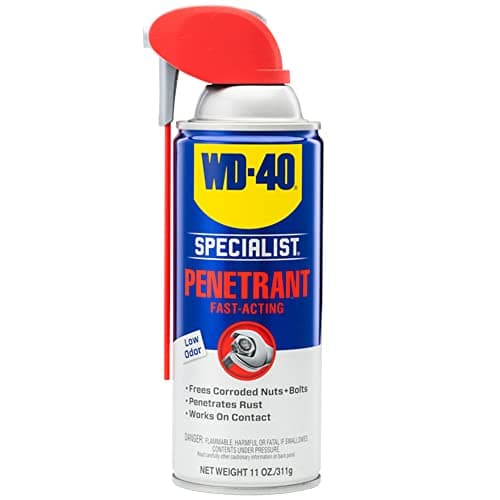
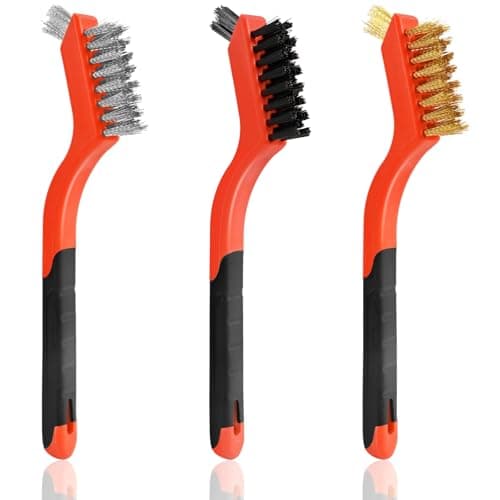
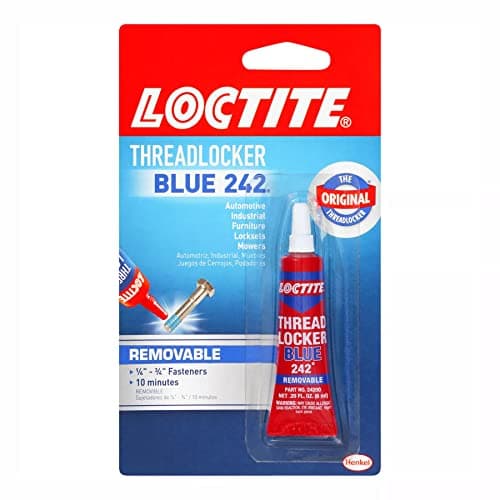
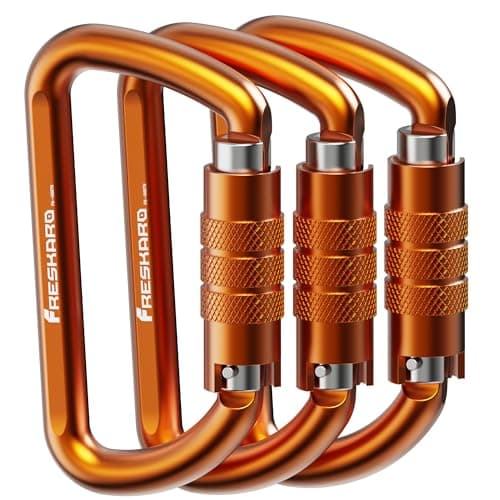
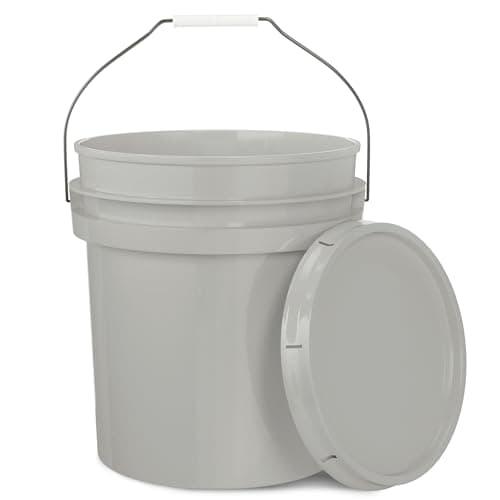
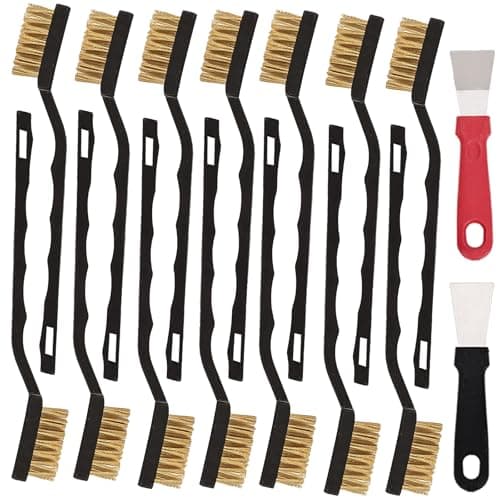
Wire brushes, buckets, carabiners, WD-40, Loctite — these feel like afterthoughts but they solve real problems. A 5-gallon bucket is where your finds go so they're not rolling around in your car. Wire brushes let you actually clean what you pull up and figure out what it is. Loctite on your magnet's eyebolt keeps it from unscrewing mid-session. WD-40 Specialist Penetrant makes rusty bolt heads readable and keeps your equipment from seizing up. These aren't glamorous but they're the difference between a productive session and a frustrating one.
Our Top Picks at a Glance







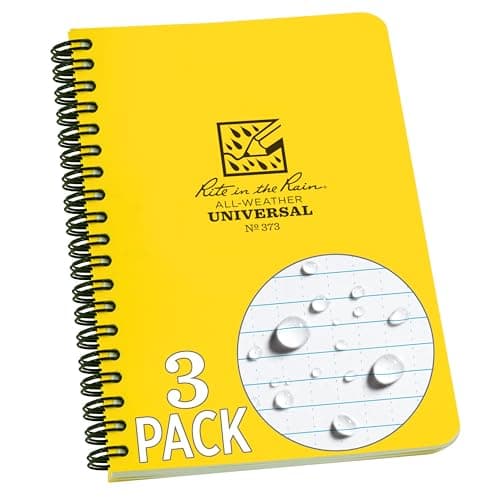
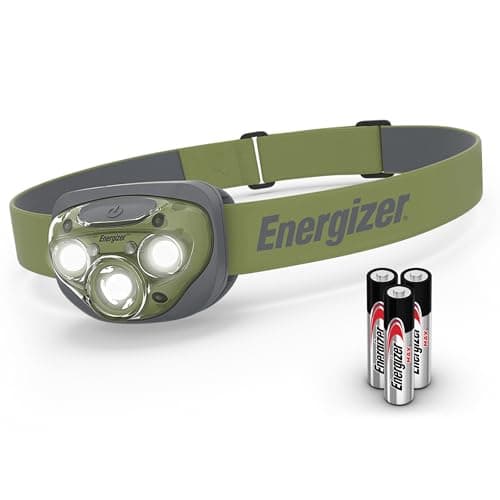
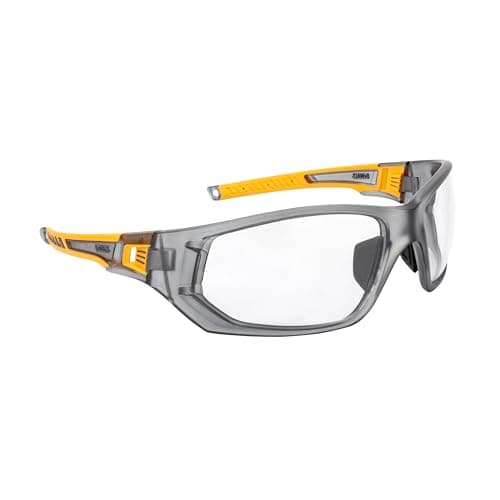
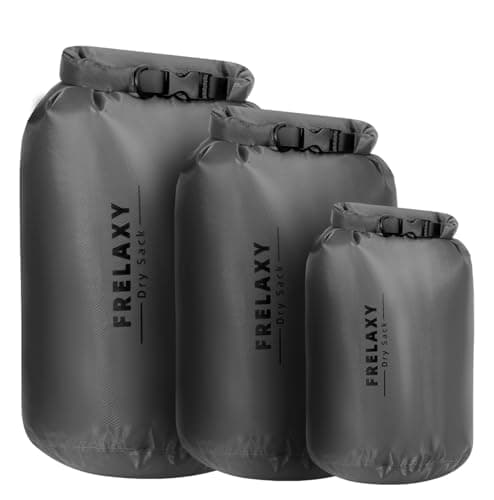
Build Your Kit: What to Get First
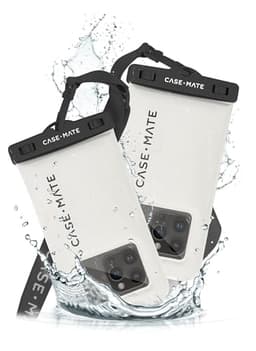
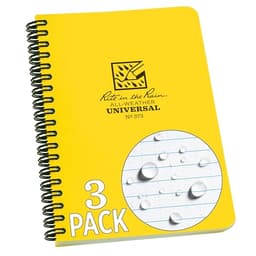
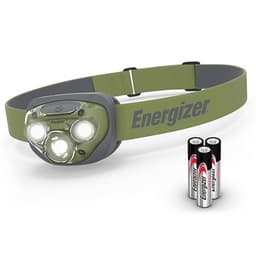
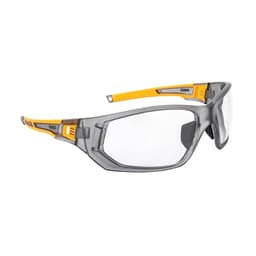
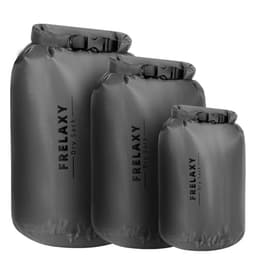
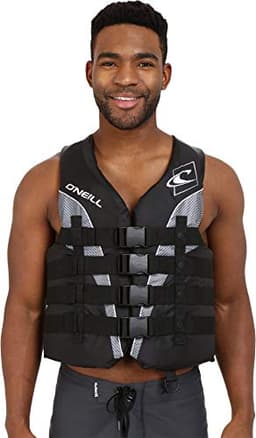
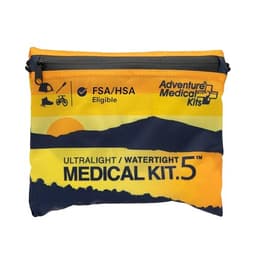
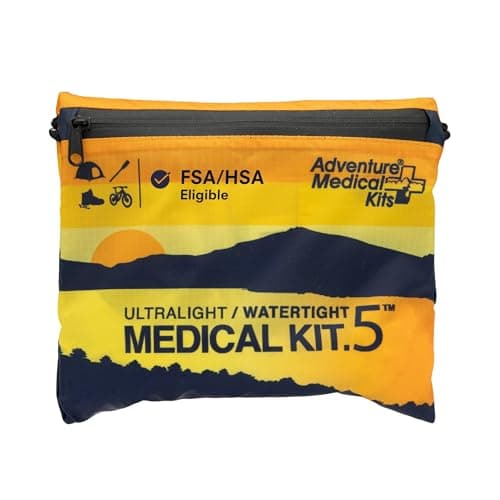
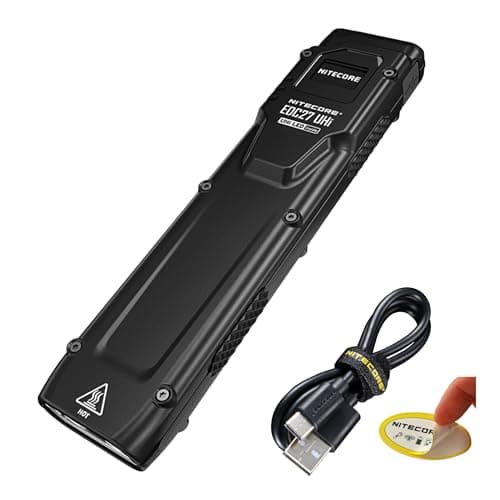
If you're starting from scratch and just want to know what order to buy things in, here's the straightforward version. First: rope and gloves. These are non-negotiable — you need them before your first session. Get a rope that matches or exceeds your magnet's pull force, and pick gloves based on whether your priority is cut protection or waterproofing. Second: a bucket. Cheap, solves a real problem, should be in your car before session two. Third: Loctite and WD-40. Apply the Loctite before you ever throw your magnet in the water, and keep the WD-40 for cleanup and maintenance after each session. Fourth: a grappling hook. You won't need it every session, but the first time you need it and don't have it, you'll lose a magnet. That's probably more expensive than the hook. Everything else — lighting, dry bags, safety glasses, first aid kit — add as your budget and habits develop. None of it is wasted, but none of it is as urgent as the first tier.
Frequently Asked Questions
Can I use regular WD-40 instead of WD-40 Specialist Penetrant?+
Regular WD-40 works as a light lubricant and mild water displacer, but it's not particularly effective at penetrating deep rust. The WD-40 Specialist Penetrant formula is a different product — it's specifically formulated to wick into corroded threads and seized joints and break the rust bond. For magnet fishing use where you're dealing with metal that's been submerged for years, the Specialist version makes a meaningful difference. The Smart Straw design also lets you aim precisely rather than spraying everything in the vicinity.
What rope thickness is best for magnet fishing?+
10mm is a solid thickness for most magnet fishing setups — it's thick enough to grip comfortably when wet and under load, which thinner ropes really aren't. Anything below 8mm starts to feel pretty rough on your hands after a long session, especially when you're pulling against resistance.
Do I really need a grappling hook for magnet fishing?+
You don't need one until your magnet gets stuck, and then you really need one. Most magnets will get wedged on a rock, a concrete ledge, or a piece of submerged structure at some point — especially the stronger ones. A grappling hook is how you get it back instead of losing it.
What gloves should I use for magnet fishing?+
It depends on your spot. If you're mostly dealing with sharp, rusty finds and rough rope pulls, heavy duty work gloves with cut resistance are the move. If your sessions involve a lot of wet rope and muddy conditions, waterproof gloves keep your hands dry and functional for longer. I keep both in my bag honestly.