
Magnet Fishing in Alaska: Cold Water, Big Finds
Alaska isn't the easiest place to magnet fish, but if you're already up there, the harbors and old port towns are worth a look. Currents run strong in most river systems, so you need solid rope and a heavier magnet than you'd think.
Not fishing Alaska? See the best places to magnet fish in all 50 states. New to the hobby? Start with the complete guide to how to go magnet fishing.
Magnet fishing in Alaska — quick info
Recommended Pull Force
Recommended Rope Length
Beginner Difficulty
Typical Water Conditions
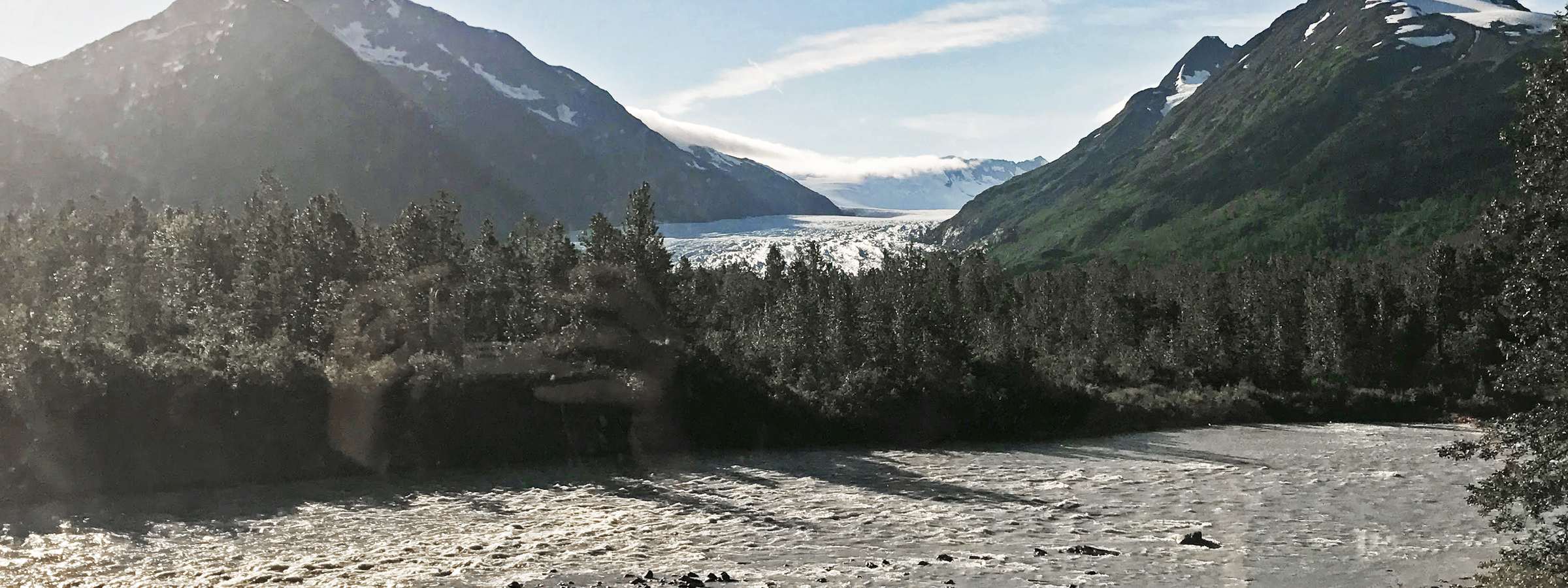
Alaska's waters are cold, fast, and often glacially fed — which means visibility can actually be decent in some spots, but currents are no joke. Coastal areas have tidal flats and old port infrastructure that's worth exploring. Rivers like the Kenai and Susitna have deep holes where hardware sinks and stays.
Is it legal? Alaska Fish & Game regulates a lot of its waterways for fish habitat protection, so you'll want to check before you drop a magnet near any salmon-bearing stream. There's no explicit statewide magnet fishing ban, but disturbing riverbed habitat in protected spawning areas is a real legal concern. When in doubt, stick to clearly non-protected areas like harbor docks and urban waterways.
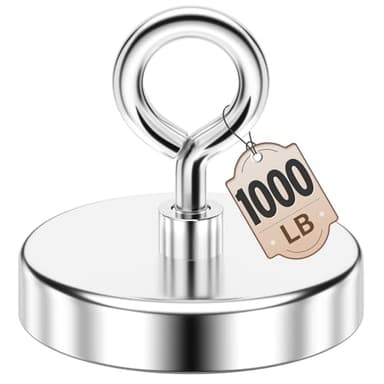
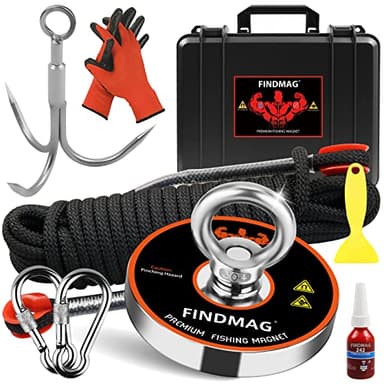
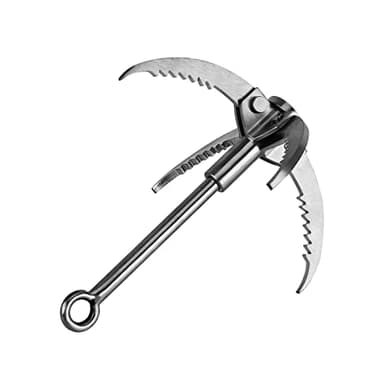
Best magnet fishing gear for Alaska
Best magnet fishing spots in Alaska
1. Knik Arm — Ship Creek Mouth
Anchorage
Ship Creek runs right through downtown Anchorage and dumps into Knik Arm, and the combination of heavy foot traffic, old dock infrastructure, and decades of industrial use means there's a lot of metal sitting on that bottom. People have pulled tools, old anchors, and corroded hardware from the tidal flats near the lower creek. Access is easy — there's parking near the hatchery and the railroad yard, and the area sees enough human history that almost every drop turns up something.
2. Knik River
Palmer
The Knik runs fast and glacially cold, but the gravel bars near the road pullouts have collected decades of debris from recreational use and old homestead activity. People have pulled rusted tools, old hardware, and vehicle parts from the shallower stretches near the bridges. Access is straightforward off Knik River Road, with plenty of room to park and work the banks.
3. Small Boat Harbor
Kodiak
Kodiak's working harbor has seen over a century of commercial fishing, and the bottom around the docks is littered with dropped tools, old anchors, chain sections, and hardware that falls off boats constantly. Access is straightforward — the harbor boardwalks put you right over the water, and the depth is manageable in the inner slips. People have pulled out everything from old engine parts to military-era hardware left over from the WWII installations on the island.
4. Juneau Harbor
Juneau
Juneau's small boat harbor has been active for well over a century, and the float plane traffic, fishing boats, and general marine activity have left a lot of metal in the water over the years. Dropped tools, lost anchors, old mooring hardware — the floor of this harbor is a mess in the best possible way. The docks are accessible on foot and the depth near the floats is workable, though current can get pushy depending on the tide.
5. Juneau-Douglas Bridge area
Juneau
The Gastineau Channel runs fast with heavy tidal swings, so anything that's gone over a bridge or off a dock here gets swept around before it settles. The bridge crossings near downtown Juneau are accessible on foot and the water below has a long history of maritime and mining activity going back to the Gold Rush. Tidal timing matters a lot — fish at low slack tide or you'll spend most of your session just fighting the current.
6. Chena River — Cushman Street Bridge
Fairbanks
The Chena runs right through downtown Fairbanks and the Cushman Street bridge is one of the oldest and busiest crossings in the city, which means there's been plenty of time for junk to accumulate on the riverbed below it. Snowmelt keeps this river moving, but the current near the banks is manageable in summer. Old coins, tools, and military-era scrap have reportedly come up here — Fairbanks has a long history with both the gold rush and WWII-era infrastructure.
7. Chena River
Fairbanks
The Chena runs right through downtown Fairbanks, and that means decades of urban runoff, dropped gear, and general human carelessness sitting on that riverbed. The bridges along Cushman Street and Airport Way are natural collection points — stuff falls off bridges, period. Water clarity is actually better here than in glacial rivers, which helps you spot surface targets before you even cast.
8. Ketchikan Creek
Ketchikan
Ketchikan Creek flows right through town and under a series of old bridges before emptying into the harbor, and the combination of tourist foot traffic, fishing industry history, and those old bridge structures makes it genuinely interesting. The creek is shallow enough in spots to see what you're working with, though salmon spawning season means you need to be careful about when and where you drop. Access is walkable from downtown and parking isn't a problem.
9. Ketchikan Creek — City Float area
Ketchikan
Ketchikan Creek cuts right through the middle of town past the historic Creek Street district, and the float plane docks nearby add a whole layer of dropped hardware to what's already a busy tidal zone. The water is shallow enough in spots to see the bottom at low tide, which makes it easier to target specific areas. Fishing and tourism have run through this area for over a hundred years, so the variety of what's down there is genuinely interesting.
10. Seward Small Boat Harbor
Seward
Seward's harbor sits at the head of Resurrection Bay and has been a working port for fishing fleets, the Alaska Railroad, and recreational boaters for generations. Old moorings, dropped gear, and decades of commercial fishing activity have left plenty on the bottom. The float walkways give you good throwing angles and the depth near the docks is reasonable for rope management.
11. Ship Creek
Anchorage
Ship Creek is basically Anchorage's backyard fishery, and the lower stretch near the Port of Anchorage has accumulated a lot of industrial-era debris over the decades. The area near the train depot and the old port infrastructure is especially interesting — we're talking about a working waterfront that's been active since the 1910s. Parking is available near the fishing platform area, and the lower tidal flats are accessible at low tide.
12. Sitka Harbor — ANB Harbor docks
Sitka
Sitka's harbor is one of the busiest small-boat fishing harbors in Southeast Alaska, and the ANB Harbor section in particular has older dock infrastructure where tools, anchors, and gear have been dropping into the water for generations. The depth in the slips runs 10 to 20 feet depending on tidal stage, which is workable. Russian and early American maritime history in Sitka means there's a real possibility of older hardware mixed in with the modern stuff.
13. Nenana River — Parks Highway Bridge
Nenana
The Parks Highway bridge over the Nenana River is one of the main crossings on the road to Denali, and it's been dropping things into that river since the highway was built. The Nenana is fast and glacially cold, but the edges near the bridge pilings collect debris that the current pushes and pins against structure. Scrap metal, old hardware, and the occasional vehicle part have reportedly come up near bridge crossings on this stretch.
14. Resurrection Bay
Seward
The Seward small boat harbor on Resurrection Bay is one of the busiest fishing ports in southcentral Alaska, and that kind of traffic leaves a trail. The dock areas and the older sections of the harbor near the cannery buildings are worth working. Deep water close to shore means you can get a lot of line out without wading, which matters when it's 45 degrees and raining, which it often is.
15. Ship Creek — downtown mouth area
Anchorage
Ship Creek is practically in the shadow of downtown Anchorage, and the lower stretch near the railroad depot and small boat launch has a long history of industrial and rail activity. It's a salmon stream, so you need to stay aware of spawning season rules from Alaska Fish and Game — but outside of those windows, the lower tidal reach near the inlet is fair game and has produced rail spikes, old tools, and general industrial debris. Access is easy with a paved path and parking at the visitor area.
16. Homer Harbor
Homer
Homer Spit sticks four and a half miles out into Kachemak Bay, and the harbor at the end has been a commercial halibut fishing hub for decades. That kind of sustained commercial activity leaves a lot behind — old anchors, mooring chains, dropped equipment from fishing vessels. The dock access is good, parking is available on the spit, and the water depth near the slips is manageable.
17. Nenana River Bridge
Nenana
The highway bridge over the Nenana River at the town of Nenana has been a major crossing point for road and rail traffic for over a hundred years. Old railroad-era hardware, spikes, and tools have been found in rivers near historic rail corridors all over Alaska. The river is fast and cold here, so you're working the slower water near the banks and bridge footings rather than the main channel.
18. Resurrection Bay — Seward Small Boat Harbor
Seward
Seward's small boat harbor sits at the head of Resurrection Bay and handles serious commercial and charter fishing traffic year-round. The harbor basin is sheltered enough that dropped gear actually stays where it lands instead of getting swept into the bay, which makes magnet fishing the inner docks pretty consistent. WWII military presence in the area also means there's a chance of older hardware turning up near the original dock infrastructure.
19. Susitna River — Talkeetna Confluence
Talkeetna
Talkeetna sits at the confluence of the Susitna, Talkeetna, and Chulitna rivers, and the town has a long history as a supply point for Denali climbers and bush pilots. Old ferry crossings and decades of river traffic have left hardware on the bottom near the confluence. The Susitna carries a lot of glacial silt so visibility is basically zero, but that just means you're working blind like everyone else up here.
20. Gastineau Channel
Juneau
The channel between Douglas Island and mainland Juneau has been a working waterway since the gold rush era, and that's not nothing. The old AJ Mine and Treadwell Mine operations left a lot of industrial activity around this channel for decades. Tidal access points on the Douglas side give you spots to work without dealing with the full current of the main harbor.
21. Kodiak Harbor
Kodiak
Kodiak is one of the largest commercial fishing ports in the United States, and the harbor reflects that — it's been active with crab boats, trawlers, and processing vessels for a long time. The volume of heavy equipment that moves through here means the harbor floor is legitimately loaded. Access to the harbor walkways is straightforward, and the sheer density of historical activity makes almost every spot worthwhile.
22. Susitna River at Talkeetna
Talkeetna
Talkeetna sits at the confluence of the Susitna, Chulitna, and Talkeetna rivers, and that junction has been a supply and staging point since the early 1900s. The boat launch areas and the older ferry crossing sites near town are the spots worth focusing on. The Susitna is wide and powerful, so you're staying near the banks and the slower back-eddies rather than throwing into the main braid.
23. Wrangell Narrows — Petersburg waterfront
Petersburg
Petersburg sits at the north end of the Wrangell Narrows, one of the most heavily trafficked marine passages in Southeast Alaska, and the town waterfront has been an active Norwegian fishing community since the late 1800s. The cannery dock areas and the Sons of Norway Hall float are accessible and sit over water that's been collecting dropped fishing gear for over a century. Tidal current through the narrows is strong, but the inner harbor areas are comparatively calm.
24. Tanana River — Gerstle River Mouth
Delta Junction
The area around Delta Junction sits near the old Alaska Highway construction corridor, and the Tanana River near the Gerstle confluence has WWII-era history — equipment, vehicles, and supply line infrastructure from the 1940s that didn't all make it home. Dropped and abandoned military-era metal near river crossings is a legitimate draw for magnet fishers willing to make the drive. Access requires some overland travel but the Alaska Highway puts you close.
25. Tanana River — Gerstle River confluence area
Delta Junction
The Tanana River near Delta Junction is accessible via the Richardson Highway corridor and sees far less magnet fishing pressure than anything near Anchorage or Fairbanks. The river carried substantial military supply traffic during and after WWII given the nearby Fort Greely presence, and old hardware from that era has been found along the banks after high water. The water is braided and fast with heavy silt load, which makes it challenging, but the low competition means stuff just sits there.
Magnet fishing in Alaska — FAQ
Is magnet fishing legal in Alaska?+
Can I magnet fish in Alaska's rivers?+
What pull force do I actually need for Alaskan waters?+
How much rope do I need in Alaska?+
Are glacially fed rivers harder to magnet fish than regular rivers?+
What's the best type of spot to start with in Alaska as a beginner?+
Do I need a grappling hook in Alaska specifically?+
Here are some magnet fishing finds in Alaska
- World War II Artifacts: In 2020, a magnet fisher discovered several pieces of World War II-era military equipment, including ammunition and other metal artifacts, near a historic military site in Anchorage. The site had been used by the U.S. Army during the war, and the finds provided a glimpse into Alaska's role in the conflict.
- Gold Rush Era Relics: In 2021, a group of magnet fishers found various items from the Gold Rush era in a river near Juneau. These included mining tools, coins, and other metal objects that offered insight into the lives of miners during the late 19th and early 20th centuries.
- Lost Fishing Gear: Magnet fishers often find lost fishing gear, such as hooks, lures, and even fishing rods, in Alaskan waters. These finds can be helpful for the environment, as they remove potential hazards for wildlife.
- Bicycles and Scooters: In urban areas of Alaska, such as Anchorage or Fairbanks, magnet fishers have retrieved discarded bicycles and scooters from rivers and lakes. These finds serve to clean up the environment and provide a glimpse into the impact of human activity on waterways.
Best Magnet Fishing Magnets
Find the best magnet for magnet fishing — from 500 lb beginner picks to 2,000 lb+ heavy hitters.
Find your magnet →Best Magnet Fishing Accessories
Rope, gloves, grappling hooks, buckets, and more — the magnet-fishing accessories that actually matter.
Browse accessories →Best Magnet Fishing Kits
Looking for the best magnet fishing kit? Top picks that bundle a strong magnet, rated rope, and gloves.
See the kits →Pulled something good out of Alaska's water?
We're always adding new spots and finds. Share your favorite Alaskalocation or your best haul and we'll feature it on the site.