
Magnet Fishing in Maine: Extreme Tides and Deep Lakes
Maine's tidal range is something else — up to 20 feet in some coastal areas, which exposes a lot of interesting bottom at low tide. Interior lakes are cold and deep with good clarity. The Kennebec and Penobscot rivers have centuries of maritime history, but historic preservation rules apply in tidal zones.
Not fishing Maine? See the best places to magnet fish in all 50 states. New to the hobby? Start with the complete guide to how to go magnet fishing.
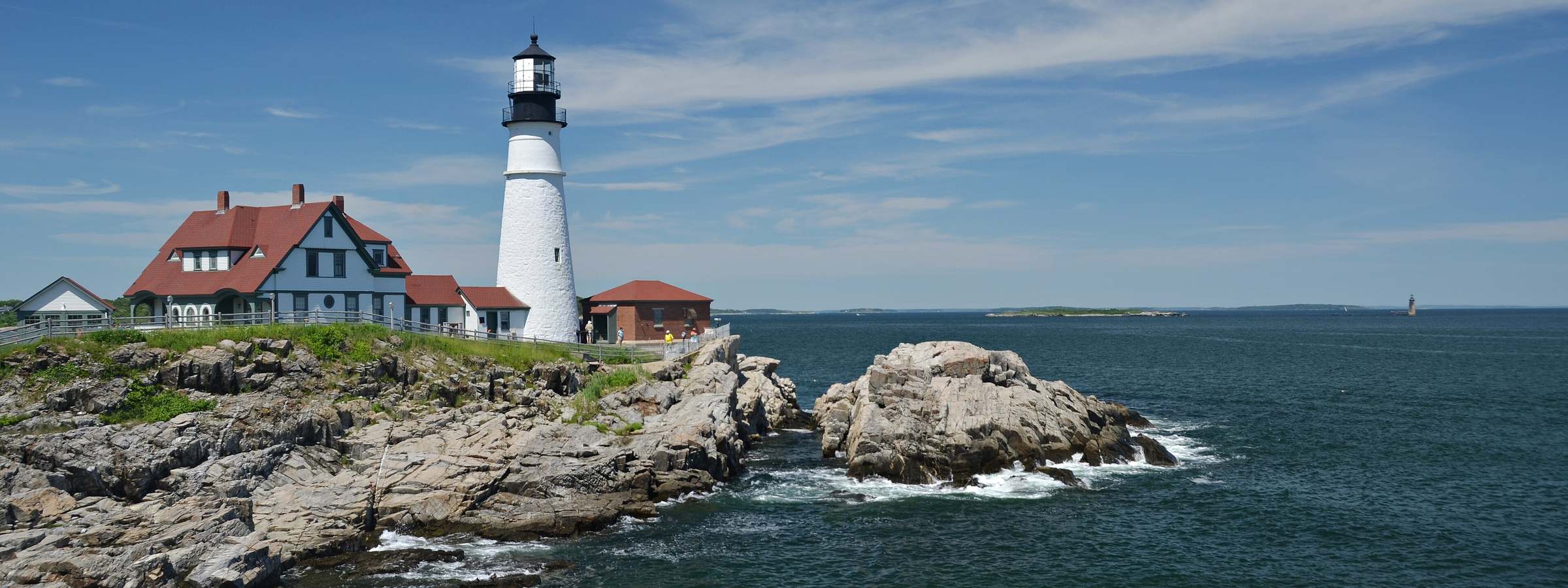
Magnet fishing in Maine — quick info
Recommended Pull Force
Recommended Rope Length
Beginner Difficulty
Typical Water Conditions
Maine has a long, rocky Atlantic coastline with tidal range that can exceed 20 feet in some areas — especially in the upper Bay of Fundy influence zone around Eastport. Interior lakes and ponds are glacially carved and often quite deep. Major rivers like the Kennebec and Penobscot have strong tidal influence in their lower sections and have been commercially used for centuries.
Is it legal? Maine Department of Inland Fisheries & Wildlife and the Department of Marine Resources both have jurisdiction depending on where you're fishing. There's no explicit magnet fishing ban, but Maine's Historic Preservation Commission has rules about disturbing sites in the intertidal zone, which has significant Native American and early colonial history. Tidal areas require checking both state and town ordinances.
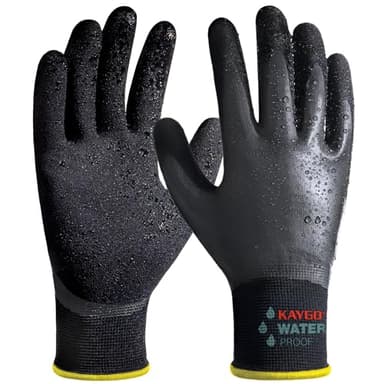
Best magnet fishing gear for Maine
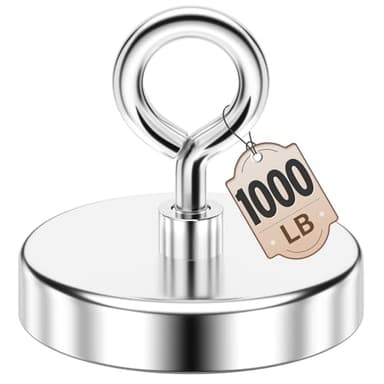
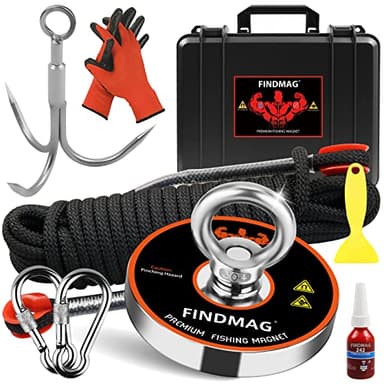
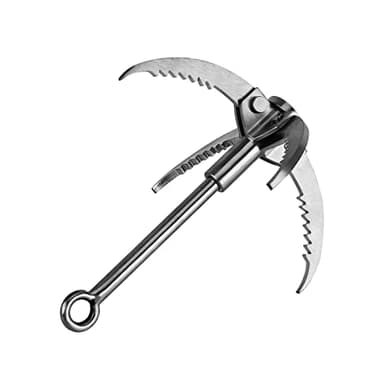
Best magnet fishing spots in Maine
1. Kennebec River (downtown waterfront)
Augusta
The Kennebec has one of the most documented industrial histories of any river in New England — paper mills, log drives, and ice harvesting operations ran here for well over a century, and the riverbed near the old waterfront reflects all of that. People have pulled up logging chains, mill hardware, and old iron fittings from the shallower sections near the boat launches. Access is solid from the riverfront park area and there's street parking close to the water.
2. Kennebec River (downtown stretch)
Augusta
The Kennebec ran through the heart of Maine's industrial era — log drives, mills, and heavy river traffic for well over a century. The downtown Augusta stretch near the old dam site has produced iron hardware, logging equipment fragments, and old tools that got swept downriver and settled in the shallower bends. Access from the riverfront park is straightforward, parking is right there, and the water runs 8 to 15 feet deep in most productive casting zones.
3. Bath Iron Works waterfront area
Bath
Bath has been building ships since the 1700s and the Kennebec River along the Bath waterfront has absorbed generations of shipyard debris — fasteners, hardware, chain, tools, and who knows what else that went over the side during construction or launch. The tidal current here moves fast at the wrong time of day so you want to time your session around low slack tide. Public access points exist near the city landing but be aware that some shoreline is restricted.
4. Bath Iron Works Waterfront
Bath
Bath has been building ships since the 1600s and the Kennebec riverfront here is littered with over three centuries of maritime debris. Shipyard workers dropped tools, fittings, and fasteners constantly, and the tidal action along this stretch keeps shifting what's accessible on the bottom. The public waterfront areas near Commercial Street give decent access, though you'll want to stay aware of where BIW property lines start.
5. Penobscot River (downtown waterfront)
Bangor
Bangor was one of the busiest lumber ports in the world during the 1800s and the Penobscot carried that whole industry — log drives ran down this river for decades, and the river bottom near the old waterfront docks has old iron hardware, spikes, and chain going back generations. The waterfront park gives clean public access and there's a decent amount of shallow zone right off the retaining walls where a magnet will actually hit bottom. Cold, dark water but surprisingly productive.
6. Penobscot River (Bangor waterfront)
Bangor
Bangor was one of the busiest lumber ports in the world in the 19th century and the Penobscot waterfront still holds relics from that era — tools, chains, log drive hardware, and general industrial castoffs. The public waterfront park gives you legitimate access and the bottom near the old wharves is a mix of silt and cobble that holds things well. Depth runs moderate close to shore.
7. Penobscot River (below Bangor waterfront)
Bangor
Bangor was one of the busiest lumber ports in the world in the 1800s, and the Penobscot below the waterfront still holds remnants of that era — iron log drive equipment, old mooring hardware, and assorted metal debris from decades of commercial activity. The tidal fluctuation here is significant, which means the river exposes different bottom sections at low tide and lets you reach spots that are underwater most of the day. Waterfront Park gives legal public access and there's parking nearby.
8. Portland Harbor (Fish Pier area)
Portland
Portland Harbor has been an active working port for four hundred years and the area around the Fish Pier and the Commercial Street waterfront has seen everything from fishing vessels to ferry traffic to wartime shipping — the bottom reflects all of that. Anchors, chain, tools, and general marine hardware are all realistic finds. Parking is easier than you'd think on a weekday morning and there are a few spots where you can get close to the water without trespassing.
9. Saco River (downtown bridge area)
Saco
The Saco has mills dating back to the early 1800s and the stretch through downtown near the old mill buildings has produced iron scrap, tools, and the occasional older piece of hardware. The bridge locations give you a good casting angle and the river bottom here is a mix of sand and gravel that lets things settle without getting buried too deep. Parking is available near the downtown area.
10. Androscoggin River (falls area)
Lewiston
Lewiston sits right on the Androscoggin at a stretch where the river powered some of the largest textile mills in Maine for well over a century, and the riverbed near the falls area has never really been cleaned out. Mill workers dropped things, equipment went in during floods, and a lot of that iron is still down there in the slower sections below the falls. Access is decent from the river trail on the Lewiston side and the shallower eddies are approachable without a boat.
11. Androscoggin River (Great Falls area)
Lewiston
Lewiston sits at the falls on the Androscoggin where mills ran hard from the mid-1800s through most of the 20th century, and the river bottom downstream of the falls has absorbed a lot of that history. The public riverfront access has improved in recent years and the water level varies enough that lower flows expose productive stretches. Cold water keeps older iron in decent shape.
12. Bucksport waterfront (Penobscot River tidal zone)
Bucksport
Bucksport sits right where the Penobscot widens into its tidal zone, and the town had an active paper mill on the waterfront that only closed in 2014 — meaning there's both historical maritime debris and relatively recent industrial material in the same stretch of river. The old mill site area has restricted access but the town waterfront and boat launch area are publicly accessible and sit in a tidal zone that moves a surprising amount of material around. Fort Knox is visible right across the river, which is a weird and cool backdrop.
13. Bucksport Harbor
Bucksport
Bucksport sits at a tidal section of the Penobscot with a long maritime and industrial history including the former Verso paper mill, which operated for decades right on the waterfront. The harbor and former mill waterfront area have produced chains, hardware, and assorted iron artifacts. Tidal access is the main consideration — the mud flats can be tricky at low tide so check the tide chart.
14. Portland Harbor (eastern waterfront)
Portland
Portland's waterfront has been commercially active since the 1600s, and the harbor bottom near the old piers on the eastern promenade side holds an absolute mess of old iron — mooring hardware, lost anchors, boat fittings, and general dock debris that's accumulated for centuries. Water depth drops off quickly from the pier edges, so you're casting into 15 to 25 feet in most spots. Access is mostly public but some pier sections are privately controlled, so read the signage.
15. Saco River (old bridge sites near downtown)
Saco
The Saco River has had multiple bridge crossings near downtown since the early 1800s and old bridge sites are consistently productive for magnet fishing — bolts, structural iron, and hardware tend to accumulate at those locations over time. The riverbanks near the Factory Island area have some public access and the water depth near the old crossing points is workable without a boat. Worth checking what's there before you go since land access along the banks can be inconsistent.
16. Allagash River (downstream of Allagash Village)
Allagash
Remote by Maine standards, but the Allagash saw serious log drive activity through the 20th century and the river bottom near Allagash Village has log drive hardware, boom chains, and old iron tools that never got retrieved. Access is part of the Allagash Wilderness Waterway which has specific rules, so check before you go. The payoff can be real — older iron in cold, clean water stays in remarkable condition.
17. Saco River (downtown bridges)
Saco
The Saco River below the downtown bridge crossings has been a working river for a long time, and the bridge pilings are natural collection points for anything metal that's drifted downriver or been dropped from above. Old padlocks, tools, and bridge construction hardware turn up regularly in the slow pools just downstream of the main span. Public access along the riverwalk is solid, depth under the bridge is around 8 to 12 feet, and parking isn't a problem.
18. Sebago Lake State Park (boat ramp area)
Casco
Sebago is one of Maine's biggest and most-used lakes and the boat ramp at the state park is one of those spots where decades of boating traffic means the ramp apron and the water just off it have accumulated the usual lost hardware, anchors, and dropped equipment. Cold, clear lake water preserves metal well and whatever goes in near a busy ramp tends to stay right there. State park access means you've got a legitimate public entry point without worrying about private land issues.
19. Portland Harbor (Fish Pier / Commercial Street area)
Portland
Portland's working harbor has been active for centuries and the Fish Pier and Commercial Street waterfront area accumulate the kind of iron debris that comes with that — dock hardware, chain, cleats, tools, and occasional older finds near the historic wharf pilings. Public access exists along portions of the waterfront but some areas are active commercial operations, so pay attention to where you're casting. Depth drops off quickly here.
20. Damariscotta River (town dock area)
Damariscotta
The Damariscotta is a short tidal river with a long maritime history, and the area around the town dock has seen commercial boat traffic for well over a hundred years. Old boat hardware, anchor chains, and the occasional tool lost off fishing vessels are the typical finds here. The tidal current runs strong through this narrow section, which actually helps concentrate heavier metal debris in predictable spots along the bottom edges.
21. Rockland Harbor
Rockland
Rockland has been a working fishing and commercial harbor for a long time and the breakwater area and town dock vicinity have the kind of layered marine debris that comes from generations of active boat traffic. Fishing gear, anchors, chain, and miscellaneous hardware are all realistic finds in the shallower water near the dock structures. The public landing gives you legitimate access and there's parking nearby that doesn't require a major hike.
22. Sebasticook River (below the dam)
Winslow
The Sebasticook flows into the Kennebec at Winslow and the stretch below the dam has collected debris from the mill era that defined this part of central Maine. The dam creates a drop that concentrates heavier iron objects in a relatively accessible stretch of river. Parking and access near the confluence area is workable and the bottom is cobble and gravel rather than thick silt.
23. Union River (downtown falls)
Ellsworth
Ellsworth had active mills running on the Union River for generations, and the stretch below the falls near downtown still has mill-era iron on the bottom. Log drive equipment, old chain hardware, and general mill debris settled in the pools at the base of the falls where current slows. There's reasonable public access along the river trail and the water depth in the productive pools runs around 6 to 10 feet.
24. Presumpscot River (old mill pond area)
Westbrook
The Presumpscot runs through Westbrook past the site of old mill operations and the slower sections near former mill ponds have that classic combination of industrial history and relatively accessible shoreline. The river has been the subject of restoration work over the years which has changed some of the access but there are still publicly reachable spots near the former mill areas where the bottom holds old iron. Depth is modest in most sections which makes this one of the more manageable spots in the state for newer magnet fishers.
25. Union River (downtown bridge)
Ellsworth
Ellsworth was a shipbuilding and lumber town and the Union River through downtown still holds remnants of that working history below the surface. The bridge near the downtown area gives you a good casting spot and the tidal influence reaches up this far, which means the bottom composition shifts depending on when you show up. Earlier finds in the area have included old hardware and chain-related ironwork.
26. Presumpscot River (Saccarappa Falls area)
Westbrook
The Presumpscot ran paper and textile mills for the better part of two centuries, and the Saccarappa Falls stretch near downtown Westbrook is one of the more historically loaded river sections in southern Maine. The river was aggressively used for industrial purposes and the bottom reflects that — old iron hardware, mill equipment fragments, and fasteners are common finds. Access from the riverfront park is easy, there's parking nearby, and depth in the main channel runs 6 to 14 feet.
Magnet fishing in Maine — FAQ
Is magnet fishing legal in Maine?+
Do I need a permit to magnet fish in Maine's lakes and ponds?+
What pull force do I actually need for Maine's conditions?+
How do Maine's tides affect where and when I can fish?+
What should I do if I pull up something that looks old or significant?+
How long a rope do I need for Maine magnet fishing?+
Can I magnet fish on Maine's beaches?+
Here are some magnet fishing finds in Maine
- Lewiston magnet fisher Colt Busch has pulled 52 bicycles, two drones, a fire extinguisher, street signs, a cash box, and shopping carts out of Maine waterways, and Janine Hastey of Detroit has recovered a bullet, railroad spikes, and a marble rolling pin with metal handles (via Bangor Daily News).
- The Eco Maine Magnet Fishers group works the Presumpscot River at Black Bridge in Westbrook and says it has hauled out more than 40 bikes, 20 shopping carts, a safe, and antiques, coordinating with the city to cart it all away (via The Windham Eagle) (and WGME).
- Maine's story so far is cleanup more than treasure. The Kennebec at Bath and the Penobscot at Bangor have centuries of shipyard and lumber-port iron on the bottom and are the obvious places for the historic finds to start showing up.
Looking for more magnet fishing spots near Maine? Check out our guides for New Hampshire — all neighbouring states with their own rivers, lakes, and access points worth exploring.
Best Magnet Fishing Magnets
Find the best magnet for magnet fishing — from 500 lb beginner picks to 2,000 lb+ heavy hitters.
Find your magnet →Best Magnet Fishing Accessories
Rope, gloves, grappling hooks, buckets, and more — the magnet-fishing accessories that actually matter.
Browse accessories →Best Magnet Fishing Kits
Looking for the best magnet fishing kit? Top picks that bundle a strong magnet, rated rope, and gloves.
See the kits →Pulled something good out of Maine's water?
We're always adding new spots and finds. Share your favorite Mainelocation or your best haul and we'll feature it on the site.