
Magnet Fishing in Hawaii: Coastal Harbors and Strict Rules
Hawaii isn't a typical magnet fishing destination, but the harbors around Honolulu and Hilo have real potential for dropped boat gear and old hardware. The rules are strict though — historic preservation laws cover a lot, and anything near Pearl Harbor is federally off-limits. Know before you go.
Not fishing Hawaii? See the best places to magnet fish in all 50 states. New to the hobby? Start with the complete guide to how to go magnet fishing.
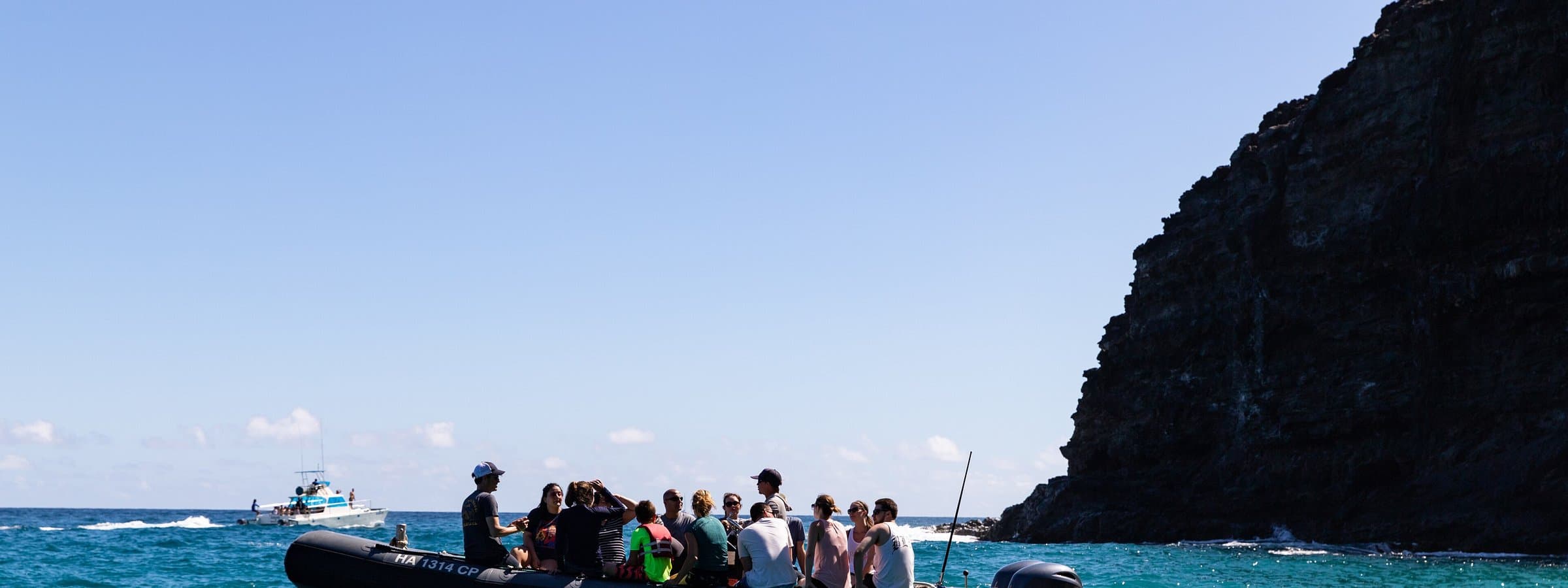
Magnet fishing in Hawaii — quick info
Recommended Pull Force
Recommended Rope Length
Beginner Difficulty
Typical Water Conditions
Hawaii's waterways are mostly short, fast-moving streams fed by volcanic terrain — not a lot of slow river fishing here. Harbors and coastal areas, particularly around Pearl Harbor, Honolulu, and Hilo, are the more realistic spots. Saltwater corrosion is aggressive, so finds from coastal areas tend to be heavily oxidized. Harbor floors accumulate boat hardware, anchors, and fishing gear over time.
Is it legal? Hawaii has some of the strictest cultural and historical preservation rules in the country — the State Historic Preservation Division oversees anything that might be of Native Hawaiian or historical significance, and disturbing those items is a serious offense. Pearl Harbor and surrounding federal waters are completely off-limits. For general harbor fishing outside restricted zones, check with the local harbor master first.
Best magnet fishing gear for Hawaii
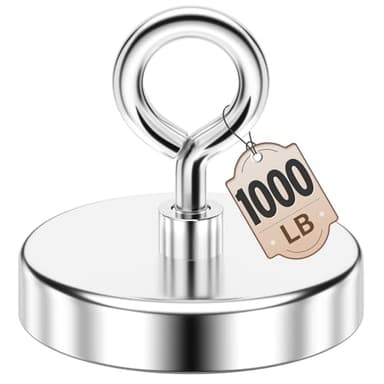
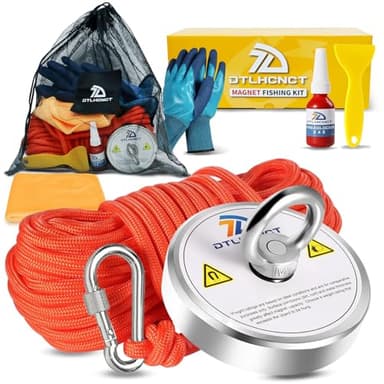
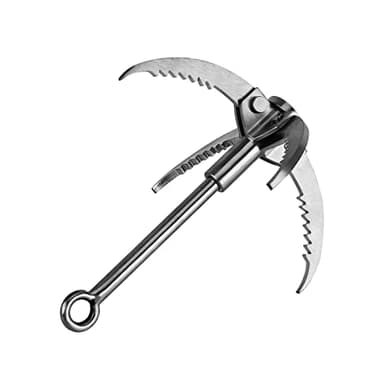
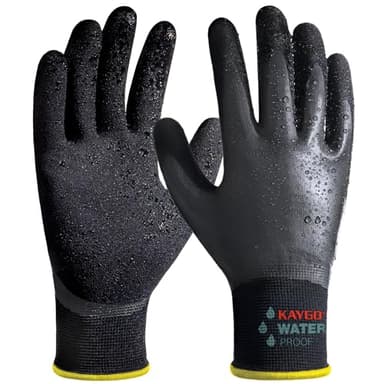
Best magnet fishing spots in Hawaii
1. Honolulu Harbor
Honolulu
One of the busiest commercial ports in the Pacific, and that kind of traffic over a hundred-plus years means a lot of metal has gone overboard. Old dock hardware, anchor chain, tools, mooring equipment — the bottom here is a mess in the best possible way. Access from public pier areas is possible but you'll want to check which sections are open to the public versus restricted port operations.
2. Ala Wai Canal
Honolulu
This canal cuts through Waikiki and has been collecting runoff, boat traffic debris, and urban overflow since it was dug in the 1920s. Depth is pretty manageable, maybe 10 to 12 feet in most spots, and the banks are accessible along the walking path. People have found old anchors, bicycle frames, tools, and all manner of things that fell or got thrown off the bridges over the years.
3. Nawiliwili Harbor
Lihue
Kauai's main harbor has seen commercial fishing, inter-island freight, and cruise ships for generations, which means the bottom has layers of dropped and lost gear going back a long way. Access along the harbor road is generally open to the public in sections. Expect corroded finds — anything ferrous in Hawaiian saltwater has a rough time, but the sheer volume of historical activity makes it worth it.
4. Ala Wai Boat Harbor
Honolulu
The Ala Wai is the largest small boat harbor in the state and it's been packed with recreational vessels since the 1950s. That means dropped tools, lost fishing gear, and general boat hardware sitting on the harbor floor for generations. Access from the public walkways along the harbor edge is straightforward, and parking along Ala Moana Boulevard is workable if you get there early.
5. Kahului Harbor
Kahului
Maui's primary commercial port is another spot with decades of industrial maritime activity layered on the bottom. Old mooring hardware, chain segments, and dock equipment are realistic finds here. Some areas along the breakwater are publicly accessible, though the active freight sections are off limits.
6. Wailuku River
Hilo
The longest river in Hawaii at about 28 miles, and one of the few mainland-style river fishing experiences you'll get on the islands. It runs through Hilo and empties near the bay, and the lower sections near town have seen enough foot traffic and bridge activity to make it interesting. The basalt riverbed is tough on magnets though — expect snags.
7. Hilo Bay
Hilo
The bay itself has a long history as a working waterway — Hilo was a major sugar shipping port for decades, and the older sections of the bayfront have that industrial past written all over the bottom. The tsunami damage events from 1946 and 1960 also redistributed a significant amount of material into the bay. Access along the bayfront park is easy, parking is solid.
8. Kaunakakai Wharf
Kaunakakai
Molokai's main wharf is one of the longest wharves in the state and has been the lifeline for the island's freight and fishing operations for over a century. It's quieter than Oahu or Maui's harbors, which actually makes access easier in some ways. The water is clear enough to see finds, which is a rare advantage.
9. Haleiwa Small Boat Harbor
Haleiwa
On Oahu's North Shore, this harbor has been a hub for recreational fishing and small commercial boats for decades. Lost tackle, boat hardware, and anchor chain are common finds. The harbor is relatively calm compared to the open coast, and access to the dock areas is more relaxed than the main commercial ports.
10. Kailua-Kona Harbor
Kailua-Kona
This is a busy sport fishing and charter boat hub on the Big Island's dry west coast, which means constant boat traffic and the inevitable dropped gear that comes with it. The small boat basin is accessible from the pier area, and the calmer inshore water makes it more workable than open ocean. Sport fishing operations drop a surprising amount of hardware over the years — weights, gaffs, tackle — and some of it sinks instead of getting retrieved.
11. Waimea River Mouth
Waimea
Kauai's Waimea River runs down from the canyon and empties into a sandy beach area near the old town. The town of Waimea itself has significant history — it's where Captain Cook first landed in Hawaii — and the river mouth and nearby coastal area have seen a lot of human activity over a very long time. The river is shallow and accessible, though it shifts course seasonally.
12. Keehi Lagoon
Honolulu
A protected lagoon near the Honolulu airport that was used as a seaplane base during World War II and has housed boat traffic ever since. The WWII connection alone makes this one interesting from a historical finds perspective. The lagoon's calmer water is easier to work than open harbor, and there's a public boat ramp and park with decent parking.
13. Kukuiula Small Boat Harbor
Koloa
Kukuiula is a small harbor on Kauai's south shore that serves recreational fishing boats and has been doing so long enough for the bottom to have a decent layer of lost hardware and fishing gear. It's off the main tourist path, which means less foot traffic and more room to work without drawing a crowd. The calm water inside the breakwater makes it one of the more manageable spots in the state for actually controlling your drops.
14. Maalaea Harbor
Maalaea
Maalaea sits at the narrow isthmus of Maui and is the departure point for a huge number of snorkel and dive boats, which means constant vessel traffic in a relatively compact harbor. That activity over many years translates to dropped gear, lost tackle, and general maritime debris on the bottom. The harbor is calm almost always due to its protected position, which makes actually retrieving what you snag far less of a wrestling match.
Magnet fishing in Hawaii — FAQ
Can I go magnet fishing near Pearl Harbor?+
Do I need permission to fish in Hawaii's harbors?+
What happens if I pull up something that looks historically significant?+
Is saltwater going to destroy my magnet?+
Are Hawaii's streams worth magnet fishing, or should I stick to harbors?+
What pull strength do I actually need for Hawaii harbor fishing?+
How long of a rope do I need?+
Is magnet fishing legal everywhere in Hawaii outside of federal zones?+
Here are some magnet fishing finds in Hawaii
Magnet fishing in Hawaii, much like in other locations, can yield a variety of finds ranging from mundane items to more intriguing and historically significant artifacts. The diverse history of Hawaii, combined with its maritime culture, sets the stage for potentially unique discoveries. Here are some items that people have reported finding or could reasonably expect to find while magnet fishing in Hawaiian waters:
- Fishing Gear: Due to Hawaii's strong fishing culture, it's common to find lost fishing hooks, lures, and weights. These items are often made of metal and can get snagged on reefs or lost during fishing trips.
- Maritime Equipment: Given Hawaii's history and importance as a naval and maritime hub, it wouldn't be surprising to find old naval artifacts, boat parts, or maritime equipment. Items such as anchors, swivels, and parts of old ships could be discovered.
- Historical Artifacts: Hawaii has a rich history, including periods of monarchy, colonization, and its strategic role in World War II. Magnet fishers might come across relics from these eras, such as old coins, military memorabilia, or tools.
- Modern Waste: Unfortunately, water bodies everywhere are not immune to pollution, and Hawaii's waters are no exception. Magnet fishing can often pull up modern waste like bottle caps, bike parts, or even electronic devices that have been accidentally dropped into the water.
- Personal Items: Jewelry, keys, and knives are common finds, reflecting the daily lives of people who frequent these waters. These items often have personal value and can sometimes be returned to their owners.
- Rare Finds: On rare occasions, magnet fishers might discover items of significant value or historical importance. This could include ancient Hawaiian artifacts, though finding such items comes with a responsibility to report them to the appropriate authorities due to their cultural significance.
When engaging in magnet fishing in Hawaii, it's crucial to be mindful of local regulations and the environment. Some areas may have restrictions or require permits for magnet fishing, especially if they are historically significant or environmentally sensitive. Additionally, respecting the cultural significance of any artifacts found, particularly those that may be linked to Hawaii's indigenous history, is paramount.
Best Magnet Fishing Magnets
Find the best magnet for magnet fishing — from 500 lb beginner picks to 2,000 lb+ heavy hitters.
Find your magnet →Best Magnet Fishing Accessories
Rope, gloves, grappling hooks, buckets, and more — the magnet-fishing accessories that actually matter.
Browse accessories →Best Magnet Fishing Kits
Looking for the best magnet fishing kit? Top picks that bundle a strong magnet, rated rope, and gloves.
See the kits →Pulled something good out of Hawaii's water?
We're always adding new spots and finds. Share your favorite Hawaiilocation or your best haul and we'll feature it on the site.