

Magnet Fishing in Kentucky: Rivers, Reservoirs and Real Finds

Kentucky is genuinely good magnet fishing territory. The Ohio River border is long and has tremendous history, and the Army Corps lakes — Cumberland, Kentucky, Barkley — have been getting boated for decades, which means a lot of dropped stuff on the bottom. Rules are reasonable, nothing too restrictive.
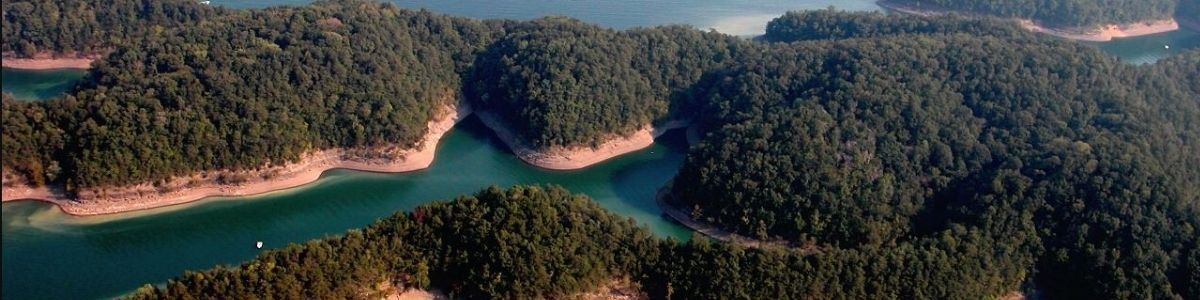
Kentucky Lake

Magnet fishing in Kentucky — quick info


Recommended Pull Force

500–1200 lb


Recommended Rope Length

50–100 ft


Beginner Difficulty

Easy


Typical Water Conditions

Kentucky has the Ohio River along its entire northern border, the Cumberland and Tennessee rivers in the west, and countless lakes created by Army Corps dams. Lake Cumberland and Kentucky Lake are both large enough to have accumulated significant recreational debris over decades. The Ohio River has strong current and commercial traffic, which means good finds but more challenging conditions.


Is it legal? Kentucky Fish & Wildlife doesn't specifically regulate magnet fishing, and public waterways are generally accessible. Army Corps lakes like Lake Cumberland have specific park and access rules that vary by site — check with the relevant COE district before you set up. Kentucky has archaeological protection laws, so anything historically significant needs to be reported.


Best starter kit for Kentucky


AnglerMag 1325LB Double Sided Complete Kit


AnglerMag 1325LB Double Sided Complete Kit

A 1325lb double-sided kit at $39.95 — that's a strong value for beginners who want more pull than the cheapest option without going over $40


Matched to Kentucky's 500–1200 lb recommended pull force range.


Check price on Amazon


Best magnet fishing gear for Kentucky


AnglerMag 1325LB Double Sided Complete Kit

AnglerMag 1325LB Double Sided Complete Kit

Best For

Beginners who want serious pull from day one

Why It Works in Kentucky

The Ohio River's current can push a lightweight magnet around and cost you finds — a double-sided setup with this much pull gives you a real shot at holding onto something heavy when the water's working against you.


Paracord Planet Braided Nylon Rope with Galvanized Wire Core

Paracord Planet Braided Nylon Rope with Galvanized Wire Core

Best For

Anyone fishing deep or high-current water

Why It Works in Kentucky

Lake Cumberland and Kentucky Lake have accumulated decades of recreational debris at depth, which means you're hauling heavier finds over longer rope runs — the galvanized wire core inside this rope is what keeps it from fraying through when you've got something big and awkward coming up.


Brute Magnetics Foldable Grappling Hook

Brute Magnetics Foldable Grappling Hook

Best For

Pulling snags and non-magnetic finds off the bottom

Why It Works in Kentucky

Army Corps dam lakes tend to collect all kinds of junk that a magnet alone won't grab — a grappling hook lets you drag up cans, rope, or anything else that's sitting on the bottom near your magnetic finds without wading in.


KAYGO KG150 Waterproof Work Gloves

KAYGO KG150 Waterproof Work Gloves

Best For

Wet-weather and winter sessions near river access

Why It Works in Kentucky

Kentucky's river banks get muddy and slick, especially along the Cumberland in fall and spring — waterproof gloves mean you're not driving home with soaked hands after handling a pile of dripping wet iron.


EconoHome 5-Gallon Bucket Pail with Lid

EconoHome 5-Gallon Bucket Pail with Lid

Best For

Keeping finds separate and organized on site

Why It Works in Kentucky

Kentucky's archaeological protection laws mean you should be keeping potentially significant finds separate and intact — a lidded bucket lets you transport something unusual without banging it around loose in your trunk while you figure out whether it needs to be reported.


Top magnet fishing spots in Kentucky


1. Ohio River at Covington Riverfront

Covington, Kentucky

The Ohio River along the Covington waterfront sees heavy foot traffic and has a long history of river commerce, ferry crossings, and industrial use going back to the 1800s. People have pulled out tools, old hardware, anchors, and chunks of machinery from this stretch. Access is solid — there's a paved riverfront park and you can get right to the water without much trouble.


Gear tip: This is a high-current stretch of the Ohio, so you need serious rope — at least 65 feet with a good knot — and a magnet that can handle the drag. Check out Best Choice Magnets M8 Male Thread 200lb Round Magnet 44mm before you show up underprepared.


2. Cumberland River at Confluence Park

Smithland, Kentucky

Smithland sits where the Cumberland meets the Ohio, which means two rivers worth of dropped and dumped stuff converges in one stretch. Lock and dam activity in this area goes back generations and the hardware that accumulates near those structures is worth the trip. Access is straightforward from the public boat ramp.


Gear tip: Near lock and dam infrastructure you want serious pull strength and a rope that won't shred on submerged concrete edges — the Best Choice Magnets M8 Male Thread 200lb Round Magnet 44mm covers what actually holds up in this kind of spot.


3. Cumberland River at Burnside Island State Park

Burnside, Kentucky

Lake Cumberland backs up near Burnside and this area has boat traffic, old dock infrastructure, and a surprising amount of lost gear sitting on the bottom. The depth here can get serious fast, which is something a lot of people don't account for until their rope runs short. There's a state park with easy parking and launch access that makes it one of the more comfortable spots in the state to fish from.


Gear tip: Lake Cumberland can drop deep fast near the old channel, so bring at least 100 feet of rope — more if you can manage it. A strong single-sided magnet works well here; grab one at Best Choice Magnets M8 Male Thread 200lb Round Magnet 44mm.


4. Kentucky River at High Bridge

Wilmore, Kentucky

High Bridge spans one of the deeper natural gorges the Kentucky River cuts through the Bluegrass region, and that depth means things dropped or thrown off the bridge over the decades have stayed put. Old coins, tools, and assorted iron have come up here. There's a small park with parking and a trail down to water access.


Gear tip: The depth under the bridge can surprise you — I'd go with at least 50 feet of rope and a strong double-sided magnet; see what the Best Choice Magnets M8 Male Thread 200lb Round Magnet 44mm recommends for deeper gorge spots like this.


5. Kentucky River at High Bridge Park

Wilmore, Kentucky

The Kentucky River cuts a gorge here and there's been a bridge crossing at this spot since the Civil War era. The old rail bridge abutments and the river bottom underneath have produced old bolts, spikes, tools, and metal debris going back well over a century. Access requires a bit of a walk down to the water, but it's worth it — not many people are fishing this spot with magnets.


Gear tip: The gorge creates weird currents and the bottom is rocky, so a rope with good abrasion resistance matters here more than usual. Pair it with a solid magnet from Best Choice Magnets M8 Male Thread 200lb Round Magnet 44mm and keep your retrieval slow.


6. Green River at Mammoth Cave Ferry Crossing

Brownsville, Kentucky

The old ferry crossing at Mammoth Cave National Park is one of the more historically loaded spots in central Kentucky — this stretch of the Green River has been a crossing point since frontier days. Finds here have included old iron hardware and pieces that are genuinely old. Access is inside the park so check current NPS rules before you go.


Gear tip: Historic crossings like this one can produce fragile or archaeologically significant finds, so know what you're pulling before you yank — and make sure the magnet you're running is up to the current; the Best Choice Magnets M8 Male Thread 200lb Round Magnet 44mm has options worth considering.


7. Green River at Mammoth Cave National Park Boundary

Brownsville, Kentucky

The Green River runs through historic territory just outside the park boundary, where old ferry crossings and river traffic left a lot of metal sitting on the bottom over the centuries. This isn't inside the park itself — you'd want to stay outside the protected boundary — but the river access near Brownsville has produced old tools and hardware. The Green River is one of those spots where patience pays off.


Gear tip: Current here is moderate but the riverbed is uneven, so a double-sided magnet can get hung up more than you'd expect. A single-sided setup from Best Choice Magnets M8 Male Thread 200lb Round Magnet 44mm with a long rope is the move.


8. Tennessee River at Kentucky Dam Village

Gilbertsville, Kentucky

Kentucky Dam backs up the Tennessee River here and the area around the dam tailwaters and the old boat ramps has a surprising amount of dropped and lost metal. Old fishing hardware, boat parts, and miscellaneous iron show up regularly. The Army Corps manages this area so be aware of any posted rules about what you can remove.


Gear tip: The tailwater current below the dam is strong and unforgiving on cheap rope, so don't cheap out on your setup — see what Best Choice Magnets M8 Male Thread 200lb Round Magnet 44mm has that's rated for fast water before you head out.


9. Lake Cumberland at Conley Bottom Resort Area

Monticello, Kentucky

Lake Cumberland is one of the deeper reservoirs in the eastern US and the boat traffic around popular access points like Conley Bottom has been constant for decades. Lost anchors, boat hardware, and tackle boxes are common pulls. The water gets deep fast so rope length really matters here.


Gear tip: Bring 100 feet of rope minimum at Lake Cumberland — serious depth means most standard kits will come up empty before they hit bottom; the Best Choice Magnets M8 Male Thread 200lb Round Magnet 44mm will point you toward setups built for deep reservoir work.


10. Licking River at Falmouth

Falmouth, Kentucky

Falmouth sits right at a bend in the Licking River and the town has old bridge infrastructure and a history of flooding that tends to push debris into the river and keep it there. There's decent public access from the town park area, and the river isn't so wide here that you can't reach the middle from the bank. People have found automotive parts, old tools, and general scrap metal working this stretch.


Gear tip: A double-sided magnet is probably overkill for the Licking River's depth here — a strong single-sided setup from Best Choice Magnets M8 Male Thread 200lb Round Magnet 44mm is honestly the more practical call.


11. Tennessee River at Paducah Riverfront

Paducah, Kentucky

Paducah sits at the confluence of the Tennessee and Ohio Rivers, which makes the riverfront here one of the busiest historical water crossings in western Kentucky. The city has invested in riverfront access and the walking path along the water makes it easy to work different sections of bank. The volume of historical river commerce here — steamboats, barges, ferry traffic — means the bottom has a long running deposit of dropped and lost metal.


Gear tip: Confluence zones like this can have unpredictable current directions, so a glove and a reliable rope setup are non-negotiable — see what Best Choice Magnets M8 Male Thread 200lb Round Magnet 44mm has before heading out.


12. Licking River at AA Highway Bridge

Falmouth, Kentucky

The Licking River gets overlooked compared to the Ohio but this stretch near Falmouth has old bridge infrastructure and a history of river crossings that goes way back. Bridge sites are almost always worth checking — there's a reason people have been dropping tools and hardware near crossings for two hundred years. Access off the road shoulder is easy and parking is straightforward.


Gear tip: Bridge crossings like this one tend to accumulate smaller pieces — bolts, brackets, hardware — so a strong neodymium magnet with a wide face does well here. Best Choice Magnets M8 Male Thread 200lb Round Magnet 44mm has some good options that won't break off mid-pull.


13. Barren River Lake at Lucas Recreation Area

Lucas, Kentucky

Barren River Lake is an Army Corps reservoir with old boat ramps, submerged road infrastructure from before the lake was filled, and regular recreational boating traffic that drops stuff constantly. The recreation area has solid parking and a paved ramp that gets you right to the water. People have found old agricultural tools and vehicle parts in shallower sections where old roads used to run.


Gear tip: The shallow sections near the old road traces are worth targeting with a shorter rope, but deeper near the ramp you'll want 50–75 feet minimum. A reliable setup from Best Choice Magnets M8 Male Thread 200lb Round Magnet 44mm handles both if you adjust your technique.


14. Barren River Lake at Lucas Landing

Glasgow, Kentucky

Barren River Lake is Army Corps of Engineers water, which means the rules about removing objects apply — know them before you go. That said, the boat ramp areas around Lucas Landing see constant use and the accumulated dropped hardware and tackle is real. Finds here tend to be more recent but there's volume.


Gear tip: Corps of Engineers lakes have specific rules so bring something you can throw accurately around ramp edges and dock areas rather than just dragging blind — the Best Choice Magnets M8 Male Thread 200lb Round Magnet 44mm has solid options for precise work.


15. Salt River at Springfield Road Bridge

Bardstown, Kentucky

The Salt River near Bardstown runs through territory with deep roots in Kentucky's early settlement period, and old bridge crossings along this stretch have been in use since before the Civil War. The Springfield Road bridge area has bank access and the river is shallow enough in most spots that you're not dealing with a long-rope situation. This is a good spot for older iron — the kind of hardware that came off wagons and farm equipment over a very long period of use.


Gear tip: Shallow river, older finds — this is a spot where a solid mid-range magnet does the job without overcomplicating things, and Best Choice Magnets M8 Male Thread 200lb Round Magnet 44mm has the right options for a setup like this.


16. Salt River at Taylorsville Lake

Taylorsville, Kentucky

Taylorsville Lake sits on the Salt River and the area around the dam and the upper lake arms has old farm and rural infrastructure underneath it — the lake was filled in the 1980s and a lot of metal went under with it. The upper arms are shallower and more accessible, which makes them a good target. There's a well-maintained state park around the lake with multiple access points.


Gear tip: Shallower arms of the lake let you work with 30–40 feet of rope effectively, but the main lake channel gets deeper fast. Grab a magnet with serious pull strength from Best Choice Magnets M8 Male Thread 200lb Round Magnet 44mm because old submerged farm equipment doesn't move for weak magnets.


17. Tennessee River at Kentucky Dam

Gilbertsville, Kentucky

Kentucky Dam is one of the largest dams in the TVA system and the tailwaters below it concentrate decades of lost fishing gear, boat hardware, and heavier iron in a relatively narrow stretch. The public access areas near the dam are well-maintained and parking is easy. Current below the dam is strong so factor that into your setup.


Gear tip: Strong tailwater current means your rope needs to handle tension and abrasion at the same time — don't go cheap on either the magnet or the line here; the Best Choice Magnets M8 Male Thread 200lb Round Magnet 44mm lays out what handles this kind of water.


18. Salt River at Mt. Eden Road Bridge

Taylorsville, Kentucky

The Salt River runs through Spencer County farmland and the old bridge crossings along it don't get a lot of magnet fishing attention, which is exactly why they're worth checking. Farm equipment parts, old fence hardware, and the occasional older iron piece have shown up in this stretch. Access off the road is simple and it's rarely crowded.


Gear tip: Shallow rural rivers like the Salt are great for beginners because the water is usually clear enough to see what you're throwing at — a single-sided magnet on 30 feet of rope does the job; the Best Choice Magnets M8 Male Thread 200lb Round Magnet 44mm has beginner-friendly setups that won't feel like overkill.


19. Nolin River at Nolin Lake Dam Tailwater

Brownsville, Kentucky

The tailwater below Nolin Lake Dam is a spot that doesn't get much magnet fishing attention, which honestly makes it better. The river below the dam has old metal debris washed down from the reservoir over decades and the access path along the tailwater is pretty easy to navigate. Army Corps rules apply above the dam, but the river below it is more straightforward public access.


Gear tip: Tailwater spots reward people who work slowly and methodically rather than casting wide, so a good single-sided magnet on a medium rope is ideal — find a solid one at Best Choice Magnets M8 Male Thread 200lb Round Magnet 44mm.


20. Tygarts Creek at Greenup

Greenup, Kentucky

Tygarts Creek empties into the Ohio River near Greenup, and the creek mouth area is one of those natural collecting zones where current slows and things settle to the bottom over time. The access here is low-key and it doesn't draw the same crowd as the big Ohio River access points, which is either a feature or a bug depending on how you look at it. The mix of creek and river influence gives you a varied bottom with stuff from multiple eras of use.


Gear tip: The creek-to-river transition zone can have silty spots where a strong pull really matters — Best Choice Magnets M8 Male Thread 200lb Round Magnet 44mm has magnets worth considering if you're planning to work this kind of soft-bottom area.


21. Nolin River Lake at Moutardier Marina Area

Leitchfield, Kentucky

Nolin Lake is another Army Corps reservoir and the Moutardier area sees heavy recreational boat traffic all summer, which means the bottom around the docks and launch areas has years of dropped gear in it. The marina approach is accessible and the water depth is manageable compared to Lake Cumberland. Weekday visits mean fewer people in your way.


Gear tip: Marina and dock areas reward patience and a methodical grid pattern more than raw magnet strength — pair a mid-range magnet with a good grappling hook and check the Best Choice Magnets M8 Male Thread 200lb Round Magnet 44mm for what actually makes sense around boat infrastructure.


22. Nolin River Lake at Moutardier Ramp

Caneyville, Kentucky

Nolin Lake is another Army Corps reservoir with public ramp access at Moutardier, and the ramp area gets a steady stream of recreational boaters which means a steady long-term deposit of dropped gear, lost tackle, and the occasional anchor that didn't make it back into the boat. The Corps rules apply here, so nothing historic and nothing that looks like it could be considered an archaeological find. For recreational scrap and modern boating hardware, though, this ramp area is consistently productive.


Gear tip: Boat ramp zones reward a thorough, methodical approach over raw magnet power — a reliable all-around setup from Best Choice Magnets M8 Male Thread 200lb Round Magnet 44mm will serve you better here than anything oversized.


23. Big Sandy River at Louisa Bridge

Louisa, Kentucky

The Big Sandy forms part of the Kentucky-West Virginia border here and the old bridge crossings at Louisa have been in use since the 1800s. This is a genuinely underexplored magnet fishing spot — not a lot of people are making the drive to far eastern Kentucky for this, which means the bottom near the bridge pilings hasn't been cleaned out the way more accessible spots have. Old hardware, rail spikes, and miscellaneous iron are realistic finds.


Gear tip: The Big Sandy runs fast after rain, so plan your trip for drier weather and bring a rope rated for current drag. A high-pull-strength magnet from Best Choice Magnets M8 Male Thread 200lb Round Magnet 44mm is worth it when you're working a spot this untouched.


Pack list for a Kentucky magnet fishing trip


  • Magnet with 500–1200 lb pull — The Ohio River and the Army Corps lakes both throw up heavy, corroded iron — you want enough pull to actually move it.


  • 50–100 ft braided rope — The drop-offs on Lake Cumberland and Kentucky Lake can be sudden, so having extra length on the spool matters more than you'd think.


  • Waterproof gloves — River banks in Kentucky get genuinely muddy, and you're handling wet metal — bare hands get cut up fast.


  • Grappling hook — Useful for dragging up non-magnetic finds near your magnet drop, especially in debris-heavy reservoir areas.


  • Lidded bucket — Keeps finds contained for transport and gives you a separate spot to set aside anything unusual that might need to be reported under Kentucky's archaeological protection laws.


  • Threadlocker or spare eyebolt — The eyebolt on your magnet can back out after repeated throws — I learned this the hard way on a river trip and nearly lost the whole magnet.


  • Wet wipes or hand sanitizer — River water in high-traffic areas isn't something you want on your face — quick cleanup before you eat a snack or touch your phone.


  • COE district contact info — If you're hitting Lake Cumberland or another Army Corps site, having the relevant district's number on your phone saves a wasted trip if rules at that specific access point are different from what you expected.


⚖️ Know the laws! See our complete state-by-state legal guide

Here are some magnet fishing finds in Kentucky

Magnet fishing in Kentucky, with its rich history and diverse landscapes, has led to a wide array of fascinating finds. The treasures pulled from the waters reflect both the state's past and the everyday lives of its people through different eras. Here's an overview of the types of items magnet fishers have discovered in Kentucky:


  • Historical Artifacts: Given Kentucky's significant role in various periods of American history, including the Civil War and the early settlement days, magnet fishers have uncovered items like bullets, bayonets, and pieces of old military equipment. Occasionally, more substantial pieces related to Kentucky's involvement in historical events are found, offering a tangible connection to the past.
  • Old Coins: Coins from different eras are a common find, providing a glimpse into the commerce and trade practices of bygone days. These coins can sometimes be quite old, dating back to the 19th century or earlier, and vary from common currency to more rare and valuable specimens.
  • Fishing Gear: Given the popularity of fishing in Kentucky's lakes and rivers, it's not surprising that lost fishing equipment, including lures, hooks, and weights, are frequently found. These items, while modern, reflect the ongoing relationship between Kentuckians and their waterways.
  • Tools and Hardware: Tools and pieces of hardware, some of which are antique or vintage, have been discovered. These can range from wrenches and hammers to parts of machinery, offering insight into the industrial and agricultural history of the region.
  • Weapons: Firearms and knives, ranging from relatively modern to historic, have been pulled from the water. These finds require careful handling and reporting to authorities, as they may be connected to historical events or modern legal matters.
  • Personal Items: Jewelry, watches, and keys are also among the personal items that magnet fishers have found. These discoveries often spark curiosity about their origins and the stories behind how they ended up in the water.
  • Signage and Memorabilia: Old signs, license plates, and other types of memorabilia that have ended up in the water over the years can be particularly interesting finds. They often carry local historical significance and can be quite collectible.
  • Industrial Scrap: In areas with a history of manufacturing or near old industrial sites, magnet fishers sometimes find industrial scrap metal. While not as glamorous as other finds, these pieces tell the story of Kentucky's industrial past.
  • Oddities: Every so often, magnet fishers pull up items that are unexpected or hard to identify, adding a layer of mystery to the hobby. These oddities can range from old toys to parts of vehicles or even items that seem out of place, like safes or bicycles.

Each find has a story, offering a unique glimpse into the life and times of those who lived and worked along Kentucky's waters. The thrill of magnet fishing lies not only in the discovery of these items but in piecing together the history and stories they represent.


Magnet fishing in Kentucky — FAQ


Is magnet fishing legal in Kentucky?
Generally yes — Kentucky Fish & Wildlife doesn't have rules specifically targeting magnet fishing, and public waterways are open to it. The catch is Army Corps of Engineers lakes like Lake Cumberland, where access rules vary by site, so it's worth a quick call to the relevant COE district before you set up.


What do I do if I pull up something that looks historically significant?
Kentucky has archaeological protection laws, so you can't just keep it and walk away. Set it aside carefully, note where you found it, and report it — the Kentucky Heritage Council is the right place to start.


How much pull force do I actually need for the Ohio River?
I'd say don't go below 500 lbs for the Ohio — the current is real, commercial traffic stirs up sediment and shifts bottom debris, and anything that's been down there a while is going to be corroded and heavy. Closer to 1,000 lbs or more is where I'd want to be if I was fishing it regularly.


How long should my rope be for Kentucky lakes?
Somewhere in the 50–100 ft range covers most situations. Kentucky Lake and Lake Cumberland both have areas that drop off sharply from accessible banks, so having 100 ft available is not overkill — you don't have to use all of it, but you'll be glad it's there.


Can I magnet fish at Kentucky state parks?
State parks are generally public land, but individual park rules vary and some have restrictions on what you can remove from the water. I'd check with the specific park office before you go rather than assuming it's fine.


What's the best type of water to start with in Kentucky if I'm a beginner?
Honestly, the smaller lakes and creek mouths feeding into the bigger reservoirs are where I'd start. The Ohio River looks tempting because it's huge and has had a lot of history on it, but the current makes retrieval trickier when you're still figuring out your technique.


Do I need a fishing license to magnet fish in Kentucky?
Magnet fishing isn't fishing in the legal sense, so a standard fishing license isn't required. That said, access to certain waterways may still be tied to park permits or land use rules, so it's worth confirming access separately from the license question.


Looking for more magnet fishing spots near Kentucky? Check out our guides for Illinois , Indiana , Missouri , Ohio , Tennessee , Virginia , and West Virginia — all neighbouring states with their own rivers, lakes, and access points worth exploring.

Discover the world's hidden treasures through magnet fishing! We're calling all magnet fishing enthusiasts to share their favorite locations for this exciting hobby.


Whether it's a serene river, a bustling city canal, or a secret spot only you know about, your recommendations can help fellow adventurers find their next great find. Share your top magnet fishing locations with us and let's explore the depths together. Your insights could reveal new and exciting places for others to enjoy.


Join our community and let's uncover the hidden gems that lie beneath the water's surface.


Happy exploring!

Where do you magnet fish?

* indicates a required field