
Magnet Fishing in Maryland: Chesapeake Bay and Tidal Rivers
Maryland is a magnet fisher's dream geographically — Chesapeake Bay tributaries, old colonial-era river ports, and centuries of maritime activity all mean there's a lot sitting on the bottom. The rules are layered between state and federal, so do your homework on specific spots before you go.
Not fishing Maryland? See the best places to magnet fish in all 50 states. New to the hobby? Start with the complete guide to how to go magnet fishing.
Magnet fishing in Maryland — quick info
Recommended Pull Force
Recommended Rope Length
Beginner Difficulty
Typical Water Conditions
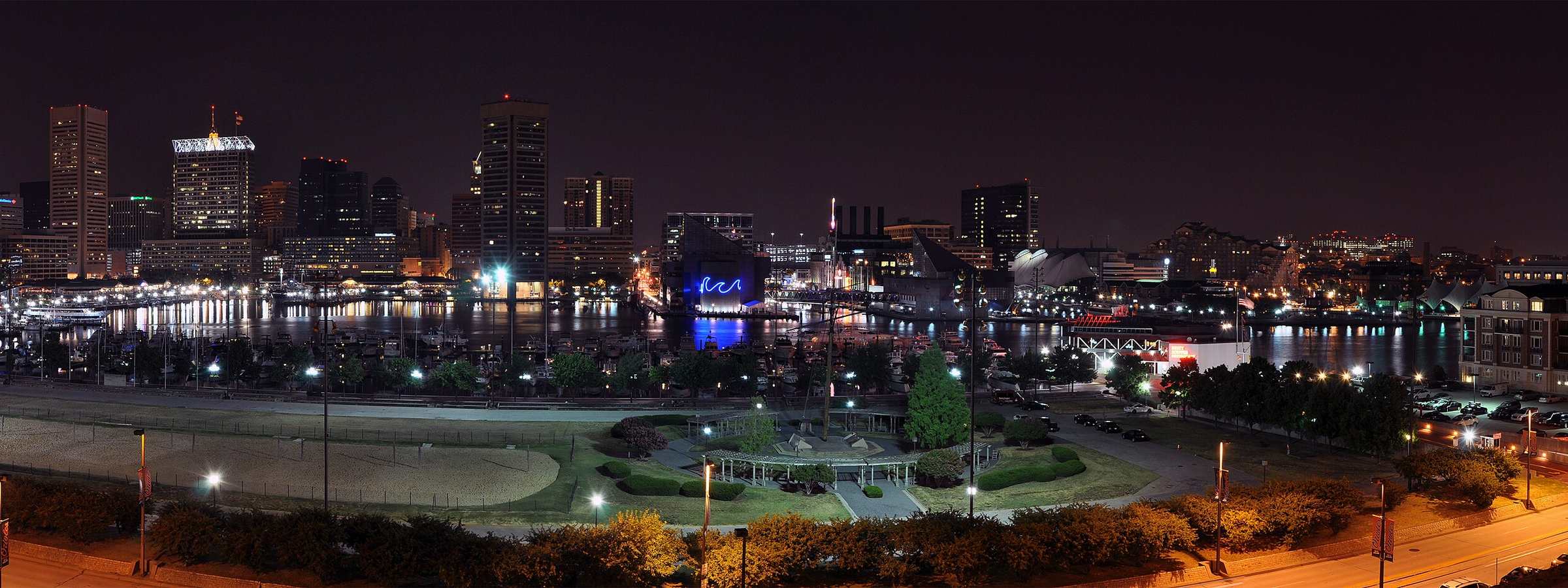
Maryland sits on the Chesapeake Bay, which is the largest estuary in the US — tidal rivers, brackish coves, and shoreline with centuries of maritime activity. The Patuxent, Potomac, and Susquehanna rivers all drain into the Bay and have significant historical infrastructure along their banks. Water clarity varies from clear in upper Bay tributaries to murky in more developed areas.
Is it legal? Maryland DNR manages the Bay watershed and doesn't specifically prohibit magnet fishing, but the Chesapeake and its tributaries are subject to extensive federal and state environmental regulations. The Maryland Historical Trust covers underwater archaeological sites, and the Chesapeake has documented shipwrecks that are off-limits. Check with DNR for specific river access points and any site-specific restrictions.
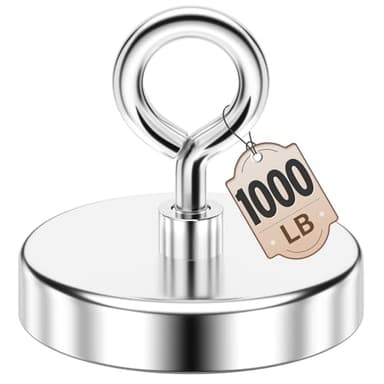
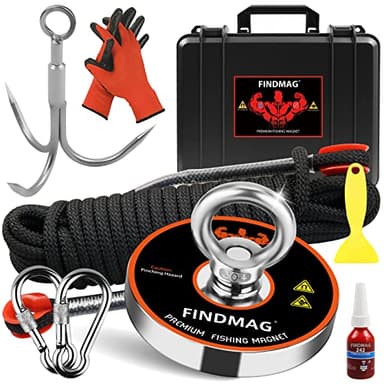
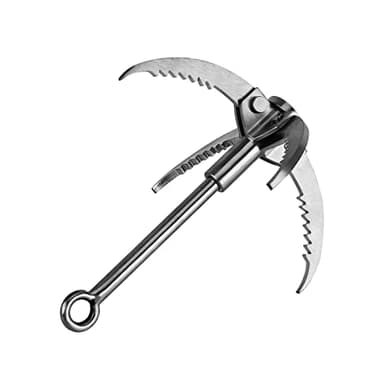
Best magnet fishing gear for Maryland
Best magnet fishing spots in Maryland
1. Potomac River at Harper's Ferry Crossing
Brunswick
This stretch of the Potomac sits downstream from one of the most fought-over river crossings of the Civil War, and people have pulled out everything from horseshoes to iron hardware that's been sitting in that riverbed for 160 years. Access is decent along the C&O Canal towpath, which runs right alongside the river with plenty of pulloffs. Water depth varies a lot here — shallow gravel bars near the banks drop off fast toward the main channel, so stick close to the edges.
2. Potomac River at Fletcher's Cove
Washington D.C. border / Bethesda
Right on the DC-Maryland line, Fletcher's Cove sits along a stretch of the Potomac that's seen everything from Civil War troop crossings to decades of recreational boat traffic. People have pulled out old anchors, horseshoes, spent shell casings, and enough rusty ironwork to fill a truck bed. Access is solid — there's a parking lot, a boat ramp, and you can work the shallows along the bank without wading in deep.
3. Chesapeake and Ohio Canal (C&O Canal) — Locks Section
Harpers Ferry (MD side)
The C&O Canal runs along the Maryland side of the Potomac and is loaded with old iron — lock hardware, mule tow fittings, canal boat remnants, and Civil War-era metal that's been sitting in the silt for 150 years. Access is easy along the towpath and parking is available at multiple trailhead lots. Water is shallow in the lock chambers, usually 3 to 6 feet, which makes retrieval straightforward.
4. Chesapeake and Ohio Canal — Georgetown Feeder Section
Williamsport
The C&O Canal was operational for decades hauling coal and goods, and the lock infrastructure along this stretch means there's a ton of old iron sitting in shallow, slow-moving water — lock hardware, mule chain fragments, boat fittings, that kind of thing. Williamsport has a restored lock house and easy towpath access, which makes it one of the more accessible stretches of the whole canal. Depths in the canal prism run maybe 4-6 feet in most spots, which is honestly ideal for beginners.
5. Chesapeake and Ohio Canal — Great Falls Section
Potomac
The C&O Canal runs 184 miles and the Great Falls section is one of the most historically loaded stretches — lock hardware, old iron fittings, mule shoes, and canal boat debris have all been pulled from these murky waters over the years. The canal is mostly calm and shallow, which makes it unusually beginner-friendly for Maryland. Just know that the National Park Service has jurisdiction here and you'll want to check current rules before you drop a line.
6. Potomac River — Point of Rocks Bridge
Point of Rocks
One of the oldest river crossings on the upper Potomac, with a historic railroad bridge that's been dropping hardware into the water since the 1870s. The bottom is rocky and the current runs fast in spots, so expect a workout, but people have pulled spikes, chain links, tools, and old bolts out of this stretch consistently. Parking off Route 28 is manageable and the bank access is decent.
7. Susquehanna River at Conowingo Dam
Darlington
Below the Conowingo Dam is arguably the most productive magnet fishing water in Maryland — decades of debris getting churned up and deposited downstream, plus old bridge remnants and industrial hardware from the dam construction era. The tailrace area gets churned constantly and resurfaces metal that's been buried for years. Access points exist on both the Maryland side and just across into Pennsylvania, and the parking situation is manageable if you get there early.
8. Inner Harbor — Patapsco River Piers
Baltimore
Baltimore's Inner Harbor is an urban magnet fisher's dream — centuries of maritime activity, working piers, and a waterfront that's changed hands a dozen times means there's layered metal junk going back to the clipper ship era. Finds here have included anchor hardware, dock chains, tools, and the occasional modern item that fell off a boat yesterday. It's brackish water that eats metal fast, so things corrode heavily, but they're still pullable.
9. Patapsco River — Ellicott City Historic District
Ellicott City
Ellicott City has been flooded multiple times in recent years, and every flood scours the Patapsco riverbed and redeposits metal from the old mill town infrastructure upstream. People have found mill machinery fragments, old railroad spikes, and general iron junk that dates back to when this was a serious industrial corridor. The river is accessible from several points near the historic district, though you'll want to check conditions after rain events — it comes up fast.
10. Inner Harbor
Baltimore
Baltimore's Inner Harbor has been a working port for over 300 years and the bottom reflects that — knives, tools, old hardware, chains, and the occasional handgun have all come up here. Access from the Promenade is easy, parking garages are nearby, and the water is fairly shallow close to the bulkhead walls. Keep in mind that the Harbor sees a lot of foot traffic, so expect questions from curious strangers.
11. Susquehanna River — Conowingo Dam Area
Darlington
Conowingo Dam has been blocking the Susquehanna since 1928, and everything the river has carried down from Pennsylvania for nearly a century has settled around that structure. Below the dam, people have found fishing gear mountains, old tools, chains, and boat hardware. The tailrace area gets heavy foot traffic from anglers so access is well-worn, and there's a proper parking lot at the dam overlook.
12. Inner Harbor — Middle Branch
Baltimore
The Middle Branch of the Patapsco in south Baltimore is a working waterfront with a long industrial history, and the bottom reflects that — old dock hardware, mooring anchors, ship fittings, and a fair amount of modern junk mixed in. Access is solid via the Middle Branch Park waterfront, and parking is free on weekends. It's brackish water this close to the Bay, which means anything ferrous that's been down there for a while is going to be in rough shape, but quantity-wise this spot delivers.
13. Patuxent River at Queen Anne Bridge
Upper Marlboro
The Patuxent is one of Maryland's longest rivers entirely within the state, and the old Queen Anne Bridge area has seen enough traffic over the decades to seed the riverbed with dropped and discarded metal. Coins, tools, and fishing gear are common pulls, and the water stays relatively calm and accessible from the bridge banks. Parking is limited but manageable on the shoulder.
14. Antietam Creek — Route 34 Bridge
Sharpsburg
Antietam Creek flows through some of the most fought-over ground in the Civil War, and the Route 34 crossing is one of the oldest bridge sites in the area. People have found musket hardware, horseshoe iron, and general 19th-century metal in this creek — though anything that looks like an artifact needs to go through the Maryland Historical Trust, not your gear bag. Water is shallow, usually knee-deep in summer, and access from the road shoulder is simple.
15. Antietam Creek
Sharpsburg
Antietam Creek runs right through the Antietam National Battlefield, and the area saw some of the heaviest fighting of the Civil War in September 1862 — which means there's genuine historical material in and around this waterway. That said, the National Park Service and Maryland Historical Trust both have jurisdiction here, so you need to do your homework on exactly where you're allowed to fish before you drop a magnet in. Areas outside the battlefield boundary are less restricted and still productive given the overall history of the corridor.
16. Antietam Creek at Burnside Bridge
Sharpsburg
Burnside Bridge is one of the most significant Civil War sites in the country, and Antietam Creek below it has yielded belt buckles, musket hardware, and iron fragments that researchers believe date to the 1862 battle. The Antietam National Battlefield is managed by the National Park Service, and finds here may fall under federal archaeological protection — check before you pull anything and report anything that looks like ordnance immediately. That said, downstream of the park boundary the creek is more open and still historically interesting.
17. Rock Creek — Beach Drive Bridges
Rockville
Rock Creek runs through a long park corridor north of DC with multiple old stone and concrete bridges that have been shedding hardware and collecting tossed metal for decades. Urban creeks like this accumulate a weird mix — old tools, knives, padlocks, bike parts — and the park setting means decent access without the chaos of a busy waterfront. Depth runs 1 to 4 feet depending on the season.
18. Wicomico River — Salisbury Waterfront
Salisbury
The Wicomico runs right through downtown Salisbury and has a working waterfront with old dock infrastructure, collapsed piers, and decades of general urban river accumulation on the bottom. It's tidal this far down, so there's enough water movement to keep things interesting without the current being dangerous. The City Park riverfront area gives you walkable access and decent parking, and the water clarity is low enough that whatever you're pulling out will genuinely surprise you.
19. Gunpowder River at Jericho Covered Bridge
Jerusalem
The historic Jericho Covered Bridge crosses the Gunpowder River and the surrounding area draws magnet fishers because old bridge crossings accumulate lost and discarded metal over generations. The river is clear and relatively shallow here, which makes spotting your drops and retrieves easier than most Maryland spots. It's a pretty spot too, which means you'll share the area with hikers and photographers — not a problem, just something to know.
20. Chesapeake Bay — North Beach Pier
North Beach
North Beach has an old public fishing pier that juts into the Bay, and the bottom around old pilings is where lost tackle, dropped tools, and general pier debris accumulates over years. The Bay's brackish water corrodes things fast but also preserves the shape of heavier iron surprisingly well. Parking is right at the pier and the spot is openly accessible during park hours.
21. Monocacy River — Frederick Crossing
Frederick
The Monocacy saw action during the Civil War and has multiple old bridge crossings along its length, which means there's old bridge hardware, military equipment fragments, and general historic iron scattered through this watershed. The stretch near Frederick has good public access via Monocacy Natural Resources Management Area, and the river runs relatively clear in dry conditions, which lets you actually see what you're working over. Depths are moderate — knee to chest deep in most wading spots.
22. Severn River at the Naval Academy Bridge
Annapolis
The Severn empties into the Chesapeake right at Annapolis and the stretch near the Route 450 bridge has decades of boat traffic, dropped gear, and shoreline activity behind it. The tidal influence here is strong and the brackish water accelerates corrosion, so metals corrode faster than in freshwater but the finds are real. There's parking near the bridge and bank access on the upstream side.
23. Monocacy River — Baker Valley Road Bridge
Frederick
The Monocacy saw heavy Civil War traffic and multiple skirmishes, and its bridges have been rebuilt on old footings that still carry historical metal around their bases. The river is calm here, maybe 4 to 6 feet at the bridge, and the bottom is a mix of sand and mud that tends to hold finds rather than wash them downstream. It's a low-traffic spot compared to the more famous Potomac sites, which means less competition.
24. Bush River — Aberdeen Proving Ground Adjacent
Havre de Grace
The upper Chesapeake around Havre de Grace and the Bush River has a wild mix of colonial-era maritime history and 20th-century military activity given the proximity to Aberdeen Proving Ground — and the civilian waterfront areas here have been active since the 1600s. Old dock remnants and anchor chains are the most common finds, but people have pulled some genuinely weird military surplus hardware from the civilian marinas in this area. Stay well clear of any restricted water near the Proving Ground itself.
25. Northeast River at the Route 40 Bridge
North East
The Northeast River feeds into the upper Chesapeake Bay and the Route 40 bridge crossing has been a busy corridor for a long time — old hardware, fishing weights, and boat-related metal are consistent finds in this area. The upper Bay location means the water has that characteristic brackish corrosion effect, which can make finds look rougher than they are but also signals real age on some pieces. Bank access is workable on both sides of the bridge.
26. Patuxent River — Wayson's Corner Bridge (Route 4)
Wayson's Corner
The Patuxent is one of Maryland's longer tidal rivers and the Route 4 bridge at Wayson's Corner is an old crossing with a history of vehicle and boat traffic that's deposited a solid layer of metal in the mud below. The tidal influence here means water levels shift a few feet through the day, so timing your session around low tide gives you more bottom to work. Finds tend to run toward tools, hardware, and old vehicle parts.
27. Patuxent River — Upper Marlboro Bridge Area
Upper Marlboro
The Patuxent is one of Maryland's longest rivers and the stretch near Upper Marlboro has several old bridge crossings with accumulated hardware on the bottom going back over a century. It's a slower, murkier river than the Potomac, which means stuff stays put once it sinks — people have found old farm equipment parts, anchor chain, and general iron debris that clearly came off old bridge construction. Riverbank access near the Route 301 bridge area is manageable, though you're parking on road shoulders so be smart about it.
28. Monocacy River at the National Battlefield Bridge Crossing
Frederick
The Monocacy River was the site of a significant Civil War delaying action in 1864, and the river crossings used during that battle have been a source of historically significant metal finds over the years. Like Antietam, parts of this area fall under protected status, so you need to know where the battlefield boundary sits before you set up. Outside those boundaries, the Monocacy is a moderate-depth river with good bank access and a real history of yielding old iron.
29. Gunpowder Falls — Big Gunpowder Bridge (Route 1)
Joppa
The Route 1 crossing over the Big Gunpowder has been a major road corridor for over a century, and the falls downstream of the bridge have been collecting dropped and tossed metal the whole time. It's a popular fishing spot, which means there's also a mountain of lost tackle mixed in with older finds, but the occasional heavier piece makes the session worth it. Bank access is workable on both sides and there's roadside parking nearby.
Magnet fishing in Maryland — FAQ
Is magnet fishing legal in Maryland?+
Do I need a permit to magnet fish in Maryland?+
What pull force do I need for Maryland's rivers and the Bay area?+
How long should my rope be for Maryland waterways?+
Can I magnet fish in the Chesapeake Bay itself?+
What should I do with stuff I pull out of Maryland waterways?+
Is the water clarity in Maryland rivers bad enough to matter for magnet fishing?+
Here are some magnet fishing finds in Maryland
- Guns: In 2020, a man named Joey Cloak went magnet fishing in a creek near his home in Maryland and discovered two guns - a .357 revolver and a 9mm pistol. Both guns were rusted and appeared to have been in the water for a long time.
- Safe: In 2019, a group of magnet fishers in Maryland discovered a large safe while fishing in a creek. They pulled the safe out of the water and cracked it open, but unfortunately, it was empty.
- Bicycles: Magnet fishers in Maryland have also discovered a number of bicycles while fishing in local waterways. In 2018, a man named Dave McCoy went magnet fishing in a creek and found a bicycle that had been stolen from him years earlier.
- Tools: Magnet fishers in Maryland have discovered a variety of tools while fishing, including wrenches, pliers, and hammers. These items are often covered in rust and may have been in the water for a long time.
- Jewelry: Magnet fishers have reported finding a variety of jewelry items, including rings, necklaces, and bracelets. While some of these items may be valuable, many are rusted or damaged from being submerged in water for long periods of time.
- Car parts: Magnet fishers have reported finding a variety of car parts, including wheels, axles, and engine components. These items may be discarded or stolen parts that have been dumped in local waterways.
- Historical artifacts: In some cases, magnet fishers in Maryland have discovered historical artifacts while fishing. For example, a man in the town of Elkton reported finding a Civil War-era cannonball while magnet fishing in a nearby creek.
- Trash and debris: Unfortunately, magnet fishers in Maryland (and elsewhere) often find a lot of trash and debris while fishing. While not as exciting as some of the other items on this list, cleaning up trash and debris is an important part of keeping local waterways clean and healthy.
Looking for more magnet fishing spots near Maryland? Check out our guides for Delaware, Pennsylvania, Virginia, and West Virginia — all neighbouring states with their own rivers, lakes, and access points worth exploring.
Best Magnet Fishing Magnets
Find the best magnet for magnet fishing — from 500 lb beginner picks to 2,000 lb+ heavy hitters.
Find your magnet →Best Magnet Fishing Accessories
Rope, gloves, grappling hooks, buckets, and more — the magnet-fishing accessories that actually matter.
Browse accessories →Best Magnet Fishing Kits
Looking for the best magnet fishing kit? Top picks that bundle a strong magnet, rated rope, and gloves.
See the kits →Pulled something good out of Maryland's water?
We're always adding new spots and finds. Share your favorite Marylandlocation or your best haul and we'll feature it on the site.