

Indianapolis Magnet Fishing Spots: A Local's Guide to Hidden Treasures
Check out our How to Start Magnet Fishing: A Beginner’s Guide for all the newbie tips!
Top Magnet Fishing Spots in Indianapolis
1. White River at White River State Park
Location: Downtown Indianapolis, near the Indianapolis Zoo and NCAA Hall of Champions This is probably the most popular spot in the city, and for good reason. The White River runs right through downtown, and the state park section offers easy access with paved paths, nearby parking, and enough water depth to make things interesting. Why It Works: The area around the old Washington Street Bridge has seen a lot of traffic over the past century. Factory runoff, flooding debris, and the general chaos of urban life means there's metal down there. Common finds include old tools, fishing gear, and the occasional bicycle frame. One guy I met pulled up an antique wrench that looked like it was from the 1940s. Accessibility: Excellent. Paved walkways, restrooms nearby, and parking in the state park lots. Great for families with younger kids who need bathroom breaks every 20 minutes. Pro Tip: The water moves faster here after rain, so hit it during dry spells when visibility improves and currents slow down. Also, watch for kayakers—they're not always thrilled when a magnet lands near them. Nearby: The Indianapolis Zoo, IUPUI campus, and plenty of food options on West Street.
2. Fall Creek at Keystone Avenue
Location: Broad Ripple area, accessible from the Monon Trail Fall Creek runs through one of Indy's most eclectic neighborhoods, and the stretch near Keystone has been collecting debris for decades. The Monon Trail crosses right over the creek, giving you easy access to several throwing spots. Why It Works: This area mixes old residential history with light industrial zones upstream. The creek bottom tends to hold onto things—I've pulled up old signage, automotive parts, and what I'm pretty sure was half of a vintage lawnmower. The water's usually calm enough for beginners. Accessibility: Good. Street parking along the Monon, and the trail itself is paved. The banks can get muddy after rain, so bring boots. Pro Tip: Early mornings on weekdays are your best bet. By Saturday afternoon, the trail gets packed with joggers and cyclists who don't appreciate magnet fishers blocking the path. Nearby: Broad Ripple restaurants and shops are walking distance. The Monon Trail connects to other spots if you want to explore.
3. Central Canal Downtown
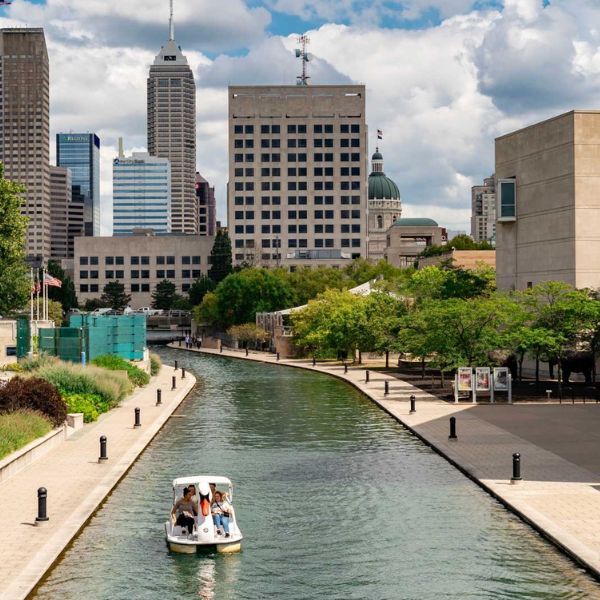
Location: Runs from 11th Street down past the State Museum The Central Canal is basically a long, slow-moving stretch of controlled water running through downtown. It's shallow in most places (three to six feet), which makes retrieval easier and gives you a better sense of what you're pulling. Why It Works: The canal sees thousands of visitors during events, and over the years, people have dropped everything from phones to jewelry to random metal objects. It's also old—construction started in the 1830s—so you occasionally find historical artifacts mixed in with modern junk. Accessibility: Extremely good. The towpath is paved, there's parking at the State Museum and along West Street, and restrooms are available at multiple points. Pro Tip: Avoid major event days. When there's a concert at the amphitheater or a festival downtown, the crowds make magnet fishing impractical. Plus, security gets twitchy about people throwing things into the water. Nearby: Indiana State Museum, White River State Park, and the NCAA Hall of Champions.
4. Eagle Creek Reservoir
Location: This is the big one—literally. Eagle Creek Reservoir covers over 1,300 acres, and while that might sound overwhelming, the fishing areas and boat ramps offer accessible spots where debris tends to accumulate. Why it Works: Boats lose stuff. Anglers break lines with lures attached. Over the decades, plenty of metal has ended up on the reservoir bottom, especially near the docks and popular fishing piers. The water's cleaner than the urban creeks, which is nice, though it also means fewer industrial artifacts. Accessibility: The park charges an entry fee ($5–$7 depending on residency), but once you're in, there's good parking near the beach areas and boat ramps. The banks are natural, so stability can vary. Pro Tip: The boat ramp at the south end sees heavy traffic and tends to accumulate the most lost gear. Weekday mornings give you the best combination of light crowds and calm water. Nearby: Trails for hiking, a beach for swimming (in season), and picnic areas throughout the park. Make it a full family day. Related: Thinking about fishing from a boat dock? Read up on Magnet Fishing Safety Tips before you go.
5. Pleasant Run Creek (Garfield Park Area)
Location: South Indianapolis, accessible from Garfield Park Pleasant Run is smaller than the other waterways on this list, but it runs through one of the city's oldest parks and has decades of history sitting at the bottom. The creek section near the conservatory is particularly accessible. Why It Works: Garfield Park opened in 1881. That's over 140 years of people walking along this creek, dropping things, throwing things, and losing things. The shallower depth makes it easier to spot your catches before you haul them up. Accessibility: Decent. Parking at the park, though the banks can be steep in places. Better for adults or older kids who can handle uneven terrain. Pro Tip: The area around the stone bridges tends to collect the most debris. Something about the structural changes in water flow creates natural collection points. Nearby: Garfield Park Conservatory (free!), playgrounds, and a sunken garden that's actually worth checking out.
6. White Lick Creek (Plainfield)
Location: Just west of Indianapolis in Plainfield, near Hummel Park Technically this is outside city limits, but it's close enough to include. White Lick Creek runs through several parks in Hendricks County and offers a different vibe from the urban spots—quieter, less crowded, and with its own set of historical deposits. Why It Works: The area around Plainfield has old mill sites and was a stop on the old National Road. Some of the metal finds here trend older and more interesting than typical urban debris. The water's usually calmer, which beginners appreciate. Accessibility: Good. Hummel Park has parking and restrooms. The trails are mostly paved or well-maintained gravel. Pro Tip: Go after a storm system passes through. The creek levels rise and then drop, sometimes exposing spots that were previously too deep to reach effectively. Nearby: Plainfield's trail system connects to other parks if you want to explore multiple spots in one trip.
Essential Tips for Magnet Fishing in Indianapolis
Check Before You Throw Most public waterways in Indiana allow magnet fishing, but individual parks can have their own rules. Eagle Creek charges admission. Some spots restrict access during certain events or seasons. Five minutes of research beats an awkward conversation with a park ranger. For state-level regulations, check out our Indiana magnet fishing guide to understand what's allowed and where. Gear for Urban Waters Indianapolis waterways tend toward murky. You're often working blind, pulling up whatever sticks without seeing it first. A stronger magnet helps—urban debris can get wedged under rocks or caught in old structures. I'd recommend at least 500 lbs of pull force for these spots, though 800+ makes life easier. Heavy-duty gloves are non-negotiable. Rusty metal, broken glass (that sometimes clings to magnetic debris), and mystery gunk are all part of the experience. Your hands will thank you. The Buddy System Works Urban magnet fishing is more fun with company anyway, but having someone around adds a safety margin. River banks can be slippery. Sometimes you hook something heavy enough that two people need to haul it. And honestly, it's just more enjoyable to have someone there when you pull up something weird. Clean Up What You Find This is a big one. Part of what makes magnet fishing valuable is that we're removing junk from the waterways. Bring trash bags, have a plan for disposal, and take out everything you pull up—even the boring stuff. Indy has scrap metal recycling facilities that'll take most of what you find, and some will even pay you for larger hauls. Related: Not sure what to do with that old bike frame? Here's our guide on How to Dispose of Magnet Fishing Finds. Weather Matters More Than You'd Think Indiana weather is... changeable. Check the forecast before heading out. Rain in the past 24 hours means faster currents and lower visibility. Extreme heat makes standing on exposed banks miserable. Early spring and fall tend to offer the best conditions—moderate temperatures, lower water levels, and fewer mosquitoes.
-
![Magnetpro 1700LB Neodymium Fishing Magnet]()
1700LB Neodymium Fishing Magnet
$40Read the Review -
![Grtard 1000LBS Double Sided Kit]()
1000LBS Double Sided Kit
$27Read the Review -
![VNDUEEY 760LBS Kit]()
760LBS Kit
$23Read the Review -
![DTLHCNCT 1000LB Fishing Magnet Kit]()
1000LB Fishing Magnet Kit
$28Read the Review -
![FINDMAG Double Sided 2625LB Kit]()
Double Sided 2625LB Kit
$52Read the Review


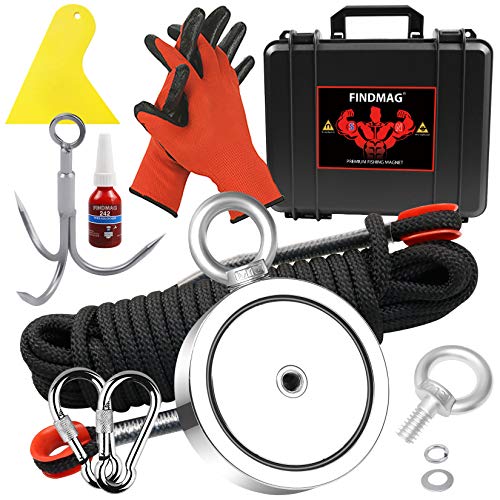
Need gear to get started? Check out our guides to the best magnet fishing kits, top-rated magnets for every budget, and essential accessories that'll make your trips way more fun—I've tested everything so you don't have to!
Do I need a permit for magnet fishing in Indy parks?
No specific magnet fishing permit exists for Indianapolis. However, you'll need to pay park entrance fees where applicable (like Eagle Creek), and you should follow general park rules about access and debris removal. State parks sometimes have additional regulations, so check with park staff if you're unsure.What can I find magnet fishing in Indianapolis?
Common finds include fishing tackle, bike parts, tools, old coins, automotive debris, and assorted hardware. The urban waterways also turn up more unusual items—vintage signage, antique equipment, and occasionally items of historical interest. Indianapolis's industrial past means some spots produce factory-era artifacts. You'll also pull up plenty of modern junk: scooters, shopping carts, and an alarming number of phones.Is magnet fishing legal in Indianapolis?
Generally, yes. Indiana doesn't have statewide restrictions on magnet fishing, and most public waterways in Indianapolis allow it. However, individual parks may have rules—Eagle Creek Park requires admission, and some conservation areas restrict certain activities. Always check signage at your specific location, and if you find anything that looks like a weapon or historical artifact, contact local authorities.
List of Services
- Best Magnet Fishing Magnets
Looking for the best magnet fishing magnets? We break down top neodymium options by pull force — from budget 150lb picks to 2000lb 360-degree magnets for serious use.Best Magnet Fishing Magnets
- Best Magnet Fishing Accessories
Rope, gloves, grappling hooks, and more — the best magnet fishing accessories picked for real-world use. No filler, just gear that actually works on the water.Best Magnet Fishing Accessories
- Best Magnet Fishing Kits
Find the best magnet fishing kit for your skill level. Beginner, mid-range & premium picks with pull force ratings, what's included, and honest takes.Best Magnet Fishing Kits