

Top Pittsburgh Magnet Fishing Spots for Beginners
So if you're new to this whole thing, here's the quick rundown. Magnet fishing is basically exactly what it sounds like. You tie a strong neodymium magnet to a rope, throw it into the water, and drag it along the bottom to see what metal sticks to it. People have pulled up old guns, antique tools, coins, padlocks, anchors, railroad spikes, and yes, approximately one million rusty bolts. It's part treasure hunt, part history lesson, and part excuse to hang out by the water all day. Honestly it's one of the most fun hobbies I've stumbled into.
Pittsburgh is genuinely one of the best cities in the whole country for this stuff. You've got three major rivers meeting right in the middle of a city with hundreds of years of industrial history baked into the riverbeds. Steel mills, barges, steamboats, bridges, and forts going back to the 1750s, it all had to go somewhere. And a lot of it went to the bottom of these rivers. I've put together six spots around Pittsburgh that I think give you the best shot at pulling up something cool, whether you're brand new or you've already got a rope callus forming on your throwing hand.
Check out our How to Start Magnet Fishing: A Beginner’s Guide for all the newbie tips!

Top Magnet Fishing Spots in Pittsburgh
Here are the six spots I'd send any Pittsburgh magnet fisher to first. They've got the right combination of history, water flow, accessibility, and sheer amount of stuff that's probably sitting down there waiting for you.
Point State Park (Allegheny and Monongahela River Confluence)
Why It's Great: This is the spot in Pittsburgh, no question. You're standing at the exact point where the Allegheny and Monongahela Rivers slow down and merge to form the Ohio River, and when fast water suddenly slows like that, heavy metal objects sink and stay put. On top of the crazy hydrology, this area has been continuously occupied and trafficked since Fort Duquesne was built here in the 1750s, so the history layered into this riverbed is no joke. Bridges, docks, wharves, steamboats, centuries of foot traffic, it's all contributed to what's sitting on that bottom.
Accessibility: This is a fully developed Pennsylvania state park right in downtown Pittsburgh with paved paths, parking nearby, and clean restrooms. It's a great family outing spot even before you toss a single magnet.
Pro Tip: Focus your casts near the actual confluence point where the water visibly slows. That's where heavy stuff settles. Also if you can go on a weekday you'll have a lot more elbow room to work with.
Nearby Perks: You're in downtown Pittsburgh, so food and drink options are everywhere within a short walk. The park itself is a great place to let the kids run around while you're gearing up.
Mon Wharf Landing (Monongahela River, Downtown South Bank)
Why It's Great: Before Mon Wharf Landing became a linear park in 2009, this stretch of the Monongahela was used for barge staging, which means decades of industrial and commercial river activity right here. Dropped tools, hardware, anchor components, mooring equipment, it all had a chance to go over the side. The Smithfield Street Bridge runs directly overhead, which is another massive bonus because bridges are basically metal drop zones.
Accessibility: It's a public linear park with a paved trail and direct riverfront access. The Mon Wharf Switchback Ramp connects you down from the Smithfield Street Bridge, and the whole area is pretty easy to navigate with kids in tow.
Pro Tip: Cast close to where the bridge pilings meet the water. Bridge pilings accumulate debris and snag all kinds of metal objects that drift by or get dropped from above. That zone is almost always productive.
Nearby Perks: You're right on the edge of downtown with tons of restaurants and coffee shops nearby. Perfect for a post-fishing lunch to celebrate whatever gnarly thing you just pulled out of the Mon.
Allegheny Landing Park (Allegheny River, Cultural District)
Why It's Great: Allegheny Landing has been a public riverfront park since 1984, which means decades of people walking, cycling, and generally existing near the water's edge with things falling out of their pockets. It sits right along the Allegheny in the Cultural District near multiple downtown bridges, and it's part of the two-mile ArtWalk on the Allegheny corridor connecting Point State Park to the Strip District. High foot traffic over many years equals a higher chance of dropped stuff on the bottom.
Accessibility: Totally public, paved riverfront access in the Cultural District. Easy walk from downtown Pittsburgh and very family friendly.
Pro Tip: Work your way along the seawall and cast parallel to it rather than straight out. Items dropped from the bank or nearby walkways tend to land close to the wall rather than out in the middle of the river.
Nearby Perks: The Cultural District is right there, so you've got theaters, restaurants, and coffee shops within easy walking distance. Good spot to grab dinner after a productive afternoon on the river.
South Shore Public Boat Dock (Monongahela River, South Shore)
Why It's Great: Active boat docks are basically treasure chest lids. People are constantly loading and unloading gear, tying up lines, and generally fumbling around on the water, and stuff goes overboard all the time. Keys, tools, fishing gear, dock hardware, anchors. This public dock on the Monongahela South Shore has tie-ups for both large and small motorized boats, so there's a real mix of boating activity happening here regularly.
Accessibility: Public boat dock with open waterfront access, seating, and lighting along a developed riverfront trail. Paved access makes it manageable with a wagon full of gear and a couple of kids.
Pro Tip: Focus near the actual tie-up points and along the bulkhead wall. That's where boats come in close and where people are most likely to drop metal items directly into the water.
Nearby Perks: The South Shore has trail connections along the riverfront, so you can make a full day of it with a bike ride before or after your fishing session.
Highland Park Dam (Allegheny River, Highland Park)
Why It's Great: Dams are fantastic for magnet fishing because water slows dramatically just upstream of the structure, and anything heavy that's been traveling downstream essentially stops and sinks right there. The Allegheny River in this section is noted for being calmer and clearer than other parts of the city, and water levels fluctuate enough that shallow areas can get exposed, making retrieval a lot easier. USA Today and Game and Fish Magazine have both called this a top Pennsylvania fishing spot, so it gets good foot traffic from anglers too.
Accessibility: Access is via the Highland Park area roads and the Allegheny Riverfront Green Boulevard corridor. Parking is likely available at nearby Highland Park. This one is better suited for folks with a little experience since you want to stay cautious near dam structures.
Pro Tip: The upstream side of the dam is where heavy metal objects accumulate most. Keep a solid grip on your rope, give yourself plenty of line, and never wade near the dam itself. Safety first on this one.
Nearby Perks: Highland Park itself is right there with a public pool, trails, and the Pittsburgh Zoo nearby. Full day trip material if you've got the crew with you.
Washington's Landing Marina (Allegheny River, Strip District Island)
Why It's Great: Marinas are some of the most reliably productive magnet fishing spots out there, and Washington's Landing on the Allegheny River is a legit active marina with regular boating traffic. The island setting means water moves around the entire perimeter, which creates natural settling zones for heavy objects on multiple sides. Dropped boat hardware, lost tools, keys that went overboard during a stressful docking attempt, it all adds up over years of marina activity.
Accessibility: Washington's Landing is an island development on the Allegheny River accessible via a bridge from the Strip District. There's a public waterfront drive with parking and it's a reasonably family-friendly area to spend a few hours.
Pro Tip: Focus your casts near the dock finger piers where boats tie up. That's where the highest concentration of drop activity happens. Early morning before boat traffic picks up is a great time to work this spot without being in anyone's way.
Nearby Perks: The Strip District is just across the bridge and it's one of Pittsburgh's best neighborhoods for food, coffee, and markets. Reward yourself after a good haul with a sandwich from one of the delis over there.
Essential Tips for Magnet Fishing in Pittsburgh
Safety first, and I say that as someone who has absolutely gotten too excited and leaned too far over a railing. Always anchor yourself before casting, especially on bridges and elevated platforms. If you're visiting Highland Park Dam or any dam structure, please keep your distance from the water directly adjacent to the dam. Dams create unpredictable currents and turbulence that you do not want to be near. Tell someone where you're going, especially if you're heading out solo.
Pittsburgh's three rivers fluctuate a lot in terms of water level, and that actually works in your favor if you time it right. Lower water levels, which can happen especially near the Highland Park Dam area, expose shallower zones where metal objects are easier to reach and retrieve. Spring snowmelt can shift and redistribute settled objects, which sometimes means stuff that's been buried for years suddenly becomes accessible. Check river conditions through Friends of the Riverfront or the Army Corps of Engineers before you head out.
Seasonally speaking, spring and fall are generally your most productive windows in Pittsburgh. Summer is totally comfortable and you get long daylight hours, which is great for spending a full day hopping between spots. Winter access can get sketchy near dam structures and fast-moving water when ice forms, so use your judgment and honestly just wait for a warmer day. The stuff on the bottom isn't going anywhere.
Please pack out everything you pull up, even the stuff you don't want. A rusty chunk of unidentifiable metal still doesn't belong back in the river. Bring a trash bag or a bucket, and if you pull up something that looks like it could be significant, like an antique or something that could be evidence of anything, handle it right. There are reporting guidelines for unusual finds and it's worth knowing them before you go.
This is such a good activity to do with kids, and Pittsburgh's riverfront parks make it easy. Point State Park, Mon Wharf Landing, and Allegheny Landing are all comfortable, paved, and have enough space for little ones to roam while you're casting. Pack snacks, bring sunscreen, and honestly just lower your expectations for how much fishing you'll actually get done when a seven-year-old is along for the ride. That's fine. Half the fun is watching them lose their minds when something clanks onto the magnet.
Always wear gloves when handling your finds. Rusty metal has edges you can't always see, and river gunk is, well, river gunk. A good pair of cut-resistant gloves is probably the single best safety investment you can make after the magnet itself. Also bring a bucket of water to rinse things off before you try to identify them, because stuff that looks like a random lump of rust can turn out to be something genuinely cool once you get the mud off.
Recommended Gear for Pittsburgh Adventures
After testing way too much equipment over the past couple years, here's what actually works well for Pittsburgh's spots:
-
![Magnetpro 1700LB Neodymium Fishing Magnet]()
1700LB Neodymium Fishing Magnet
$40Read the Review -
![Grtard 1000LBS Double Sided Kit]()
1000LBS Double Sided Kit
$27Read the Review -
![VNDUEEY 760LBS Kit]()
760LBS Kit
$23Read the Review -
![DTLHCNCT 1000LB Fishing Magnet Kit]()
1000LB Fishing Magnet Kit
$28Read the Review -
![FINDMAG Double Sided 2625LB Kit]()
Double Sided 2625LB Kit
$52Read the Review


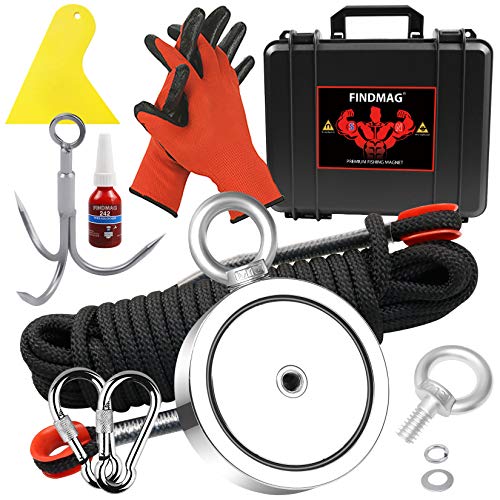
Need gear to get started? Check out our guides to the best magnet fishing kits, top-rated magnets for every budget, and essential accessories that'll make your trips way more fun—I've tested everything so you don't have to!
What can I find magnet fishing in Pittsburgh?
Pittsburgh's rivers were the backbone of one of America's biggest industrial eras, so the riverbeds are loaded with history from centuries of steel production, barge traffic, and bridge construction. You could pull up old industrial hardware, tools, anchors, and boat parts that have been sitting down there since the mill days. Like any urban waterway, you'll also find the usual suspects like bike frames, fishing tackle, and miscellaneous junk. Do the rivers a solid and haul out whatever you find, not just the cool stuff.Do I need a permit for these spots?
Most public parks and riverfront access points in Pittsburgh don't require a special permit just to go magnet fishing. That said, some spots are managed by the Pennsylvania Fish and Boat Commission or private nonprofits, and they might have their own rules. If you're hitting a new spot for the first time, it's always smart to check with local authorities or the managing organization before you drop your magnet in. A quick call or email can save you a headache and keeps the hobby in good standing for everyone.Is magnet fishing legal in Pittsburgh?
Magnet fishing in Pittsburgh's public waterways is generally fine, but you'll want to check the rules for each specific spot since the riverfront parks are managed by a mix of city, state, and private organizations. Some areas along the Three Rivers Water Trail are overseen by Friends of the Riverfront, so it's worth reaching out to them or checking the city's recreation website before you head out. Private property is always off-limits, so stick to public access points. When in doubt, just ask a park staffer and they'll point you in the right direction.
List of Services
- Best Magnet Fishing Magnets
Looking for the best magnet fishing magnets? We break down top neodymium picks by pull force — from budget 150 lb starters to serious 2000 lb N52 magnets.Best Magnet Fishing Magnets
- Best Magnet Fishing Accessories
The best magnet fishing accessories in 2024 — rope, gloves, grappling hooks, and other gear worth having. Honest picks from someone who actually uses this stuff.Best Magnet Fishing Accessories
- Best Magnet Fishing Kits
Looking for the best magnet fishing kit? We rank the top kits by skill level — beginner, mid-range, and premium — with honest picks for every budget.Best Magnet Fishing Kits