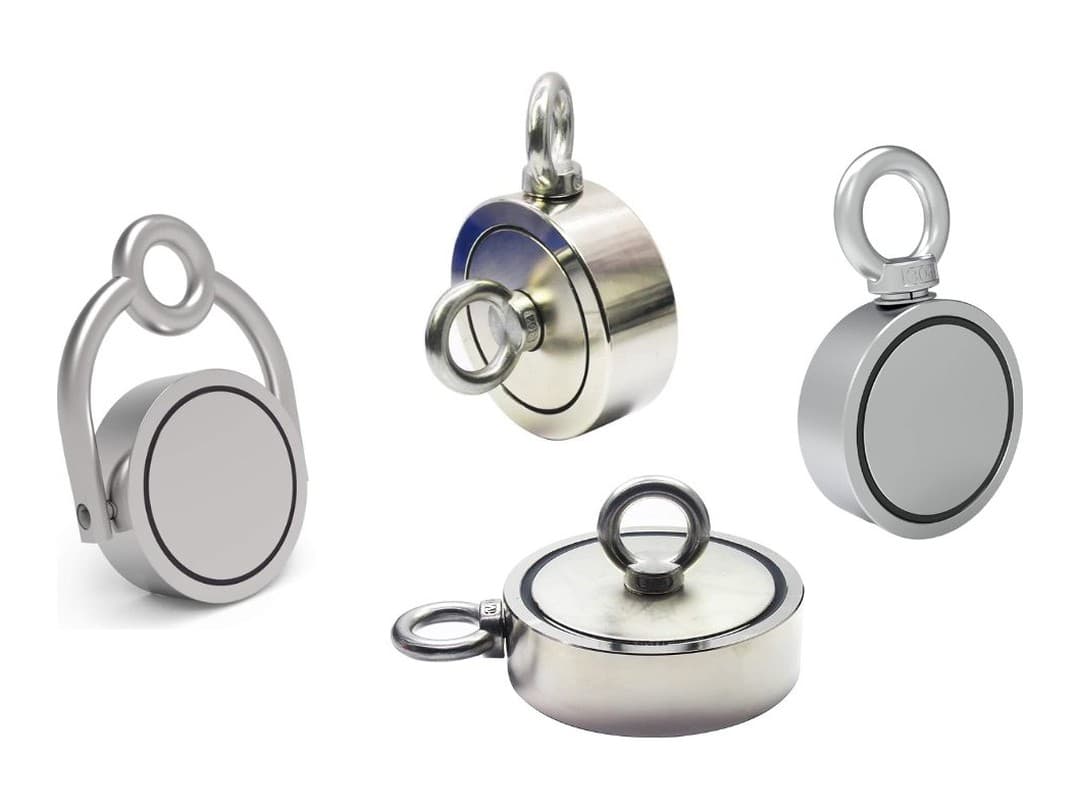
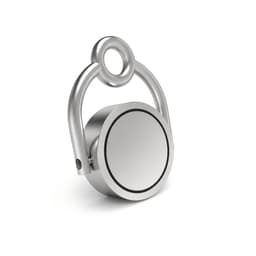
FINDMAG 1200 LB Magnet — Worth the Extra $2?
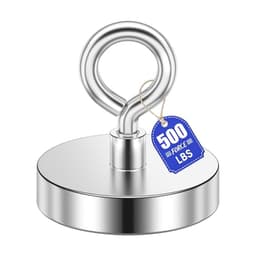
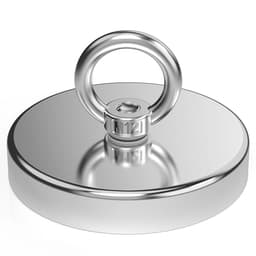
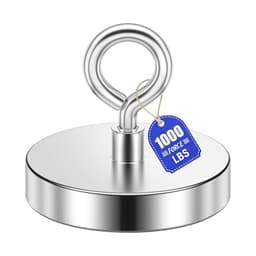
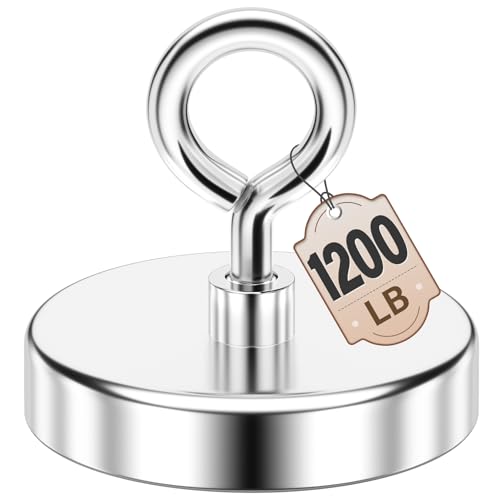
The FINDMAG 1200 LB magnet gives you a 200-pound pull advantage over the standard 1000 LB version for literally two dollars more. Same brand, same build — just a bit more grip on whatever's sitting down there.
Two dollars. That's the price difference between the FINDMAG 1000 LB and this one. I saw that and honestly just laughed a little — like, what's the argument for not getting the bigger one?
The 1200 LB rating isn't going to matter on every single drop. Most spots you're pulling up rusted hooks and the occasional bike wheel, and a 1000 LB magnet handles that just fine. But if you're working somewhere heavier — old dock hardware, submerged tool boxes, whatever's sitting under a bridge that gets a lot of traffic — that extra pull force is there when you need it.
This is the one I'd point a newer magnet fisher toward if they've already outgrown a starter kit and don't want to spend big to step up.
I want to be upfront about something: I spent a weirdly long amount of time thinking about whether two dollars is actually a meaningful difference. Like, I'm standing in my garage holding both product pages up on my phone trying to talk myself into a philosophical position on this. It's $2. I've lost more than that in a parking meter.
So here's what actually happened when I started using this magnet regularly. I'd been running a 1000 LB single-sided for a while — mostly bridges, a few canal spots — and it was fine. It did the job. But I dropped this FINDMAG into a spot under an old rail bridge outside of town, one of those places where you can tell there's been serious junk accumulating since probably the 1960s, and it came up with a chunk of iron gate hardware that was genuinely heavy. Not stuck-to-the-bottom heavy, but the kind of thing where I could feel the magnet working for it. My old 1000 LB setup had passed over that spot before and come up empty. Maybe the angle was different. Maybe I got lucky. But I noticed.
That's kind of the whole case for this magnet.
It's not like you're going to feel the difference on a crushed beer can. The extra 200 LBs of rated pull is doing nothing for you there. But rated pull force and real-world pull force aren't the same thing — anyone who's been doing this for a minute knows that — and having more headroom built into the rating means you're operating closer to the middle of the magnet's actual capability rather than the top. That matters more than the number suggests.
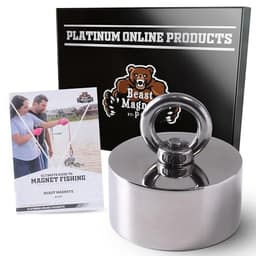
Build quality is what you'd expect from FINDMAG. The coating's held up fine through muddy water and gravel drags. The threaded eyebolt is solid — I've had cheaper magnets where that's the first thing to feel sketchy, and this isn't that. I've been running it on a double-strand hitch and it hasn't given me any reason to think twice.
The magnet is strong enough to be annoying to separate from a steel surface. That's a good sign.
If I had to say something negative — and I do, because everything has something — it's that the pull rating creates expectations that the magnet will meet in ideal conditions, not in every condition. Silt, angle, surface area contact, the texture of whatever you're pulling — all of that affects what you actually get. The 1200 LB stamp doesn't mean you're pulling 1200 LBs every drop. That's true of every magnet at this price point, not a FINDMAG-specific problem, but worth saying plainly.
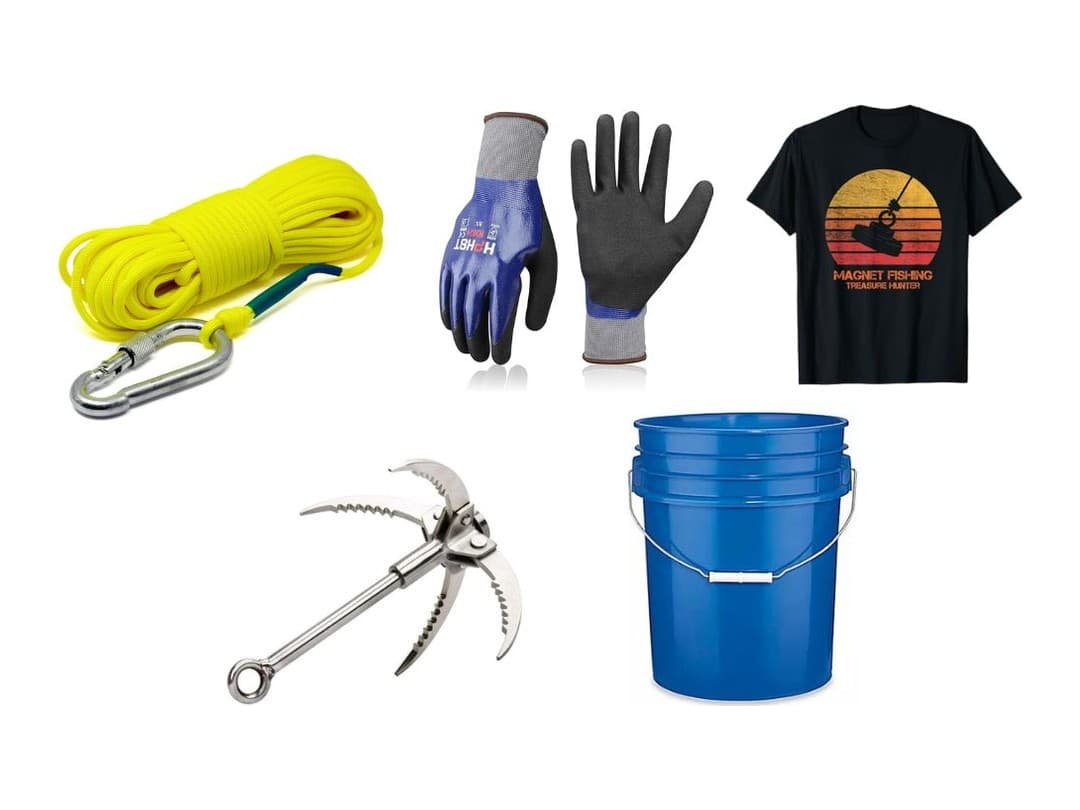
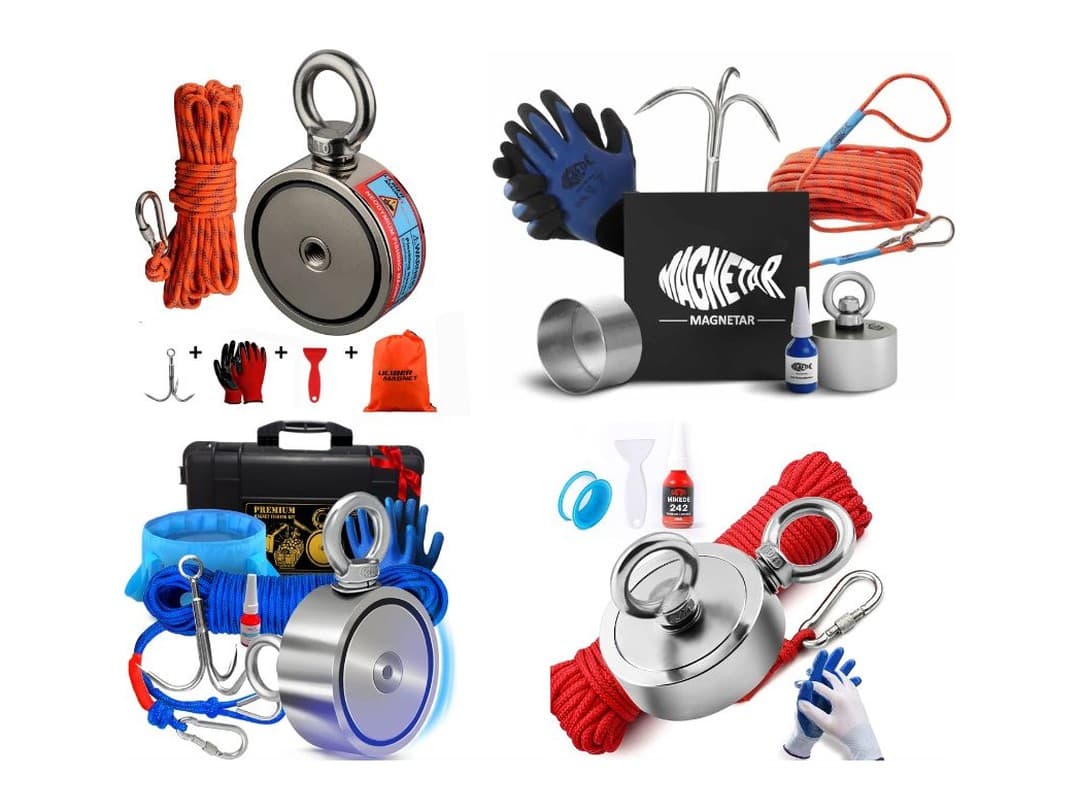
If you're buying your first magnet, this isn't where I'd start — there are kits with rope and gloves included that make more sense as an entry point. But if you've got the basics covered and you're upgrading from something weaker, or you've had a 1000 LB magnet and you're wondering if the bump is worth it? Yeah. For $2 more, it absolutely is.