
Magnet Fishing in California: What the Rules Actually Say
California has some of the most interesting water in the country for magnet fishing — San Francisco Bay, the Sacramento Delta, coastal harbors — but the rules are a genuine headache. Do your homework on the specific spot before you go, because enforcement is real and varies wildly.
Not fishing California? See the best places to magnet fish in all 50 states. New to the hobby? Start with the complete guide to how to go magnet fishing.
Is magnet fishing legal in California?
RestrictedMostly, with real limits. California allows magnet fishing in navigable public waterways, but Public Resources Code § 5097.5 makes removing artifacts of any age from state waters illegal, and most state parks prohibit it outright. Outside state parks and coastal-zone restrictions you are generally fine, and no fishing license applies.
California is one of the more complicated states legally. State Parks require permits for most activities beyond passive recreation, and several state beaches and parks explicitly prohibit removing anything from the water. The California Coastal Act also adds a layer of protection in coastal zones. Check with the specific park or harbor authority before you go — enforcement varies a lot by location.
Statute, agency and the local gotcha for every state: California in the state-by-state magnet fishing laws guide.
Magnet fishing in California — quick info
Recommended Pull Force
Recommended Rope Length
Beginner Difficulty
Typical Water Conditions
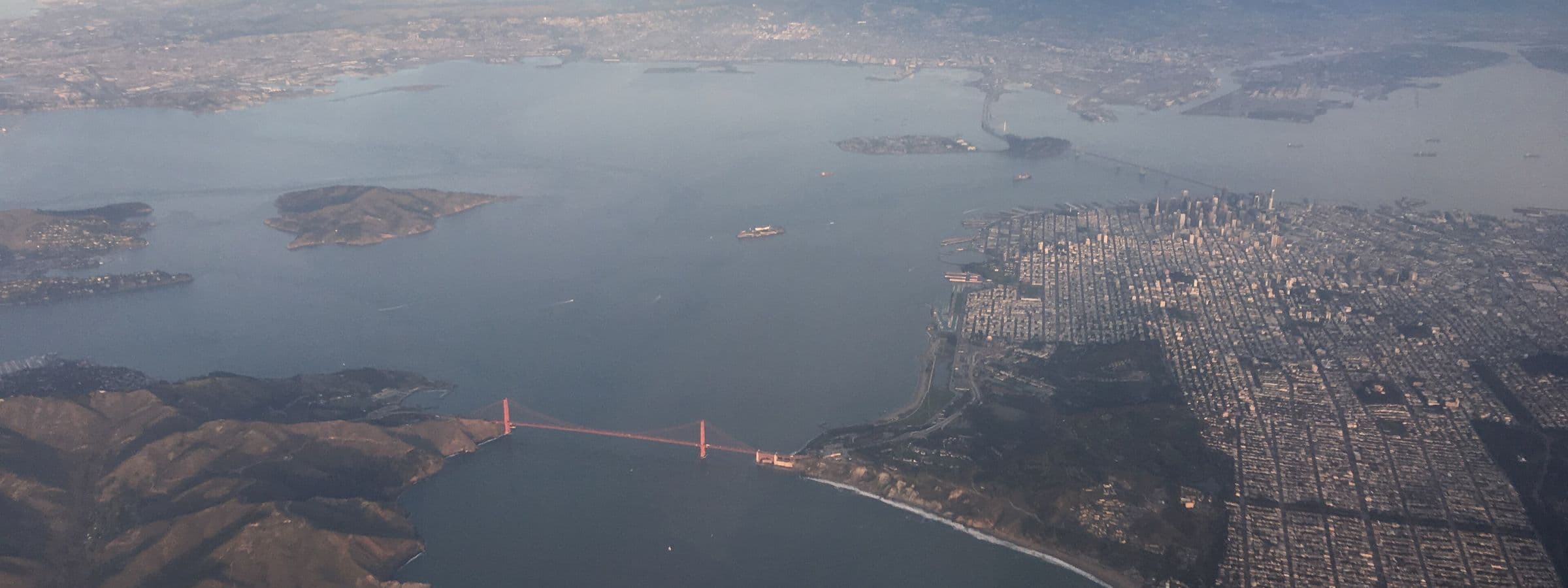
California has everything — Pacific coastal harbors, the Sacramento-San Joaquin Delta, mountain reservoirs, and urban canals. The Delta is especially interesting because of the boat traffic and old agricultural history, but current can be significant on outgoing tides. Coastal harbors like those around San Francisco Bay have decades of industrial and recreational debris on the bottom.
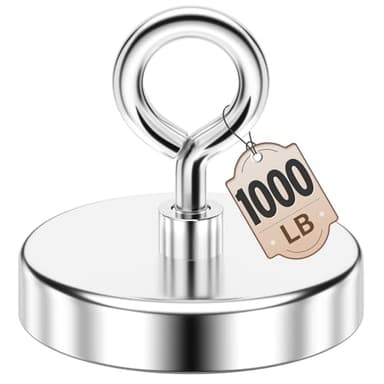
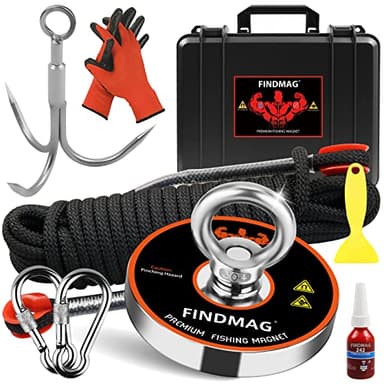
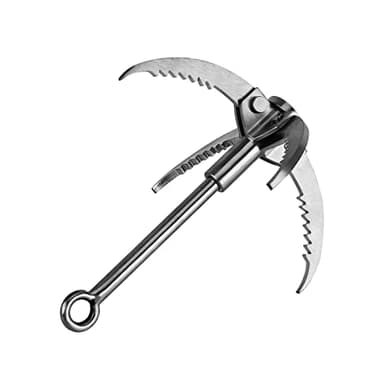
Best magnet fishing gear for California
Best magnet fishing spots in California
1. Sacramento River (Old Sacramento Waterfront)
Sacramento
The stretch of river running past Old Sacramento has been a working waterfront since the Gold Rush, and the bottom reflects that — old iron hardware, chains, tools, and occasionally stuff you can't quite identify. Access is easy from the embarcadero-level walkways, and the river runs deep enough here that you'll want a solid rope length. People have pulled up everything from antique anchors to modern junk, so the range is wide.
2. Sacramento River at Old Sacramento Waterfront
Sacramento
The waterfront here has been a working river landing since the Gold Rush, and the bottom reflects it — old hardware, tools, and who-knows-what from 150 years of boat traffic and flooding. Access is easy from the boardwalk area, and the river runs 15 to 30 feet deep depending on where you drop. People have pulled up anchors, old iron fittings, and enough chain to start a hardware store.
3. San Francisco Bay (Pier 7)
San Francisco
Pier 7 is one of the few spots on the Bay with free public access and room to actually swing a magnet without getting in anyone's way. The tidal currents are strong and the water is brackish, so everything down there is heavily corroded, but that also means there's been a lot deposited over a very long time. Firearms, tools, and old ship hardware have all come up from this general area of the Bay.
4. San Francisco Bay at Embarcadero Pier 7
San Francisco
Pier 7 is a public fishing pier with deep tidal water underneath and a long history of commercial and recreational boat traffic in the surrounding bay. The brackish, corrosive water means anything iron down there is going to be rough, but there's a lot of it — old mooring hardware, tools, and the occasional anchor. Parking is a hassle like everything in SF, but the pier itself is open and accessible.
5. San Francisco Bay (Embarcadero Piers)
San Francisco
Decades of ferry traffic, fishing off piers, and commercial shipping have left a serious layer of metal debris on the bay floor around the Embarcadero piers. Tidal currents are strong and the water is brackish, so expect heavy corrosion on everything you pull up. Access from the public piers is straightforward, but be aware this area falls under Bay Conservation and Development Commission oversight, so know what you're doing before you toss your magnet.
6. Sacramento-San Joaquin Delta (Stockton Deep Water Channel)
Stockton
The Delta is enormous and this channel near Stockton sees heavy barge and recreational boat traffic, which means decades of dropped hardware, lost anchors, and agricultural equipment that fell off the back of something. Bank access varies but there are public spots near the port area where you can get right to the water. Depth ranges quite a bit depending on where you're standing, so a longer rope is smarter than a shorter one.
7. Sacramento-San Joaquin Delta at Brannan Island
Rio Vista
Brannan Island sits in the middle of the Delta's channel network, and there's a state recreation area with actual parking and water access — which is rarer than you'd think out here. Decades of agricultural equipment, old boat parts, and general Delta junk have settled into these channels. The water is murky and the bottom is soft mud, so expect to work for your finds but also expect to actually find things.
8. Sacramento-San Joaquin Delta (Georgiana Slough)
Isleton
Georgiana Slough is one of the more accessible channels in the Delta, and the bottom is an absolute mess of old boat hardware, agricultural equipment fragments, and anchors that never came back up. Bank access is possible in a few spots near Isleton, though a small kayak or johnboat opens up a lot more of the channel. Depth varies from 10 to 30 feet depending on where you're standing.
9. Feather River (Oroville Recreation Area)
Oroville
Below Lake Oroville, the Feather River has a long history of Gold Rush-era mining activity and later recreational use, which makes it genuinely interesting from a historical standpoint. The riverbed is rocky and uneven, so snags are common, but the payoff can be real — old mining tools and hardware have turned up in this stretch. Parking and access through the recreation area is generally straightforward.
10. Los Angeles River at Elysian Valley (Frog Town)
Los Angeles
The LA River is mostly concrete channel, which sounds terrible until you realize it funnels decades of urban debris into a narrow, accessible stretch. The Elysian Valley section has a soft-bottom area and a bike path running alongside, so access is unusually good for LA. People have pulled bikes, scooters, tools, and some genuinely weird stuff out of here.
11. Los Angeles River (Elysian Valley Reach)
Los Angeles
The soft-bottom section through Elysian Valley — sometimes called the Frog Spot by locals — is one of the few parts of the LA River that isn't fully lined in concrete, and it's where most of the metal accumulates. People have pulled out bikes, tools, and things that required a call to the LAPD. The access trail runs along the east bank and parking is available near the Marsh Street entrance.
12. LA River (Rattlesnake Park Access)
Los Angeles
The LA River's concrete channels are weird, there's no other way to say it, but they're surprisingly productive. The Rattlesnake Park area near the Glendale Narrows is one of the few soft-bottom sections where the river actually flows through dirt and gravel rather than concrete, and stuff accumulates there in a way it can't in the channelized sections. People have pulled up tools, bike frames, and things that probably needed to be reported to the police.
13. Folsom Lake
Folsom
Folsom Lake has a long shoreline with multiple boat ramps and recreation areas, and the water level drops significantly in dry years, exposing old shoreline that's been underwater for decades. The original town of Granite Bay and some old ranch infrastructure is down there under the reservoir, which means there's real historical metal mixed in with the typical lost fishing gear. State recreation area access is well-maintained and parking is available at several entry points.
14. Folsom Lake (Granite Bay Launch Ramp Area)
Granite Bay
Folsom Lake is a reservoir with a long history of boating, fishing tournaments, and recreational use, which means the area around the main launch ramps has collected a lot of lost tackle, anchors, and dropped gear over the decades. Water levels fluctuate significantly with drought and snowpack, and low-water years expose sections of old shoreline that are worth working. The Granite Bay day-use area has a large parking lot and easy bank access.
15. Old Folsom Bridge (Lake Natoma Access)
Folsom
The area around the historic Folsom bridges where Lake Natoma feeds into the American River has old infrastructure, recreational traffic, and a surprising amount of lost gear from kayakers and anglers over the years. Access is solid through the state recreation area, and the water is relatively clear compared to a lot of California spots, which makes it easier to see what you're working with. Depth is manageable from the bank.
16. Petaluma River at D Street Bridge
Petaluma
The Petaluma River was a major commercial waterway through most of the 1800s and into the 1900s, and the D Street Bridge area sits near old warehouse and wharf sites that have been dropping iron into the river for well over a century. It's tidal this far down, so timing matters — low tide gives you better access to the banks and shallower water. People have found old fasteners, ship hardware, and miscellaneous Victorian-era iron here.
17. Petaluma River (Downtown Turning Basin)
Petaluma
Petaluma's downtown waterfront has been a working port since the 1850s, and the Turning Basin area is where boats would come around — meaning metal has been dropping into this river for over 150 years. Old spikes, hardware, anchors, and chain are common finds. Access is easy from the public dock area right off downtown, and there's street parking along the riverfront.
18. Humboldt Bay (Eureka Public Marina)
Eureka
Humboldt Bay is one of the largest coastal bays in California and the marina area around Eureka has seen a lot of commercial fishing and boat traffic over many decades. Old moorings, fishing hardware, and boat parts are common finds, and the tidal influence means stuff gets moved around and redeposited in interesting ways. The public dock areas give reasonable access without needing a boat.
19. Kern River at Beach Park
Bakersfield
The Kern River runs through Bakersfield with several public access points, and Beach Park is one of the more accessible stretches with parking and a manageable bank. The river has seen a lot of recreational use and some industrial history upstream, so the bottom has an interesting mix of old and newer metal. Current can be strong in spring but calms down considerably by summer, which is when most people go.
20. Stockton Deep Water Ship Channel
Stockton
Stockton's port channel is one of the few inland deep-water shipping channels in the western US, and decades of commercial traffic have left plenty behind. Old dock hardware, chains, and industrial fasteners are common. Bank access near the public areas around Charter Way can work, though some sections near the port are restricted — scout it before you go.
21. San Diego River (Mission Valley)
San Diego
The San Diego River through Mission Valley has been altered, channelized, and built around for so long that the bottom is a strange mix of old debris and modern junk. The stretch near Hotel Circle has pedestrian access and parking, and the river is shallow enough in most spots that you can see what you're swinging toward. It's not a deep-history spot, but the volume of stuff down there is real.
22. Stockton Channel at Weber Point
Stockton
Stockton has one of California's inland ports, and the channel near Weber Point has decades of commercial shipping history sitting on the bottom of it. Old dock hardware, lost cargo fittings, and general port detritus make this a productive spot if you can handle the murky water and don't mind the urban setting. The waterfront park gives you legitimate public access with parking nearby.
23. Napa River (Downtown Napa Waterfront)
Napa
Downtown Napa went through a major flood restoration project, and during that process a lot of old infrastructure got buried or shifted — the riverbed near the restored waterfront has old metal scattered around from both the construction and the decades before it. The Napa River Trail runs along the bank and access is easy, with public parking near the Oxbow Market area. Tidal influence reaches this far up, so timing your session around low tide helps.
24. Truckee River (Downtown Reno access, California side)
Truckee
The Truckee River originates from Lake Tahoe and the upper stretches near the town of Truckee have a long history as a logging and rail corridor, which means old iron hardware occasionally turns up on the riverbed. Access from Riverside Park and the downtown bridge areas is easy, and the water runs clear and cold enough that visibility is actually useful. It's a mountain river so depths are modest, but the current is real.
25. Russian River at Healdsburg Veterans Memorial Beach
Healdsburg
The Veterans Memorial Beach is a designated swimming and recreation area on the Russian River with easy bank access and a sandy-to-rocky bottom mix. The river has been a popular spot for generations, which means lost gear, old camping hardware, and the occasional more interesting find have accumulated over time. Water is usually pretty low and calm by late summer, making it one of the more beginner-approachable spots in Northern California.
26. Russian River (Healdsburg Veterans Memorial Beach)
Healdsburg
The swimming and recreation area at Veterans Memorial Beach has seen heavy summer use for generations, and the sandy-bottom sections near the old footbridge area have produced lost jewelry, coins, and the usual assortment of dropped gear. The river is shallow here — often only 4 to 8 feet in summer — which makes retrieval easy. Parking is available at the beach entrance off Healdsburg Avenue.
27. Napa River (Downtown Napa Riverfront)
Napa
The Napa River through downtown has a tidal reach that extends surprisingly far inland, and the revitalized waterfront means easy access from multiple public spots along the walking path. The tidal action deposits and re-exposes stuff constantly, and the river has a long commercial history including old ferry crossings and industrial use upstream. Finds here tend to be a mixed bag — modern stuff, old hardware, the occasional thing that makes you stop and think.
28. San Diego Bay at Shelter Island
San Diego
Shelter Island is surrounded by working marina facilities and has been an active boating hub for decades, which means the bay bottom around the fishing piers and docks is loaded with dropped hardware, anchors, and lost tackle. The water is cleaner than most urban spots, which is nice, but also means visibility is decent if you want to watch your magnet work. Public fishing pier access is free and the parking situation is better than most San Diego waterfront spots.
29. Feather River (Oroville Low-Water Bridge Area)
Oroville
The Feather River below Lake Oroville has strong flows and a rocky-to-sandy bottom mix, and the area near the old low-water bridge crossings has seen enough recreational and agricultural traffic over the years to make it worth working. People have pulled up old farm equipment parts, horseshoes, and tools that have been in that water for a long time. Bank access is decent from the Riverbend Park area, and the parking situation is easy.
Magnet fishing in California — FAQ
Is magnet fishing legal in California?+
Is magnet fishing legal in California state parks?+
Can I magnet fish in San Francisco Bay?+
What pull force do I actually need for California waters?+
How long should my rope be for the Sacramento-San Joaquin Delta?+
What do I do with the metal I find?+
Is the Sacramento Delta good for magnet fishing?+
Do I need a permit to magnet fish in California?+
Here are some magnet fishing finds in California
- Fishing Gear: Given the abundance of fishing spots in California, it's not surprising that a lot of lost fishing gear like hooks, lures, and knives are recovered.
- Coins: Various types of coins, often older and sometimes even collectible, are commonly found.
- Metal Scraps: Bits of metal, nails, screws, and other types of scrap metal are frequent finds.
- Bicycles: Bikes that have been lost or discarded can frequently be found in water bodies.
- Vehicle Parts: Things like license plates, hubcaps, and even car batteries have been retrieved.
- Historical Artifacts: Some magnet fishers have found items like old railroad spikes and other remnants of California's industrial and mining history.
- Weapons: In some instances, people have pulled up firearms. These finds are usually reported to the police as they could be evidence in criminal cases.
- Safes: Occasionally, safes that have been broken into and discarded in bodies of water are found. These are also often reported to authorities.
- Jewelry: Rings, necklaces, and other pieces of jewelry have been found, sometimes even valuable ones.
- Unusual Metal Objects: Everything from old signs and vintage tools to metal sculptures have been discovered.
Best Magnet Fishing Magnets
Find the best magnet for magnet fishing — from 500 lb beginner picks to 2,000 lb+ heavy hitters.
Find your magnet →Best Magnet Fishing Accessories
Rope, gloves, grappling hooks, buckets, and more — the magnet-fishing accessories that actually matter.
Browse accessories →Best Magnet Fishing Kits
Looking for the best magnet fishing kit? Top picks that bundle a strong magnet, rated rope, and gloves.
See the kits →Pulled something good out of California's water?
We're always adding new spots and finds. Share your favorite Californialocation or your best haul and we'll feature it on the site.