
Magnet Fishing in Oregon: Columbia River and Coastal Harbors
Oregon has serious potential — the Columbia River is enormous and has been commercially active for over 150 years, Astoria's harbor is historic and underworked, and the Willamette through Portland picks up a lot of urban debris. State Parks rules and SHPO protections on the Columbia are worth understanding before you…
Not fishing Oregon? See the best places to magnet fish in all 50 states. New to the hobby? Start with the complete guide to how to go magnet fishing.
Is magnet fishing legal in Oregon?
Permit requiredYes in most public water, with a permit rule about finds rather than the activity. ORS 358.920 prohibits removing or altering archaeological objects without a permit under ORS 390.235, and that explicitly includes material found in waterways, so modern debris is yours and anything that could be an artifact isn't. No fishing license applies.
Oregon Department of Fish & Wildlife doesn't specifically prohibit magnet fishing, but Oregon State Parks has rules about removing objects from park properties. The Oregon State Historic Preservation Office has jurisdiction over underwater archaeological sites, and the Columbia River in particular has documented Native American cultural sites and historic shipwrecks with legal protections. Access to the Columbia is partly federal through Army Corps jurisdiction.
Statute, agency and the local gotcha for every state: Oregon in the state-by-state magnet fishing laws guide.
Magnet fishing in Oregon — quick info
Recommended Pull Force
Recommended Rope Length
Beginner Difficulty
Typical Water Conditions
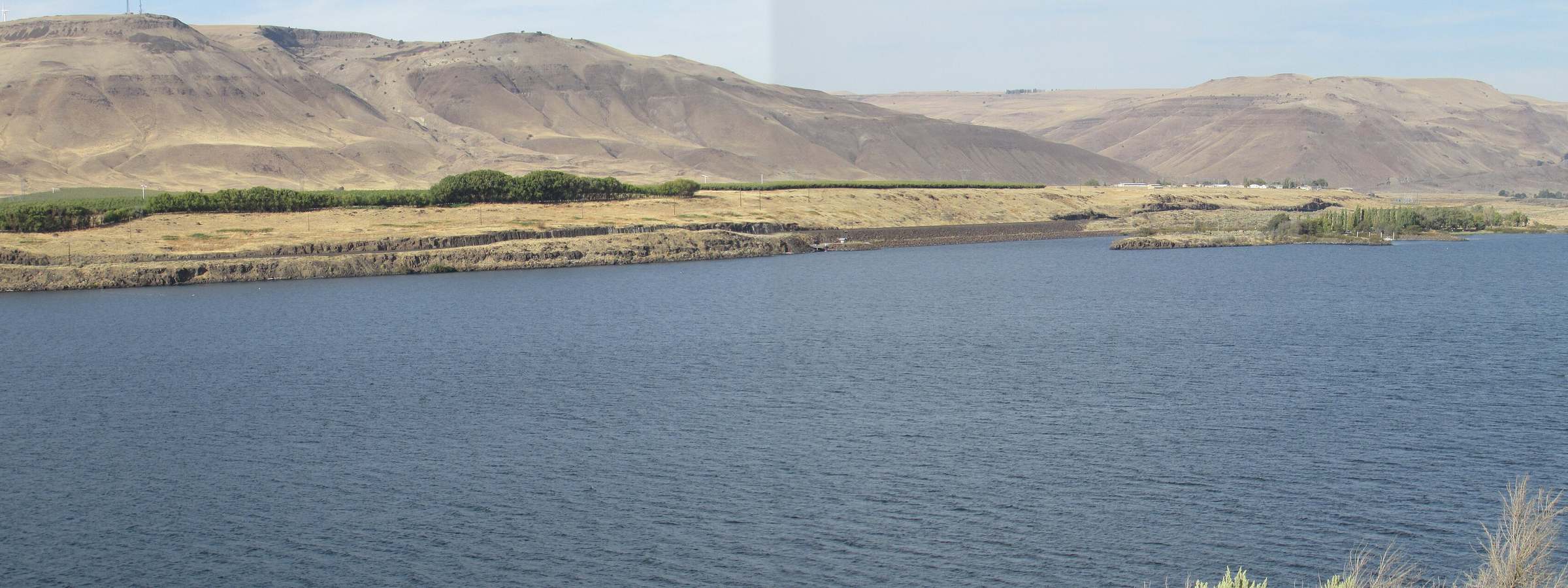
Oregon has the Columbia River on its northern border — one of the biggest rivers in the US — plus the Willamette through Portland and a long Pacific coastline with active fishing harbors. The Columbia is fast, wide, and deep with significant commercial and recreational traffic history. Coastal harbors like Astoria, Newport, and Coos Bay have genuine maritime heritage.
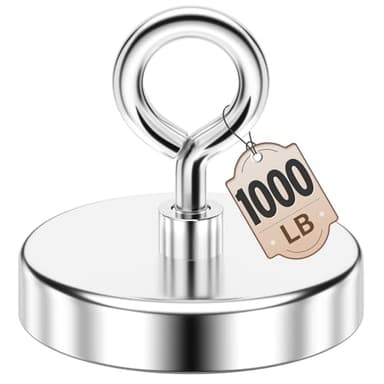
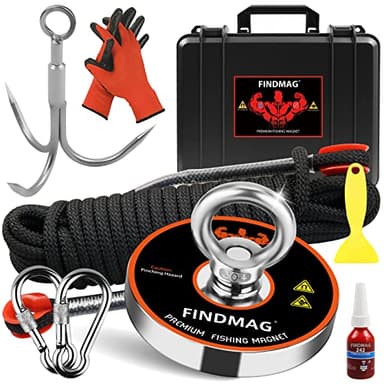
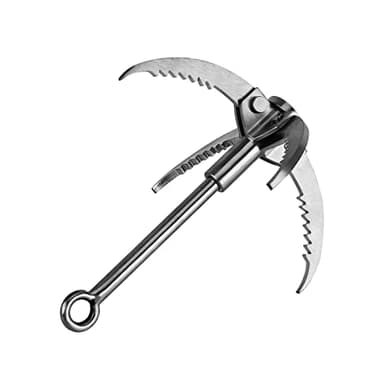
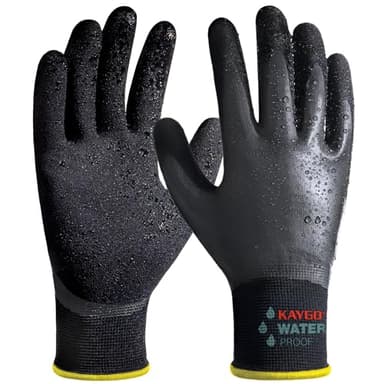
Best magnet fishing gear for Oregon
Best magnet fishing spots in Oregon
1. Willamette River — Hawthorne Bridge Area
Portland
The Willamette under and around the Hawthorne Bridge has over a century of industrial and urban history sitting on its bottom — tools, hardware, old bike frames, and the occasional piece of rail equipment have all come up here. Access is solid from Tom McCall Waterfront Park, and the banks are walkable for a good stretch. Depth near the pilings gets serious fast, so stay close to the shallower edges unless you're throwing a rope with real length.
2. Willamette River – Hawthorne Bridge Area
Portland
This stretch under and around the Hawthorne Bridge has a long industrial past — Portland was a serious port city, and the riverbed here reflects that. People have pulled out tools, chain, old hardware, and the occasional anchor. Access is solid from Tom McCall Waterfront Park, with parking nearby, but be aware that Portland Harbor is an EPA Superfund site further downstream, so stick to the upriver side of the bridges where restrictions are less of a factor.
3. Willamette River at Tom McCall Waterfront Park
Portland
This stretch of the Willamette runs through the heart of Portland's industrial past, and the riverbed shows it — people have pulled out old tools, bike frames, and all kinds of metal debris that accumulated during decades of heavy river commerce. Access is dead simple, paved walkway the whole length, and you can drop a line right off the seawall. Depths vary but you're typically working 8 to 20 feet depending on the season and where exactly you're throwing.
4. Columbia River — Hayden Island Shoreline
Portland
Hayden Island sits right in the Columbia with public shoreline access and a long history of boat traffic, barge activity, and recreational use going back generations. People have pulled anchors, chains, and all kinds of metal debris from the shallower margins here. The main channel current is brutal and not worth messing with, but the calmer water on the island's south side near the marinas is very workable.
5. Columbia River – Kelley Point Park
Portland
Where the Willamette meets the Columbia, Kelley Point gives you access to one of the most historically trafficked confluences in the Northwest — think steamboats, barges, and a century of river commerce. The current near the main Columbia channel is no joke, so work the calmer edges near the Willamette mouth where debris tends to settle. Parking is free in the state park lot and the bank access is easy.
6. Columbia River at Kelley Point Park
Portland
Where the Willamette dumps into the Columbia is one of the most historically trafficked waterways in the entire Northwest, and the bottom reflects that — old hardware, fasteners, and cargo-related debris from a century of river trade. The park has decent parking and the banks are accessible, but the Columbia's current near the main channel is no joke and you'll want to stay in the calmer water near the confluence. This is a spot where your rope setup matters more than almost anywhere else in the state.
7. Willamette River — Salem Riverfront Park
Salem
Salem's downtown riverfront has had boat landings and industrial use along it for well over a hundred years, and the riverbed near the old docking areas reflects that. The park gives easy, paved access right to the water with decent parking nearby. Finds here tend to run toward older hardware and tools rather than the modern junk you'd expect in a more recreational stretch.
8. Rogue River – Grants Pass Riverside Park
Grants Pass
Grants Pass has been a working river town since the gold rush era, and the Rogue here has caught a lot of history — old mining equipment, hardware, and miscellaneous iron show up regularly. The park gives you direct bank access with a paved parking area, and the river runs fast but isn't so deep that a standard rope won't reach bottom near the banks. The Rogue's clarity can actually help you spot targets before you throw.
9. Rogue River at Riverside Park
Grants Pass
The Rogue cuts through Grants Pass and the park gives you easy bank access without any serious hiking involved — parking is right there and the shoreline is pretty forgiving for setup. The river has a history of gold rush-era activity upstream and plenty of old bridge hardware and recreational debris has settled in the slower bends near town. It runs fast and cold most of the year, so you're fishing the eddies and slower pockets more than the main flow.
10. Rogue River — Grants Pass Riverside Park
Grants Pass
The Rogue through Grants Pass has been a hub for boating and fishing for decades, and the river bottom near the park and boat ramp area has accumulated plenty of dropped gear over the years. Current is real here — this isn't a lazy urban river — but there are calmer pockets near the bank that are very fishable. Boat anchors, fishing weights, and miscellaneous tackle are common finds.
11. Umpqua River – Winchester Bridge
Roseburg
The Winchester Bridge is one of the older crossings on the Umpqua, and old bridges mean decades of dropped tools, lost fishing gear, and whatever else ends up in the water during a century of traffic. The banks here are accessible and relatively flat, parking is close, and the river is wide enough that you can work multiple angles from the same spot. Not a lot of people magnet fish the Umpqua, which is honestly part of the appeal.
12. Umpqua River at Riverfront Park
Roseburg
Roseburg sits right at the confluence of the North and South Umpqua, which means you've got a lot of water history converging in one spot — logging era debris, old bridge remains, and decades of recreational use have left a lot of metal in this stretch. Bank access at Riverfront Park is easy, flat, and well-maintained, with parking close to the water. The Umpqua is fast but narrower here than you might expect, which actually makes the far-bank throws surprisingly productive.
13. Coos Bay Harbor
Coos Bay
Coos Bay is one of the largest natural harbors on the Oregon coast and has had commercial shipping, fishing fleets, and industrial timber operations running through it for well over a century. The harbor edges near the old docks and working waterfront are loaded with decades of dropped and discarded metal. Access from the Bay Area Boardwalk area is easy and parking is right there.
14. Coos Bay – Empire Boat Ramp
Coos Bay
Coos Bay has been a major timber and shipping port for over a hundred years, and the bay floor around the old Empire district has accumulated a serious amount of lost and discarded metal over that time. The boat ramp gives you clean access to the water's edge with a decent gravel lot for parking. Tidal fluctuation matters here — low tide exposes more of the bank and gives you shallower targets closer in.
15. Umpqua River — Reedsport Boat Ramp
Reedsport
Reedsport sits where the tidal Umpqua meets the coast, and the area around the public boat ramp has seen constant commercial and recreational boat traffic for generations. The tidal influence means the bottom gets disturbed and shifted regularly, which can actually surface older finds that have been buried. Fishing weights, old hardware, and boat parts are the typical targets.
16. Tualatin River – Cook Park
Tigard
Cook Park is a well-used suburban park with easy river access to the Tualatin, which drains a heavily farmed and developed valley. That means decades of agricultural and residential runoff — including metal. It's a slower, murkier river than the Rogue or Umpqua, which actually helps because targets don't move around as much once they settle. There's solid parking and the banks are maintained, so it's a pretty approachable spot.
17. Willamette River at Wallace Marine Park
Salem
Salem's stretch of the Willamette gets a lot less attention than Portland but it's got real history — ferry crossings, early settlement, and a long run of agricultural and light industrial use along the banks. Wallace Marine Park sits on the west bank and gives you solid access to slower water with a gravel and mud bottom that's easier to work than some of the rockier stretches downstream. Depths are moderate and the current is manageable for most of the year.
18. Clackamas River — Barton Park Boat Launch
Estacada
Barton Park is a popular launch point for rafters and kayakers, and the boat ramp area has seen heavy recreational use for decades — which means plenty of dropped gear sitting in the shallows. The Clackamas runs clear and relatively fast here, but the launch area itself has calmer water and an easy gravel bank to work from. It's one of the more beginner-friendly setups in the Portland metro area.
19. Columbia River – Astoria Riverwalk
Astoria
Astoria is the oldest American settlement west of the Rockies, and the Columbia waterfront here has been active since the early 1800s — fur trade, canneries, maritime commerce. The riverwalk gives you a long stretch of accessible bank with targets practically everywhere, and the history is deep enough that you genuinely never know what you're going to pull up. Army Corps jurisdiction applies to the navigable channel, so stay near the bank and off the main navigation lane.
20. Columbia River at Hat Rock State Park
Irrigon
Hat Rock is one of Lewis and Clark's named landmarks and the Columbia here has been a crossing and travel corridor for hundreds of years — the archaeological and historical density in this stretch is real, which also means you need to be thoughtful about what you're disturbing. The state park has a small pond that's much calmer than the main Columbia, and most magnet fishers stick to the pond and the sheltered cove rather than fighting the main river current. Parking is easy and the site is well-visited.
21. Willamette River — Corvallis Riverfront
Corvallis
Corvallis has a well-maintained riverfront with multiple access points and a history of small-scale industrial and agricultural river use that predates the city's modern feel. The stretch near Riverfront Commemorative Park has calm, manageable water and finds have included old tools, fence hardware, and various fasteners that probably came off farm equipment and old dock infrastructure. Parking is easy and the banks are clean.
22. Deschutes River – Bend Whitewater Park
Bend
The Whitewater Park area in Bend gets heavy recreational use, which means a steady trickle of dropped keys, carabiners, and assorted metal making its way to the bottom of the slower pools around the edges. The park infrastructure also means good parking and easy access right in the middle of town. Work the calmer sections downstream of the main channel where the current slows and deposits things.
23. Tualatin River at Cook Park
Tigard
The Tualatin is slow-moving and muddy through most of the valley, which sounds boring but actually makes retrieval easier — stuff doesn't get swept as far and the soft bottom tends to hold things in place once they sink. Cook Park has good parking, a boat ramp area, and easy bank access that makes it one of the more beginner-friendly spots in the metro area. Locals have found old farm equipment parts, tools, and the usual assortment of recreational debris in the shallower bends.
24. Klamath River — John C. Boyle Reservoir Area
Klamath Falls
The Klamath basin has a long history of ranching, logging, and hydroelectric infrastructure, and the reservoir area near the old dam operations has interesting bottom debris from decades of equipment use and transport. Access requires some effort — this isn't a walk-up spot — but the relative lack of other magnet fishers means it's largely untouched. Finds tend toward heavier industrial hardware.
25. Clatskanie River – Highway 30 Bridge
Clatskanie
A smaller coastal Columbia tributary that doesn't get much attention from magnet fishers, which makes it worth checking out. The Highway 30 bridge has been there long enough to collect bridge debris — bolts, brackets, and the usual assortment of what falls off aging infrastructure. The river is narrow and not very deep near the banks, so you don't need a lot of rope and targets are usually reachable. Roadside parking along 30 works fine.
26. Nehalem River at Nehalem Bay State Park
Nehalem
The Nehalem drains into one of the more protected bays on the northern Oregon coast, and the tidal section near the state park has a mix of freshwater and saltwater influence that's made it a working river for fishing boats and small commercial craft for a long time. Old moorings, anchor hardware, and fishing gear have accumulated in the slower tidal stretches near the park. Parking is good and the bank access is reasonable, though the tidal mud can make footing slippery.
27. Nehalem River — Nehalem Bay State Park Area
Nehalem
The Nehalem near the bay has a tidal estuary character that concentrates debris from both river and bay traffic over the years, and the area around the old moorings and the state park access points is genuinely underexplored for magnet fishing. Small boat hardware, anchors, and old crab pot frames are the kind of thing you'd expect here. Access from the park is easy and the setting is hard to beat.
28. Klamath River – Klamath Falls Railroad Bridge Area
Klamath Falls
The railroad history through Klamath Falls is substantial, and railroad bridges plus river access is a reliable combination for magnet fishing. Old spikes, hardware, and industrial-era metal have been reported in this stretch of the upper Klamath. Access is workable from the downstream bank near the old rail corridor, though you'll want to do a quick scout of the bank conditions before committing to a long session.
29. Deschutes River at Tumalo State Park
Bend
Central Oregon's Deschutes is cold, clear, and fast — not the easiest magnet fishing water, but the canyon sections near Bend have some slower pools where debris collects and the access at Tumalo State Park is genuinely good. The river here has recreational history going back decades and the campground and day-use area have meant a steady supply of dropped and lost gear over the years. You're working the edges and pools, not the main current, which is strong enough to make main-channel throws pretty unproductive.
My experience magnet fishing in Oregon
Oregon is my home water — this is the state where I learned the hobby, and most of my trips happen on the Willamette. My very first time magnet fishing was off a dock at Sauvie Island with a brand-new 1,000 lb magnet: I pulled up what looked like an entire lost toolbox — wrenches, nuts, bolts — plus a pocket knife I cleaned up and still carry today. That trip is the reason my beginner's guide opens the way it does.
Downtown Portland has been my most productive stretch of the Willamette: several bikes and bike wheels, a fire extinguisher, key fobs, flashlights, a bucket, and what I'm fairly sure was a railing off a boat. I also once pulled up an old .44 Magnum, corroded solid and missing its cylinder, trigger, and grips — I contacted the police, and after checking it they told me I could keep it since it had no identifiable markings and wasn't usable. If that ever happens to you, call the police first. One nice thing about fishing downtown: the city collects trash from the river at a designated spot on the dock, so I leave most of what I haul out there for proper disposal.
I've also tried ocean magnet fishing off the docks in Bandon harbor — a couple of tools, a crab trap, and items so encrusted with barnacles I couldn't tell what they were (those went back in the water). In the protected part of the marina I pulled up a folding chair and handed it to someone who'd been watching me fish. The one that got away: a heavy, barnacle-crusted box about the size of a toaster that I got nearly to the dock four separate times before it slipped off the magnet for good.
One hard-earned Oregon warning: skip the rivers in spring. When the Willamette runs high and fast it carries a lot of debris, and I lost a $200 magnet to a submerged tangle of it after two hours of trying to work it free. Fish still water until the flows settle down.
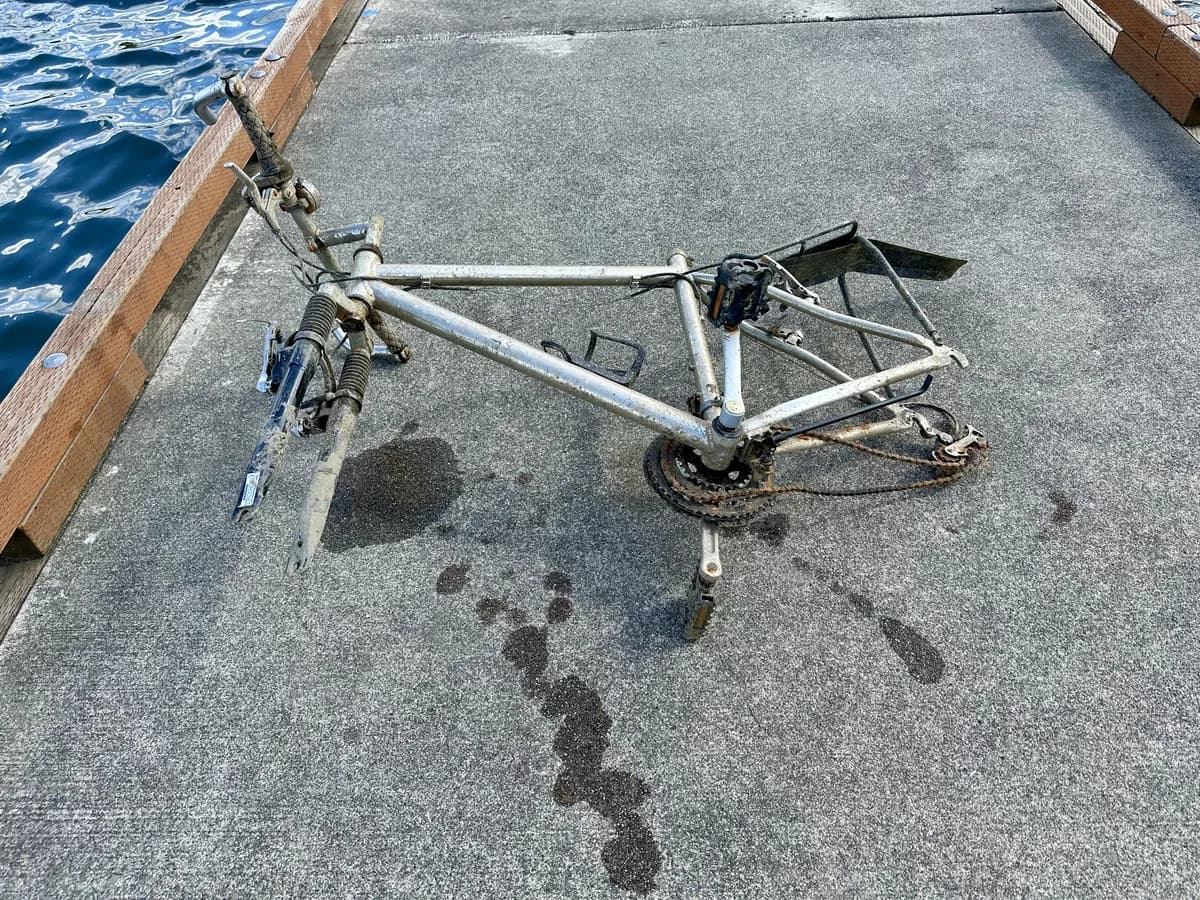
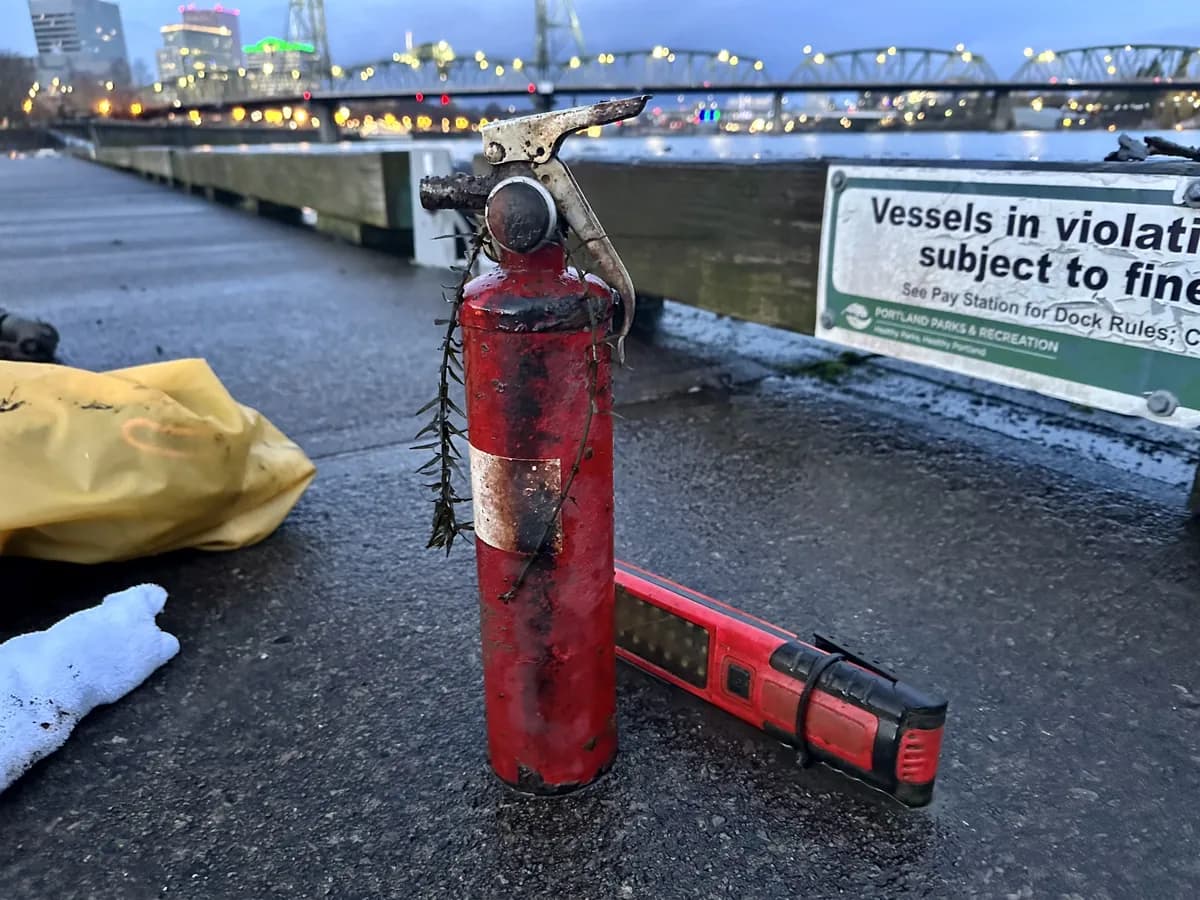
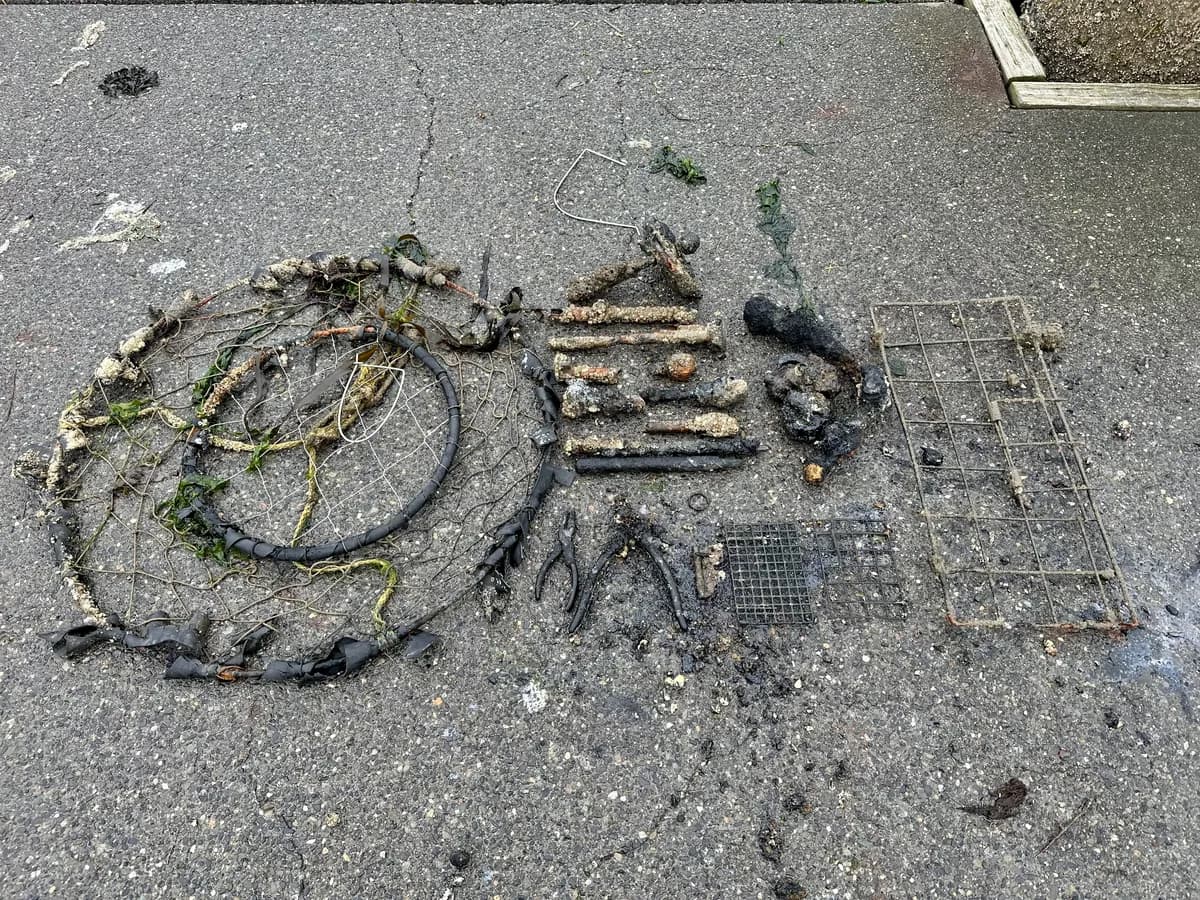
— Will Flaiz, who has personally magnet fished the waters above
Magnet fishing in Oregon — FAQ
Is magnet fishing legal in Oregon?+
Can I magnet fish in the Columbia River?+
What pull force do I actually need for Oregon rivers?+
How long a rope do I need for Oregon magnet fishing?+
What do I do if I find something that might be historically significant?+
Are Oregon's coastal harbors worth magnet fishing?+
Do I need a fishing license to magnet fish in Oregon?+
What's the hardest part about magnet fishing in Oregon as a beginner?+
Do I need a permit to magnet fish in Oregon?+
Here are some magnet fishing finds in Oregon
- Guns and ammunition: In 2019, a group of teens found a loaded handgun while magnet fishing in a canal in Salem, Oregon.
- Bicycles: In 2020, a man in Eugene, Oregon, found a bicycle frame and other bike parts while magnet fishing in the Willamette River.
- Tools and equipment: A group of magnet fishermen in Portland, Oregon, found a box of tools and other equipment while fishing in the Columbia River in 2018.
- Historic artifacts: In 2017, a man in Gresham, Oregon, found a cannonball from the 1800s while magnet fishing in the Columbia River.
- Jewelry and coins: In 2021, a woman in Salem, Oregon, found a silver ring and several coins while magnet fishing in the Willamette River.
- Car parts: In 2019, a group of magnet fishermen in Portland, Oregon, found a rusted car bumper while fishing in the Columbia River.
- Fishing gear: In 2020, a man in Medford, Oregon, found a fishing lure and a collection of fishing hooks while magnet fishing in a local pond.
- Household items: A group of magnet fishermen in Salem, Oregon, found a metal shopping cart and a metal lawn chair while fishing in the Willamette River in 2018.
- Industrial equipment: In 2021, a man in Hillsboro, Oregon, found a large metal industrial clamp while magnet fishing in a local creek.
- Electronics: In 2019, a group of magnet fishermen in Beaverton, Oregon, found a rusted metal computer tower while fishing in a small pond.
Looking for more magnet fishing spots near Oregon? Check out our guides for California, Idaho, Nevada, and Washington — all neighbouring states with their own rivers, lakes, and access points worth exploring.
Best Magnet Fishing Magnets
Find the best magnet for magnet fishing — from 500 lb beginner picks to 2,000 lb+ heavy hitters.
Find your magnet →Best Magnet Fishing Accessories
Rope, gloves, grappling hooks, buckets, and more — the magnet-fishing accessories that actually matter.
Browse accessories →Best Magnet Fishing Kits
Looking for the best magnet fishing kit? Top picks that bundle a strong magnet, rated rope, and gloves.
See the kits →Pulled something good out of Oregon's water?
We're always adding new spots and finds. Share your favorite Oregonlocation or your best haul and we'll feature it on the site.