
Magnet Fishing in Mississippi: Old Rivers and Gulf Shoreline
Mississippi is easy-access magnet fishing with a lot of historical depth — literally. The namesake river has centuries of commercial traffic, and Civil War-era artifacts show up in this state more than almost anywhere else. If you pull something old, report it to the Department of Archives and History.
Not fishing Mississippi? See the best places to magnet fish in all 50 states. New to the hobby? Start with the complete guide to how to go magnet fishing.
Magnet fishing in Mississippi — quick info
Recommended Pull Force
Recommended Rope Length
Beginner Difficulty
Typical Water Conditions
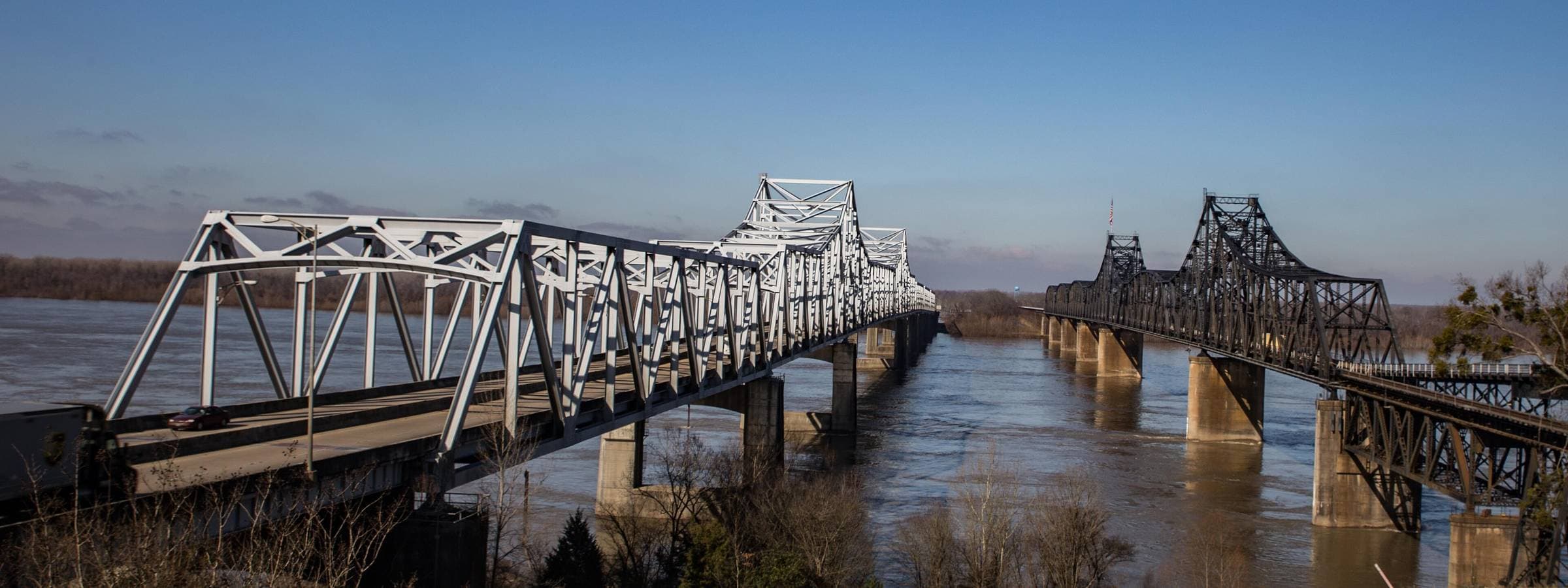
Mississippi has the namesake river on its western border plus the Pearl, Pascagoula, and Tombigbee river systems throughout the state. The Mississippi River here is slow, wide, and silty — visibility near zero, but the bottom holds a lot. Gulf Coast access around Biloxi and Gulfport adds a saltwater dimension with old port infrastructure worth exploring.
Is it legal? Mississippi Department of Wildlife, Fisheries & Parks doesn't specifically prohibit magnet fishing on public waterways. The Mississippi River itself is Army Corps territory, and access near levees and infrastructure requires checking COE rules. Mississippi's Department of Archives and History covers archaeological finds, particularly anything from the Civil War era, which turns up in this state more than most.
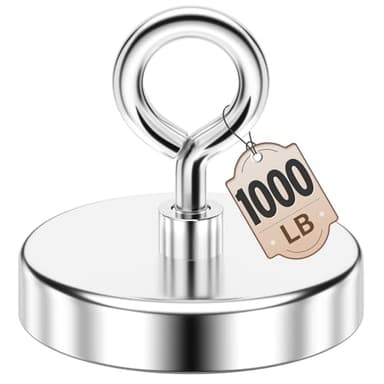
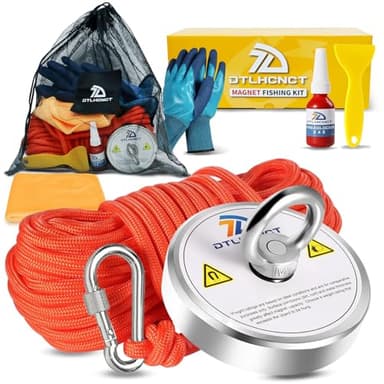
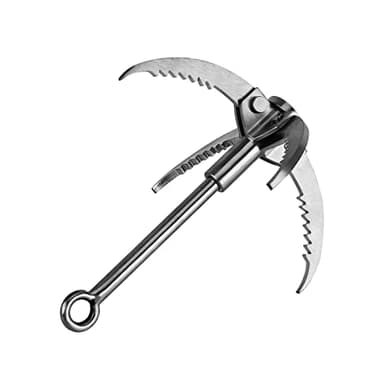
Best magnet fishing gear for Mississippi
Best magnet fishing spots in Mississippi
1. Mississippi River at Vicksburg Riverfront
Vicksburg
This stretch of the Mississippi River sits right next to one of the most significant Civil War battlefields in the country, and the water reflects that history. People have pulled up old iron fittings, chain sections, and unidentified cast iron pieces that look like they've been down there since the 1860s. Access is easy from the Vicksburg riverfront park, there's plenty of parking, and the shallow edges near the bank are workable even though the main channel drops off fast.
2. Mississippi River at Vicksburg Waterfront
Vicksburg
This is the spot in Mississippi. The river here saw intense Civil War action, and the bottom has been collecting debris since the 1860s — hardware, ordnance fragments, old river commerce junk, you name it. Access is solid from the riverfront park near the casino, with parking close by, but the current runs hard in the main channel so stick to the shallower edges near the bank.
3. Pearl River at Byram
Byram
The Pearl River through Byram has public boat ramps and bridge access points that magnet fishers have been quietly working for years. Old bridge hardware, sunken farm equipment, and the occasional firearm have all come up from this stretch. The river runs moderate depth along the banks — maybe 6 to 12 feet depending on rainfall — and the bottom is silty enough that a strong magnet can dig in and find things that have been buried for decades.
4. Pearl River at Ross Barnett Reservoir Spillway
Ridgeland
The spillway below Ross Barnett Reservoir is one of those spots where old stuff gets funneled and trapped over decades. Fishing weights, old tools, and metal debris from recreational boating pile up in the slack water on either side of the current flow. Parking is easy, the bank is accessible, and the water depth on the edges is forgiving enough that you're not fighting the full Pearl River current on every throw.
5. Pearl River at Jackson Riverfront
Jackson
The Pearl runs right through the capital and has decades of urban runoff history on the bottom — old tools, coins, and the occasional piece of what used to be someone's truck. Access is easy from Lefleur's Bluff State Park on the north end of the city, with a gravel lot and a short walk to the bank. Depth varies a lot seasonally, so after spring rains the water moves fast but also stirs things loose.
6. Pascagoula River at Moss Point Boat Launch
Moss Point
The lower Pascagoula is a working waterway that's seen commercial fishing, tug traffic, and decades of industrial use along the banks. That history means there's a lot of old iron sitting on the bottom, from anchor hardware to dropped tool steel. The public boat launch at Moss Point gives solid access to a wide, navigable section of the river where the banks are accessible and the bottom transitions from sandy to muddy as you move downstream.
7. Pascagoula River Boat Launch at Graham Ferry
Pascagoula
The Pascagoula is one of the last undammed rivers in the lower 48, which sounds romantic until you realize it means decades of boat hardware, anchors, and river junk have been accumulating with nowhere to flush. The Graham Ferry area has a public boat ramp with decent parking and bank access, and the river bottom here is soft enough that a strong magnet can pull surface-layer finds without getting buried. People have pulled old outboard motor parts and anchor chains out of this stretch.
8. Biloxi Small Craft Harbor
Biloxi
Gulf Coast harbors are a different animal — decades of fishing boats, charter vessels, and storm debris from multiple hurricanes sitting on a tidal bottom. Katrina alone rearranged half the Gulf Coast, and plenty of that ended up in the harbor. The saltwater environment means steel corrodes fast, but anchors, boat hardware, and old mooring chain still show up regularly.
9. Ross Barnett Reservoir Spillway
Ridgeland
The spillway area below Ross Barnett Reservoir has been a reliable spot for years because water movement concentrates dropped and washed-in metal near the structure. People have found old tools, boat hardware, and miscellaneous iron that likely came in during high water events over the reservoir's 60-plus year history. Parking is accessible from the spillway road and the water depth on the downstream side is manageable from the bank.
10. Old Biloxi Back Bay Pier Area
Biloxi
Back Bay of Biloxi is tidal and has seen a lot of activity — commercial fishing, recreational boating, and hurricane debris from Katrina that never got fully cleared. The old pier areas around the bay have accumulated anchors, chain, prop hardware, and the kind of heavy iron that makes your magnet very happy. The tidal movement here is real and your timing matters; low tide gives you shorter throws to reach bottom in the shallower sections.
11. Biloxi Back Bay
Biloxi
The Back Bay of Biloxi has a long history of boat traffic, small commercial operations, and hurricane debris that's never fully been cleaned up. Magnet fishers working the docks and bridge pilings have pulled up anchors, prop shafts, mooring hardware, and things that are genuinely hard to identify. The tidal movement is real here, so timing matters — low tide exposes areas near the shore that are completely submerged a few hours later.
12. Natchez Riverfront Under the Bluff
Natchez
Natchez sits on a bluff above the Mississippi and the riverfront below it — called Under-the-Hill — was one of the busiest and roughest landings on the entire river for about 200 years. That kind of history leaves hardware on the bottom. The access road down to the riverfront is paved, there's parking, and the bank gives you solid throwing positions, though the Mississippi current here is fast and your rope needs to be long enough to account for downstream drift.
13. Yazoo River at Yazoo City Bridge
Yazoo City
The Yazoo River has been a commercial and agricultural waterway for well over a century, and the bridge crossing at Yazoo City sits over a stretch that's seen consistent boat traffic and, historically, quite a bit of river trade. Old iron comes up here regularly — boat hardware, chain, and the kind of heavy ferrous junk that accumulates near working river crossings over generations. Bank access near the bridge is decent and the river runs 10 to 20 feet deep in the main channel.
14. Tennessee-Tombigbee Waterway at Columbus Marina
Columbus
The Tenn-Tom was a massive federal construction project and the Columbus stretch has active marina traffic plus old lock hardware and construction debris that never quite got cleaned up. It's a man-made waterway, which means the bottom is more predictable than a natural river — compacted and relatively flat — and finds tend to be concentrated near the dock pilings and lock approaches. The marina gives you easy bank access year-round.
15. Natchez Riverfront Under-the-Hill
Natchez
Natchez Under-the-Hill is one of the oldest commercial riverfront areas in the entire Mississippi Valley, and the river bottom here has had things dropped into it for literally hundreds of years. This is the kind of spot where patience matters because there's so much junk layered down there that every session turns up something different. Access from the Under-the-Hill district is walkable, parking exists nearby, and the bank is workable at normal river levels.
16. Tennessee-Tombigbee Waterway at Stennis Lock
Columbus
The Tenn-Tom is a man-made waterway completed in 1985, so it doesn't have 19th century history, but lock areas accumulate hardware fast — boats lose lines, cleats, tools, and equipment gets dropped during the locking process constantly. The Stennis Lock area near Columbus has public access points and the concrete edges give you clean throwing angles without fighting through brush. The bottom is firm and retrieves come up easier than on the silt-heavy natural rivers.
17. Old Highway 90 Bridge Remnants, Bay St. Louis
Bay St. Louis
Hurricane Katrina dropped major sections of the old Highway 90 bridge into the Bay of St. Louis in 2005 and while the rubble was mostly cleared, smaller debris scattered across the bottom for a wide radius. The bay is shallow enough in spots that you can wade and toss from the bank near the causeway access. This is one of those spots where the history is recent enough that you know exactly what you're likely to find.
18. Leaf River at Hattiesburg
Hattiesburg
The Leaf River runs through Hattiesburg and has public access points at several park areas and old bridge crossings throughout the city. It's a shallower, clearer river than the big waterways further west, which makes it easier to see what you're working with and identify targets before you throw. Old bridge debris, industrial runoff material from the city's manufacturing past, and the usual assortment of dropped tools and hardware have all come up from this stretch.
19. Strong River at D'Lo Water Park
D'Lo
D'Lo Water Park is a state-run swimming and recreation spot that's been drawing crowds since the 1930s — which means generations of dropped keys, coins, and metal junk sitting in a relatively shallow, clear river. The Strong River isn't deep here and the rocky bottom means objects don't bury the same way they do in silt rivers. It's one of the more beginner-friendly spots in the state because the water moves gently and you can actually see some of what you're working with.
20. Sunflower River at Moorhead
Moorhead
The Delta is agricultural country and the Sunflower River runs through the heart of it, collecting farm equipment fragments, old irrigation hardware, and the general debris of a hundred years of heavy land use nearby. Moorhead has a small public access point near the railroad bridge that's been a consistent spot for local magnet fishers. The water is murky and the bottom is soft, but that softness means metal sinks in and stays.
21. Tenn-Tom Waterway at Columbus Marina
Columbus
The Tennessee-Tombigbee Waterway is a massive engineered canal system, and the Columbus area sits near locks and a marina that have been active since the waterway opened in the early 1980s. Lock structures are magnets for dropped hardware, lost tools, and the accumulated debris of decades of commercial barge traffic. The marina area specifically has accessible bank spots and the water near the lock walls runs deep but is worth working the edges methodically.
22. Leaf River at Hattiesburg City Park
Hattiesburg
The Leaf River runs right through Hattiesburg and the city park stretch has seen decades of recreational use, including old footbridge hardware, fishing gear, and the kind of casual metal loss that happens anywhere people spend a lot of time near water. Parking is easy at the park, the bank is accessible without a lot of bushwhacking, and the river is calm enough that you can take your time working a section methodically. Not a glamorous spot, but productive.
23. Escatawpa River at Highway 63 Bridge
Moss Point
The Escatawpa runs into the Pascagoula system in the southeast corner of the state and the Highway 63 bridge crossing is one of the more accessible spots on this river for bank fishing and magnet work. The river sees boat traffic from local fishermen and has historically had small barge operations further downstream, which means there's legitimate old iron sitting in the muddy bottom. Depth under the bridge runs moderate, and the banks on both sides have enough room to work a throw without getting tangled in brush.
24. Sunflower River at Moorhead Bridge
Moorhead
The Sunflower River winds through the Delta and the old Moorhead bridge area is the kind of crossing that's seen farm equipment crossings, work trucks, and local traffic for over a century — all of which means dropped tools, old fasteners, and agricultural hardware sitting in the mud. The river is slow and shallow enough to work carefully, and the bridge provides some shade which sounds minor until you're out there in July. Access from the road shoulder is easy.
25. Sardis Lake Dam Tailwaters
Sardis
Corps of Engineers dams concentrate finds in a way that's hard to explain until you've fished one — everything that comes through the spillway over decades piles up in the tailwaters below. Sardis Lake has been around since 1940 and the dam area has public bank access on the downstream side with a gravel parking area. Old fishing gear, tools, and structural hardware from dam maintenance work have all been pulled here.
Magnet fishing in Mississippi — FAQ
Is magnet fishing legal in Mississippi?+
What do I do if I pull up something that looks like a Civil War artifact?+
How much pull force do I actually need for the Mississippi River?+
Can I magnet fish in the Gulf Coast areas around Biloxi?+
How long a rope do I need for Mississippi waterways?+
Do I need a fishing license to magnet fish in Mississippi?+
What should I do with all the junk I pull up?+
Here are some magnet fishing finds in Mississippi
Magnet fishing in Mississippi, like in many other places, can yield a wide array of finds, ranging from mundane metal objects to historically significant artifacts. The state's rich history, including its involvement in the Civil War and its extensive river systems, makes it a promising location for magnet fishing enthusiasts. While specific finds can vary greatly depending on the location and luck of the individual, here are some common types of items that people might discover while magnet fishing in Mississippi:
- Historical Artifacts: Given Mississippi's significant history, particularly with the Civil War, magnet fishers might come across bullets, old coins, weapons, and military paraphernalia from that era.
- Fishing and Boating Equipment: Due to the popularity of fishing and boating in Mississippi's rivers and lakes, it's common to find lost fishing hooks, knives, and parts of fishing rods or boating equipment.
- Tools and Hardware: Items such as old tools, nails, screws, and other hardware can often be found, having been lost or discarded over the years.
- Personal Items: Keys, jewelry, and other metal items that have been accidentally dropped into the water can sometimes be retrieved.
- Environmental Clean-up: Beyond treasure hunting, magnet fishing also plays a role in cleaning up waterways. Many magnet fishers find and remove hazardous items like batteries, sharp metal objects, and even bicycles or shopping carts.
- Unusual Finds: There are always stories of unusual or unexpected finds, which could range from safes and guns to historical markers and signs.
It's important for magnet fishers in Mississippi or anywhere else to be aware of local regulations and to exercise caution, especially when handling potentially dangerous finds. Also, if one discovers historical artifacts or anything that might be considered state or federally protected, it's crucial to contact local authorities to ensure proper handling and compliance with laws regarding historical items.
Best Magnet Fishing Magnets
Find the best magnet for magnet fishing — from 500 lb beginner picks to 2,000 lb+ heavy hitters.
Find your magnet →Best Magnet Fishing Accessories
Rope, gloves, grappling hooks, buckets, and more — the magnet-fishing accessories that actually matter.
Browse accessories →Best Magnet Fishing Kits
Looking for the best magnet fishing kit? Top picks that bundle a strong magnet, rated rope, and gloves.
See the kits →Pulled something good out of Mississippi's water?
We're always adding new spots and finds. Share your favorite Mississippilocation or your best haul and we'll feature it on the site.