
Magnet Fishing in Louisiana: Bayous, Delta and Old Port Towns
Louisiana's bayou network is one of the most interesting magnet fishing environments in the country — slow water, decades of fishing culture, and old navigation infrastructure everywhere you look. New Orleans and the river parishes have layers of history. Just stay out of protected wetland zones.
Not fishing Louisiana? See the best places to magnet fish in all 50 states. New to the hobby? Start with the complete guide to how to go magnet fishing.
Magnet fishing in Louisiana — quick info
Recommended Pull Force
Recommended Rope Length
Beginner Difficulty
Typical Water Conditions
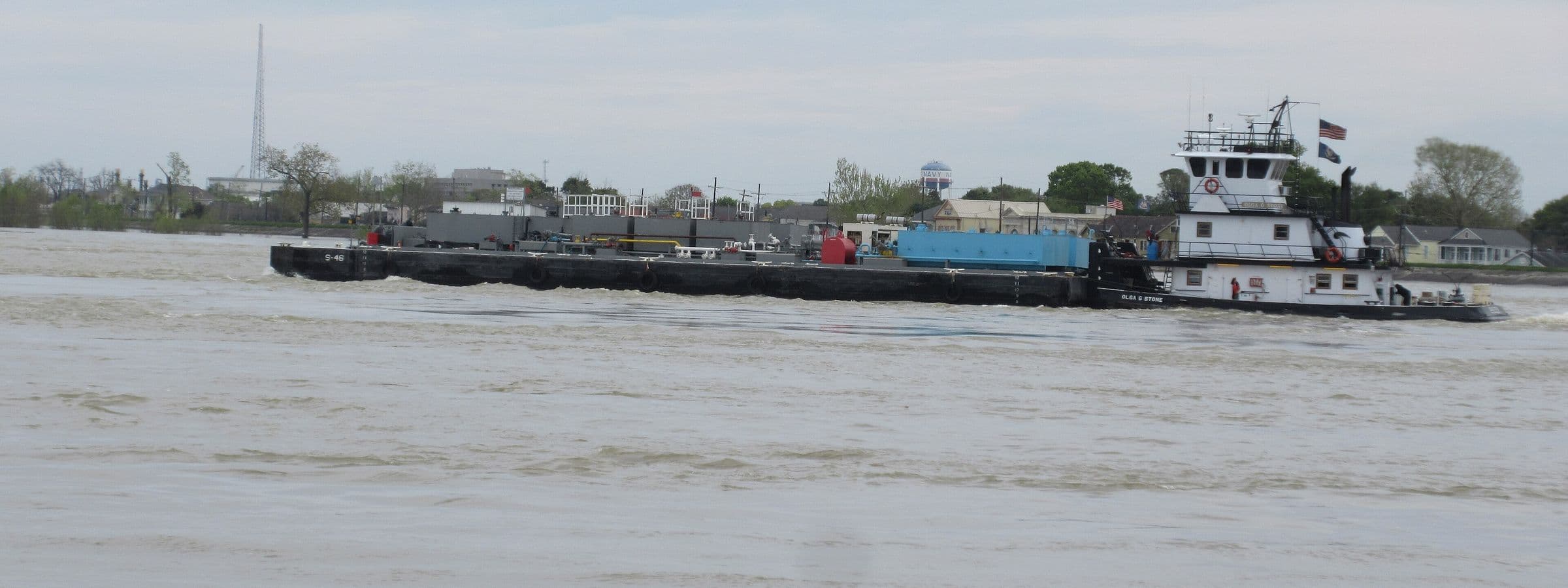
Louisiana has the Mississippi River delta, bayou networks, coastal marshes, and Lake Pontchartrain — an enormous range of water types in a small area. Bayous are slow, dark, and full of old debris from generations of fishing and navigation. The New Orleans waterfront and old port infrastructure along the Mississippi is historically rich, though access to active port areas is restricted.
Is it legal? Louisiana Department of Wildlife & Fisheries doesn't specifically ban magnet fishing, and the bayou network is largely publicly accessible. Louisiana has extensive coastal zone regulations, and some wetland areas are protected under both state and federal law — dropping a magnet in a protected marsh could cause problems. The State Historic Preservation Office covers any finds with historical significance.
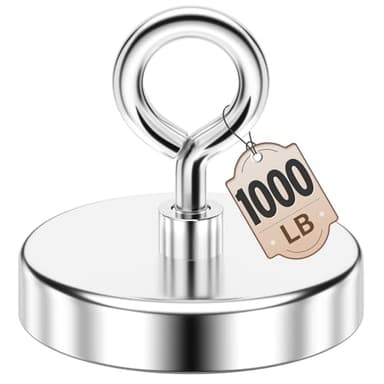
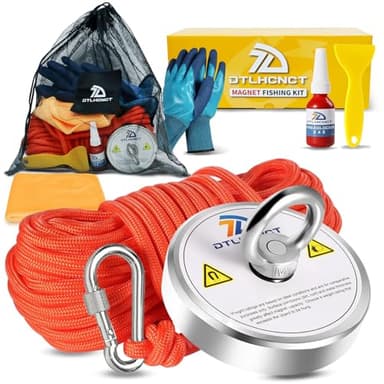
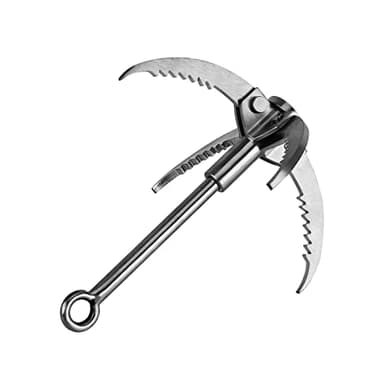
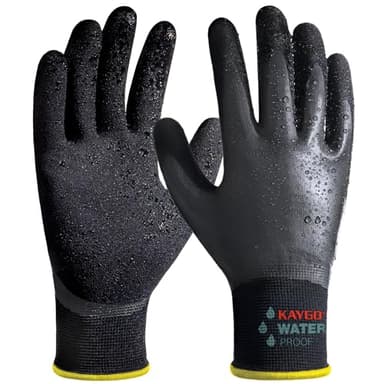
Best magnet fishing gear for Louisiana
Best magnet fishing spots in Louisiana
1. Mississippi River at the New Orleans Riverfront
New Orleans
This is the big one. The Mississippi near the French Quarter has been moving cargo, people, and garbage for centuries, and the bottom reflects all of it — old hardware, ship fittings, tools, and things that fell off the docks before your grandparents were born. Access is tricky because the current is genuinely dangerous and the levee system limits where you can legally get close to the water, but the spots near the Moonwalk and the ferry landings are workable. Depth drops fast so you're working the shallower margins near the bank.
2. Mississippi River at Algiers Point
New Orleans
One of the most historically loaded stretches of river in the country — this bend across from the French Quarter has seen everything from Civil War-era activity to a century of commercial shipping. People have pulled chain, anchors, and what looks like very old iron hardware from the shallower edges near the ferry landing. Access is decent from the levee path, but the current here is no joke, so you're working the margins, not the middle.
3. Mississippi River at Woldenberg Park
New Orleans
One of the most historically loaded stretches of river in the country — this waterfront has seen everything from Civil War gunboats to decades of commercial shipping, and the bottom reflects that. People have pulled iron ship hardware, old anchors, and plenty of unidentifiable industrial debris from the accessible bank areas here. Current is serious and the water is brown as chocolate milk, but you're not here for visibility — you're here for history.
4. Lake Pontchartrain Causeway Area
Metairie
The lake itself is massive and shallow — average depth around 12 to 14 feet — and the causeway pilings and the old lakefront structures have been collecting metal for decades. People have pulled up old anchors, chains, and a surprising amount of fishing gear lost off the bridges. The north and south shore access points have decent parking and you can walk sections of the seawall without too much hassle.
5. Atchafalaya River at Butte La Rose Boat Launch
Butte La Rose
The Atchafalaya Basin is a different world — vast, murky, and full of old fishing camps, sunken boats, and decades of forgotten metal. The boat launch area gives you legal bank access and a decent footprint to work from without having to wade into the basin's wilder sections. Depth drops fast here and you'll want a long rope because the bottom is soft silt that can eat your throw if you're not careful.
6. Bayou St. John
New Orleans
Bayou St. John runs right through Mid-City and it's got a long history as a navigation channel dating back to colonial times. The water is murky as expected but the bottom has layers — old iron hardware, bike frames, and occasionally weirder stuff given its urban location. Banks are accessible from the park greenway on both sides, it's walkable, and parking isn't a nightmare by New Orleans standards.
7. Red River at Shreveport Riverfront
Shreveport
The Red River has a complicated history — it was a major commercial waterway and the riverfront at Shreveport saw serious boat traffic for well over a century. The riverfront park gives you reasonable access, the banks slope gradually in places, and the bottom holds old hardware, rope fittings, and occasional larger iron pieces from the old dock era. Visibility is basically zero but the current is more manageable than the Mississippi.
8. Red River at Bossier City Riverwalk
Bossier City
The Red River has a long history of commercial navigation and military activity going back to the Civil War, and the riverwalk area gives you paved access right down to the water's edge. The sediment is heavy here — classic Red River red clay — but that same sediment has preserved a lot of old iron. People have reportedly pulled anchors, chain lengths, and old farm implements from the shallower stretches.
9. Red River at Bossier City Riverfront
Bossier City
The Red River has seen riverboat traffic, military operations, and a whole lot of commercial fishing, and the Bossier City riverfront gives you accessible bank spots with decent parking nearby. The current isn't as brutal as the Mississippi but it's still moving, and the bottom has produced old tools, chain sections, and fishing gear from people who've worked these banks for a century. It's a longer throw from the bank in some sections but worth the effort.
10. Ouachita River at Monroe
Monroe
The Ouachita is one of those rivers that doesn't get talked about much in magnet fishing circles but probably should be. It's been a working river for a long time — steamboat era, logging, and industrial use all left things behind. The riverfront at Monroe has park access with easy bank fishing spots, and the depth is workable without being intimidating. People have come up with old iron fasteners, tools, and the usual urban river debris.
11. Bayou Teche at New Iberia
New Iberia
Bayou Teche was a major transportation route through the Cajun heartland for well over a century, which means old boat hardware, tools, and general waterway debris have been accumulating for a long time. The bank access in town near Bouligny Plaza is solid — paved, public, and not too far from the water. The bayou runs slow here, which makes throwing and retrieving a lot less stressful than working river current.
12. Lake Pontchartrain Causeway North Shore Bank Access
Mandeville
The north shore of Lake Pontchartrain has boat launch areas and shoreline access that open up a huge, historically active lake to bank fishing. The lake bottom near old marina areas and public access points has produced anchors, engine parts, and old boat hardware — the lake was heavily trafficked for decades. It's a wide-open environment with better access than the south shore and parking that's not a nightmare.
13. Atchafalaya River at Butte La Rose
Butte La Rose
The Atchafalaya Basin is federally managed and you need to be careful about what you remove, but the river itself is a magnet fisher's dream on paper — it's carried an enormous amount of material from the upper basin and it's lined with the remnants of old fishing camps and boat landings. Butte La Rose has a boat launch and some bank access, though a flat-bottomed boat opens up way more of what's actually worth targeting here. The water is turbid and the current can get serious after heavy rain.
14. Ouachita River at Forsythe Park
Monroe
The Ouachita has been a working river since steamboat days, and the Monroe waterfront has seen enough commercial and industrial use to leave plenty of iron behind. Forsythe Park runs along the bank and gives you a long stretch of accessible shoreline with parking nearby. Depths vary, but the edges are workable without any special access or permits.
15. Ouachita River at Forsythe Park Access
Monroe
Monroe sits right on the Ouachita River and the park access gives you a clean bank spot with room to work and actual parking. The river has old bridge pilings, decades of fishing activity, and enough boat traffic history that the bottom is interesting — people have found old tools, tackle, and metal fishing gear in this stretch. Current is manageable compared to the big rivers further south.
16. Calcasieu River at Lake Charles
Lake Charles
Lake Charles sits on the Calcasieu River which feeds into the Gulf, and the industrial history here is significant — petrochemical docks, commercial shipping, and decades of port activity. The riverfront park area and the old bridge remnants are accessible and the bottom in the shallower sections near the banks yields old iron fairly regularly. It's a working industrial river so there's a lot of modern debris mixed in, but digging through that is just part of it.
17. Lake Pontchartrain Causeway South Shore
Metairie
The south shore access points near the causeway toll plaza sit on the edge of a lake that's been heavily used for recreation, fishing, and even some industrial activity going back decades. The bottom is soft and silty, but bridge and pier infrastructure concentrates dropped and dumped metal over time. People have found boat hardware, tackle boxes, and assorted debris within throwing distance of the concrete structures.
18. Sabine River at Deweyville Crossing Area
Many
The Sabine forms the Louisiana-Texas border and the crossing areas have seen a ton of old bridge construction, logging operations, and decades of river traffic that left hardware behind. The bottom is sandy in stretches which makes for cleaner pulls and less snag frustration than the silty southern waterways. It's more remote, so you'll need to plan your access point, but the finds tend to be older and more interesting than urban spots.
19. Tchefuncte River at Madisonville
Madisonville
Madisonville sits where the Tchefuncte meets Lake Pontchartrain and it's got a long history as a small boat building and fishing community. The old wooden boat works and the historic waterfront mean there's old iron in the river — spikes, hardware, anchor chain — going back well over a hundred years. The town is small and access to the riverbank near the museum area is easy, with parking right there.
20. Sabine River at Many
Many
The Sabine forms the Louisiana-Texas border up in the Sabine Parish area, and the river near Many has public boat launch access without a lot of crowd pressure. It's a cleaner, sandier bottom than most Louisiana waterways, which means better retrieval odds and less of a fight with suction. Old logging and timber transport history along this stretch means there's a real chance of pulling up old iron hardware.
21. Bayou Lafourche at Thibodaux City Park
Thibodaux
Bayou Lafourche was once called the longest main street in the world because of how many communities lined its banks, and all that history means the bottom has been collecting metal for a very long time. The Thibodaux city park section gives you easy bank access in a town that grew up around this waterway, and depth is gentle enough that you're not throwing blind into a chasm. Old agricultural hardware and boat parts are common finds in this stretch.
22. Bayou Lafourche at Thibodaux
Thibodaux
Bayou Lafourche used to be a distributary of the Mississippi and it's been a working waterway through Cajun country for centuries — plantation-era commerce, fishing boats, and the old sugar industry all contributed to what's sitting on the bottom. Near Thibodaux the bayou is accessible from several road crossings and the banks are generally manageable. The water is slow-moving here which makes long throws easier and gives your rope time to settle.
23. Calcasieu River at Lake Charles Civic Center
Lake Charles
Lake Charles sits on the Calcasieu River, which has a long industrial and petrochemical history — that sounds unglamorous, but it means decades of dropped tools, hardware, and miscellaneous metal debris. The civic center waterfront gives you paved access and decent parking, which makes logistics a lot easier. The river here is deep in spots, so rope length actually matters.
24. Calcasieu River at Lake Charles Civic Center Waterfront
Lake Charles
Lake Charles built its identity around the Calcasieu River and the waterfront near the civic center has seen boat docks, fishing piers, and commercial activity for well over a century. The bottom near old dock infrastructure is where the interesting pulls happen — chain, anchors, and hardware from boats that worked the river long ago. Parking is reasonable and the bank access is one of the more user-friendly setups in southwest Louisiana.
25. Old River Control Structure Area — Red River Landing
Lettsworth
Red River Landing is where the Old River Control Structure meets the Mississippi, and this is serious historical territory — Civil War era activity, steamboat traffic, and a century of flood control infrastructure have all left marks here. It's remote, which means fewer people competing for spots, but access requires some planning and the current near the main channel is nothing to mess with. Stick to the calmer backwater edges and you'll find old iron that's been sitting undisturbed for a long time.
26. Vermilion River at Abbeville
Abbeville
Abbeville sits on the Vermilion River in the heart of Cajun country, and the downtown area has old bridge structures and public bank access that make it a legit spot. The river has been used for commercial fishing and small-boat traffic for generations, and the bottom reflects that — old anchor chain, crawfish trap hardware, and random iron show up here. It's an underrated spot that doesn't get a lot of magnet fishing traffic yet.
27. False River
New Roads
False River is an oxbow lake — a cut-off meander of the Mississippi that's been sitting there collecting stuff since the river changed course. That isolation and long history of recreational boating and fishing means the bottom has layers of old hardware, anchors, and gear that never got retrieved. Access is easy from several public spots around the perimeter and the water is calmer than anything connected to the main river system.
Magnet fishing in Louisiana — FAQ
Is magnet fishing legal in Louisiana?+
What do I do if I pull up something that looks historically significant?+
Can I magnet fish in the Mississippi River near New Orleans?+
What pull force do I actually need for bayou fishing?+
How long should my rope be for Louisiana water spots?+
Is bayou water safe to be around while magnet fishing?+
What kinds of things do people actually find in Louisiana bayous?+
Here are some magnet fishing finds in Louisiana
- In May 2024, a magnet fisher on Bayou St. John in New Orleans pulled up a human skull padlocked to a 15-pound dumbbell, along with a handgun and a gun barrel, and flagged down a passing police officer (via CBS News).
- In September 2024, Bryce Nachtwey and Joseph Harrick pulled an ATM, several guns, and a safe holding deposit bags and about $50,000 in casino vouchers out of a canal in New Orleans East. It had all been stolen from Carrollton Station Bar months earlier, and they turned everything over to NOPD (via WGNO).
- In September 2025, a magnet fishing crew recovered a firearm from Cross Lake in Shreveport that a woman had been filmed throwing off a bridge. The gun had been reported stolen in Fort Worth, and Shreveport police made an arrest (via KTAL).
- In February 2023, magnet fishers near Breaux Bridge pulled up what turned out to be an M31 anti-tank rifle grenade. Fort Polk's explosive ordnance team responded and confirmed it was inert (via Military Times).
- A reader told us they have found knives, scrap iron, and a lot of lures at the Lake Charles Civic Center seawall.
Looking for more magnet fishing spots near Louisiana? Check out our guides for Arkansas, Mississippi, and Texas — all neighbouring states with their own rivers, lakes, and access points worth exploring.
Best Magnet Fishing Magnets
Find the best magnet for magnet fishing — from 500 lb beginner picks to 2,000 lb+ heavy hitters.
Find your magnet →Best Magnet Fishing Accessories
Rope, gloves, grappling hooks, buckets, and more — the magnet-fishing accessories that actually matter.
Browse accessories →Best Magnet Fishing Kits
Looking for the best magnet fishing kit? Top picks that bundle a strong magnet, rated rope, and gloves.
See the kits →Pulled something good out of Louisiana's water?
We're always adding new spots and finds. Share your favorite Louisianalocation or your best haul and we'll feature it on the site.