Magnet Fishing in South Carolina: Know the Rules Before You Go
South Carolina has some of the most historically rich waterways on the East Coast — Charleston Harbor, the ACE Basin, the Santee River system — but SCIAA's jurisdiction under the Underwater Antiquities Act means you need to understand the rules before you drop a magnet. This state isn't banned outright, but it's more…
Magnet fishing in South Carolina — quick info
Recommended Pull Force
Recommended Rope Length
Beginner Difficulty
Typical Water Conditions
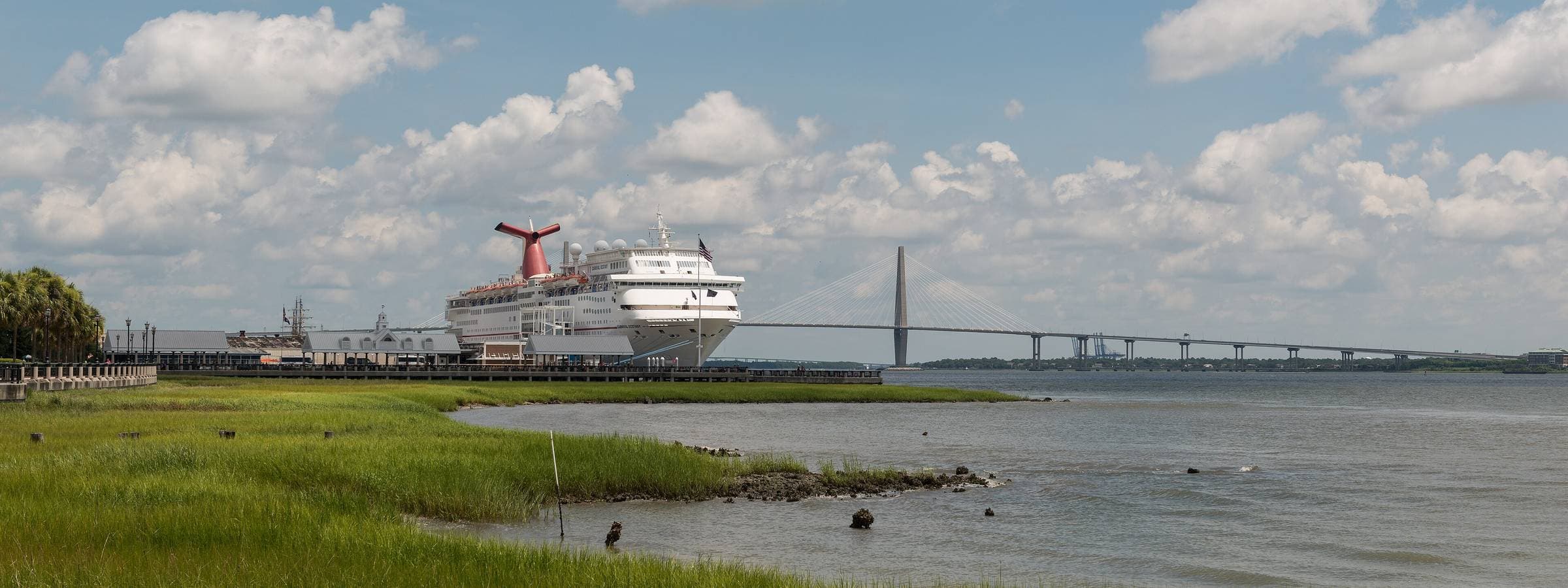
South Carolina has the Santee, Savannah, and Congaree river systems, plus a significant Atlantic coastline with tidal creeks and historic port access in Charleston. The ACE Basin — where the Ashepoo, Combahee, and Edisto rivers meet — is one of the largest undeveloped estuaries on the East Coast. Charleston Harbor has obvious historical significance and has been an active port for over 300 years.
Is it legal? South Carolina is one of the states where magnet fishing exists in a complicated legal space — the South Carolina Institute of Archaeology and Anthropology (SCIAA) has jurisdiction over submerged cultural resources, and they take it seriously. The state's Underwater Antiquities Act gives SCIAA broad authority over anything recovered from state waters that has archaeological significance. Proceed carefully, report finds, and consider contacting SCIAA before you start if you're near historically sensitive areas.
Best magnet fishing gear for South Carolina
Best magnet fishing spots in South Carolina
1. Congaree River at Gervais Street Bridge
Columbia
The Congaree runs fast and deep under the Gervais Street Bridge, and it's been a crossing point since before the Civil War — which means a lot of old iron has settled into that riverbed over the decades. People have pulled anchors, chains, and enough scrap metal to fill a truck bed. There's decent street parking nearby and bank access is workable from the Riverwalk side.
2. Cooper River at the Old Town Landing
Moncks Corner
The Cooper River drains the Santee-Cooper reservoir system and has been a working commercial waterway for centuries, which means there's serious history under the water here. Boat traffic, old ferry crossings, and Civil War-era activity along the banks have left a lot behind. The Old Town Landing gives you legitimate public access and the depth is manageable close to shore.
3. Savannah River at Augusta Canal Head Gates
North Augusta
The Savannah River forms the state line right here and this section near the canal infrastructure has decades of industrial and recreational use layered into the bottom. Old hardware, chain, and miscellaneous iron show up regularly where the canal gates direct flow. The banks are accessible and the water isn't extremely deep close to shore, which helps with retrieval.
4. Savannah River at Augusta Road Crossing
North Augusta
The Savannah River forms the state line here and has seen everything from colonial-era river trade to Civil War troop crossings, which means the bottom has history in it. Iron fittings, old chain links, and military hardware have all come up from this stretch over the years. Bank access on the South Carolina side is manageable and there's parking at several pull-offs along the road.
5. Savannah River at Augusta Road Boat Ramp
North Augusta
The Savannah River forms the state line here and has seen everything from colonial-era river traffic to 20th-century industrial use, and the bottom reflects all of it. North Augusta sits right on the water and the boat ramp gives you clean, direct access without a hike. Depth right off the ramp drops quickly, and the current is enough to carry things downstream and deposit them in the slower bends.
6. Cooper River at Remley's Point
Mount Pleasant
The Cooper River saw enormous Civil War activity and the surrounding tidal creeks and banks around Remley's Point have produced some genuinely old iron finds over the years. Tidal action is significant here — things move around seasonally and what's buried one month might be exposed the next. Access from the boat landing is straightforward and there's parking.
7. Broad River at Dreher Island State Park
Prosperity
Dreher Island sits in Lake Murray, which was formed by flooding the Broad River valley in the 1930s — and everything that was down there when they closed the dam is still down there. People have pulled farm equipment remnants, old tools, and structural ironwork in this area. The state park gives you legal bank access and there are multiple points along the shoreline worth working.
8. Broad River at Garner's Ferry Road Bridge
Columbia
The Broad River converges with the Saluda nearby and this bridge crossing has old road infrastructure history that translates to interesting finds on the bottom. Locals have pulled bolts, brackets, and old vehicle parts from around the bridge footings. Depth is workable from the bank and there's pull-off parking near the bridge approach.
9. Broad River Boat Ramp at Brickhouse Road
Irmo
This stretch of the Broad River west of Columbia gets a lot of recreational boat traffic, which means decades of dropped gear, lost anchors, and misc hardware accumulating on the bottom. The boat ramp itself is a classic hotspot — people have pulled weights, iron brackets, and assorted tackle-related metal from right around the ramp area. Parking is easy and the bank is flat enough that you're not fighting the terrain.
10. Waccamaw River at Conway Riverwalk
Conway
Conway's historic downtown sits right on the Waccamaw River, and the riverwalk runs along a stretch that's seen boat traffic, fishing, and foot bridges for over a hundred years. The dark, tannin-stained water hides a surprising amount of old hardware and dropped gear. Access is easy — downtown parking, flat bank, and the river is calm enough here that you don't need to fight the current.
11. Winyah Bay at Georgetown Landing
Georgetown
Georgetown is one of South Carolina's oldest port cities and Winyah Bay has been receiving ships, cargo, and whatever fell overboard since the colonial era. The Georgetown waterfront and public landing give you tidal access to water with serious historical depth — rice plantation infrastructure, shipping hardware, and old maritime iron have all come up in this area. Tidal windows matter here so check your timing.
12. Lake Murray Dam Spillway
Ballentine
Lake Murray is one of the biggest reservoirs in the Southeast and the dam spillway area sees consistent foot traffic from anglers and boaters who've been dropping metal in that water for nearly a century. Old fishing gear, iron weights, and construction-era hardware from the dam's 1930s build have all reportedly come up from this area. The spillway access point has a gravel lot and the banks are walkable.
13. Saluda River at Riverfront Park
Columbia
Riverfront Park on the Saluda has been cleaned up and opened for recreation, but the river itself hasn't forgotten a century of mill activity upstream. Old bolts, brackets, and iron hardware from the textile mill era show up here regularly. The bank access is maintained, there's parking, and the shallower edges close to shore are worth working before the bottom drops off.
14. Saluda River at Riverbanks Park
West Columbia
The Saluda runs past the edge of Riverbanks Zoo and Botanical Garden and there's legitimate public river access at points along this corridor. The riverbed here has collected iron from old bridge work and nearby industrial history, and the bottom is rocky in places which means things wedge in and stay put until a magnet finds them. Depth is shallow enough close to shore to work without a super long rope.
15. Winyah Bay at the Georgetown Waterfront
Georgetown
Georgetown's waterfront sits at the confluence of four rivers draining into Winyah Bay, and the town has been a working port since the 1700s. That's a long time to drop iron into the water. Old dock hardware, ship fittings, and Colonial-era metal have all been found in and around this area. The waterfront is publicly accessible with parking right along the water.
16. Black River at Rhems Landing
Andrews
The Black River is one of those slow, blackwater rivers that looks like it's barely moving but has been a working waterway for timber and agriculture for generations. Rhems Landing is a public boat access point and the sandy bottom here holds finds surprisingly well — things sink in and stay put. Not heavily fished by magnet fishers yet, which is part of the appeal.
17. Edisto River at Givhans Ferry State Park
Ridgeville
The Edisto is one of the longest free-flowing blackwater rivers in the country and Givhans Ferry has been a crossing point since the 1700s — that kind of long use means iron on the bottom from ferry hardware, crossings, and whatever travelers dropped over centuries. The dark tannic water hides everything, which is part of the appeal. Parking and river access are good at the state park.
18. Saluda River at Pelzer Ford Bridge
Pelzer
The old ford crossing at Pelzer was used heavily during the Civil War era and the iron hardware from that period — horseshoes, wagon wheel rims, military equipment — has been turning up in this stretch of the Saluda for years. The river is shallower here than most South Carolina spots, which actually makes retrieval easier when something big grabs. Bank access is decent on the downstream side of the bridge.
19. Edisto River at Canadys
Canadys
The Edisto is one of the longest free-flowing blackwater rivers in North America, and the Canadys area has an old bridge site and boat landing that has concentrated activity in one spot for a long time. Dropped tools, old tackle, and boat hardware are common finds. The access here is straightforward and the river is manageable even for newer magnet fishers because the flow is gentle.
20. Wateree River at Camden Crossing
Camden
Camden has Revolutionary War history running through it and the Wateree River crossings in this area were strategically important — military hardware, horseshoes, and old iron fittings have reportedly come up around the historic ford areas. The river is accessible at several points near town and the bottom in calmer sections holds material well. Depth varies but bank fishing is doable.
21. Catawba River at Nation Ford Road
Fort Mill
Nation Ford is one of the most historically significant river crossings in the Carolinas — multiple armies crossed here and the ford saw heavy use from the Revolution through the Civil War. Iron has been coming out of this stretch of the Catawba for as long as people have been looking. The access road gets you close to the water and the bottom is rocky gravel, which means things settle rather than sink deep into silt.
22. Lynches River at Johnsonville
Johnsonville
Lynches River runs through the Pee Dee region and is underrated as a magnet fishing spot — there's a state park upstream but the Johnsonville area has public water access and far less traffic. The river has been a local transportation and farming corridor for a long time, and old bridge hardware from previous crossings is a known find in this stretch. Shallow edges transition to deeper channels pretty quickly off the bank.
23. Black River at Kingstree Landing
Kingstree
The Black River is another blackwater system in the coastal plain and Kingstree has had river commerce and ferry crossings going back to the 1700s. The public landing at Kingstree gives clean access and the river bottom in this area has produced old chain links, hardware, and general iron debris from decades of river use. It's a quieter spot than the Midlands rivers and you'll likely have it to yourself.
24. Black River at Kingstree Bridge
Kingstree
The Black River runs dark and slow through the coastal plain and the old bridge at Kingstree has been a crossing point for long enough that the bottom underneath it is basically a time capsule. Old iron hardware, submerged timber fasteners, and general town-bridge debris have all come up here. The water is dark — tannic staining from the swamp drainage — so you're fishing blind, which is honestly how I prefer it.
25. Intracoastal Waterway at Murrells Inlet
Murrells Inlet
Murrells Inlet is a busy tidal inlet with a long history of commercial and recreational boating, and the Intracoastal Waterway running through it has seen decades of boat traffic dropping things overboard. Anchors, cleats, propellers, and old dock hardware are the kinds of finds people report here. Tidal timing matters a lot — low tide access near the public dock areas opens up spots that are underwater the rest of the day.
26. Lynches River at Johnsonville Bridge
Johnsonville
Lynches River runs through a lot of rural South Carolina before it reaches the Pee Dee and the bridge crossings in this area have old county road history behind them. The Johnsonville bridge site has iron debris from decades of road and bridge maintenance accumulated in the bend nearby. Access is from the road shoulder, nothing fancy, and the river is shallow enough on the edges to work without deep-water gear.
Magnet fishing in South Carolina — FAQ
Is magnet fishing legal in South Carolina?+
What pull force do I actually need for South Carolina waters?+
What happens if I find something that looks old or historically significant?+
How long should my rope be for South Carolina rivers and tidal creeks?+
Can I magnet fish in Charleston Harbor?+
What kind of finds should I expect in South Carolina?+
Do I need a permit to magnet fish in South Carolina state parks or boat ramps?+
Looking for more magnet fishing spots near South Carolina? Check out our guides for Georgia and North Carolina — all neighbouring states with their own rivers, lakes, and access points worth exploring.
Best Magnet Fishing Magnets
Find the best magnet for magnet fishing — from 500 lb beginner picks to 2,000 lb+ heavy hitters.
Find your magnet →Best Magnet Fishing Accessories
Rope, gloves, grappling hooks, buckets, and more — the magnet-fishing accessories that actually matter.
Browse accessories →Best Magnet Fishing Kits
Looking for the best magnet fishing kit? Top picks that bundle a strong magnet, rated rope, and gloves.
See the kits →Pulled something good out of South Carolina's water?
We're always adding new spots and finds. Share your favorite South Carolinalocation or your best haul and we'll feature it on the site.