
Magnet Fishing in North Carolina: Sounds, Capes and River Towns
North Carolina's geography is genuinely varied — you've got tidal sounds, Atlantic inlets, Piedmont rivers running through old mill towns, and fast mountain streams in the west. The Outer Banks area has serious maritime history. CAMA adds a coastal access layer, but inland rivers are pretty straightforward.
Not fishing North Carolina? See the best places to magnet fish in all 50 states. New to the hobby? Start with the complete guide to how to go magnet fishing.
Is magnet fishing legal in North Carolina?
AllowedYes. North Carolina permits magnet fishing in navigable public waters, and no fishing license or permit is required. Artifacts from before 1790 are protected under Chapter 70, and Outer Banks shipwreck sites are protected separately, so leave anything old where it is and report it.
North Carolina Wildlife Resources Commission doesn't specifically prohibit magnet fishing. The Outer Banks and coastal sounds have additional jurisdiction from the Division of Marine Fisheries and CAMA (Coastal Area Management Act), which can restrict activities in certain coastal zones. North Carolina has documented shipwrecks off its coast with legal protections, and the State Historic Preservation Office covers any significant finds.
Statute, agency and the local gotcha for every state: North Carolina in the state-by-state magnet fishing laws guide.
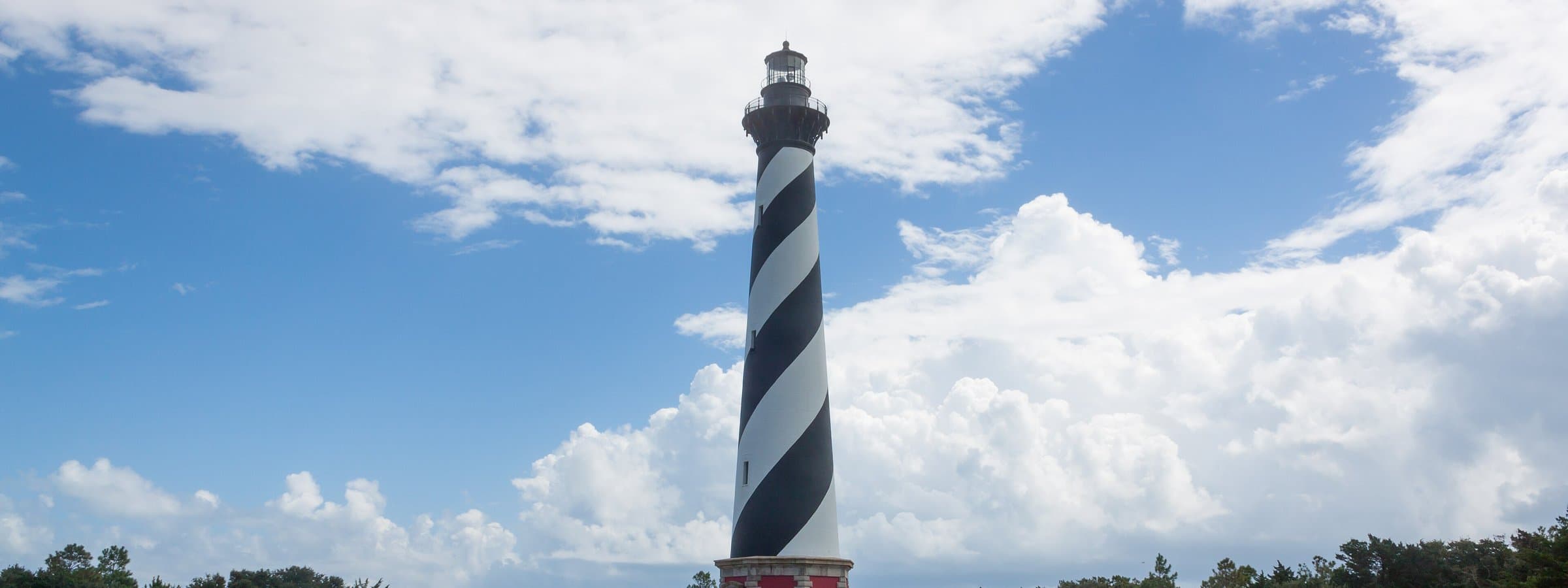
Magnet fishing in North Carolina — quick info
Recommended Pull Force
Recommended Rope Length
Beginner Difficulty
Typical Water Conditions
North Carolina has the Cape Fear, Neuse, and Yadkin-Pee Dee river systems draining into the Atlantic, plus the Outer Banks with their dramatic inlet and sound geography. The sounds — Pamlico and Albemarle — are shallow, wind-affected, and historically active with maritime traffic. Mountain rivers in the western part of the state run clear and fast.
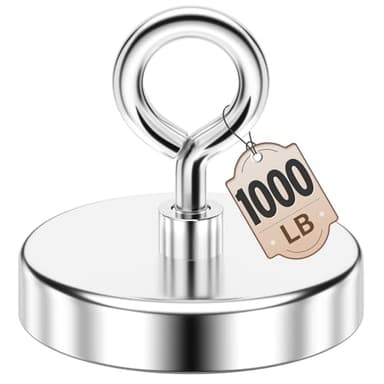
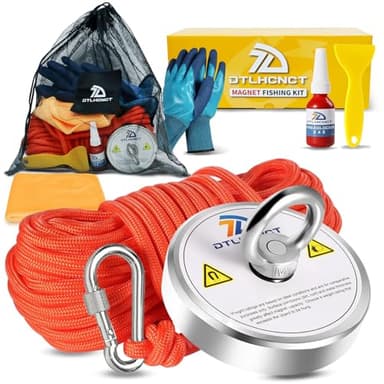
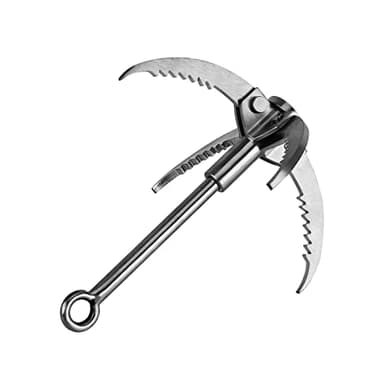
Best magnet fishing gear for North Carolina
Best magnet fishing spots in North Carolina
1. Cape Fear River - Downtown Wilmington Waterfront
Wilmington
The stretch of Cape Fear River running along the Wilmington waterfront has been a working port for centuries, and the riverbed shows it. People have pulled up old ironwork, ship hardware, anchors, and decades worth of dropped tools from the docks. Access is easy right off Water Street, parking is a short walk, and the depth close to the bulkhead is shallow enough that you can work a rope without losing your whole arm to current.
2. Cape Fear River (Downtown Wilmington Waterfront)
Wilmington
The Cape Fear River running past downtown Wilmington has been a working waterway for over 300 years — naval stores, cotton, wartime traffic, all of it. People have pulled old hardware, military-era scrap, anchor chains, and general industrial debris out of here. Access is easy along the Riverwalk, and the water is shallow enough near the banks that you don't need a ridiculous amount of rope.
3. Cape Fear River Downtown Waterfront
Wilmington
The Cape Fear runs through one of North Carolina's oldest port cities, and the riverbed near the historic downtown reflects that — old shipping hardware, dock anchors, chain sections, and general industrial debris from a couple hundred years of river commerce. Access is easy along the Riverwalk, which runs for miles with plenty of spots to drop a magnet off the seawall or the old dock pilings. Depth varies but the edges near the walls are shallow enough to work a rope without much trouble.
4. Albemarle Sound - Edenton Bay
Edenton
Edenton sits on one of the oldest harbors in North Carolina, and the bay has been swallowing colonial-era ironwork since the 1700s. The town wharf and the area around the historic waterfront are accessible on foot, and shallow wading is possible near the shoreline. People have found ship fittings, old spikes, and general hardware that looks like it predates anything you'd expect to find in a modern creek.
5. Albemarle Sound (Edenton Bay)
Edenton
Edenton sits right on the western end of Albemarle Sound, and the town's waterfront goes back to colonial times — this was one of North Carolina's earliest ports. The bay shallows near the town dock have produced old iron fittings, chain links, and miscellaneous hardware from centuries of boat traffic. Parking is right there at the waterfront park, and the access is as easy as it gets.
6. Albemarle Sound — Edenton Bay
Edenton
Edenton is one of the oldest towns in North Carolina and the waterfront on Albemarle Sound has been active since colonial times — there's real history sitting on that muddy bottom. People have pulled out old iron fittings, chain, and boat hardware going back who knows how long. The town dock and the waterfront park give you easy public access with parking right there, and the water near the pilings is calm enough that you don't need to fight the conditions.
7. Yadkin River - Shallow Ford Access Area
Boonville
Shallow Ford is a historic river crossing on the Yadkin that dates back to the Revolutionary War, and the gravel bottom there has seen a lot of foot and wagon traffic over the centuries. The water is clear and relatively slow at low flow, which makes spotting targets easy and retrieval straightforward. Wading is doable in summer and the parking area off Shallow Ford Road makes this one of the more accessible river spots in the Piedmont.
8. Yadkin River (Trading Ford)
Salisbury
Trading Ford is one of the oldest crossing points on the Yadkin River, used by Native Americans and later by Colonial-era travelers and Revolutionary War troops — Cornwallis crossed here in 1781. The shallow ford has centuries of dropped, lost, and abandoned metal objects sitting in it. The river is accessible from the Trading Ford Road area, and the water depth at the crossing stays manageable for most of the year.
9. Yadkin River at River Park
Rockwell
The Yadkin cuts through a long stretch of Piedmont North Carolina that used to be heavy with textile mills and small industry, and the river has collected evidence of all of it over the decades. The Rockwell River Park gives you a solid public launch point with parking, and the banks are accessible enough that you're not fighting through brush to get to the water. People fishing here have pulled out old tools, iron pipes, and the usual assortment of metal that finds its way into working rivers.
10. Jordan Lake - New Hope Overlook Boat Ramp
Apex
Jordan Lake gets hammered by weekend boaters, and boat ramps are where magnets earn their keep. Lost anchors, dropped tools, trailer hardware, and the occasional prop — it adds up over decades of heavy recreational use. The New Hope Overlook ramp has plenty of room to work from the shore and a paved lot, which is about as beginner-friendly as it gets in the Triangle.
11. Jordan Lake (New Hope Overlook Access Area)
Apex
Jordan Lake is a massive Army Corps of Engineers reservoir that flooded the New Hope Creek valley in the 1980s — which means there's submerged farmland, old roads, and structural debris sitting under that water. The New Hope Overlook access area gives you a decent bank spot with parking and easy walking distance to the water. Finds have included old farm equipment fragments, iron hardware, and the general refuse of flooded rural life.
12. Jordan Lake State Recreation Area — Pea Ridge Access
Apex
Jordan Lake is enormous and gets a ton of recreational boat traffic, which means stuff ends up in the water on a regular basis — lost anchors, fishing gear, boat hardware, and whatever falls off docks. The Pea Ridge boat ramp area has parking and a developed shoreline that makes it easy to work without trespassing on anything. The water near the ramps and launch areas tends to concentrate the good finds since that's where the most activity happens.
13. Catawba River - Lookout Shoals Access
Catawba
The Catawba ran through textile and industrial country for most of the 20th century, and the riverbed near old mill crossings and access points tends to reflect that history. Lookout Shoals gives you a rocky, moderate-depth section with good shore access and light foot traffic. It's not the flashiest spot but the industrial corridor history means you're not just pulling up pop cans.
14. French Broad River (Amboy Road Bridge)
Asheville
The French Broad runs right through Asheville and has been an industrial and recreational corridor for a long time — old bridge hardware, flood debris, and years of urban runoff have left a lot sitting in the riverbed. The Amboy Road bridge area is accessible and popular with anglers, so the bank access is worn in and easy. The current here moves, so you'll want to account for drift when you're throwing.
15. New Bern Waterfront — Trent River Side
New Bern
New Bern sits right at the confluence of the Neuse and Trent rivers and has been a significant port and military town going back to the colonial era, including heavy Civil War activity. The Trent River side of the waterfront near Union Point Park is calmer than the Neuse and easier to work. Old iron, military hardware fragments, and general dock debris are all possibilities here — the town's history alone makes it worth a trip.
16. Pamlico River - Washington Waterfront
Washington
Washington, NC sits on the Pamlico River and has a long commercial waterfront history that most people outside the area don't know about. The shoreline along the city's historic district has public walkways and seawall access, and the mud bottom close to the bulkhead holds hardware from old fishing and cargo operations. Not a crowded spot, which is honestly part of the appeal.
17. Cape Fear River (Deep River Confluence)
Moncure
The spot where the Deep River meets the Cape Fear has old mill history behind it — this was industrial country in the 19th century, and the river traffic that came with that left metal behind. The confluence area is accessible from the Moncure boat ramp on Moncure-Pittsboro Road, and the water is deep enough to reward a good throw but not so deep you're burning through 100 feet of rope. Finds here have included old mill hardware and general iron scrap.
18. Catawba River — Riverbend Park
Gastonia
The Catawba ran alongside decades of industrial development in the western Piedmont — cotton mills, power infrastructure, and manufacturing operations all along its banks — and the river collected the byproduct of all that activity. Riverbend Park gives you a legit public access point with parking and trails down to the water, and the slower stretches near the park are manageable even for newer magnet fishers. People pull out old mill hardware, iron fittings, and occasionally stuff that's harder to identify.
19. French Broad River - Marshall River Park
Marshall
Marshall is a small mountain town that sits right on the French Broad, and the river here is fast and rocky in a way that makes it totally different from anything in the Piedmont or coast. The town bridge area and the small riverside park give you access to deep pools where heavier objects collect after flowing downstream. It takes some effort to work this spot well, but the current concentrates metal in predictable places if you know where to look.
20. Falls Lake (Rolling View State Recreation Area)
Wake Forest
Falls Lake was formed when the Neuse River was dammed in the early 1980s, and like Jordan Lake it swallowed farmland, roads, and old structures in the process. Rolling View is one of the more accessible launch and bank areas on the lake, with a real parking lot and cleared bank access. The submerged terrain here has produced random farm equipment bits and old iron hardware from whatever was sitting in that valley before the water came up.
21. Falls Lake State Recreation Area — Rolling View Access
Wake Forest
Falls Lake is the other major reservoir near Raleigh and it gets constant recreational use — kayakers, boaters, anglers — which means a steady supply of lost gear accumulating in the shallows near the access points. Rolling View has a developed boat ramp and swimming area, and the sandy-bottom shallows near the ramp are an easy starting point for beginners. It's not a historic site with war relics or anything, but the modern fishing gear and boat hardware adds up fast.
22. Falls Lake - Rolling View Recreation Area
Wake Forest
Falls Lake has been a boating and swimming destination since the 1980s, and the Rolling View area is one of the most heavily used access points on the reservoir. Decades of dropped anchors, swim platforms, and lost tackle have stacked up around the launch area and the swimming beach margins. It's easy access, good parking, and shallow enough near shore that you can actually see what you're swinging toward.
23. Pamlico River (Washington Waterfront)
Washington
Washington, NC sits right on the Pamlico River and has a working waterfront with deep maritime history — tobacco trade, naval stores, Civil War-era action all went through here. The city waterfront park gives you bank access along a stretch of river that's seen a lot of boat and barge traffic over the centuries. People fishing this stretch have turned up old iron fittings, anchor hardware, and general nautical debris.
24. French Broad River — Carrier Park Area
Asheville
The French Broad runs right through Asheville and the Carrier Park stretch is one of the most accessible urban river spots in the western mountains. The river here has a real current and a rocky bottom, which makes it a different kind of magnet fishing than a calm lake — but people have pulled out tools, old iron, and plenty of modern debris where the current slows near the banks. Parking at Carrier Park is free and the path to the river is easy.
25. Cape Fear River - Fayetteville Area Bridges
Fayetteville
The Cape Fear above Wilmington cuts through Fayetteville, and the old bridge crossings near downtown have had vehicles, tools, and equipment going into the water for generations. The current is manageable near the bank and access points under several of the bridges are reachable on foot. Military history in this region is everywhere, and while most of what you'll find is modern hardware, there's enough history in this river to keep things interesting.
26. New River (Linville Falls Area)
Jefferson
The New River in Ashe and Alleghany counties is one of the oldest rivers in North America, and it's been a human travel and trade corridor for an extremely long time. The area near Jefferson has several road bridges over the river with accessible banks, and the clear mountain water lets you actually see what you're pulling toward you. The rocky bottom is a snag risk but the same rocks trap metal objects and keep them from washing downstream.
27. Cape Fear River — Fayetteville Waterfront
Fayetteville
Fayetteville sits on the Cape Fear upriver from Wilmington and has its own long military and commercial history — this was a significant supply point during multiple conflicts and the river crossing here was strategically important. The waterfront park area gives you access to the river with parking nearby, and the bottom near the old bridge sites is where the interesting stuff tends to concentrate. Old iron, hardware, and military-adjacent finds have come up here.
28. New River - Fairgrounds Park Access
Jacksonville
The New River down in Onslow County is a different animal than the mountain New River up in Ashe County — this one runs through Jacksonville and empties into the coast near Camp Lejeune. The stretch near Fairgrounds Park has been a local hangout for decades and the bottom near the old boat ramp area tends to accumulate the kind of mixed metal debris that comes from years of recreational use. Tidal influence makes it brackish at times, which adds to the variety.
29. Catawba River (Bakers Creek Park)
Morganton
The Catawba River through Burke County ran alongside textile mills and industrial operations for most of the 20th century, and Bakers Creek flows into the Catawba near a stretch that has that industrial-era history written all over it. The park gives you easy bank access with parking, and the river bottom here is a mix of gravel and silt that holds iron debris without burying it too deep. Old mill hardware, bolts, and general iron scrap are common finds.
30. Chowan River — Colerain Landing
Colerain
The Chowan River is quieter and less visited than most spots on this list, which is exactly why it's worth mentioning — less competition, darker water, and a river that's been moving goods and people since before North Carolina was a state. Colerain Landing has a public boat ramp with direct water access and the slow current makes it easy to work a magnet without fighting the river. Old boat hardware and iron fittings are the usual gets, and the bottom is soft enough that stuff stays put once it sinks.
Magnet fishing in North Carolina — FAQ
Is magnet fishing legal in North Carolina?+
Can I magnet fish off the Outer Banks or in the sounds?+
What pull force magnet should I use in North Carolina's rivers?+
How much rope do I actually need for North Carolina spots?+
Are there shipwrecks I need to worry about legally in North Carolina?+
What are the best spots for magnet fishing in North Carolina?+
Do I need a fishing license to magnet fish in North Carolina?+
What should I do if I find something dangerous or suspicious?+
Is magnet fishing legal in South Carolina?+
Do you need a permit to magnet fish in North Carolina?+
Here are some magnet fishing finds in North Carolina
- Hayley Gilbert recently sent us a note that they found a charm that goes to a necklace at the Cape Fear Vineyard and Winery.
- Old coins, jewelry, and other valuables in urban waterways like the French Broad River in Asheville or the Cape Fear River in Fayetteville. Coins and jewelry lost over bridges or boardwalks are often found.
- Fishing lures, rods, reels, and other equipment in lakes and rivers across the state. Many fishing enthusiasts lose gear over years of fishing, which gets dredged up by magnet fishers.
- Bicycles, scooters, and other metal transported items are frequently found in waters near college campuses like Duke in Durham or UNC in Chapel Hill. Students likely accidentally drop items into waterways.
- Historic relics from North Carolina's past are found in rivers or lakes near historical sites. Civil War or Revolutionary War era weapons or equipment are occasionally uncovered.
- Interesting metal scraps like old car parts are found in industrial waterways like the Yadkin River near defunct North Carolina mills and factories.
Looking for more magnet fishing spots near North Carolina? Check out our guides for Georgia, South Carolina, Tennessee, and Virginia — all neighbouring states with their own rivers, lakes, and access points worth exploring.
Best Magnet Fishing Magnets
Find the best magnet for magnet fishing — from 500 lb beginner picks to 2,000 lb+ heavy hitters.
Find your magnet →Best Magnet Fishing Accessories
Rope, gloves, grappling hooks, buckets, and more — the magnet-fishing accessories that actually matter.
Browse accessories →Best Magnet Fishing Kits
Looking for the best magnet fishing kit? Top picks that bundle a strong magnet, rated rope, and gloves.
See the kits →Pulled something good out of North Carolina's water?
We're always adding new spots and finds. Share your favorite North Carolinalocation or your best haul and we'll feature it on the site.