
Magnet Fishing in Utah: Desert Reservoirs and Canyon Country Rules
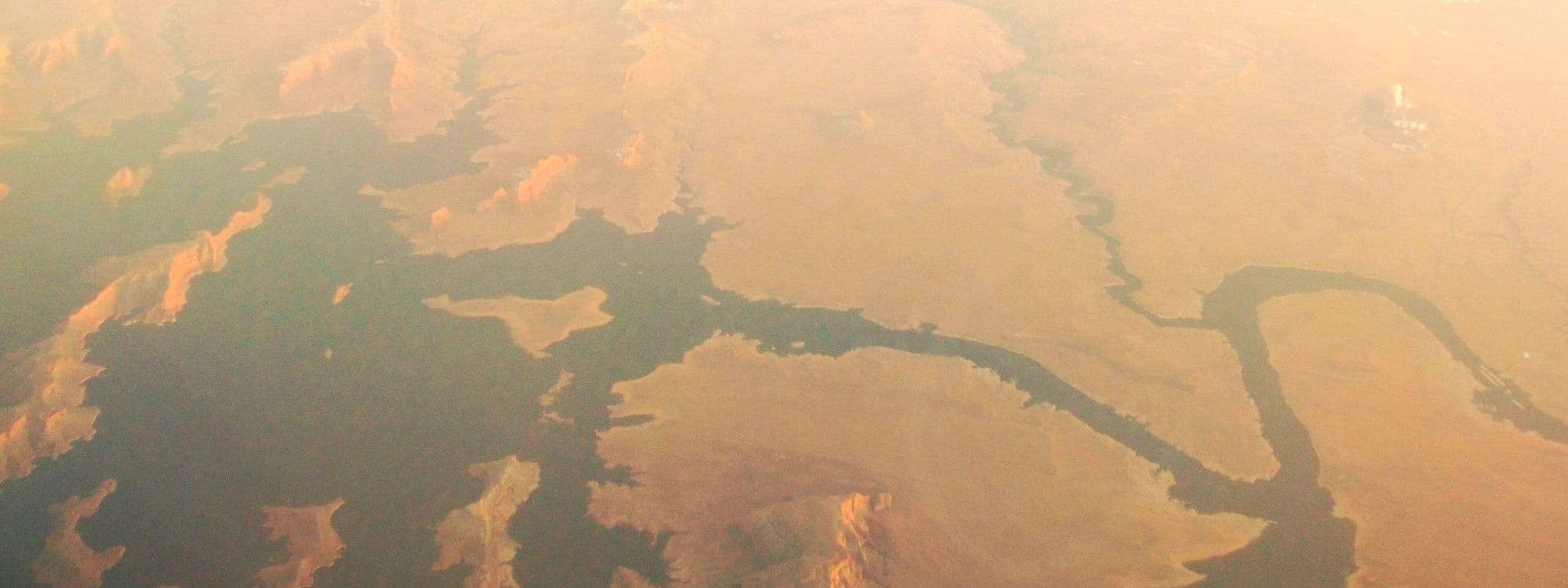
Utah's reservoirs are beautiful but the rules vary significantly by which agency manages them. Lake Powell is NPS territory — Glen Canyon NRA rules apply, and they're strict about removing objects. Jordanelle and Strawberry are more accessible under State Parks management. The Great Salt Lake is a dead end for magnet…
Not fishing Utah? See the best places to magnet fish in all 50 states. New to the hobby? Start with the complete guide to how to go magnet fishing.
Magnet fishing in Utah — quick info
Recommended Pull Force
Recommended Rope Length
Beginner Difficulty
Typical Water Conditions
Utah has the Great Salt Lake — which is essentially useless for magnet fishing due to extreme salinity and brine shrimp-choked water — but Lake Powell (shared with Arizona) and Utah Lake are the main productive spots. The Colorado River in canyon country is dramatic but extremely fast and remote. Jordanelle and Strawberry reservoirs see consistent recreational traffic.
Is it legal? Utah Division of Wildlife Resources doesn't specifically prohibit magnet fishing. Lake Powell is managed by the National Park Service as Glen Canyon NRA, and NPS rules apply — including restrictions on removing objects. Utah State Parks manages most other reservoirs with standard recreation rules. Utah Division of State History covers any archaeologically significant finds, and the Colorado Plateau has dense Native American archaeological heritage.
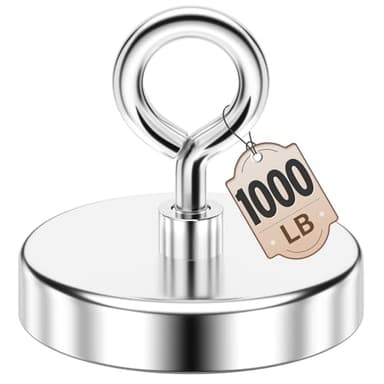
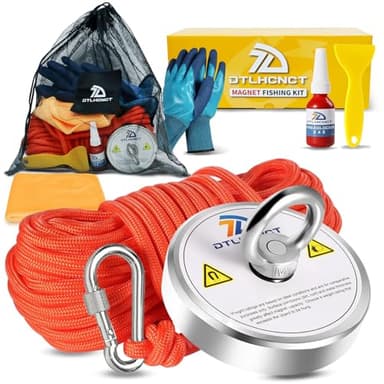
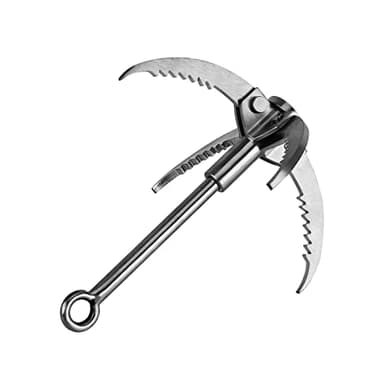
Best magnet fishing gear for Utah
Best magnet fishing spots in Utah
1. Jordan River
Salt Lake City
This urban river runs right through the Salt Lake Valley and has seen over a century of human activity along its banks. People have pulled bike frames, old tools, and a surprising amount of automotive parts from the shallower stretches near road crossings. Access is easy with the Jordan River Parkway trail running alongside most of it, and parking is plentiful at multiple trailhead lots.
2. Provo River
Provo
The Provo River runs through a heavily used recreation corridor and crosses under dozens of road and trail bridges between Utah Lake and Deer Creek Reservoir. Old hardware, fishing gear, and the occasional tool have been found in the slower pools under bridge crossings. Depth is generally shallow to moderate, which makes it very workable for beginners even though the current can be pushy in spring runoff.
3. Utah Lake
Lehi
Utah Lake is the largest freshwater lake in the state and has had public boat ramps, fishing piers, and recreational activity for well over a hundred years. The areas around the Lindon and Lehi boat ramps are particularly productive, with old anchors, weights, and fishing hardware being the most common finds. The lake is shallow overall — rarely more than 10 feet deep — which means you can reach the bottom in most spots without much effort.
4. Ogden River
Ogden
The Ogden River runs through a historically industrial corridor before emptying into the Great Salt Lake system, and that industrial history shows up in what people find — old railroad hardware, factory castings, and iron fittings that date back to when Ogden was a major Union Pacific hub. The stretch through Lorin Farr Park gives you solid public access with easy parking and a mix of calm and moderate current. Depths are shallow enough to wade in most spots.
5. Weber River at Gateway Park
Ogden
The Weber River passes through Ogden and under several historic bridges that have been there since the railroad era, which is exactly the kind of history that makes magnet fishing interesting. Old spikes, bolts, and metal debris from decades of industrial and recreational use show up regularly in the slower bends. Parking at Gateway Park gives you solid access to a good stretch of bank without any serious hiking.
6. Bear River
Brigham City
The Bear River near Brigham City drains a huge swath of northern Utah and has multiple bridge crossings where farm equipment, old fencing hardware, and general rural debris ends up over generations. The stretch near the US-91 crossing is accessible and has produced some solid finds from folks who've worked the area. Water levels can vary a lot seasonally, but late summer gives you the most exposed bank to work from.
7. Green River at Little Hole
Dutch John
The Green River below Flaming Gorge Dam is remote but has been a popular float and fishing destination for decades, meaning gear gets lost here constantly. Little Hole boat launch area is the most accessible spot and the calmer water below the rapids lets you work the bottom methodically. I'll be honest — getting out here takes some effort, but the history of this river corridor and the sheer volume of lost fishing and boating hardware makes it worth the drive.
8. Green River (town stretch)
Green River
The Green River running through the town of Green River has been a crossing point for travelers, railroads, and highway traffic since the mid-1800s, and old bridge sites along this stretch are loaded with decades of lost metal. The old US-6 bridge area and the city park boat launch give you the easiest access. It's a bigger river with some depth and current, so it's not quite beginner territory, but the history buried in that riverbed makes it worth the extra effort.
9. Green River (near town launch)
Green River
The Green River cuts through the eastern Utah desert and has been used by explorers, ranchers, and rafters for generations. The town boat launch area near Green River city is your best access point without a long hike. It's remote compared to the Wasatch Front spots, but the history embedded in this corridor — John Wesley Powell ran this river — means interesting finds are possible.
10. Ogden River Parkway
Ogden
The Ogden River through the parkway corridor is tight, urban, and has been surrounded by activity for over a century — which translates to a lot of metal at the bottom. Bridge crossings along the parkway trail are the obvious targets, and the contained channel means your casts don't need to be long. Parking is straightforward at multiple points along the parkway.
11. Willard Bay
Willard
Willard Bay is a freshwater reservoir just off the Great Salt Lake and has been a popular boating and fishing spot for decades, which means boat ramps and dock areas have been shedding hardware into the water the whole time. Anchors, fishing gear, and boat parts are the common finds. The state park provides maintained parking and easy shoreline access, which makes it one of the more beginner-friendly spots in northern Utah.
12. Farmington Bay area canals
Farmington
The irrigation canals feeding into the Farmington Bay area have been running since the 1800s and are littered with old hardware, gate mechanisms, and the kind of forgotten metal that accumulates over 150 years of farming. Canal walls keep things contained, which means your magnet doesn't have to cover as much ground to find something. Access varies by canal but the public road crossings give you plenty of spots to work.
13. Deer Creek Reservoir
Heber City
Deer Creek has been a boating and fishing reservoir since the dam was completed in the 1940s, and the area around the state park boat ramp has seen continuous recreational use ever since. Boat hardware, anchors, and the kind of stuff that falls off watercraft in the chaos of launch ramps tends to pile up near the ramp approaches. It's a pretty easy access situation with the state park infrastructure right there.
14. Weber River
Morgan
The Weber River through Morgan has followed rail lines and old wagon roads for most of its length, and river crossings near Morgan have accumulated metal debris from farming operations and early infrastructure going back over a century. There are several public access points near the town center and alongside the county road that parallels the river. Depths are manageable and the current is readable even for newer magnet fishers.
15. Weber River at Riverdale Road
Riverdale
The Weber River running through the Ogden metro area near Riverdale has decades of urban and industrial history behind it. The Riverdale Road bridge area is accessible and well-known locally, and the combination of urban runoff, bridge construction, and nearby rail lines means a pretty reliable concentration of old metal. Depth is moderate and wading is possible in lower water months.
16. American Fork Creek
American Fork
American Fork Creek runs through a mid-sized city with enough bridge crossings and old infrastructure to make it worthwhile for an afternoon session. The stretch near the old downtown bridge crossings is the most interesting historically, and the creek is shallow enough that you can see the bottom in clearer water conditions. Not the most glamorous spot, but it's the kind of creek where you find a random 1800s bolt and go home happy.
17. Spanish Fork River
Spanish Fork
The Spanish Fork River runs through an agricultural valley with a history of irrigation infrastructure, and the stretch near town has old metal turning up regularly near former crossing points. Access from city parks and along the linear trail system is straightforward, and parking is easy to find near the main city park. The river is shallow and manageable for most of the year outside spring runoff.
18. Strawberry Reservoir
Duchesne
Strawberry is a major reservoir and one of Utah's most popular fishing destinations, which means boats, gear, and tackle have been going in for decades. The main marina area and boat ramp zones are where the concentration of lost metal is highest — people drop things off boats constantly. It sits at elevation so summers are short, but access during the season is solid with a real parking lot and established ramps.
19. Logan River
Logan
The Logan River runs right through Cache Valley and under multiple road and pedestrian bridges near downtown Logan, and the area has had continuous settlement since the 1860s. That kind of history means old hardware, tools, and miscellaneous metal debris have been accumulating for well over a century. Access from several city parks along the river is easy, and the water is shallow enough in most spots to work effectively from the bank.
20. Pineview Reservoir
Huntsville
Pineview Reservoir sits in Ogden Valley and has been a busy recreational lake since the 1930s dam was built, which means boat hardware, tackle, and various metal debris has been accumulating on the bottom for nearly a hundred years. The marina and boat ramp areas near the dam are your best starting points, and the state park provides maintained access. Water levels fluctuate seasonally, which occasionally exposes new areas along the old shoreline.
Magnet fishing in Utah — FAQ
Is magnet fishing legal in Utah?+
Can I magnet fish the Great Salt Lake?+
What should I do if I find something that looks old or culturally significant?+
How long of a rope do I actually need for Utah's reservoirs?+
Is the Colorado River worth fishing for magnet fishing?+
What pull strength magnet do I need for Utah fishing spots?+
Do I need a permit to magnet fish Utah State Parks reservoirs?+
Here are some magnet fishing finds in Utah
Magnet fishing in Utah, much like in other regions, has led enthusiasts to discover a variety of fascinating and often historical items. While specific finds can vary widely based on location and sheer luck, common discoveries include:
- Historical Artifacts: Given Utah's rich history, ranging from Native American heritage to pioneer settlements and industrial expansion, magnet fishers have uncovered items like old tools, hardware from historical machinery, and even firearms or parts of firearms that date back decades or even centuries.
- Coins and Jewelry: Coins, often old and sometimes dating back to the early days of Utah's settlement or even before, can be found. Jewelry, while less common, is also a thrilling find for magnet fishers, potentially lost overboard during recreational activities or accidentally dropped.
- Fishing Gear and Knives: Lakes and rivers in Utah are popular fishing spots, and magnet fishers frequently pull up fishing-related items like hooks, lures, knives, and other metal objects lost by fishermen.
- Personal Items: Keys, watches, and other personal items made of metal often end up in Utah's waterways and can be found by those with a strong magnet and a bit of luck.
- Industrial and Recreational Objects: From parts of old bridges or railway systems to metal debris related to mining and other industries, Utah's waters conceal various industrial artifacts. Recreational items from boats and watercraft, such as parts or tools, also make the list.
Unique and notable finds can also include relics specific to Utah's history, such as items from the era of the Transcontinental Railroad or remnants of mining operations that speak to the state's rich industrial past. Each find offers a glimpse into the stories and daily lives of those who inhabited or passed through Utah, making magnet fishing a rewarding pursuit for history enthusiasts and treasure hunters alike.
Always remember, while uncovering these hidden treasures, it's essential to be mindful of local laws and regulations regarding the removal of historical artifacts and to report any significant finds to the appropriate authorities, ensuring the preservation of Utah's cultural heritage.
Best Magnet Fishing Magnets
Find the best magnet for magnet fishing — from 500 lb beginner picks to 2,000 lb+ heavy hitters.
Find your magnet →Best Magnet Fishing Accessories
Rope, gloves, grappling hooks, buckets, and more — the magnet-fishing accessories that actually matter.
Browse accessories →Best Magnet Fishing Kits
Looking for the best magnet fishing kit? Top picks that bundle a strong magnet, rated rope, and gloves.
See the kits →Pulled something good out of Utah's water?
We're always adding new spots and finds. Share your favorite Utahlocation or your best haul and we'll feature it on the site.