
Magnet Fishing in Colorado: Fast Rivers and Mountain Reservoirs
Colorado's rivers move fast — like, really fast in spring — so your rope setup matters more here than in most states. Reservoirs are the easier call for beginners. Just know that Colorado takes its artifact protection laws seriously, so report anything that looks old.
Not fishing Colorado? See the best places to magnet fish in all 50 states. New to the hobby? Start with the complete guide to how to go magnet fishing.
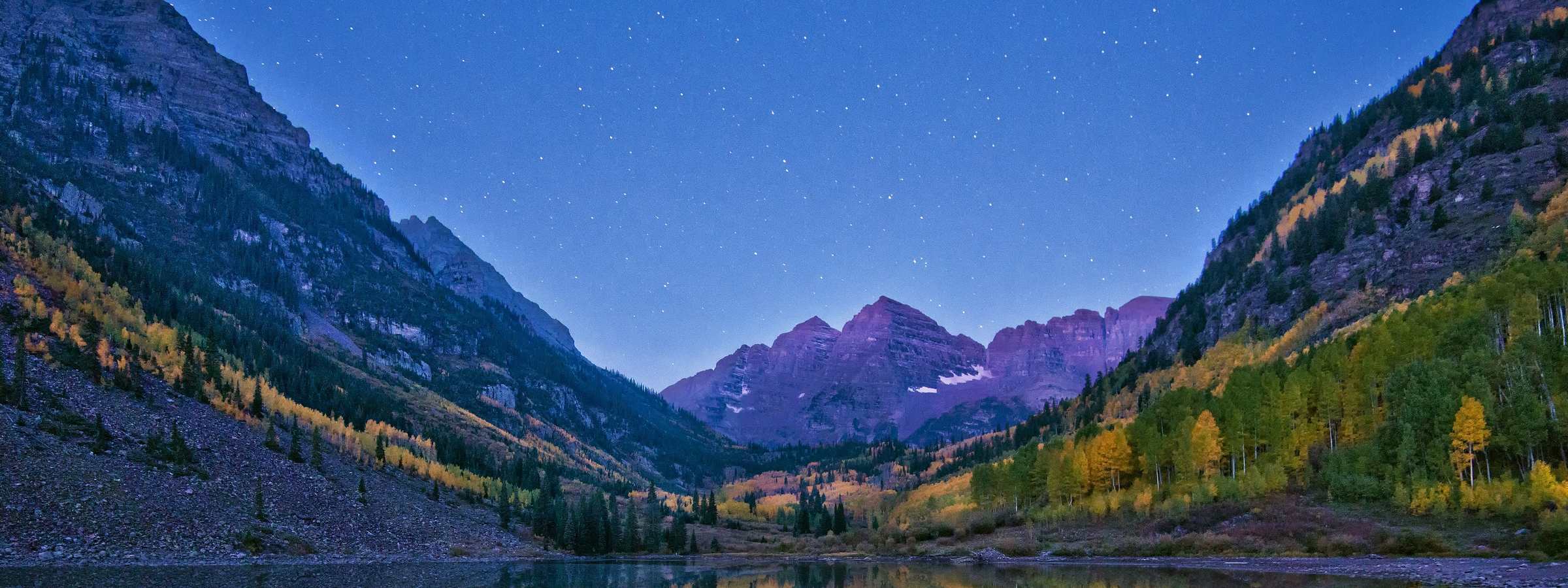
Magnet fishing in Colorado — quick info
Recommended Pull Force
Recommended Rope Length
Beginner Difficulty
Typical Water Conditions
Colorado's water is mostly fast-moving mountain runoff — the Colorado, South Platte, and Arkansas rivers all have strong currents that push light items downstream and bury heavier ones in gravel beds. Reservoirs like Horsetooth and Cherry Creek are calmer and more beginner-friendly. High altitude means water is cold year-round, which actually helps preserve metal finds.
Is it legal? Colorado Parks & Wildlife manages most of the state's major reservoirs, and a parks pass is required for access. There's no statewide prohibition on magnet fishing, but Colorado has strong protections for archaeological and historical artifacts under state law — so anything old or unusual needs to be reported rather than pocketed. Riverbanks can be tricky because a lot of streamside land is private even if the water is public.
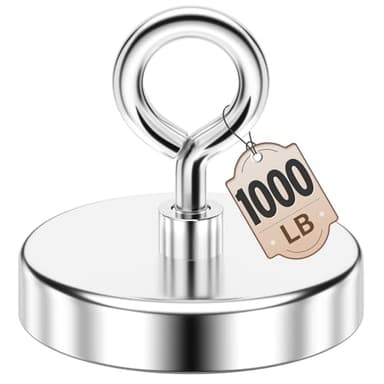
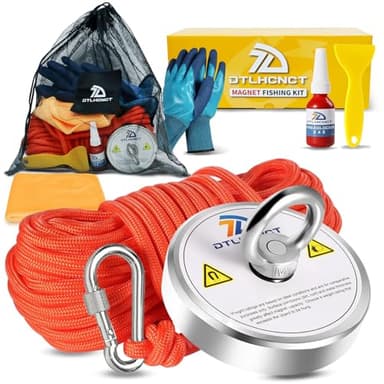
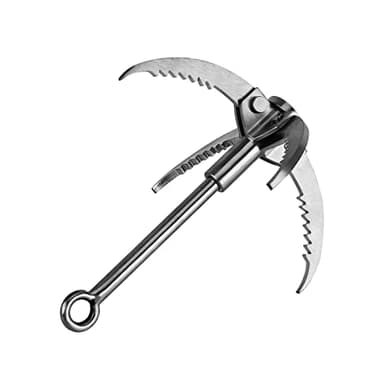
Best magnet fishing gear for Colorado
Best magnet fishing spots in Colorado
1. South Platte River (Confluence Park)
Denver
This is where Cherry Creek dumps into the South Platte right in the middle of Denver, and decades of urban runoff, foot traffic, and the occasional flood have pushed a lot of metal into that water. People have pulled bike frames, tools, old coins, and the usual assortment of fishing weights and hooks. Access is easy — paved paths on both sides, decent parking nearby, and the water is shallow enough in most spots to wade if you want to get your magnet right against the rocky bottom.
2. Cherry Creek Reservoir
Aurora
Cherry Creek Reservoir sits on old agricultural and suburban land southeast of Denver, and the shallow swim beach areas and boat ramps have seen decades of foot traffic. People have pulled out bike frames, tools, and the occasional older iron hardware that predates the reservoir's 1950 fill. Access is easy — there's a parking lot right at the swim beach area and the water stays shallow enough along the dam's eastern shoreline to work effectively with a rope under 50 feet.
3. Chatfield Reservoir
Littleton
Chatfield was built in the early 1970s and the land underneath it was active ranch and agricultural country before the Army Corps flooded it, which means there's legitimate old iron sitting on that lakebed. Late summer drawdowns can expose sections of shoreline that haven't seen air in months — sometimes years — and that's when the real finds happen. Parking is solid inside the state park, and there are long stretches of accessible bank away from the swim beaches.
4. South Platte River — Confluence Park
Denver
This is the spot where Cherry Creek meets the South Platte in the middle of Denver, and it's been a gathering place since the gold rush era. The current moves fast through the channel, but the eddies behind the concrete walls along the riverbank are calmer and that's where stuff settles. Old iron, coins, tools, and general urban junk accumulate here in surprising quantity given how fast the water runs.
5. Horsetooth Reservoir
Fort Collins
Horsetooth sits in a hogback canyon west of Fort Collins and has been a recreational hotspot for decades, which means plenty of dropped gear, lost anchors, and the kind of iron that accumulates around boat ramps and fishing docks. The reservoir level fluctuates enough that the upper shoreline gets exposed seasonally, and the rocky, irregular bottom near the dam face is worth working slowly. Multiple access points along the east shore make it easy to find a quiet stretch away from the crowds.
6. Dillon Reservoir
Dillon
The town of Dillon was literally relocated and the old townsite flooded when this reservoir was created in 1963, so there's actual historical infrastructure somewhere on that lakebed — foundations, equipment, debris from the move. Magnet fishers working the shallower arms near Frisco and the marina areas have pulled up old tools and hardware. At nearly 9,000 feet elevation the season is short, but late summer low water around the edges is worth the drive.
7. Arkansas River (Salida Whitewater Park)
Salida
The Arkansas through Salida is fast and rocky, but the whitewater park creates hydraulic features that trap heavier metal objects in predictable spots — right at the base of the drops and along the eddy lines. Kayakers and rafters have been dropping gear in this stretch for years, and the current keeps lighter stuff moving while iron sits. The park itself is right in town with easy access and foot bridges that give you good angle for dropping a magnet.
8. Cherry Creek (Greenway Trail section)
Denver
The Cherry Creek Greenway runs for miles through Denver and its suburbs, and the urban stretch near downtown has seen a lot of foot traffic — and a lot of things ending up in the water. It's shallow and slow-moving in most sections, which makes it easy to work methodically. Parking along the greenway trail is generally accessible and free at multiple points.
9. Bear Creek Lake Park (Bear Creek)
Lakewood
Bear Creek runs through this Jefferson County park and feeds into a small reservoir that's been a local recreation spot for a long time. The creek channel itself has the usual suburban iron — old tools, hardware, fishing weights — and the slower water near the reservoir inlet lets stuff settle instead of washing downstream. Parking is available inside the park and the banks are accessible enough that beginners won't have trouble finding a good spot to work.
10. Boulder Creek — Central Park Area
Boulder
Boulder Creek runs right through the middle of town and has been a park and recreation corridor for well over a century, which adds up to a long time for stuff to fall in. The stretch between 9th Street and 17th Street is shallow enough to work easily and there are spots where people have pulled out old iron hardware, tools, and general urban debris that's been tumbling downstream for decades. Parking along Canyon Boulevard is metered but accessible.
11. Pueblo Reservoir (Lake Pueblo State Park)
Pueblo
Pueblo Reservoir is one of the bigger front-range lakes and it sees heavy recreational boat traffic, which translates to lost anchors, dropped tools, and hardware from decades of boating activity around the marina. The Arkansas River arm of the reservoir has older sediment and the water is calmer than the main river, making it worth working slowly with a strong magnet. Water levels here can drop significantly in dry years, exposing bank areas that are otherwise submerged.
12. Arkansas River — Salida River Park
Salida
The Arkansas through Salida has been a recreation corridor and historically a mining-era transport route, and the stretch through the city park sits between two sets of rapids which means objects tumbling downstream tend to settle in the calmer water here. It's a whitewater town so the river sees a lot of traffic, and the park area has public access with easy parking right off US-50. Older iron occasionally shows up — nothing spectacular, but consistent enough to make the trip worthwhile.
13. Boulder Creek (Central Park section)
Boulder
Boulder Creek runs right through the middle of the city, and the section near Central Park and the downtown mall area is one of the most foot-trafficked waterways in Colorado. Bikes, scooters, coins, and tools have all been pulled from this stretch over the years. It's wide open and easy to access, though the current moves faster than it looks in spring and early summer.
14. Clear Creek (Golden Historic District)
Golden
Clear Creek runs right through the middle of Golden, which has been continuously occupied since the gold rush era of the 1850s, and there's over 150 years of dropped, thrown, and washed-in metal in that creek. The stretch through downtown near the pedestrian areas is shallow and rocky, and the current concentrates heavier objects behind boulders and along the inside bends. Just be aware that Golden takes its history seriously — anything that looks genuinely old and significant, leave it and check the state's archaeological rules before touching it.
15. Barr Lake
Brighton
Barr Lake is a state park northeast of Denver that's been a water storage reservoir since the 1880s, and that age matters — this reservoir is older than most in Colorado and it was surrounded by active agricultural operations for most of its history. The north end near the boathouse has shallower water and friendlier access than the wildlife refuge portion of the lake. Old iron, wire, and farm hardware have turned up here over the years.
16. Pueblo Reservoir
Pueblo
Pueblo Reservoir is one of the larger flatwater impoundments on the Arkansas River, and it sits in an area that had active ranching and agriculture before flooding. The marina and boat ramp areas are worth working, and the lower elevation means you're not dealing with altitude the way you are at Dillon or Horsetooth. Colorado Parks and Wildlife rules apply, so leave anything that looks historic or archaeological right where you found it.
17. Standley Lake
Westminster
Standley Lake is a Front Range reservoir that's been a recreation area for decades and has a long shoreline with varied access points that most people skip past. Fishing piers and the area around the boat launch are obvious starting points, and the lake is calm enough that anything heavy dropped off a boat or dock has stayed right where it landed. Water clarity is decent which can help you spot larger objects in the shallows before you even throw.
18. Clear Creek — Golden Civic Center Area
Golden
Clear Creek runs right through downtown Golden and has active pedestrian bridges, a tubing launch area, and a history stretching back to the gold rush — this creek was a major placer mining corridor in the 1860s and people have been dropping things in it ever since. The stretch through the civic center park area is easy to access with good footing on the concrete bank walls, and the depth through the main channel stays manageable at 2-4 feet in late summer. It's not wilderness magnet fishing — you'll have people watching — but finds here tend to be interesting.
19. Cache la Poudre River (Lincoln Park access)
Fort Collins
The Poudre runs through Fort Collins before heading east, and the urban stretch near Lincoln Park sees enough foot traffic to make it worth a few hours of casting. It's a designated Wild and Scenic River in its upper canyon, but the Fort Collins sections are a different story — accessible, not too deep, and with a history of recreational use that means lost gear accumulates. Park along Riverside Avenue and you're at the water in minutes.
20. Colorado River (Palisade Area)
Palisade
By the time the Colorado River gets to Palisade in the Grand Valley it's slowed down considerably compared to its mountain stretches, and it runs through agricultural country that's been farmed and irrigated for well over a century. Old irrigation hardware, fence materials, and farm equipment debris have been washing into this stretch for generations. The river is accessible from several county road pullouts and the banks are mostly flat and walkable.
21. Windsor Lake
Windsor
Windsor Lake is a small town reservoir that's been the center of Windsor's park and recreation area for generations, and the swim beach and fishing pier have been drawing crowds for decades. It's shallow around the perimeter which makes access easy and the bottom along the old pier footings tends to collect hardware and iron that's been falling in since the early 1900s. Parking is right at the lake and the town itself maintains the area well.
22. Antero Reservoir
Hartsel
Antero sits at over 8,900 feet in South Park and is mostly known as a fishing destination, but it's also surrounded by land that was historically used for ranching and some early mining activity. Water levels fluctuate with irrigation demands, and when they drop, the exposed shoreline near the inlet areas can be surprisingly productive. It's remote enough that you'll often have the bank to yourself.
Magnet fishing in Colorado — FAQ
Is magnet fishing legal in Colorado?+
Can I magnet fish on the South Platte or Arkansas River?+
What pull force magnet do I need for Colorado rivers?+
Are reservoirs like Horsetooth or Cherry Creek good spots for beginners?+
How long should my rope be for Colorado magnet fishing?+
Does the cold water actually affect what I find?+
What should I do if I find something that looks like it could be a historical artifact?+
Here are some magnet fishing finds in Colorado
- Fishing Gear: As with many other locations, fishing hooks, lures, and sinkers are some of the most commonly found items in Colorado's water bodies.
- Outdoor Equipment: Due to the state's popularity for outdoor activities, items like camping gear and climbing equipment are occasionally discovered.
- Coins and Metal Tokens: Loose change, as well as historical coins and tokens, can often be found.
- Bicycles and Skateboards: These are commonly found in urban areas near parks and recreational water bodies.
- Metal Scraps: Nails, screws, bottle caps, and other bits of metal are frequent finds.
- Mining Equipment: Given Colorado's rich mining history, it's possible to find old mining equipment like picks, metal buckets, and even gold pans.
- Historical Artifacts: Items such as old railroad spikes, tools, and other metal objects from the past have been found.
- Weapons: Knives and occasionally firearms have been pulled up. As is the case elsewhere, these should be reported to the authorities.
- Automotive Parts: Various car and motorcycle parts like license plates, exhaust pipes, and even engine components can be found.
- Jewelry: Rings, necklaces, and bracelets have been discovered, and some may even be valuable.
Best Magnet Fishing Magnets
Find the best magnet for magnet fishing — from 500 lb beginner picks to 2,000 lb+ heavy hitters.
Find your magnet →Best Magnet Fishing Accessories
Rope, gloves, grappling hooks, buckets, and more — the magnet-fishing accessories that actually matter.
Browse accessories →Best Magnet Fishing Kits
Looking for the best magnet fishing kit? Top picks that bundle a strong magnet, rated rope, and gloves.
See the kits →Pulled something good out of Colorado's water?
We're always adding new spots and finds. Share your favorite Coloradolocation or your best haul and we'll feature it on the site.