
Magnet Fishing in Washington: Puget Sound and Columbia River Country
Puget Sound is some of the most interesting salt water for magnet fishing on the West Coast — deep, cold, and with over a century of heavy maritime and naval activity. The Columbia River in eastern Washington is dramatic but demands serious current-handling gear. DAHP's protections and tribal treaty areas are real…
Not fishing Washington? See the best places to magnet fish in all 50 states. New to the hobby? Start with the complete guide to how to go magnet fishing.
Is magnet fishing legal in Washington?
AllowedYes. Washington allows magnet fishing in navigable public waters, and no fishing license or permit is needed. Archaeological objects over 100 years old are protected under RCW 27.53, state parks restrict removing objects from their shorelines, and the Columbia River dams and reservoirs are federal land.
Washington Department of Fish & Wildlife doesn't specifically prohibit magnet fishing, but Washington State Parks has rules about removing objects from state park shorelines. The Department of Archaeology and Historic Preservation covers underwater sites, and Puget Sound has documented historical and archaeological sites that are off-limits. Tribal treaty rights cover certain areas of Puget Sound, and those protections are federally backed.
Statute, agency and the local gotcha for every state: Washington in the state-by-state magnet fishing laws guide.
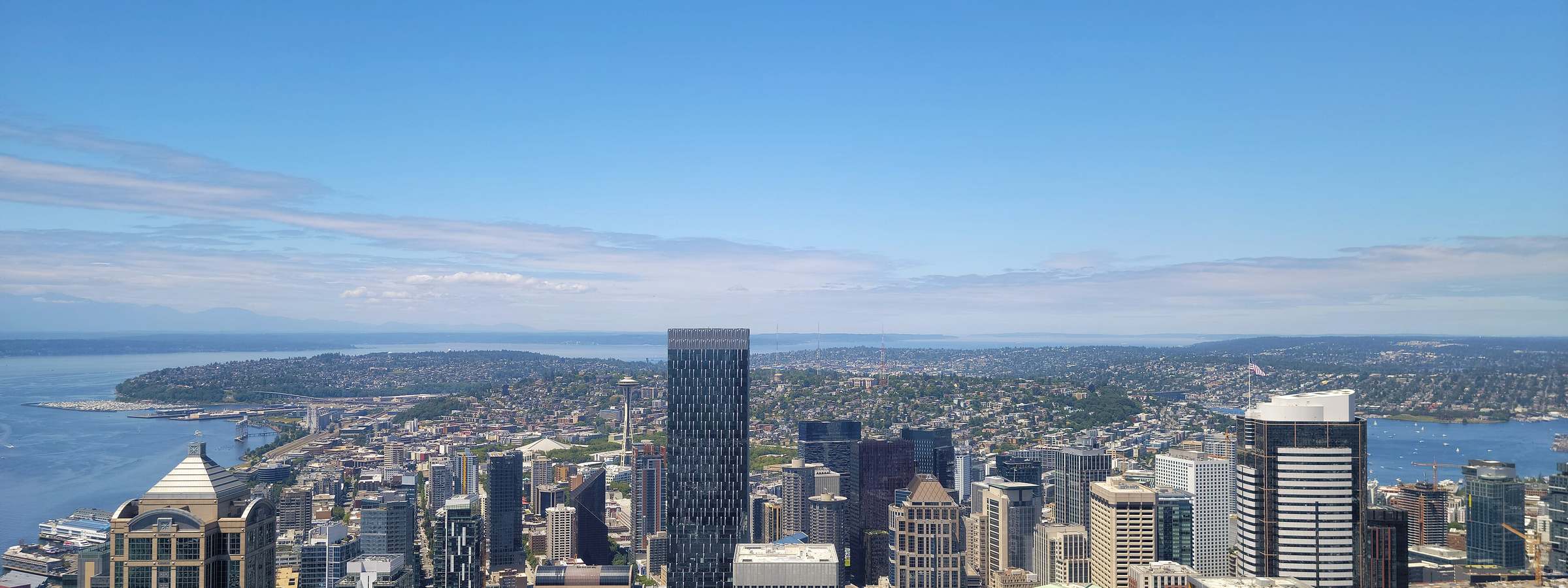
Magnet fishing in Washington — quick info
Recommended Pull Force
Recommended Rope Length
Beginner Difficulty
Typical Water Conditions
Washington has Puget Sound — a complex inland sea with deep tidal channels and centuries of maritime history — plus the Columbia and Snake rivers in the east and a Pacific coast with active fishing ports. Puget Sound water is cold, deep, and tidal, with strong currents in the narrows. Eastern Washington rivers run fast from Cascade snowmelt and are more challenging to work.
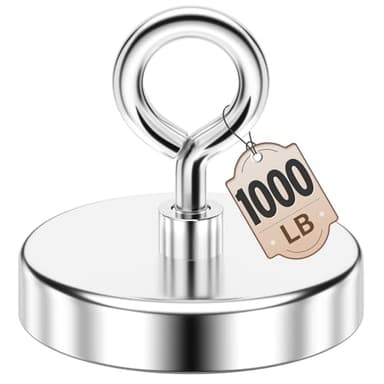
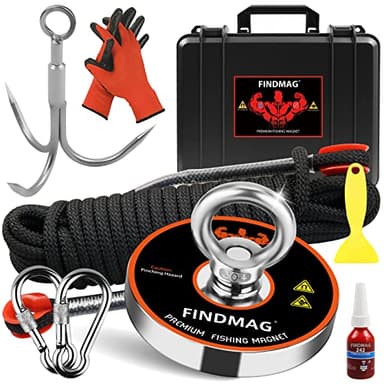
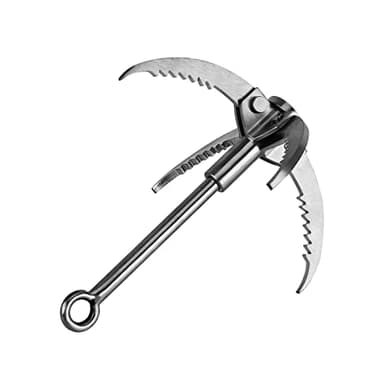
Best magnet fishing gear for Washington
Best magnet fishing spots in Washington
1. Duwamish River
Seattle
The Duwamish has been an industrial waterway for over a century, and that history shows up fast on a magnet. People have pulled old tools, dock hardware, boat parts, and scrap metal that's been sitting in that murky water since the shipping boom days. Access is decent at spots like the Duwamish Waterway Park, with street parking and a clear bank to work from.
2. Fremont Bridge Canal
Seattle
The Lake Washington Ship Canal running under the Fremont Bridge has been moving boats, barges, and all kinds of watercraft for over a century — and plenty of that stuff has ended up in the water. People have pulled out old tools, bike frames, and assorted hardware that's been sitting in the silt for decades. Access is solid from the pedestrian walkway, and the canal edges are reachable without any crazy scrambling.
3. Georgetown Steam Plant Waterfront (Duwamish River)
Seattle
The Duwamish is Seattle's industrial spine, and the stretch near Georgetown has been a working waterway since the late 1800s. People have pulled tools, cast iron hardware, old mooring rings, and what looked like pre-WWII engine parts out of here. Access is decent from the Georgetown Steam Plant shoreline area, shallow enough near the banks that you don't need a crazy long rope.
4. Columbia River Waterfront
Vancouver
Right along the Vancouver waterfront near the boat launches and old railroad bridges, the Columbia has swallowed decades of industrial and recreational debris. Old bridge hardware, boat anchors, and machine parts are common finds here. The bank is accessible at Waterfront Park and the water is deep along the channel edge, so you're dropping into real history.
5. Puget Sound Waterfront Piers
Tacoma
Tacoma's industrial waterfront along Commencement Bay has a long working-port history, and the piers and old dock sites are loaded with dropped and discarded metal. People find chains, mooring hardware, and old tools regularly. Public access is patchier here than in Seattle, so scout the waterfront trail sections near Ruston Way where you can actually get to the water.
6. Thea Foss Waterway
Tacoma
Foss Waterway is a former industrial channel that spent most of the 20th century as a working waterway for lumber, shipping, and maritime industry — which is exactly the kind of history that ends up as metal on the bottom. It's been cleaned up environmentally, but the metal is still there. The waterfront walking path gives you good access along a lot of the channel without needing a boat.
7. Columbia River Waterfront (Port of Vancouver)
Vancouver
The Vancouver waterfront along the Columbia has had port activity, railroad history, and fishing traffic layered on top of each other for well over a hundred years. Old spikes, ship hardware, chains, anchors, and general industrial debris are pretty common finds here. The waterfront park gives you legal public access and parking is straightforward off Columbia Way.
8. Spokane River at Riverfront Park
Spokane
The Spokane River runs right through downtown, and Riverfront Park gives you solid bank access at a spot that's been a gathering place since the 1974 World's Fair. Coins, tools, and old fair-era debris have come up here. The river is clear compared to Puget Sound waterways, which means you can sometimes see what you're fishing for.
9. Spokane River near Riverfront Park
Spokane
Riverfront Park sits right on the Spokane River and the area has hosted everything from the 1974 World's Fair to a century of pedestrian bridge crossings — lots of opportunity for stuff to go in the water. The river moves here, but there are calmer pockets near the old bridge supports and retaining walls. Parking is easy and there are multiple bank access points, which makes it one of the more beginner-friendly spots in eastern Washington.
10. Sinclair Inlet (Puget Sound shoreline)
Bremerton
Bremerton's naval history makes Sinclair Inlet genuinely interesting — the civilian-accessible shoreline outside the restricted Navy zones has produced old naval hardware, mooring equipment, and assorted metal debris going back decades. You have to stay well clear of the shipyard restricted zones, but the public waterfront near the ferry terminal has produced finds for people who work it carefully. Tidal fluctuation matters here, so low tide is your window.
11. Snake River at Clarkston
Clarkston
The Snake River near Clarkston sits at the confluence with the Clearwater and has a long history of river traffic, old bridges, and ferry crossings. The banks near Swallows Park give you parking and easy access to a stretch that doesn't get magnet fished nearly as often as it should. Finds here have included old boating hardware, chains, and heavily corroded metal that's clearly been down there for decades.
12. Port of Bellingham Waterfront
Bellingham
Bellingham Bay's working waterfront has been active since the 1880s and the old industrial piers in the south port area are surrounded by decades of dropped, thrown, and forgotten metal. The decommissioned industrial sections near Boulevard Park give you bank access without interfering with active port operations. It's shallow enough along the edges that you're not losing your whole rope.
13. Lake Union Ship Canal
Seattle
The ship canal connecting Lake Union to Puget Sound has been a working waterway since the early 1900s, and the bridges and dock areas along it have shed a lot of metal over the years. The Fremont Bridge and the area near the Ballard Locks are particularly productive. Access along the Burke-Gilman Trail gives you long stretches of bank with decent parking nearby.
14. Snake River near Clarkston
Clarkston
The Snake River along the Washington-Idaho border near Clarkston sees a lot of recreational boat traffic and has a long history of river use going back to Lewis and Clark and beyond. The boat ramps and public access areas near Swallows Park put you right on the water without a long hike. The river bottom here is a mix of rock and silt, and the calmer backwater areas near the confluence are worth working.
15. Bellingham Bay Waterfront
Bellingham
Bellingham's old industrial waterfront near Cornwall Beach and the Whatcom Waterway remnants holds a surprising amount of old port and cannery-era metal. The area was heavily industrial through the mid-20th century and the cleanup didn't get everything. Parking is easy at the waterfront park areas and the bank access is genuinely good compared to most Puget Sound spots.
16. Lake Union Ship Canal at Ballard Locks
Seattle
The Hiram M. Chittenden Locks at Ballard have been moving boats between Puget Sound and Lake Union since 1917 — and anything that was going to fall off a boat had a century to do it. The public viewing areas and adjacent bank access along the ship canal give you workable spots without getting in the way of boat traffic. I've heard of people pulling old mooring hardware and chain out of the edges near the lock walls.
17. Snake River at Clarkston Riverfront Park
Clarkston
The Snake River along the Clarkston waterfront is slower and deeper than it looks, and the park access makes it approachable without needing to bushwhack. Old fishing gear, weights, hooks, and occasional boat hardware come up regularly along the slower inside bends near the park. It's a different vibe than Puget Sound — more remote, quieter, and the finds tend to skew toward fishing and boating debris.
18. Chehalis River at Riverside Park
Chehalis
The Chehalis is a slower, muddier river than the Columbia or Snake, and that mud is actually good news — it preserves metal finds way better than moving water. The Riverside Park access point puts you near an old bridge site, and people have pulled old iron hardware and tools from this stretch. It's a low-pressure spot where you're unlikely to run into crowds.
19. Duwamish River Waterway
Tukwila
The Duwamish is one of Washington's most industrialized rivers and has been a working waterway for Boeing, shipping, and heavy manufacturing for generations — the metal history here is genuinely layered. Access points along the lower Duwamish near South Park give you bank fishing without trespassing on industrial property. It's a Superfund site environmentally, so wash your hands and your gear when you're done.
20. Bellingham Bay Waterfront (Marine Park area)
Bellingham
Bellingham's waterfront has had canneries, rail lines, and working boat traffic running through it since the 1880s, and the bay bottom near Marine Park still gives up old hardware and industrial remnants. The park access is public and the shoreline is accessible without much effort. Tidal movement brings stuff in and shifts it around, so the same spots can produce different finds on different visits.
21. Pend Oreille River
Newport
Right at the Idaho border, the Pend Oreille River near Newport has old railroad bridge infrastructure and a history of river crossings that goes back to the logging era. The Centennial Trail gives you bank access and there's parking right off the main road. Not many magnet fishers make it out this far east, which means it's basically untouched.
22. Grays Harbor Waterfront
Aberdeen
Grays Harbor was once one of the busiest lumber shipping ports on the Pacific Coast, and the Aberdeen waterfront still has remnants of that era sitting in the tidal mud. The tidal variation here is significant, which means what's underwater at high tide is accessible at low — timing your session around the tide makes a real difference. The working port is active on the north side, so stick to the public access areas on the south Aberdeen waterfront.
23. Lake Union (east shore, Eastlake neighborhood)
Seattle
Lake Union has had houseboats, shipyards, seaplanes, and constant boat traffic for over a century, and the bottom shows it. Old anchors, chain, boat fittings, and the occasional surprising larger piece of metal come up from the shallower areas near the east shore. Public access points exist along Eastlake Avenue and the depth near the shore is workable without specialized gear.
24. Black River at Fort Dent Park
Tukwila
Fort Dent Park sits at the confluence of the Black River and the Green River, and the whole area has been surrounded by development and infrastructure for decades. Old construction debris, rebar, and tools show up regularly here. The park has solid parking and a maintained trail that runs right along the bank, which makes it one of the easier urban spots in the greater Seattle area to actually fish comfortably.
25. Wenatchee River Confluence
Wenatchee
Where the Wenatchee River meets the Columbia near downtown Wenatchee, you've got two different waterways worth working and a decent amount of riverside park access to get you there. The confluence area slows down enough that metal has had time to settle rather than wash downstream, and the area has seen agricultural, railroad, and recreational use for well over a hundred years. Parking at Confluence State Park makes this one of the easier access setups in central Washington.
26. Wenatchee River at Confluence State Park
Wenatchee
Where the Wenatchee River meets the Columbia at Confluence State Park you've got two heavy-use waterways coming together, which tends to concentrate debris at the junction. Fishing weights, old hardware, and metal debris from recreational and commercial river use accumulate in the slower water near the confluence. Parking is available at the state park and the shoreline is accessible along the levee path.
Magnet fishing in Washington — FAQ
Is magnet fishing legal in Washington State?+
Can I magnet fish in Puget Sound?+
What pull force do I actually need for Washington?+
How much rope do I need for Washington spots?+
Are there spots in eastern Washington worth magnet fishing?+
What should I do if I find something that looks old or historical?+
Do tribal treaty areas actually restrict magnet fishing?+
Do you need a permit to magnet fish in Washington?+
Can I magnet fish in Puget Sound?+
Here are some magnet fishing finds in Washington
Magnet fishing in Washington has garnered quite the interest among enthusiasts, yielding an intriguing array of finds that span historical artifacts, valuables, and even items of environmental concern. Participants have unearthed objects ranging from the mundane to the extraordinary, including:
- Historical Artifacts: Given Washington's rich history, magnet fishers have stumbled upon pieces that reflect the state's past. These can include old coins, historical tools, and remnants of the area's industrial and maritime heritage. Such discoveries offer a tangible connection to the past, providing insights into the daily lives and activities of previous generations.
- Firearms and Weapons: It's not uncommon for magnet fishers in Washington to pull out firearms or weapons from water bodies. These finds often prompt calls to local authorities for proper handling and investigation. The presence of such items can sometimes be linked to criminal activities or historical events.
- Environmental Hazard Materials: Items like batteries, sharp metal objects, and discarded appliances have been retrieved, which, while potentially hazardous, also contribute positively to environmental cleanup efforts. Removing such items from waterways helps improve the aquatic ecosystem's health and safety for local wildlife and human recreation.
- Personal Items: Rings, watches, and other personal effects have been discovered, highlighting the personal stories that waterways hold. While some of these finds can be traced back to their owners, others remain anonymous tokens of personal histories lost to the water.
- Bicycles and Scooters: As cities like Seattle expand their bike and scooter sharing programs, an increase in these items being found in local lakes and rivers has been noted. Magnet fishing plays a role in retrieving these lost or discarded modes of transportation, contributing to urban cleanliness and sustainability efforts.
- Tools and Construction Materials: From hammers and wrenches to nuts and bolts, these finds often reflect the ongoing development and maintenance of Washington's infrastructure. Such discoveries can sometimes be refurbished and reused, highlighting magnet fishing's potential in recycling and repurposing metal objects.
The variety of items magnet fishers find in Washington underscores the activity's appeal, blending environmental stewardship with historical exploration and the thrill of discovery. Each find has a story, contributing to a larger narrative about the state's history, communities, and the environmental impact of human activities on waterways.
Best Magnet Fishing Magnets
Find the best magnet for magnet fishing — from 500 lb beginner picks to 2,000 lb+ heavy hitters.
Find your magnet →Best Magnet Fishing Accessories
Rope, gloves, grappling hooks, buckets, and more — the magnet-fishing accessories that actually matter.
Browse accessories →Best Magnet Fishing Kits
Looking for the best magnet fishing kit? Top picks that bundle a strong magnet, rated rope, and gloves.
See the kits →Pulled something good out of Washington's water?
We're always adding new spots and finds. Share your favorite Washingtonlocation or your best haul and we'll feature it on the site.