Magnet Fishing vs Metal Detecting: Which Is Right for You?
The Quick Comparison
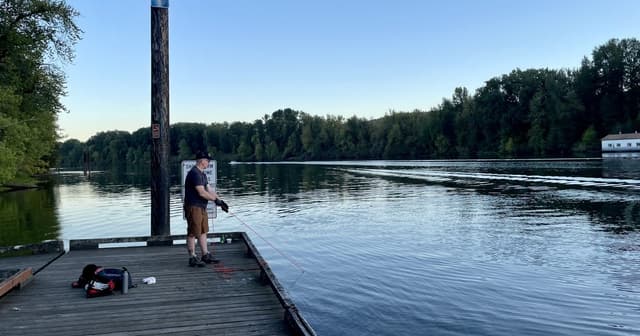
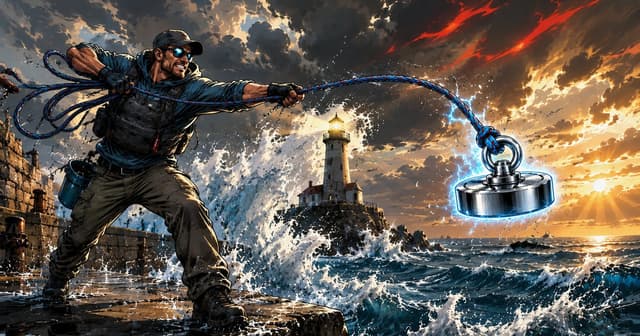
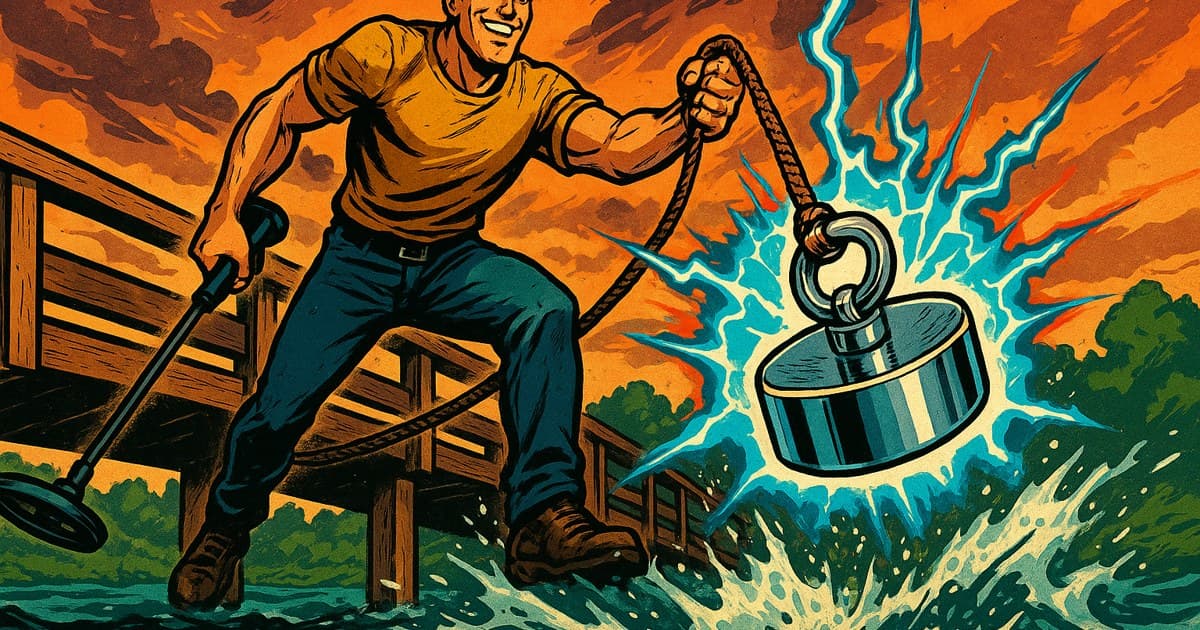
Picture this: you're standing on a bridge, you drop a powerful magnet into the water below, and thirty seconds later you haul up a dripping old knife, a bike chain, and something you genuinely can't identify. That's magnet fishing in a nutshell. Metal detecting, meanwhile, has you sweeping a coil across a park lawn, headphones on, waiting for the beep that means a coin or a ring is buried a few inches down. Both hobbies are about finding hidden things. That's pretty much where the similarities end.
The table below gives you the headline differences at a glance, and the sections that follow dig into each one. If you're trying to decide which to try first, or you're wondering whether both make sense, you're in exactly the right place.
Quick comparison at a glance:
The short version: magnet fishing is cheaper, faster to learn, and works best around water. Metal detecting costs more upfront, rewards patience and study, and opens up almost any dry land to you. Neither is objectively better. They scratch different itches.
- Startup cost: Magnet fishing is low (magnet, rope, gloves); metal detecting can run significantly higher for a capable machine.
- Finds: Magnet fishing pulls up ferrous (iron/steel) objects only; metal detecting finds coins, jewelry, relics, and any metal type.
- Best locations: Magnet fishing needs water; metal detecting needs dry (or damp) ground.
- Learning curve: Magnet fishing is beginner-friendly from day one; metal detecting takes time to read signals and reduce false hits.
- Physical effort: Both are low-impact, but magnet fishing involves more hauling and getting wet.
- Legal considerations: Both require checking local permissions; magnet fishing has additional waterway rules in many places.
Cost to Get Started
Magnet fishing has one of the lowest barriers to entry of any outdoor hobby. A solid neodymium fishing magnet (you'll want at least 500 lbs of pulling force to make the hobby worthwhile), a good length of braided rope, and a pair of gloves will have you fishing within an afternoon. Check out the starter kits and gear options at /magnet-fishing-gear to see what a sensible beginner setup looks like. The total is often less than a decent dinner out.
Metal detecting is a different story. Entry-level machines exist, but many serious hobbyists will tell you the cheapest detectors produce so many false signals that they're more frustrating than fun. A genuinely capable beginner detector costs noticeably more, and that's before you add headphones, a digging tool, and a finds pouch. You're not breaking the bank, but you are making a real purchase decision.
There are ongoing costs on both sides, though. Magnet fishing ropes wear out, especially the knots (here's a useful guide to magnet fishing knots to keep things secure). Metal detectors need batteries, and coil upgrades or accessories can add up over time. Neither hobby will drain your wallet the way photography or cycling can, but magnet fishing wins the affordability round pretty clearly.
What You'll Find with Each
This is the biggest practical difference between the two hobbies, and it's worth being clear about: magnets only attract ferrous metals, meaning iron and steel. Copper coins, gold rings, aluminum cans, and bronze artifacts won't stick. What you will find are bolts, locks, knives, tools, old anchors, safes, bicycles, and occasionally something genuinely alarming like a firearm (if that ever happens, here's what to do). For a deeper look at exactly what sticks and what doesn't, the guide on magnet fishing metals is worth a read.
Metal detecting opens the whole spectrum of metals. Coins are the bread and butter, from modern pocket change to genuinely old finds depending on your location. Jewelry, relics, buttons, buckles, and occasionally something historically significant all show up. If finding gold or silver is the dream, a metal detector is the only tool for the job.
That said, magnet fishing finds can be spectacular in their own right. Pulling up a 19th-century anchor chain, a cast-iron cooking pot, or a safe that's been underwater for decades is its own kind of thrill. The finds are bulkier, rustier, and harder to clean up, but the sheer variety of objects under any busy waterway will surprise you. Check out the history of magnet fishing for a sense of just how long people have been pulling remarkable things out of the water.
One practical note: magnet fishing finds often need proper disposal if they're too rusted or too large to keep. The guide on how to dispose of magnet fishing finds walks you through the responsible options.
Where Each Works Best
Magnet fishing is tied to water, full stop. Rivers, canals, lakes, harbors, old mill ponds, bridges, and storm drains are all fair game. The best spots tend to be places with historical foot traffic: old bridges where people crossed for centuries, canals that were industrial arteries, or urban waterways where things have been falling in for decades. The article on how to find magnet fishing spots near you is a great starting point, and there's a specific guide for urban waterways too.
Metal detecting is far more versatile on land. Parks, beaches, farm fields, old homestead sites, fairgrounds, and Civil War or colonial-era locations are classic hunting grounds. Permission from landowners is usually required for private property, and public land rules vary widely. The upside is that good detecting spots exist almost everywhere, from your own backyard to the beach two hours away.
Neither hobby works everywhere without checking the rules first. Magnet fishing has specific waterway regulations in many U.S. states and several countries, so it's worth reading the state-by-state legal guide and the international overview before you cast. Metal detecting on public land, national parks, or heritage sites often has its own restrictions. In both cases, asking first saves a lot of headaches.
Effort and Learning Curve
Magnet fishing is genuinely easy to start. Tie your magnet to your rope (use a proper knot), throw it in, drag it along the bottom, haul it up. Within your first session you'll have a feel for how to work different spots, how to avoid snags, and how to read what the bottom is doing. The 10 things I wish I knew when I started covers the rookie mistakes worth skipping.
Metal detecting has a steeper learning curve. Every machine produces a range of signals, and learning what a coin sounds like versus a pull-tab versus a buried piece of pipe takes real practice. Ground mineralization, depth, object orientation, and nearby interference all affect what you hear. Beginners often dig a lot of trash before they develop a feel for it, and that's completely normal. The payoff is real skill that keeps improving over years.
Physically, both hobbies are accessible to most people. Magnet fishing involves some lifting, hauling wet rope, and occasionally wrestling a stuck magnet off a rock (the struggle is real and there's even a humorous take on that experience). Metal detecting is mostly walking and occasional shallow digging. Neither requires athletic ability, which is part of why both hobbies attract such a wide age range.
Can You Do Both?
Plenty of hobbyists end up doing exactly that, and the two hobbies complement each other well. A magnet fisher who picks up a metal detector can work the banks and shorelines that a magnet can't reach, chasing coins and relics in the mud where the water meets the land. A metal detectorist who adds a magnet to their kit can check nearby bridges or canals on the same outing, often pulling up finds that would never register on a detector coil.
The overlap in community is real too. Both hobbies attract history-curious, outdoorsy people who enjoy the mix of fresh air and the possibility of finding something remarkable. The magnet fishing forums and communities include plenty of people who detect on the side, and the same is true in reverse.
If budget is a constraint, start with magnet fishing. The low startup cost means you can get a feel for the treasure-hunting mindset before committing to a more expensive piece of equipment. If you love the hunt but wish you were finding more coins and jewelry, that's your signal (pun intended) that a metal detector might be worth the investment. Many people treat magnet fishing as the gateway and never look back, because the finds are just that good.
Which Should You Choose?
If you want to get outside, spend very little money, and start hauling up interesting objects this weekend, magnet fishing is your answer. It's fast, tactile, social, and family-friendly. You can bring kids along (here's a great guide on magnet fishing with kids), make it a group outing, and the finds are big enough that everyone can share in the excitement. The beginner's complete guide will walk you through everything you need to know before your first throw.
If you're drawn to coins, jewelry, and historical relics, and you're willing to invest a bit more upfront and put in the time to learn the machine, metal detecting will reward you in ways a magnet simply can't. The finds are often smaller but can be genuinely valuable, historically or monetarily. It's a longer game, and a deeply satisfying one.
And if your honest answer is 'both of those sound great,' then start with a magnet fishing kit, head to your nearest bridge or canal, and let the hobby tell you where to go next. Gear up at /magnet-fishing-gear and check the best gear guide for current recommendations. The water's waiting.
Frequently asked
Can a magnet fishing magnet find gold or silver coins?+
No, neodymium magnets only attract ferrous (iron and steel) metals, so gold, silver, copper, and aluminum won't stick. If finding coins or precious metals is your main goal, a metal detector is the right tool for the job.
Do I need a permit to go magnet fishing or metal detecting?+
It depends on your location and the specific site. Magnet fishing often requires permission from the waterway authority or landowner, and some U.S. states and countries have specific rules, so check the state-by-state guide before you go. Metal detecting on public land, parks, or heritage sites also typically requires checking local regulations in advance.
Which hobby is better for doing with kids?+
Magnet fishing is generally the easier family activity because the finds are big, the action is immediate, and there's very little to learn before your first session. Metal detecting can be fun for older kids who have the patience to learn the signals, but the slower pace and longer gaps between finds can frustrate younger children.