
Magnet Fishing in Connecticut: Rivers, Coast & What's Allowed
Connecticut is compact but has genuinely good magnet fishing — the Connecticut River has centuries of history sitting on the bottom, and the tidal rivers feeding Long Island Sound are loaded with old boat hardware. DEEP doesn't specifically ban it, but know the rules before you go.
Not fishing Connecticut? See the best places to magnet fish in all 50 states. New to the hobby? Start with the complete guide to how to go magnet fishing.
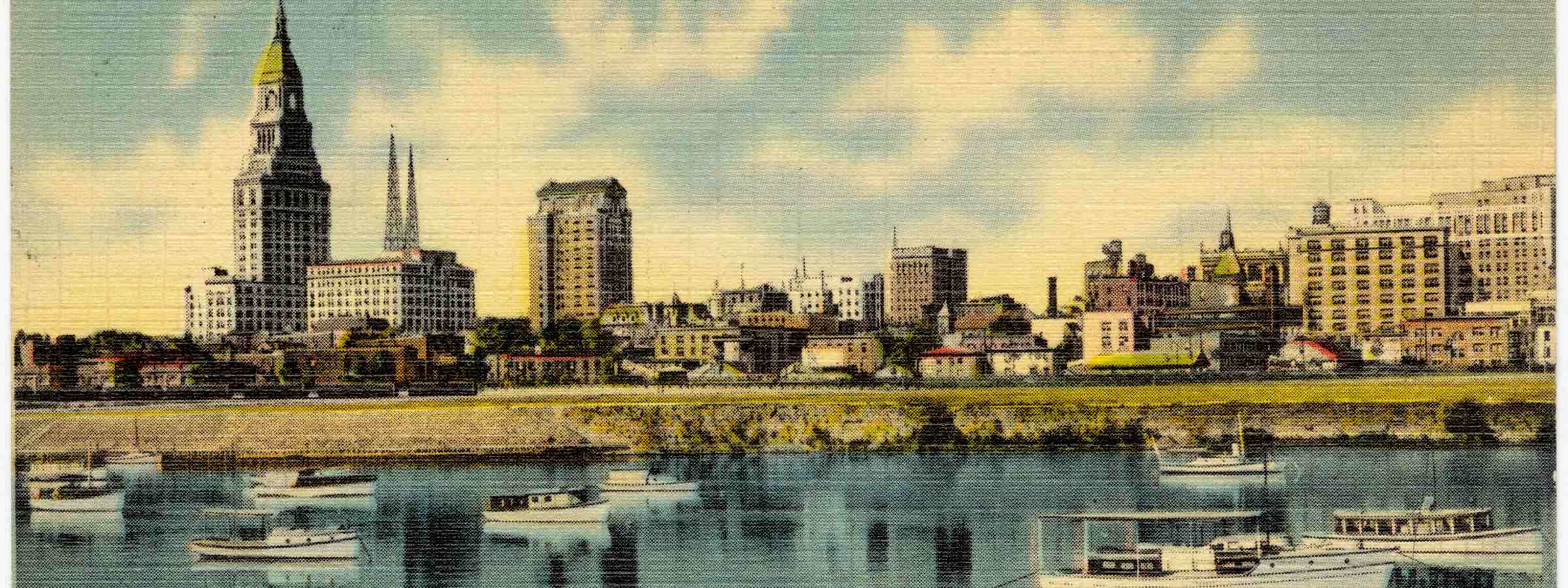
Magnet fishing in Connecticut — quick info
Recommended Pull Force
Recommended Rope Length
Beginner Difficulty
Typical Water Conditions
Connecticut has the Connecticut River running through its center, plus Long Island Sound coastline with tidal rivers and harbors. The Sound-side estuaries get a lot of boat traffic and have good accumulations of dropped hardware. Inland rivers are generally slower and murkier, which makes them productive for sifting through years of accumulated junk.
Is it legal? Connecticut doesn't have a specific magnet fishing law, but DEEP (Department of Energy & Environmental Protection) manages public waterways and parks, and their general rules about removing natural or cultural materials apply. Tidal areas are under additional jurisdiction, so check with the specific harbor master if you're fishing coastal spots. Reporting found firearms to local police is required.
Best magnet fishing gear for Connecticut
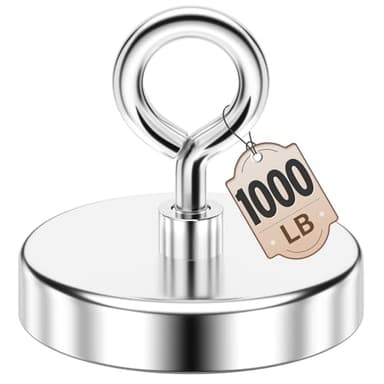
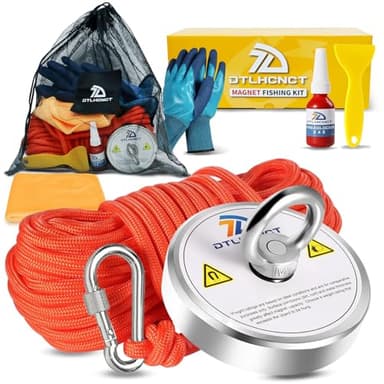
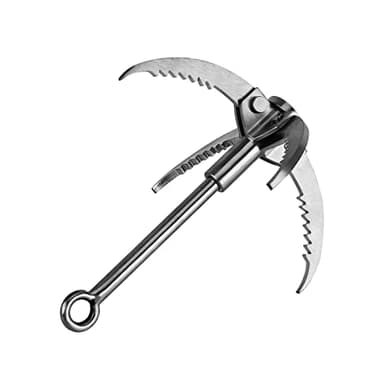
Best magnet fishing spots in Connecticut
1. Connecticut River at Middletown Harbor
Middletown
The Connecticut River here has centuries of industrial and maritime history behind it, and the harbor area has produced old anchors, chains, and general hardware from the steamboat era. Access is solid at Harbor Park with a paved lot right next to the water. The river runs deep through the main channel but the shallower edges near the dock pilings are where the interesting stuff settles.
2. Connecticut River at Hartford
Hartford
The Connecticut River through Hartford has centuries of industrial and commercial history along its banks, and the old waterfront area has produced everything from iron hardware to tools and old chains. Access is solid via Riverfront Recapture parks on both banks, with paved parking close to the water. Depth varies but the shallow edges near the old docks are where most finds turn up.
3. Housatonic River at Derby Dam
Derby
The area below the Birmingham Dam has old mill town written all over it — hardware, tools, and scrap metal have been going into this stretch of the Housatonic for well over a hundred years. The tailrace below the dam creates eddies that collect metal debris on the bottom. Street parking is available along the riverbank and the access path is easy enough.
4. Housatonic River at Derby-Shelton Bridge
Derby
The stretch of the Housatonic between Derby and Shelton sits right in the middle of old brass mill country, and that history shows up in what people pull from the riverbed — old hardware, industrial scrap, and the occasional tool that's been down there since the mill era. The bridge area has public access on the Derby side and parking isn't far. Water is relatively shallow near the banks, which makes retrieval easier.
5. Housatonic River at Derby Landing
Derby
Derby sits right at the confluence of the Housatonic and Naugatuck rivers, and that junction has been an industrial hub since the brass mill era — which means the riverbed has had a couple hundred years to collect metal. Old mill hardware, bolts, and the occasional mystery chunk of machined brass turn up here. There's public access along the riverfront and decent parking near the boat launch.
6. Thames River at Norwich Harbor
Norwich
Norwich was a serious industrial city and the harbor reflects that — there's old iron in that river bottom that goes back to foundry and shipping operations from the 1800s. The docks near Howard T. Brown Memorial Park give you good access and reasonable depth right off the bank. People have reported pulling up old tools, boat hardware, and the occasional anchor chain fragment here.
7. Thames River at Norwich
Norwich
Norwich sits at the confluence of the Shetucket and Yantic rivers forming the Thames, and that meeting point has seen centuries of maritime and industrial traffic. People have pulled up anchor chain, old iron fittings, and general hardware from the banks near the old downtown waterfront. There's decent public access along the river walk area and street parking nearby.
8. Naugatuck River at Beacon Falls
Beacon Falls
The Naugatuck Valley had some of the densest rubber and brass manufacturing in the country, and Beacon Falls sits right in the middle of that legacy. The river here is relatively shallow and walkable in spots, which makes it easier to work methodically along old mill sites. You're not going to find anything glamorous every time, but the volume of metal that went into this river over the industrial era is genuinely wild.
9. Farmington River at Collinsville Dam Area
Canton
Collinsville is where Collins Company made axes and machetes for over a century, and whatever fell off the loading docks or got tossed into the river is still down there. The area around the old dam has slower water in the pools below and people have found tool steel fragments, hardware, and old hand-tool parts. The riverbank is accessible from the Farmington River Trail and parking is easy off Bridge Street.
10. Saugatuck River at Westport Downtown Bridge
Westport
The old bridge crossings downtown get foot traffic and have gotten it for a long time, which means coins, tools, and dropped gear have been accumulating on the bottom for decades. The tidal influence keeps the water moving and can shift lighter objects, but the heavier iron stuff stays put. Parking near the library puts you within easy walking distance of a couple of decent drop spots.
11. Quinnipiac River at Derby
Ansonia
The lower Quinnipiac and the industrial lower Naugatuck Valley fed a lot of metal into the rivers around Ansonia and Derby over the manufacturing years. The riverbank near downtown Ansonia has pull-off areas and the water stays shallow enough along the edges to work without a long throw. Old iron fittings, pipe sections, and tools show up regularly.
12. Quinnipiac River at Downtown Derby Bridge
Ansonia
The Naugatuck Valley's brass industry left its mark all the way down into the lower river towns, and the Quinnipiac system picks up overflow from that history. The old bridge crossings near Ansonia have shallow banks that are easy to work from and the bottom is a mix of gravel and silt that holds metal well. Finds have included old hardware, chain, and bent structural pieces that look like they came off a building.
13. Farmington River at Collinsville
Canton
Collinsville is where Collins Company made axes and machetes that shipped around the world for over a century, and the Farmington River ran right past the factory. That history is still in the riverbed. The access along the Canal Trail gives you long stretches of bankside fishing with minimal bushwhacking. The water is clear enough in lower flow months that you can actually see some of what you're dragging up.
14. Saugatuck River at Westport
Westport
The Saugatuck flows through Westport's historic downtown and empties near Long Island Sound, and the old bridge crossings in the area have accumulated decades of dropped and discarded metal. The spot near the Main Street bridge is publicly accessible with metered parking close by. Finds tend toward the smaller side — coins, tools, old hardware — rather than big industrial scrap.
15. New Haven Harbor at Long Wharf
New Haven
Long Wharf has been a working port since colonial times and the harbor floor has centuries of dropped, tossed, and forgotten metal in it. The tidal flats on the west side of the pier are accessible at low tide and people have come up with old iron fittings, anchor chain, and dock hardware going back who knows how long. Parking at Long Wharf Park is free and the access is completely public.
16. Quinnipiac River at Wallingford Center Bridge
Wallingford
Wallingford had silver manufacturing and general industry running along this stretch of the Quinnipiac, and the old bridge crossings downtown are classic spots for accumulated bottom metal. Depth is moderate and the banks are accessible from the walking path near the center of town. It's not the most dramatic spot in the state but the finds-per-hour ratio is honestly pretty decent.
17. Mystic River at Mystic
Stonington
Mystic has a real maritime history — whaling, shipbuilding, fishing fleets — and the river around the bascule drawbridge area has had metal going into it for a very long time. Old iron hardware, anchor fragments, and maritime fittings have come up from the mud here. The downtown drawbridge area has limited but usable public space on the banks, and the water is tidal so timing your drop matters.
18. Saugatuck River at Westport Bridge
Westport
The Saugatuck is tidal through Westport and the old bridge crossings in the downtown area have been dropping metal into the water since the 1800s. It's a smaller river which actually makes it easier to cover thoroughly, and the slower tidal pools hold finds in place instead of washing them downstream. People have found old iron bridge hardware, coins, and various vintage junk in the silt under the main span.
19. Mystic River at Old Mystic Village
Mystic
Maritime history is basically the whole identity of Mystic, and the river has ship hardware, old anchors, and boat fittings scattered across the bottom from centuries of working waterfront activity. The banks near the old mill areas upstream from the bascule bridge are more productive than the tourist-heavy sections closer to the Seaport. Parking is available at several pull-offs along Route 27.
20. Naugatuck River at Waterbury
Waterbury
Waterbury was the brass capital of the world for about a century, and the Naugatuck River running through it collected the runoff and careless disposal of a major industrial city. People have pulled up old tools, brass fittings, iron hardware, and all kinds of mill-era scrap from this river. Bank access near the downtown area is workable and the river isn't deep along the edges.
21. Connecticut River at East Haddam Swing Bridge
East Haddam
The East Haddam swing bridge is one of the oldest swing bridges still operating in the country and the approach from the public boat launch gives you access to water that's been busy with river traffic since the steamboat era. Old boat hardware, iron fittings, and anchor chain have all come up in this stretch. The launch area has parking and the bank is walkable for a decent distance in both directions.
22. Still River at Brookfield Junction
Brookfield
The junction area where the Still River meets the Housatonic has old railroad history — there was active rail traffic through here for decades and the embankments near the water are littered with old hardware from that era. Spikes, plates, and general iron scrap turn up regularly. Access is informal but walkable from the road shoulder near the old bridge abutments.
23. Salmon River at East Hampton
East Hampton
East Hampton was known as Belltown for its bell and metal manufacturing history, and the Salmon River area picked up a fair amount of that industrial residue over the years. The state forest land along the river gives you legal, clear access to the banks without worrying about private property. It's a quieter spot than the bigger rivers and the current is manageable most of the year.
24. Salmon River Confluence at Comstock Bridge
Colchester
Comstock Covered Bridge is one of the last covered bridges in Connecticut and the Salmon River below it has been a crossing point for logging and mill traffic for generations. The calm pool just downstream of the bridge is shallow and clear enough that you can actually see what you're pulling toward you, which is a treat. Old iron wagon hardware and mill-era fasteners have shown up here.
25. Salmon River at Comstock Covered Bridge
Colchester
One of the last covered bridges in Connecticut, and people have been dropping things off it — or near it — for well over a hundred years. The bridge is on the state historic register, so read the local rules before you set up, but the river banks alongside it are public land and fishable. The bottom is sandy and rocky in alternating patches which makes retrieval interesting.
26. Mill River at New Haven
New Haven
The Mill River runs through New Haven and empties into New Haven Harbor, passing through neighborhoods with long industrial and urban histories. The stretch near Edgewood Park and the lower sections closer to the harbor have both produced finds, from old iron hardware to larger scrap that ended up in the water during the city's manufacturing years. Parking is available at Edgewood Park and access to the banks is pretty straightforward.
27. Naugatuck River at Shelton Bridge Street
Shelton
The Naugatuck ran through the heart of Connecticut's industrial belt and Shelton was no exception — copper, brass, and iron manufacturing all happened along these banks. The Bridge Street crossing gives public bank access and the river bottom is loaded with the kind of dense industrial debris that magnet fishers come looking for specifically. It's urban enough that you're not hiking in, just park and walk to the water.
Magnet fishing in Connecticut — FAQ
Is magnet fishing legal in Connecticut?+
What do I do if I pull up a firearm?+
How much pull force do I actually need for the Connecticut River?+
How long should my rope be for Connecticut spots?+
Are the coastal spots around Long Island Sound worth fishing?+
Can I magnet fish in Connecticut state parks?+
Is Connecticut a good state for beginners?+
Here are some magnet fishing finds in Connecticut
- Fishing Gear: Given Connecticut's popularity for both freshwater and saltwater fishing, hooks, sinkers, and fishing knives are commonly found.
- Coins: Various kinds of coins, from modern day to potentially historical, are often discovered.--Bicycles: Especially in urban and suburban areas, bikes that have been lost, stolen, or discarded end up in waterways.
- Metal Scraps: As is common in many locations, screws, nails, and other pieces of scrap metal are frequent finds.
- Vehicle Parts: Hubcaps, license plates, and smaller car parts can often be found, particularly in areas close to roads or parking lots.
- Colonial Artifacts: Given Connecticut's long history, some magnet fishers have found colonial-era items like buckles, buttons, and old tools.
- Firearms: There have been instances where handguns or rifles have been pulled from waterways. These are generally reported to the police, as they could be linked to criminal activities.
- Maritime Items: Given its coastal areas, items like anchors, marine fittings, and even old ship parts can be found.
- Safes and Lockboxes: These can sometimes contain valuables or personal items and are often reported to authorities.
- Historical Signs and Markers: Old signs made of metal, possibly pointing to historical locations or milestones, have been reported as well.
Looking for more magnet fishing spots near Connecticut? Check out our guides for Massachusetts, New York, and Rhode Island — all neighbouring states with their own rivers, lakes, and access points worth exploring.
Best Magnet Fishing Magnets
Find the best magnet for magnet fishing — from 500 lb beginner picks to 2,000 lb+ heavy hitters.
Find your magnet →Best Magnet Fishing Accessories
Rope, gloves, grappling hooks, buckets, and more — the magnet-fishing accessories that actually matter.
Browse accessories →Best Magnet Fishing Kits
Looking for the best magnet fishing kit? Top picks that bundle a strong magnet, rated rope, and gloves.
See the kits →Pulled something good out of Connecticut's water?
We're always adding new spots and finds. Share your favorite Connecticutlocation or your best haul and we'll feature it on the site.