
Magnet Fishing in New York: Erie Canal, Hudson River and City Harbor
The Erie Canal alone is worth a trip — 200 years of commercial navigation, dozens of old lock sites, and barely any magnet fishers working it yet. The Hudson is deep and historically loaded. NYC harbor is the most demanding environment in the state, but the finds potential is obvious. The legal landscape here is…
Not fishing New York? See the best places to magnet fish in all 50 states. New to the hobby? Start with the complete guide to how to go magnet fishing.
Is magnet fishing legal in New York?
RestrictedYes outside state parks, with limits. New York allows magnet fishing in public water except where prohibited, but many state parks now ban it outright and some waterways need special authorization, and the rules changed several times in 2024 and 2025. No fishing license applies. Artifacts over 100 years old are protected.
New York State DEC doesn't specifically prohibit magnet fishing, but New York has some of the most active underwater archaeological protection in the country through the Office of Parks, Recreation and Historic Preservation. New York Harbor falls under multiple jurisdictions including federal maritime authority. Local municipalities like NYC have their own ordinances, and the Hudson River has specific DEC environmental protections.
Statute, agency and the local gotcha for every state: New York in the state-by-state magnet fishing laws guide.
Magnet fishing in New York — quick info
Recommended Pull Force
Recommended Rope Length
Beginner Difficulty
Typical Water Conditions
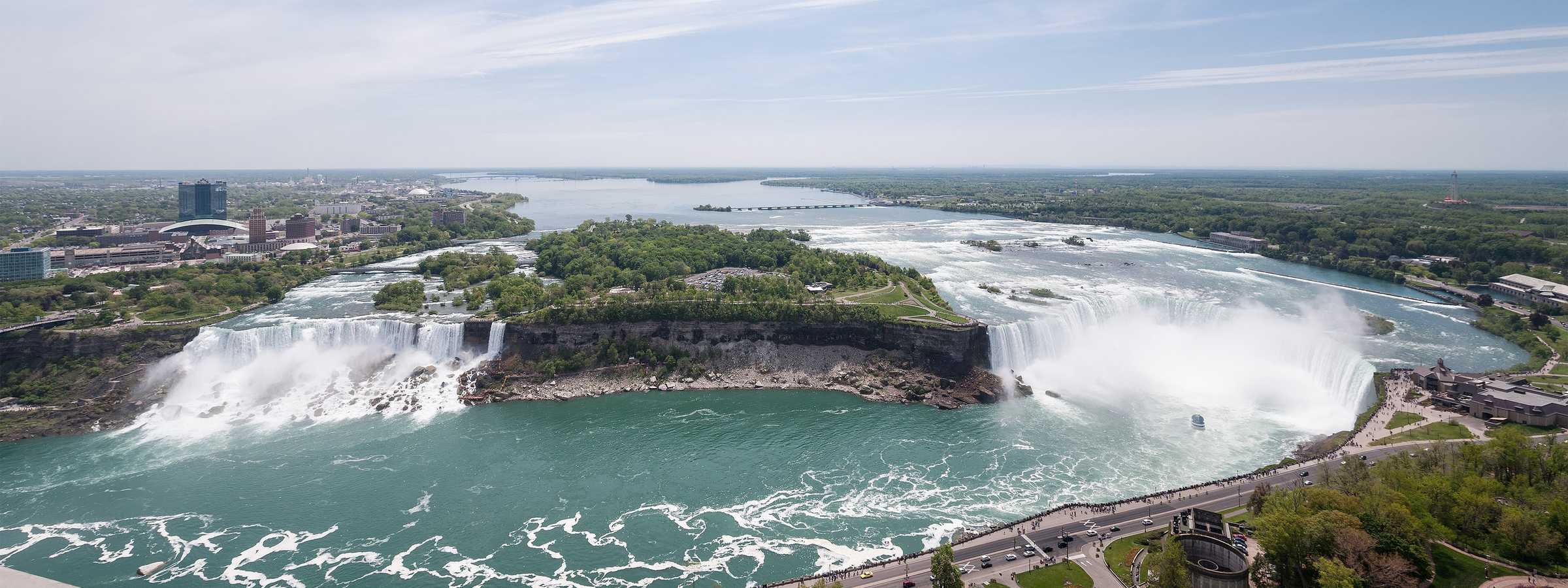
New York has the Hudson River, Lake Erie and Ontario borders, the Erie Canal network, the St. Lawrence River, and New York City's harbor complex — one of the most varied magnet fishing environments in the country. The Erie Canal corridor is particularly interesting, with 200 years of commercial traffic and infrastructure. NYC harbor has extreme tidal current and deep water, which requires serious gear.
Best magnet fishing gear for New York
Best magnet fishing spots in New York
1. Hudson River at Poughkeepsie Waterfront
Poughkeepsie
The Hudson River through Poughkeepsie has been a working industrial and commercial waterway for over 150 years, and the bottom reflects every bit of that history. People have pulled railroad spikes, old iron hardware, chain links, and the occasional anchor fragment from the shallows near the boat launch. Access is straightforward at the Waryas Park waterfront with decent parking, and the tidal current means new stuff shifts into range regularly.
2. Hudson River at Newburgh Waterfront
Newburgh
The Newburgh waterfront sits along a stretch of the Hudson River that saw heavy industrial and ferry traffic for well over a century, and the bottom reflects that history — old hardware, chain, anchors, and occasionally older iron that nobody's touched in decades. Access is solid through the waterfront park, parking is right there, and the water is shallow enough near the bulkhead to get good rope control. People have pulled up everything from engine parts to ship fittings here.
3. Erie Canal — Rome to Utica Corridor
Rome
The Erie Canal has been moving boats, tools, and cargo across New York since 1825, and the stretch between Rome and Utica is one of the more productive sections for magnet fishing because of the old lock infrastructure and decades of recreational boating traffic layered on top of the working canal history. Canal walls and lock areas are where dropped tools, chains, and hardware concentrate over time. Depth is manageable — typically 12 to 14 feet in the main channel — and there are multiple public access points along the canal trail.
4. Erie Canal at Lock 17
Little Falls
Lock 17 on the Erie Canal is one of the highest lift locks in the world and it's been in operation since 1918 — the edges of the lock walls and the approach channels have absorbed a remarkable amount of dropped and discarded metal over the decades. Access is easy, there's a visitor area nearby, and the lock walls give you a clean vertical drop for your magnet. Bolts, tools, coins, and old lock hardware are pretty common finds here.
5. Erie Canal at Lockport
Lockport
The Erie Canal through Lockport has been moving boats and dropping things since 1825, and the lock areas specifically are where the interesting finds concentrate. Hardware, old tools, boat fittings, and the occasional coin pouch have come out of this stretch. Canal banks are accessible at multiple points and the water is relatively shallow near the edges.
6. Newtown Creek
Brooklyn
Newtown Creek sits on the Brooklyn-Queens border and is one of the most industrially dense waterways in the country — it's been a hub for oil refining, shipbuilding, and manufacturing since the mid-1800s. The bottom is layered with old iron, discarded tools, and hardware going back generations, though it's worth knowing this is an EPA Superfund site, so wash your hands and gear thoroughly after every session. Access points exist along Paidge Avenue and the Greenpoint waterfront, but you're working in tight urban space.
7. Gowanus Canal
Brooklyn
The Gowanus is one of those spots that feels almost too good to be true for magnet fishing — it's a Superfund site with over 150 years of industrial use, and the bottom is genuinely unknown territory in spots. People have pulled up firearms, old tools, car parts, and things that are probably better left unidentified. Access is decent from the street-level banks and a few public path points, though you're in NYC so be aware of who's watching and know your legal obligations — especially if you pull up a firearm, stop touching it and call the NYPD.
8. Harlem River
New York City
The Harlem River separates Manhattan from the Bronx and has a century-plus of boat traffic, bridge construction, and urban use behind it — which means the bottom has accumulated accordingly. People have found old railroad hardware, cast iron pieces, and various dropped urban debris in the shallows near the old rail bridges. Keep in mind NYPD jurisdiction here is real, and if you pull up a firearm you stop touching it and call police immediately.
9. Hudson River at Kingston Rondout Creek
Kingston
Rondout Creek empties into the Hudson right at Kingston and this whole area was a major commercial waterfront through the 1800s and into the 20th century — cement, coal, and freight all moved through here. The creek mouth and the old wharf pilings are a productive zone, and parking near the Rondout waterfront is manageable. Cast in close to the pilings if you can because that's where the old iron concentrates.
10. Hudson River at Catskill
Catskill
Catskill sits where Catskill Creek meets the Hudson, and that confluence has been a commercial landing point since the 1700s. The riverfront here has produced old iron fittings, anchors, and maritime hardware. There's a public boat launch with parking, and the tidal action in this section of the Hudson means things get moved around and redeposited regularly.
11. Cayuga Lake Inlet
Ithaca
The inlet channel running into Cayuga Lake near Ithaca has over a century of marina activity, small boat traffic, and recreational use that's left a consistent trail of dropped hardware and lost tackle. The water is cleaner than most urban spots and the bottom is sandy-to-rocky with manageable depth near the docks. Parking is available near the inlet park area and the access is pretty relaxed compared to the New York City waterways.
12. Harlem River at Sherman Creek
New York City (Manhattan)
Sherman Creek Park sits at the northern tip of Manhattan where the Harlem River narrows, and it's one of the more accessible public fishing spots in the five boroughs. The Harlem River has been a working waterway for a long time and the northern end near Inwood sees less boat traffic than the lower stretches. Finds here have included old anchors, chain, and the occasional firearm — NYC rules apply, so if you pull up a gun, put it down and call it in.
13. Mohawk River at Schenectady
Schenectady
Schenectady sits right on the Mohawk River and has been a manufacturing hub going back to the 1800s — General Electric had major operations here, and before that it was a serious canal and river trade hub. The Mohawk near the Riverside Park boat launch is accessible and the bottom holds old iron hardware, fasteners, and the occasional larger piece. Current picks up in the main channel so stay near the banks and eddies where stuff actually settles.
14. Seneca Lake at Geneva Pier
Geneva
Seneca is the deepest of the Finger Lakes and Geneva's north end pier area has recreational and some light commercial history going back well over a hundred years. The water is cold and clear, which means visibility is good but it also means metal corrodes more slowly and can sit in better condition than what you'd find in a river. Old hardware, fishing gear, and dock fittings are the bread and butter here.
15. Skaneateles Lake Outlet
Skaneateles
The outlet of Skaneateles Lake runs through the village and has over a hundred years of recreational and light industrial history along its banks. The water is cold and clear, which makes spotting surface finds easier, and the current in the outlet channel concentrates metal in certain bends. Parking is available near the village waterfront.
16. Lake Erie at Buffalo Harbor
Buffalo
Buffalo's waterfront on Lake Erie has a deep industrial past — steel mills, grain elevators, and one of the busiest freshwater ports in North America through much of the 20th century. The harbor area near the Erie Basin Marina still gives up old iron fasteners, chain, and port hardware regularly. Water depth along the accessible shoreline stays manageable but the bottom can be silty, which means your magnet is going to come up muddy.
17. Mohawk River at Schenectady Stockade District
Schenectady
The Mohawk River running past Schenectady's Stockade neighborhood is one of the older settled corridors in New York State, and the riverbank around the Stockade has been occupied since the 1660s. There's public access along the river, the current is moderate, and the bottom near the old district has produced old iron hardware, chains, and miscellaneous industrial finds. It's not the most famous spot but the history density here is legitimately high.
18. Black Rock Canal
Buffalo
The Black Rock Canal runs parallel to the Niagara River on the Buffalo side and was a working commercial channel for most of the 20th century. Dock hardware, old tools, and boat fittings show up regularly, and the bottom is relatively shallow compared to the main Niagara. Access from the park areas along Squaw Island is pretty easy.
19. Sacandaga Reservoir (Great Sacandaga Lake)
Northville
The Great Sacandaga was created in 1930 by flooding the Sacandaga River valley, which means there are submerged towns, farms, and infrastructure sitting under that water — and it's been attracting curious people with magnets ever since. The shallower edges near old bridge abutments and the remnants of submerged road infrastructure are where people have found old iron hardware, farm equipment parts, and structural steel. Access points exist along the lake road on the southern shore.
20. Newtown Creek at Greenpoint
Brooklyn
Newtown Creek is another Superfund waterway — it forms the Brooklyn-Queens border — and it has more industrial history per square foot than almost anywhere in New York State. Shipyards, refineries, and manufacturing all ran alongside this creek for over a century. Public access has improved in recent years with the Newtown Creek Nature Walk, and the metal finds here have been genuinely unusual, including old mechanical components that are hard to even identify.
21. Genesee River at Rochester
Rochester
The Genesee runs straight through downtown Rochester and drops over multiple waterfalls before emptying into Lake Ontario, and the industrial stretches south of the lake have a long manufacturing and milling history behind them. The river near Turning Point Park and the lower gorge areas is accessible and the bottom has given up old iron fittings, chain, and hardware linked to the milling operations that once lined the banks. Parking is reasonable at Turning Point Park and the trail access makes it easy to work multiple spots in one trip.
22. Niagara River at Youngstown
Youngstown
Youngstown sits at the mouth of the Niagara River where it empties into Lake Ontario, and the old Fort Niagara is right there — this area has military and maritime history going back to the 1700s. The current at the river mouth is strong so you're not going to get your magnet far from shore without some technique, but working the near-bank zone around the old dock remnants can be productive. Old iron fittings and chain are common finds.
23. Rondout Creek at Kingston
Kingston
Rondout Creek flows into the Hudson at Kingston and was once one of the most important commercial harbors on the river — coal barges, brick manufacturing, and steamboat traffic ran through here for over a century. The creek near the Rondout Landing and the old maritime museum area holds old iron hardware, anchor chain fragments, and barge-era metal that's been accumulating since the 1800s. It's a tidal waterway so timing your session around low tide exposes more of the shallow edges where gear tends to pile up.
24. Canandaigua Lake Outlet at Canandaigua City Pier
Canandaigua
Canandaigua has been a resort town on the Finger Lakes since the 1800s and the city pier area at the north end of the lake has seen recreational boat traffic for generations. The outlet creek runs north from the lake and the zone right around the pier and boat launch is where dropped gear, old hardware, and anchor chain tends to accumulate. Parking is right there, access is easy, and it's a good lower-intensity spot if you're newer to this.
25. Lake Ontario Shoreline at Oswego Harbor
Oswego
Oswego has one of the oldest harbors on Lake Ontario and the harbor mouth area has seen commercial shipping, military activity, and recreational boating for over two centuries. Finds here lean toward nautical hardware, anchors, and chain, and the breakwall areas give solid access. Wind and wave action along the Lake Ontario shore means conditions can change fast, so pick a calm day.
Magnet fishing in New York — FAQ
Is magnet fishing legal in New York?+
What do I do if I pull up something that looks historically significant?+
How much pull force do I need for the Hudson River or NYC harbor?+
How long a rope do I need for New York spots?+
Can I magnet fish in New York City specifically?+
What's the best type of spot to start at in New York as a beginner?+
Do I need a grappling hook for New York spots?+
What should I do with rusty metal I pull up?+
Is magnet fishing legal in NYC?+
Do you need a license or permit to magnet fish in New York?+
Here are some magnet fishing finds in New York
- In 2024, a couple found a safe full of $100 bills estimated to be worth over $80,000 in a pond in Queens. Full story.
- In 2021, a magnet fisher in the Hudson River found a 19th century pocket watch. The watch was in working condition and was valued at over $1,000.
- In 2020, a magnet fisher in the Erie Canal found a Civil War-era musket ball. The musket ball was in good condition and was donated to a local historical society.
- In 2019, a magnet fisher in Lake Erie found a 1930s-era car. The car was in poor condition, but it was still a unique find.
- In 2018, a group of magnet fishers in Buffalo found a 100-year-old bicycle that was in near-perfect condition. The bicycle was donated to a local museum.
- In 2019, a magnet fisher in Syracuse found a World War II bomb. The bomb was safely detonated by the police.
- In 2019, a man in Amsterdam, New York found a loaded revolver while magnet fishing in the Mohawk River.
- In 2020, a group of magnet fishermen discovered a safe containing jewelry and other valuables in a river in upstate New York.
Looking for more magnet fishing spots near New York? Check out our guides for Connecticut, Massachusetts, New Jersey, Pennsylvania, and Vermont — all neighbouring states with their own rivers, lakes, and access points worth exploring.
Best Magnet Fishing Magnets
Find the best magnet for magnet fishing — from 500 lb beginner picks to 2,000 lb+ heavy hitters.
Find your magnet →Best Magnet Fishing Accessories
Rope, gloves, grappling hooks, buckets, and more — the magnet-fishing accessories that actually matter.
Browse accessories →Best Magnet Fishing Kits
Looking for the best magnet fishing kit? Top picks that bundle a strong magnet, rated rope, and gloves.
See the kits →Pulled something good out of New York's water?
We're always adding new spots and finds. Share your favorite New Yorklocation or your best haul and we'll feature it on the site.