
Magnet Fishing in Massachusetts: Harbor History and River Finds
Boston Harbor alone has over 400 years of maritime history, and the tidal rivers on the South Shore have barely been touched by magnet fishers. Massachusetts has active historical preservation oversight, so you can't just pull artifacts from protected sites — but general canal and river fishing is pretty accessible.
Not fishing Massachusetts? See the best places to magnet fish in all 50 states. New to the hobby? Start with the complete guide to how to go magnet fishing.
Is magnet fishing legal in Massachusetts?
RestrictedYes, with permission required on inland waterways. Massachusetts formalized the ask-first step that most states leave implicit: inland rivers and ponds need the managing agency's permission, usually DCR or the town. Artifacts over 100 years old are protected under M.G.L. Chapter 9, and no fishing license applies.
Massachusetts doesn't have a statewide magnet fishing ban, but the Massachusetts Historical Commission has active oversight of underwater archaeological sites, particularly in historic harbor areas. MassDEP and DCR each manage different public waterways, so the rules vary by location. Boston Harbor has both active port areas and DCR-managed parkland — check which jurisdiction applies to your specific access point.
Statute, agency and the local gotcha for every state: Massachusetts in the state-by-state magnet fishing laws guide.
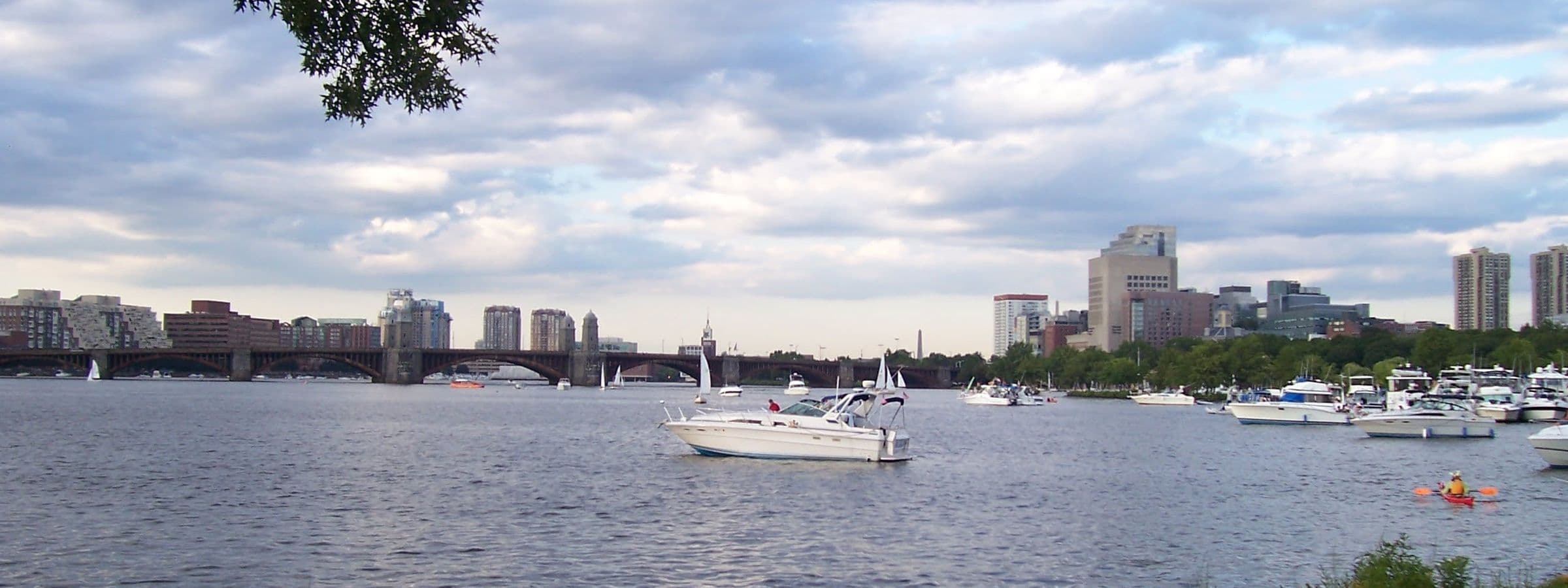
Magnet fishing in Massachusetts — quick info
Recommended Pull Force
Recommended Rope Length
Beginner Difficulty
Typical Water Conditions
Massachusetts has the Connecticut River in its interior, a complex Atlantic coastline with harbors from Boston to New Bedford, and numerous inland lakes in the central and western parts of the state. Boston Harbor and the channels around it have layers of industrial and colonial history. Tidal rivers on the South Shore and Cape Cod can be productive but require timing your visit to low tide.
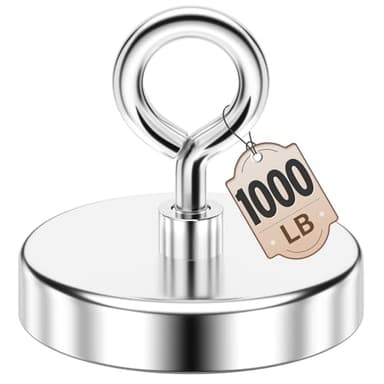
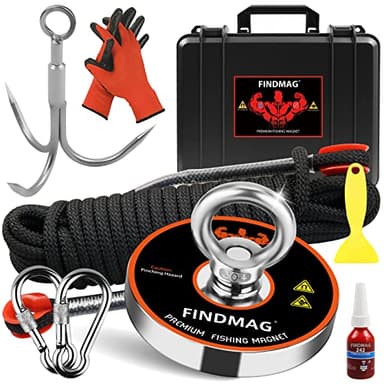
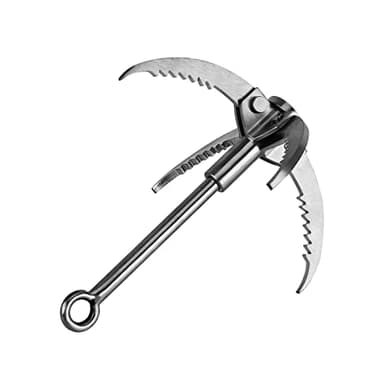
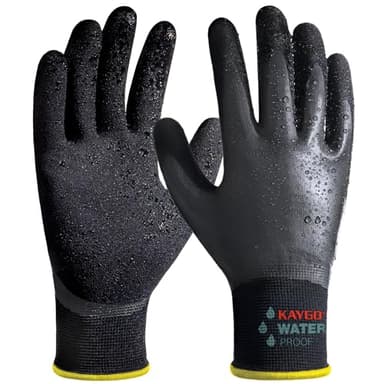
Best magnet fishing gear for Massachusetts
Best magnet fishing spots in Massachusetts
1. Charles River
Cambridge
The Charles runs through one of the most historically dense urban corridors in the country, and the stretch through Cambridge and into Boston has been dropping things into the water since the 1600s. People have pulled out old tools, bicycle frames, coins, and the occasional piece of cast iron that nobody can quite identify. Access along the Esplanade and the Cambridge riverbanks is easy, parking is manageable outside of event days, and the water is shallow enough in most spots that a solid throw gets you to productive bottom.
2. Charles River (Watertown Dam Area)
Watertown
The stretch near Watertown Dam has been collecting dropped and dumped metal for well over a century — this was a working industrial corridor, and the riverbed shows it. People have pulled out tools, old hardware, Civil War-era coins, and the occasional bike frame that's clearly been down there since the 80s. There's decent parking off Charles River Road and the banks are pretty accessible on the Watertown side.
3. Merrimack River
Lowell
Lowell was one of the first planned industrial cities in America, and the Merrimack powered all of it — mills, machine shops, foundries running for over a century. That means there's industrial-era metal in this river that you genuinely won't find anywhere else in the state. The riverbanks near the Lowell National Historical Park are publicly accessible, current can run fast in spring, and the bottom is a mix of sand and heavy silt that buries things deep but holds them well.
4. Merrimack River (below the Pawtucket Falls)
Lowell
Lowell is basically ground zero for American industrial history, and the Merrimack running through it has absorbed two centuries of mill-town runoff, dumped machinery, and canal hardware. Below Pawtucket Falls especially, people have found cast iron fittings, mill equipment fragments, and old fasteners that don't look like anything you'd buy at a hardware store today. Bank access is reasonable along Pawtucket Boulevard, and the water isn't too deep in most spots.
5. Merrimack River (Lawrence Falls Area)
Lawrence
Lawrence was a major textile mill city and the Merrimack ran right through the middle of all of it — meaning there's over a century of industrial byproduct sitting on that riverbed. Finders have pulled mill equipment, old iron spikes, and chains out of the stretches near the falls. Bank access is decent from several points along the Essex Street side, though the current picks up hard near the dam and you need to mind your footing on the wet ledges.
6. New Bedford Harbor
New Bedford
New Bedford was the whaling capital of the world for decades, and the harbor reflects every bit of that history — old harpoon hardware, ship fittings, chain links, and dock ironwork have all been reported here. Access near the working waterfront is complicated and you'll want to stick to public fishing piers and the State Pier area to stay clear of commercial operations. Water is deeper than most river spots, so your throws need to be accurate and your retrieval slow.
7. Concord River
Concord
The Concord River runs right past the North Bridge — one of the most historically significant pieces of ground in the country — and the water around the bridge and downstream has been fished for artifacts for years. Old musket hardware obviously comes to mind, though the Board of Underwater Archaeological Resources has jurisdiction here, so know what you're legally dealing with before you pocket anything old. The river is slow-moving and relatively shallow, which makes for easy pulling and good bottom contact.
8. Concord River (North Bridge Area)
Concord
The Concord River near the Old North Bridge is a genuinely weird place to magnet fish — in the best way. You're fishing a slow, shallow river next to one of the most historically significant spots in the country, and the bottom reflects that in odd ways. Musket balls, old nails, and Colonial-era hardware have all been reported from this stretch. The National Park Service manages the immediate bridge area, so you'll want to stick to the public access points downstream and check current rules before you set up.
9. Taunton River
Taunton
The Taunton River corridor ran silver mills, iron furnaces, and tack factories for most of American industrial history, and that legacy is sitting in the riverbed. The stretch near the city center has old bridge abutments and mill canal remnants that concentrate metal finds in predictable spots. Tidal influence reaches pretty far inland here, which means conditions change and low tide is your best window for shallow-water access from the banks.
10. Taunton River (Town Bridge Area)
Taunton
The Taunton River runs through what used to be a serious ironworks and silverware manufacturing region, and the riverbed near the old Town Bridge has the kind of junk accumulation you'd expect from a working industrial town. Old tools, scrap metal, and fasteners from the manufacturing era show up fairly often. Bank access is solid near the downtown stretch and the water depth is manageable from shore in most spots.
11. Taunton River (Weir Bridge Area)
Taunton
Taunton was a silversmithing and iron manufacturing hub for centuries, and the river that ran through it picked up a lot of debris along the way. The Weir Bridge area is one of the most accessible bank spots, with parking close by and a gradual slope into the water. Old iron fittings, early industrial hardware, and various unidentified cast pieces have been reported by people working this stretch.
12. Fort Point Channel
Boston
Fort Point Channel sits in the middle of Boston's former industrial waterfront, and the channel walls have been holding onto dropped and dumped metal since the 1800s. Old construction hardware, dock fittings, and random industrial debris come up regularly from the ledge near the channel walls. Public access from the Harborwalk is solid, and the relatively calm water compared to the outer harbor makes retrieval a lot more predictable.
13. Assabet River (below Rice Pond Dam)
Marlborough
Below Rice Pond Dam, the Assabet moves slow enough that metal settles and stays put instead of getting pushed downstream. The river runs through former mill territory and the finds tend toward hardware, old tools, and the occasional piece of machinery that clearly didn't walk in on its own. Parking near the dam is accessible and the banks drop off gradually, which makes it pretty forgiving for wading or throwing from shore.
14. Assabet River (Northborough Millpond)
Northborough
The Assabet powered mills all the way through its length and the Northborough area has remnants of that era sitting in relatively calm, accessible water. The millpond is shallow enough to wade in warmer months and the banks are easy to work from. People have pulled old mill hardware, wagon iron, and the usual assortment of 20th-century junk that ends up in any New England river.
15. Sudbury River
Framingham
The Sudbury feeds into the Concord River system and passes through old mill towns with enough industrial history to make it interesting without the crowds you'd get closer to Boston. Old mill dam remnants near Saxonville concentrate metal in the scour pools just downstream — that's where you want to focus your throws. Access from town-owned riverbank areas is generally fine, and the river runs shallow enough that a standard 50-foot rope covers most spots.
16. New Bedford Harbor (public waterfront)
New Bedford
New Bedford was the whaling capital of the world, and the harbor waterfront has the kind of accumulated maritime history that makes magnet fishing feel almost archaeological. Anchors, chain hardware, old ship fittings, and tools have all surfaced here. Access from the public pier areas is decent, but this is Massachusetts coastal zone territory — familiarize yourself with the Office of Coastal Zone Management rules before you throw anything in.
17. Mystic River (Wellington Bridge Area)
Medford
The Mystic runs through some densely developed urban corridor between Medford and Somerville, and that means a genuinely weird and varied mix of finds. People have come up with old car parts, boat anchors, construction iron, and stranger things. The Wellington Bridge area has solid bank access and parking nearby, and the river is navigable by kayak if you want to cover more ground.
18. Palmer River
Rehoboth
The Palmer River is a smaller, quieter waterway in southeastern Massachusetts with a surprisingly active history of colonial-era mills and iron works. It doesn't get the magnet fishing traffic of the bigger rivers, which honestly means the bottom hasn't been picked over. Access from Rehoboth and the Seekonk area is mostly from road bridges and informal pull-offs, water depth is modest, and the slow current makes for clean, controlled retrieves.
19. Sudbury River (Heard Pond Outlet)
Wayland
The Sudbury River near the Heard Pond outlet is quieter than the industrial rivers but no less interesting — this is old farming and mill country and the bottom holds that history in small pieces. Old farm hardware, hand tools, and mill remnants show up here with some regularity. The conservation land around Heard Pond makes access straightforward, and the slow current keeps things from getting complicated.
20. Sudbury River (Sherman's Bridge)
Wayland
Sherman's Bridge is a covered wooden bridge site with a long history of crossings going back to colonial times, and the river bottom near old bridge footings is almost always worth investigating. The area is part of Great Meadows National Wildlife Refuge so you'll want to be clear on what's permitted before you drop a rope in — that said, the river itself at the bridge crossing has been a productive spot. Access is straightforward from the road.
21. Gloucester Harbor
Gloucester
Gloucester has been a working fishing port since the early 1600s and the harbor bottom reflects every decade of that — old anchor hardware, chain, boat fittings, and commercial fishing gear show up regularly. The public fishing pier near the inner harbor gives decent access without tangling with commercial operations, and the rocky bottom means metal doesn't sink out of reach the way it does in silt. Parking at the waterfront is tight in summer.
22. Blackstone River (Millville Lock Area)
Millville
The Blackstone River powered some of the earliest American textile mills and the canal system that runs alongside it is basically an open museum of 19th-century industrial infrastructure. The Millville Lock area in particular has produced canal hardware, old tools, and metal fittings from the canal era. The Blackstone River and Canal Heritage State Park gives you legitimate access without having to guess at property lines.
23. North River (Hanover Bridge Area)
Hanover
The North River was one of the busiest shipbuilding rivers in colonial America — more ships were built along its banks than almost anywhere else in New England during the 1700s. That history translates to old iron fittings, ship hardware, and maritime debris that's been sitting in the mud for centuries. The Hanover area has decent bank access and the river is tidal here, so timing your session around low tide gives you a lot more to work with.
24. Blackstone River
Northbridge
The Blackstone River powered the very first successful water-powered textile mill in America at Pawtucket, and the Massachusetts stretch through Northbridge and Uxbridge has its own deep industrial history with mill villages and ironworks going back to the 1700s. The Blackstone River Bikeway runs alongside much of the river here, which makes access genuinely convenient and parking easy at multiple trailheads. Old mill hardware, iron fittings, and general industrial debris from two-plus centuries of manufacturing are sitting in that riverbed.
25. Millers River (Athol Town Center Stretch)
Athol
Athol sat at the center of a tool-manufacturing industry for most of the 19th and 20th centuries, and the Millers River running through town picked up a lot of that metal over the years. Old tool blanks, machine parts, and hardware show up in the river bottom here more than you'd expect from a stretch that looks pretty unremarkable from the bridge. Access from several points along the downtown stretch is easy, with parking close by.
26. Nashua River (Pepperell Dam Area)
Pepperell
Pepperell sits right on the New Hampshire border and the Nashua River here has a long history of mill activity with the remains to prove it. The stretch near the old dam site has produced iron machinery components, old tools, and hardware that looks like it came out of a 19th-century workshop. Parking is available near the bridge and the banks are stable enough to work from without a lot of scrambling.
Magnet fishing in Massachusetts — FAQ
Is magnet fishing legal in Massachusetts?+
Do I need a permit to magnet fish in Boston Harbor?+
What pull force do I need for Massachusetts waters?+
How long should my rope be for Massachusetts spots?+
What's the best time to fish tidal rivers on Cape Cod?+
Can I keep what I find while magnet fishing in Massachusetts?+
Is magnet fishing in Massachusetts difficult for beginners?+
Do you need a license or permission to magnet fish in Massachusetts?+
Here are some magnet fishing finds in Massachusetts
- In July 2019, a Lynnfield resident pulled a loaded Uzi submachine gun out of Pillings Pond with a magnet and rope, then recovered four more loaded firearms including a .40-caliber Glock and a Colt Cobra revolver. All went to police, and State Police divers searched the pond (via The Boston Globe).
- In March 2024, Sean Martell pulled an old but live military projectile from the Charles River near the Kendrick Street bridge in Needham, and Josh Parker pulled a deteriorated bazooka round from nearly the same spot five days later. The State Police bomb squad detonated both (via CBS Boston).
- Arthur Flynn III of Ayer pulled an MK-2 pineapple grenade and a 60mm mortar shell from the Nashua River near Fort Devens; Sean Martell of Brockton has hauled a sawed-off shotgun barrel, a stop sign, a washing machine, and a Ducati motorcycle out of the Taunton River; and a loaded snub-nose revolver came up in Jamaica Plain (via The Boston Globe).
- In July 2022, eight kids in a Woburn summer program dredged a stolen Vespa moped out of a local pond with two magnets (via WHDH).
Looking for more magnet fishing spots near Massachusetts? Check out our guides for Connecticut, New Hampshire, New York, Rhode Island, and Vermont — all neighbouring states with their own rivers, lakes, and access points worth exploring.
Best Magnet Fishing Magnets
Find the best magnet for magnet fishing — from 500 lb beginner picks to 2,000 lb+ heavy hitters.
Find your magnet →Best Magnet Fishing Accessories
Rope, gloves, grappling hooks, buckets, and more — the magnet-fishing accessories that actually matter.
Browse accessories →Best Magnet Fishing Kits
Looking for the best magnet fishing kit? Top picks that bundle a strong magnet, rated rope, and gloves.
See the kits →Pulled something good out of Massachusetts's water?
We're always adding new spots and finds. Share your favorite Massachusettslocation or your best haul and we'll feature it on the site.