
Magnet Fishing in Delaware: Industrial History Underwater
Delaware's small, but the Christina River corridor through Wilmington has serious industrial history — shipyards, mills, factories — all leaving behind decades of metal in the riverbed. The tidal influence from the Delaware Bay means water levels shift, so go at low tide for the best access.
Not fishing Delaware? See the best places to magnet fish in all 50 states. New to the hobby? Start with the complete guide to how to go magnet fishing.
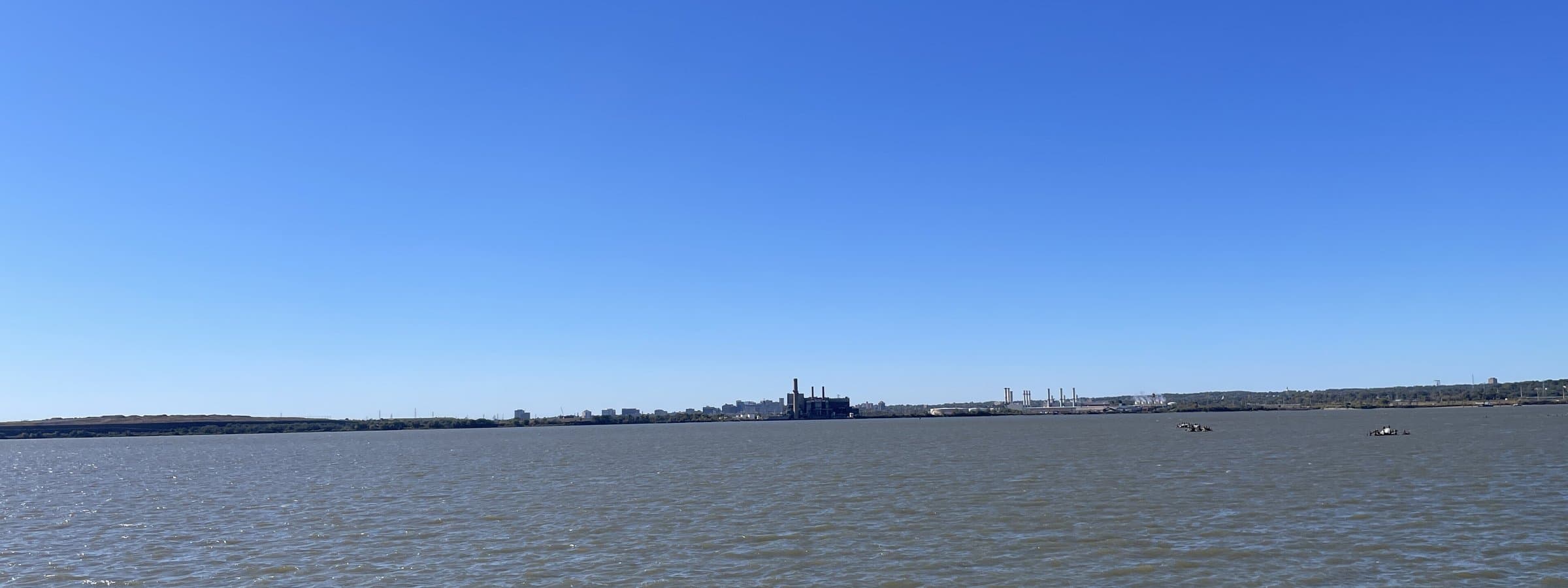
Magnet fishing in Delaware — quick info
Recommended Pull Force
Recommended Rope Length
Beginner Difficulty
Typical Water Conditions
Delaware is small but has the Delaware River and Bay on its eastern edge, plus Christina River running through Wilmington — an area with a long industrial history. Tidal influence reaches well inland, so water conditions shift throughout the day. The Christina in particular runs through old mill and shipyard zones that tend to hold a lot of submerged metal.
Is it legal? Delaware doesn't have a specific magnet fishing ban. DNREC (Department of Natural Resources and Environmental Control) oversees public waterways, and as long as you're accessing the water from a public right-of-way or park, you're generally fine. Found firearms must be reported to police, and Delaware does have state historic preservation protections that apply to anything with archaeological significance.
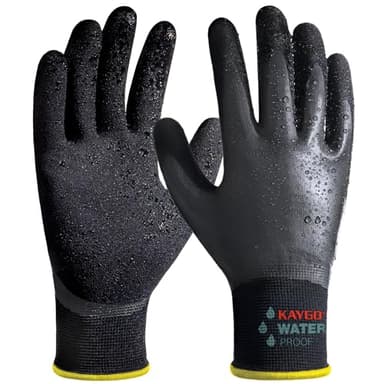
Best magnet fishing gear for Delaware
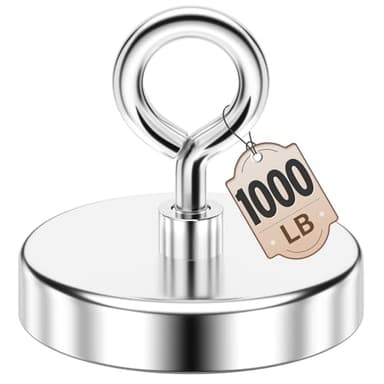
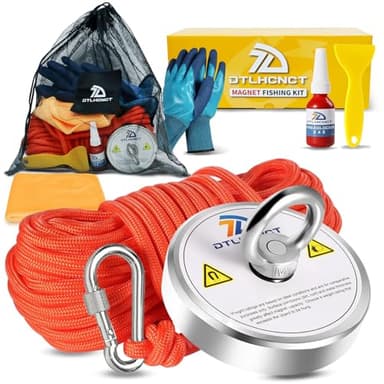
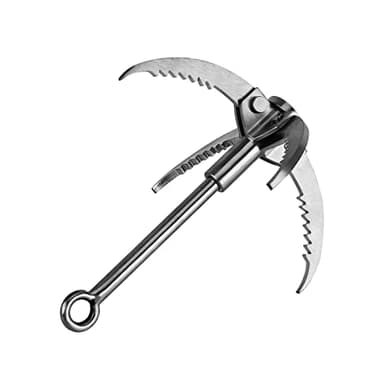
Best magnet fishing spots in Delaware
1. Christina River (Downtown Wilmington Section)
Wilmington
This stretch of the Christina has been an industrial corridor since the 1600s — shipbuilding, iron works, mills — and the bottom reflects all of it. People have pulled old bolts, chain links, and unidentified cast iron chunks from the shallow edges near the Riverwalk. Access is easy with paved walking paths and decent pull-off spots close to the water.
2. Delaware River at Brandywine Creek Confluence
Wilmington
This is where the Delaware River meets Brandywine Creek, and the sediment here has been collecting metal since before the country existed. Washington's army crossed nearby and this stretch of river has seen enough traffic — military, industrial, commercial — to keep a magnet busy for years. Access is decent from Brandywine Creek State Park areas, shallow enough near the banks to work without waders.
3. Christina River
Wilmington
This is the spot in Delaware if you're into industrial history. The Christina River runs through what used to be heavy manufacturing territory — shipbuilding, steel, all of it — and the bottom reflects that. Old hardware, chain, anchors, and stuff I can't even identify have come out of here near the Riverfront development area. Access is solid, with paved walkways along much of the bank and decent parking at Riverfront Park.
4. Delaware River (New Castle Waterfront)
New Castle
New Castle is one of the oldest towns in Delaware and the riverfront here has been active since colonial times — this isn't a stretch where you're just pulling up modern junk. The water is deep close to the banks and the current is real, so you want to work the shallower edges near the old pier remnants. Parking is easy at Battery Park and the walk to the water is nothing.
5. Christina River — Urban Waterfront
Wilmington
The Christina runs through the industrial heart of Wilmington and that history shows up on your magnet. Shipbuilding, manufacturing, rail yards — this water caught a lot of metal over the last two centuries and it's still sitting down there. The Riverwalk gives you easy access to multiple drop points without any real hiking.
6. Delaware River at Penn's Landing Access
New Castle
The Delaware River along this stretch has been a working waterway for hundreds of years, and the bottom near old ferry crossings and docks holds metal that spans multiple centuries. Washington's crossing is upstream, but this whole corridor has Revolutionary War-era context that makes every find more interesting. Bank access near New Castle's historic waterfront is easy enough, and the water is relatively shallow close to shore.
7. Brandywine Creek (Alapocas Run Area)
Wilmington
The Brandywine has old mill history going back centuries and the Alapocas stretch has rocky structure along the banks where metal loves to get wedged. Finds here tend to lean older — tools, hardware, sometimes old blades — because this corridor was working land for a long time. The trail access is solid and you can walk a good stretch of bank without much hassle.
8. Delaware City Boat Ramp
Delaware City
Delaware City sits right on the Delaware River and has been a working waterfront since the early 1800s. The boat ramp area gets you close to some genuinely old water and people have pulled tools, anchors, and unidentified iron chunks out of this stretch. Parking is easy and the depth right off the ramp is manageable.
9. Brandywine Creek
Wilmington
Brandywine Creek fed a string of mills for over two centuries, and all that industrial activity left metal behind. The sections near old mill sites and stone bridges are especially productive — old mill hardware, horseshoes, tools. The creek is generally shallow and accessible along Brandywine Creek State Park trails, which makes it a good spot if you're just getting started.
10. Chesapeake and Delaware Canal (Summit Bridge Area)
Middletown
The C&D Canal is a working shipping canal with serious depth and serious history — it was dug in the 1820s and every era of American industry has left something in it. The Summit Bridge area has a nice accessible bank and people have found everything from old cast iron hardware to more recent anchor chain. Just know the current picks up when ship traffic moves through.
11. Chesapeake and Delaware Canal
Chesapeake City area / St. Georges
This canal has been moving ships since 1829 and the bottom reflects that — bolts, tools, chain links, and occasionally something bigger that slid off a deck over the decades. The St. Georges bridge area on the Delaware side gives you good access and the canal walls concentrate finds in ways that open river spots don't. Depth drops fast so a longer rope is smarter than a shorter one.
12. Indian River Inlet
Rehoboth Beach
The inlet connecting the Atlantic to Indian River Bay sees a lot of boat traffic, fishing activity, and decades of dropped and lost gear. It's a brackish tidal system so the water moves, but the edges near the fishing pier and the south bank pull-offs are workable. Old fishing weights, hooks, and the occasional anchor piece are pretty common finds here.
13. Lewes Harbor
Lewes
Lewes has been a port since the 1600s and the harbor bottom has centuries of dropped, lost, and thrown metal in it. The ferry terminal area and the older dock sections near the historic district are especially worth targeting. It's a working harbor so be aware of boat traffic, but access from the public areas around Canalfront Park is straightforward.
14. Lewes-Rehoboth Canal
Lewes
This canal runs through the middle of one of Delaware's oldest towns and the bottom shows it — Lewes was a whaling port and a serious maritime hub for centuries. The canal banks are accessible from several spots along the bike path and the water is shallow enough that a good toss covers a wide swath of bottom. People pull up fishing gear constantly, but the older hardware finds are what make it interesting.
15. Rehoboth Bay — Old Landing Road Boat Ramp
Rehoboth Beach
The bay side of Rehoboth is shallower and calmer than the ocean side, making it actually fishable without fighting current. Old boat ramps concentrate decades of dropped gear — anchors, hardware, fishing weights, the occasional knife — and this one's been used long enough to have a good layer of finds. Parking is available and the depth near the ramp is beginner-friendly.
16. Red Clay Creek (Ashland Area)
Hockessin
Red Clay Creek is a smaller waterway but it ran through a lot of old mill sites and the Ashland area has creek-side access where those historical layers are right there in the shallows. It's not a destination spot exactly, but if you're in northern Delaware and want a quieter pull with real find potential, this is it. Depth is low — you're wading in spots — but that's not necessarily a bad thing.
17. Murderkill River
Frederica
The name alone makes it worth visiting. The Murderkill runs through agricultural and historically active land in Kent County and has old bridge crossings that tend to concentrate finds. People have pulled old farm equipment parts, tools, and miscellaneous hardware from the sections near Route 1 bridge access. It's quiet out here and you'll usually have the bank to yourself.
18. Smyrna River (Downtown Boat Ramp)
Smyrna
The Smyrna River is tidal down near town and the public boat ramp area is a classic magnet fishing setup — shallow enough to work easily, enough boat traffic history to have left metal behind, and parking right there. It's not the most glamorous spot in the state but it's consistent and easy to access any time of year. Old anchors and boat hardware are the finds people talk about from here.
19. Smyrna Landing Park — Smyrna River
Smyrna
The Smyrna River is a tidal creek that fed a serious milling and farming economy in the 18th and 19th centuries, and the landing here was an active trading point. It's quiet now, which means less competition and a bottom that hasn't been picked over. The park gives you direct water access and the shallow, slower current makes this a genuinely easy spot for beginners.
20. Smyrna River
Smyrna
Smyrna was a colonial-era port town and the river still has remnants of that past near the old downtown boat ramp and dock area. It's a shallow tidal creek system, so finds tend to sit on or just below the bottom rather than buried deep. Old boat hardware and iron fittings show up here fairly regularly.
21. St. Jones River (Dover Greenway)
Dover
The St. Jones runs right through Dover, which has been the state capital since 1777, and the greenway trail sections give you easy bank access through the heart of the city. It's not a deep river but the bottom near old bridge footings and the historic district sections has turned up old iron hardware and miscellaneous colonial-era-adjacent metal for people willing to work it systematically. Parking along the greenway is generally easy.
22. Augustine Wildlife Area — Augustine Creek
New Castle
Augustine Creek feeds into the Delaware River near New Castle, which is one of the oldest towns in the state and was a major colonial port. The creek itself runs through marshland that slows the current and drops metal in the bends. New Castle's history is deep enough that there's legitimate old iron in this water, not just modern junk.
23. St. Jones River
Dover
The St. Jones runs right through Delaware's capital and past land that's been occupied since the 1600s. The sections near Dover's historic district and old road crossings are worth working, and the river is shallow and slow-moving through most of downtown. It's a state heritage corridor, so be mindful of anything that might qualify as a submerged cultural resource.
24. Mispillion River (Milford Riverwalk Area)
Milford
Milford straddles the Mispillion and the downtown riverwalk section sits right on top of where old shipbuilding activity used to happen — this was a boat-building town for a long time and the river bottom near the old marine railway sites reflects that. Access from the riverwalk is as easy as it gets and the water is tidal and relatively shallow in the upper stretches. Old hardware, chain, and the occasional mystery piece of iron show up here.
25. Cooch's Bridge Area — Christiana Creek
Newark
Cooch's Bridge is the site of the only Revolutionary War battle fought in Delaware, and Christiana Creek runs right through it. That's not a small historical footnote — it's a real reason to think the bottom here might have more than just modern debris. Access is available from the historic site area and the creek is narrow enough that you can work both banks from one position.
26. Mispillion River
Milford
Another colonial-era port river that doesn't get nearly enough attention from magnet fishers. The Mispillion had active boat traffic for timber and grain well into the 20th century, and the area near the old Milford waterfront has produced boat hardware, anchors, and iron fittings. Parking is available near Mispillion Riverwalk and the bank access is straightforward.
Magnet fishing in Delaware — FAQ
Is magnet fishing legal in Delaware?+
What do I do if I find a gun in the water?+
How does tidal flow affect magnet fishing on the Delaware River?+
What pull force do I need for the Christina River?+
How much rope should I bring for Delaware waterways?+
Are there good spots for beginners in Delaware?+
Do I need a permit to magnet fish in Delaware?+
Here are some magnet fishing finds in Delaware
- At the Cape Henlopen State Park fishing pier in Lewes, David Wroten Jr. pulled an old revolver off the bottom. Park patrol inspected it and DNREC took possession of the gun (via Delaware Surf Fishing).
- Delaware hasn't made many magnet fishing headlines yet, which mostly means the water is underworked. The Christina River through Wilmington runs past old mill and shipyard ground, and the tidal Delaware River at New Castle has been a working waterfront since colonial days. Both are the places to expect bolts, shafts, chain, and railroad iron.
- Fished Delaware and pulled something up? Reply to any newsletter and tell us. Reader finds go here.
Looking for more magnet fishing spots near Delaware? Check out our guides for Maryland, New Jersey, and Pennsylvania — all neighbouring states with their own rivers, lakes, and access points worth exploring.
Best Magnet Fishing Magnets
Find the best magnet for magnet fishing — from 500 lb beginner picks to 2,000 lb+ heavy hitters.
Find your magnet →Best Magnet Fishing Accessories
Rope, gloves, grappling hooks, buckets, and more — the magnet-fishing accessories that actually matter.
Browse accessories →Best Magnet Fishing Kits
Looking for the best magnet fishing kit? Top picks that bundle a strong magnet, rated rope, and gloves.
See the kits →Pulled something good out of Delaware's water?
We're always adding new spots and finds. Share your favorite Delawarelocation or your best haul and we'll feature it on the site.