
Magnet Fishing in Pennsylvania: Industrial Rivers and Colonial Waterways
Pennsylvania has some of the richest waterway history on the East Coast — Pittsburgh's river confluence, the Susquehanna cutting across the state, the Delaware border with its colonial-era crossings. PFBC doesn't make it hard, but Pennsylvania's History Code is real — if you pull something that looks old, report it.
Not fishing Pennsylvania? See the best places to magnet fish in all 50 states. New to the hobby? Start with the complete guide to how to go magnet fishing.
Is magnet fishing legal in Pennsylvania?
AllowedYes. Pennsylvania allows magnet fishing except where a park or landowner prohibits it, and no fishing license or permit is required. Artifacts over 100 years old are protected under Title 37, so colonial and Civil War-era finds have to be reported, not kept.
Pennsylvania Fish & Boat Commission doesn't specifically prohibit magnet fishing. The state has strong archaeological protection under the Pennsylvania History Code, and Civil War and colonial-era artifacts are not uncommon in PA waterways — report anything that looks historical. Delaware River access is managed through a patchwork of state, DRBC (Delaware River Basin Commission), and local park jurisdictions.
Statute, agency and the local gotcha for every state: Pennsylvania in the state-by-state magnet fishing laws guide.
Magnet fishing in Pennsylvania — quick info
Recommended Pull Force
Recommended Rope Length
Beginner Difficulty
Typical Water Conditions
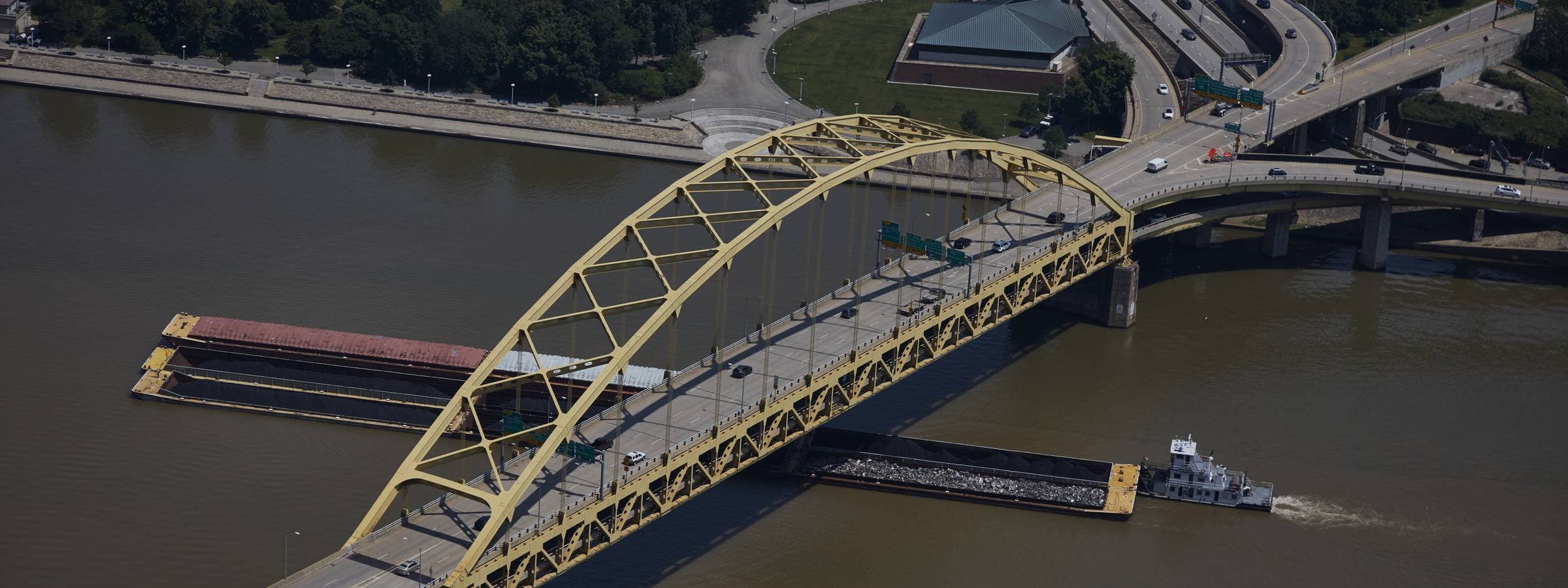
Pennsylvania has the Susquehanna, Delaware, and Ohio river systems, plus the Allegheny and Monongahela in the Pittsburgh area — a tremendous amount of historically active waterway. The Schuylkill through Philadelphia runs through old industrial zones. The Delaware River border has strong tidal influence in the south and clearer, faster conditions in the north.
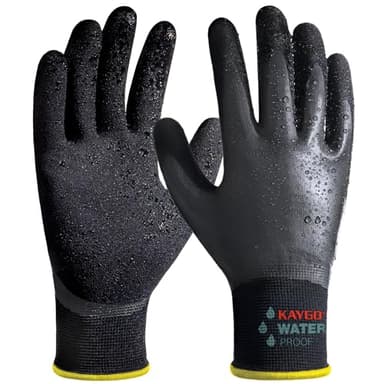
Best magnet fishing gear for Pennsylvania
Best magnet fishing spots in Pennsylvania
1. Point State Park — Allegheny and Monongahela Confluence
Pittsburgh
Where the Allegheny and Monongahela meet to form the Ohio River, and the bottom reflects every era of Pittsburgh's industrial and military history. People have pulled up railroad spikes, old tools, and Civil War-era hardware from the shallows near the fountain. Access is easy — paved paths right to the water's edge, free parking in the park lot.
2. Point State Park – Allegheny and Monongahela Confluence
Pittsburgh
Where the Allegheny and Monongahela meet to form the Ohio River, this spot has centuries of human activity compressed into one stretch of water. People have pulled military hardware, old tools, anchors, and Civil War-era iron out of here. Access is easy from the park itself and there's decent parking nearby, though the currents run strong at the confluence point.
3. Delaware River — New Hope Access
New Hope
This stretch of the Delaware has been a crossing point since before the Revolution, and the bottom shows it — old coins, horseshoes, and unidentified iron chunks have all come up here. The towpath along the Delaware Canal gives you long stretches of accessible bank with decent shallow-water reach. Parking is available near the canal towpath trailhead.
4. Delaware Canal State Park – Delaware River Access
New Hope
The Delaware River along this stretch has been a working waterway since colonial times and the canal system itself dates to the 1830s, which means there's layered history sitting in the mud. The canal towpath gives you easy walking access to multiple entry points, and the canal itself is shallower and calmer than the river if you want an easier session. Old iron hardware, tools, and canal-era metal are the kinds of things that turn up here.
5. Delaware River — New Hope Towpath Access
New Hope
New Hope sits on a stretch of the Delaware that was a major crossing point during the Revolutionary War and a busy canal terminus for most of the 1800s. The canal era alone left decades of iron hardware, lock fittings, and boat gear in and around the water. Access along the towpath is flat and easy, which makes this one of the better beginner spots in the state.
6. Schuylkill River — Manayunk Canal
Philadelphia
The Manayunk stretch of the Schuylkill has canal infrastructure going back to the 1820s and decades of industrial activity on both banks — it's not unusual to pull up old machinery parts, chains, and vintage hardware from the canal sections. The towpath runs the length and gives consistent bank access without having to scramble through brush. Street parking off Main Street, Manayunk.
7. Schuylkill River Trail – Manayunk Section
Philadelphia
The Schuylkill through Manayunk runs past what used to be heavy textile and industrial mill country, and the riverbed reflects that — people have found old machinery parts, rail spikes, and miscellaneous ironwork from the manufacturing era. The trail gives you paved access right along the water and the banks are approachable in most spots. Depth varies but the shallower edges near the old mill sites are where the interesting stuff tends to cluster.
8. Schuylkill River Trail — Manayunk Access
Philadelphia
Manayunk was a full-blown textile and manufacturing district through most of the 19th and 20th centuries, and a lot of that industrial history ended up in the Schuylkill. The riverbank trail gives you multiple drop points with easy walking between them, and the shallow edges near the old mill structures are where most people focus. Parking lots off Main Street are close enough that you're not hauling gear far.
9. Susquehanna River — Harrisburg Riverfront Park
Harrisburg
The Susquehanna through Harrisburg is wide and historically busy — ferry crossings, Civil War supply routes, and decades of bridge construction have dropped a lot of metal into these shallows. The City Island area and the riverfront park both give you easy, flat bank access with no bushwhacking required. Parking along the riverfront is plentiful on weekday mornings.
10. Lehigh River – Chain Dam Area
Bethlehem
Bethlehem Steel ran along this river for over a century and the Lehigh was a working industrial corridor long before that — the bottom has a reputation for turning up factory-era iron and old structural hardware. The Chain Dam area has decent foot access and the river runs moderate depth through this section. It's the kind of spot where you can work methodically along the bank and keep finding things.
11. Lehigh River — Sand Island
Bethlehem
Bethlehem Steel turned the Lehigh corridor into one of the most industrially intense river corridors in American history, and the bottom near Sand Island still gives up industrial-era iron regularly — hinges, bolts, cable, and stranger things. Sand Island is a dedicated recreation area right in the middle of the city with paved access and a parking lot literally on the island. Shallow water near the banks makes retrieval easy.
12. Monongahela River Waterfront – South Side
Pittsburgh
The South Side riverfront was Pittsburgh's industrial backbone for generations and the Mon's bottom holds a lot of that history — old iron, cable fragments, and barge hardware are common finds. The Eliza Furnace Trail and South Side Riverfront Park both give you good bank access with parking available nearby. The water runs murky so you're fishing blind, which is pretty much standard on the Mon.
13. Lehigh River — South Bethlehem Riverbank
Bethlehem
Bethlehem Steel ran one of the largest steel operations in American history right on the Lehigh River, and the industrial runoff and river dumping from that era left the bottom loaded with iron and steel scrap. The Hoover-Mason Trestle walkway above gives you a view of the whole stretch, and the riverbank below is accessible on foot. This might be the single best spot in Pennsylvania for sheer volume of iron finds.
14. Monongahela River — Elizabeth Borough Boat Launch
Elizabeth
The Mon between Pittsburgh and the West Virginia border carried coal barges for over a century, and the bottom near old lock structures has accumulated generations of dropped tools, hardware, and barge fittings. Elizabeth Borough's boat launch gives you legitimate public water access with a gravel lot and no hassle. The lock and dam structures nearby make the adjacent pockets especially productive.
15. Susquehanna River – Harrisburg Riverfront
Harrisburg
The Susquehanna is wide and historically significant through the capital stretch, with decades of river traffic and some documented early American period sites nearby — worth being thoughtful about what you're pulling and where exactly you're fishing. The City Island area and the riverfront park give you easy walk-up access and the shallow west channel around the island is manageable for most people. Finds here have included old ironwork, hooks, and the occasional boat hardware.
16. Allegheny River — Kittanning Riverfront Park
Kittanning
Kittanning sits on a broad bend in the Allegheny with a long, accessible riverfront that's been a river crossing and supply point since the French and Indian War era. People have found old ironwork, anchor hardware, and chain sections in the shallow gravel bars along this stretch. The riverfront park has direct bank access and parking right alongside the water.
17. Allegheny River – Lawrenceville Riverfront
Pittsburgh
Lawrenceville sits on a stretch of the Allegheny that was active with small industry and river commerce going back well before the Civil War, and the riverfront has been cleaned up enough that access is genuinely good now. People fishing this section have turned up old river spikes, metal fittings, and the kind of dense iron scrap that suggests a long industrial past. The 40th Street Bridge area is a popular entry point with street parking available nearby.
18. French Creek — Phoenixville Bridge Access
Phoenixville
French Creek runs through some of the oldest iron-producing country in America — the Hopewell Furnace ironworks operated nearby for decades and the creek was a working industrial waterway before that industry ever had a name. The bridge access in Phoenixville gives you a nice drop point over slower water, and the creek is narrow enough that you can cover a lot of the bottom without much effort. Finds here tend toward older iron rather than modern junk.
19. French Creek — Meadville Area Access
Meadville
French Creek is one of the most ecologically significant waterways in the Northeast, and that history extends to what's in the bottom — old mill hardware, bridge remnants, and farm equipment have all turned up in accessible stretches near Meadville. The creek runs clear enough that you can sometimes see targets before you throw, which is a rare luxury. Access points off PA-198 give you bank entry without private property issues.
20. Bushkill Creek – Easton Confluence with Delaware
Easton
The confluence of Bushkill Creek and the Delaware River at Easton puts you at a spot with both colonial-era history and 19th-century industrial activity from the iron and slate industries that defined this region. The banks are accessible from Scott Park and the water is generally shallower than the main Delaware channel, which makes it approachable for a range of experience levels. Old hardware, tools, and occasional coins are the kinds of things people find working the confluence area.
21. Youghiogheny River — Ohiopyle State Park
Ohiopyle
The Yough through Ohiopyle is a whitewater destination, but the calmer pools above and below the rapids are genuinely interesting for magnet fishing — old bridge hardware, historical mill equipment, and the occasional dropped modern item all accumulate in the eddies. State park access means the bank is maintained and accessible, with parking near the falls overlook. The pools below the falls are significantly calmer and more practical than they look from the trail.
22. French Creek – Phoenixville Area
Phoenixville
French Creek flows through the Phoenixville area, which was home to Phoenix Iron and Steel and produced structural iron used across the country in the 1800s — proximity to that history shows up in what people find along the creek banks. The creek is narrower and more manageable than the big rivers, which makes it a good spot if you want to work carefully and cover ground methodically. Access points exist near the old foundry sites and parking is generally available in the area.
23. Allegheny River — Kittanning River Park
Kittanning
Kittanning sits on the Allegheny in a stretch that saw heavy flatboat and keelboat traffic during the westward expansion era, plus industrial river use well into the 20th century. The town's riverside park gives you a flat, comfortable bank to work from, and the river isn't as punishing here as it is closer to Pittsburgh. People have pulled tools, hardware, and assorted iron out of the Allegheny near this stretch for years.
24. Juniata River — Lewistown Narrows
Lewistown
The Juniata through the Narrows has old Pennsylvania Railroad infrastructure on both banks and a river crossing history that stretches back to the early 1800s — the bottom reflects that layering pretty well. The limestone bedrock sections create natural catch points where metal accumulates rather than getting washed downstream. PA-322 runs alongside the Narrows and gives you pullout access at several points without needing a dedicated launch.
25. Codorus Creek – York Riverfront Park
York
Codorus Creek runs through York's downtown and the park area gives you easy access to a stretch of water that flows past what was once a significant manufacturing district — foundry output, old hardware, and assorted iron scraps have all turned up here. The park has paved access, benches, and parking, so it's about as beginner-friendly as a magnet fishing spot gets. The creek runs moderate depth through this section and the current is manageable most of the year.
26. Bushkill Creek — Easton Riverview Park
Easton
Bushkill Creek empties into the Lehigh right at Easton, where the Lehigh meets the Delaware — a triple-waterway junction that was a significant industrial and trading hub from the canal era through the early 20th century. The park gives you access to both the creek mouth and the Lehigh bank, which doubles your options in a single visit. The confluence area tends to collect more than just one river's worth of dropped and dumped iron.
My experience magnet fishing in Pennsylvania
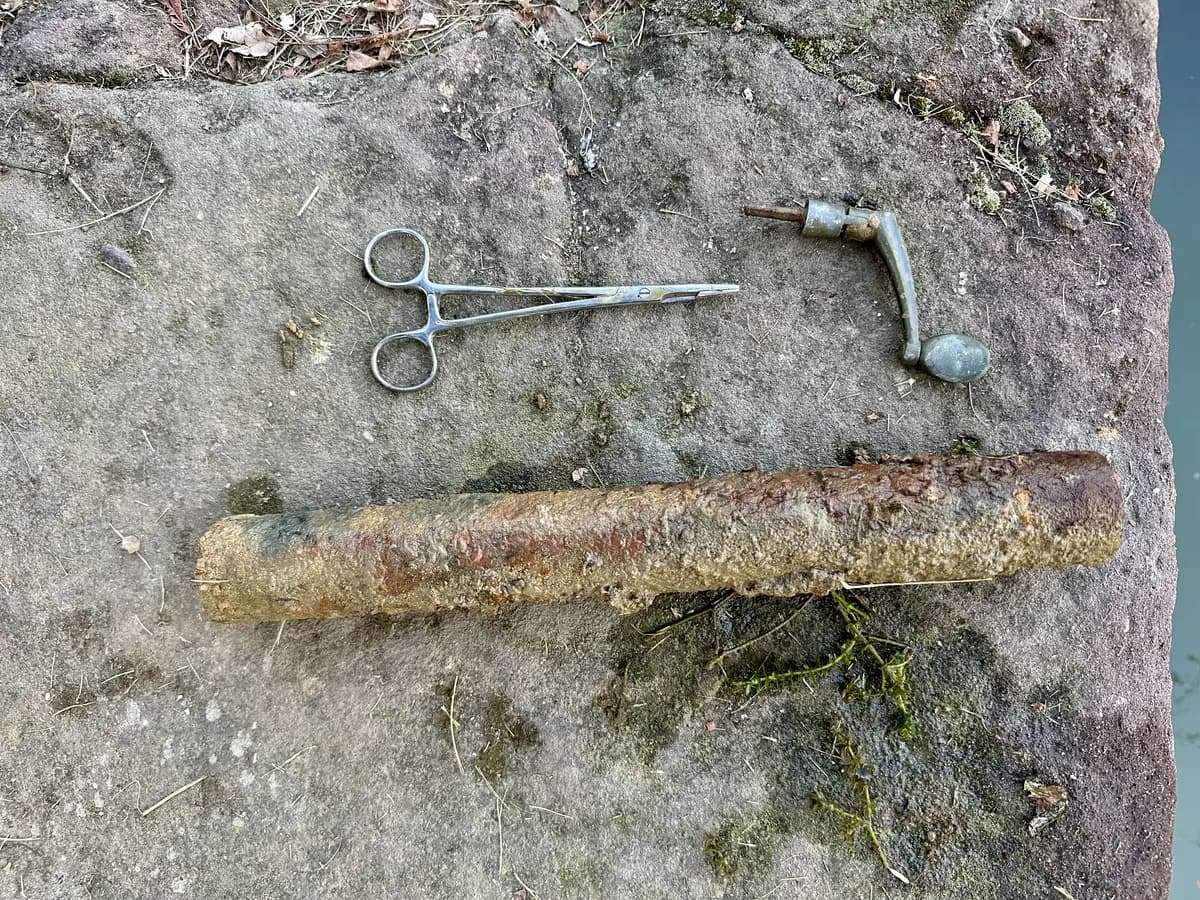
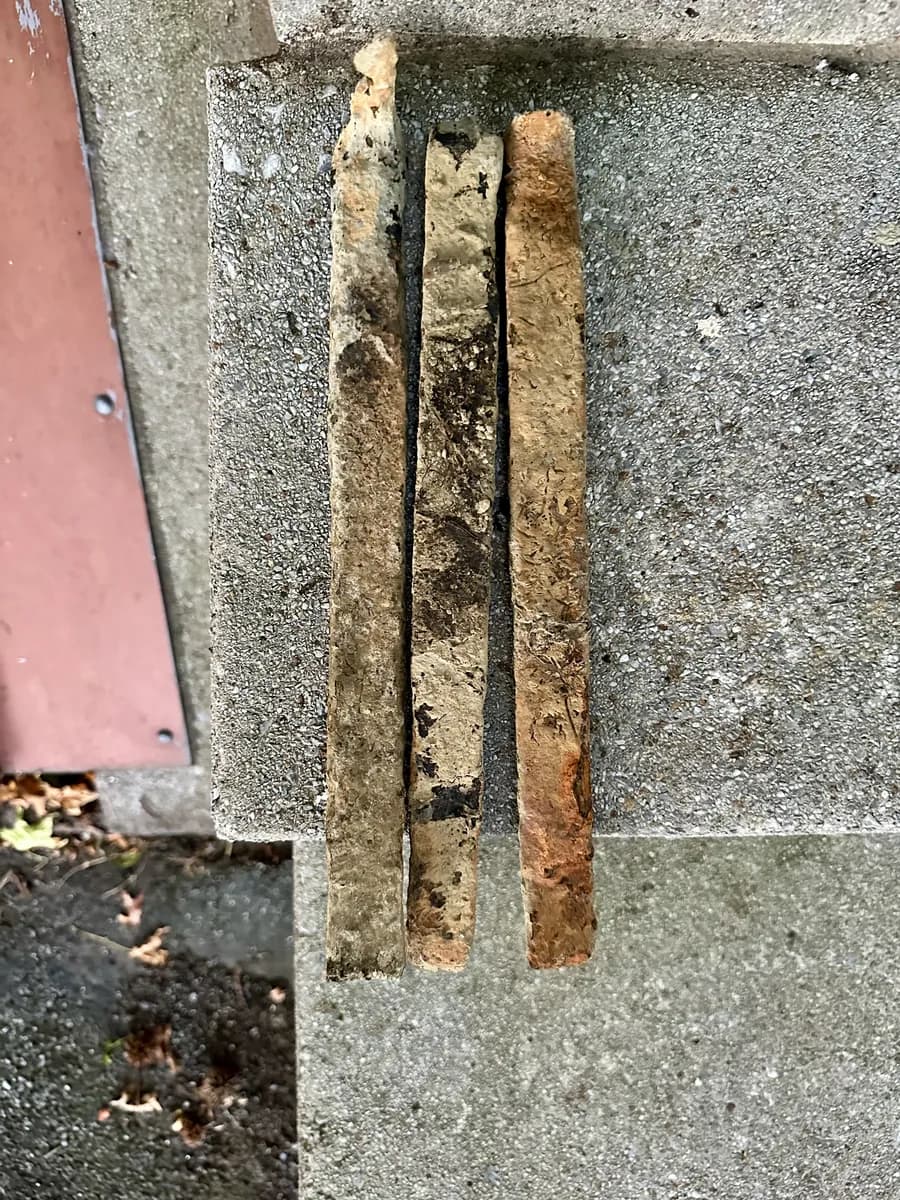
I've fished Pennsylvania several times, mostly the historic Union Canal where it runs through Myerstown. I went in expecting relics from the canal's working days; what came up was an old window crank, a pair of forceps, and a few of the square iron spikes that once held the canal's stone blocks together. Honestly? The canal has been a little disappointing across a few visits — but pulling up hand-forged iron that helped build the thing is still a piece of history in your hands, and it's a good reminder that historic water doesn't guarantee historic finds.
Pennsylvania also taught me my most expensive lesson in the hobby. In Lititz, I tossed my 360° 2,700 lb magnet off a bridge without registering that the bridge was steel. It swung under, slammed onto the underside of the span, and with no angle to pull from I eventually had to cut the rope — a $250 mistake. If you fish Pennsylvania's many old bridges, check what they're made of before your magnet does.
— Will Flaiz, who has personally magnet fished the waters above
Magnet fishing in Pennsylvania — FAQ
Is magnet fishing legal in Pennsylvania?+
Do I need a fishing license to magnet fish in Pennsylvania?+
What pull force do I actually need for Pennsylvania rivers?+
How long should my rope be for PA waterways?+
Are there real historical finds in Pennsylvania waterways?+
What's the best spot type to start with as a beginner in Pennsylvania?+
Can I magnet fish on the Delaware River?+
Do you need a permit to magnet fish in Pennsylvania?+
Can you magnet fish anywhere in Pennsylvania?+
Here are some magnet fishing finds in Pennsylvania
- At Lake Erie: This large body of water is known for various species of fish and hidden treasures. Magnet fishers in this area have found a range of objects, from small metal items to possibly larger treasures like old coins and jewelry.
- Susquehanna River: A popular magnet fishing spot where people have found old coins, jewelry, and antique fishing gear. This river is also home to a diverse range of fish species.
- Youghiogheny River: Known for its clear water and several species of fish, this river is a prime location for magnet fishing, with potential finds including metal objects and possibly historical artifacts.
- Lake Wallenpaupack: As one of the largest lakes in Pennsylvania, this lake is a popular spot for finding old fishing lures, coins, and other hidden treasures.
- French Creek and Raystown Lake: These locations are known for their scenic beauty and are popular spots for finding old coins, jewelry, and other valuable items.
- Allegheny River: This river is another hotspot for magnet fishing, with reports of finds ranging from cans to old bottles and potentially even cars.
- Kiwanis Lake in York, PA: Magnet fishers here have found items such as knives, campaign-style buttons, fish hooks, a rod holder, a fork, a large metal stake, a lawn chair, various bits of metal, and even a working Razor Scooter.
- A reader told us they have found 2 cash registers and assisted in a robbery investigation, 5 fishing lures, 3 bobbers, rusty scissors, bottle cap, jigheads, cast net, lots of hooks and sinkers. All of this was found at the Black Moshanon fishing dock.
Looking for more magnet fishing spots near Pennsylvania? Check out our guides for Delaware, Maryland, New Jersey, New York, Ohio, and West Virginia — all neighbouring states with their own rivers, lakes, and access points worth exploring.
Best Magnet Fishing Magnets
Find the best magnet for magnet fishing — from 500 lb beginner picks to 2,000 lb+ heavy hitters.
Find your magnet →Best Magnet Fishing Accessories
Rope, gloves, grappling hooks, buckets, and more — the magnet-fishing accessories that actually matter.
Browse accessories →Best Magnet Fishing Kits
Looking for the best magnet fishing kit? Top picks that bundle a strong magnet, rated rope, and gloves.
See the kits →Pulled something good out of Pennsylvania's water?
We're always adding new spots and finds. Share your favorite Pennsylvanialocation or your best haul and we'll feature it on the site.