
Magnet Fishing in New Jersey: Hudson River to the Shore
New Jersey has more productive water than most people give it credit for. The Hudson River from the NJ side, the Raritan through old industrial towns, and the tidal estuaries behind the barrier islands all have serious potential. DEP rules are worth reading before you go — the state takes environmental compliance…
Not fishing New Jersey? See the best places to magnet fish in all 50 states. New to the hobby? Start with the complete guide to how to go magnet fishing.
Is magnet fishing legal in New Jersey?
AllowedYes. New Jersey permits magnet fishing in navigable public waters, and no fishing license or permit is needed. Artifacts on state property, which includes state parks, state forests and state-owned waterways, are protected under N.J.S.A. 13:1B-15, and the Delaware River and the Shore carry Revolutionary War and shipwreck context that gets monitored.
New Jersey DEP doesn't specifically ban magnet fishing, but the state has active environmental and archaeological protection oversight. The Hudson River has significant historical and environmental sensitivity, and DEP monitoring means unusual activity gets noticed. Tidal waterways are subject to coastal zone management rules. Local harbor masters and municipal ordinances vary considerably across the state.
Statute, agency and the local gotcha for every state: New Jersey in the state-by-state magnet fishing laws guide.
Magnet fishing in New Jersey — quick info
Recommended Pull Force
Recommended Rope Length
Beginner Difficulty
Typical Water Conditions
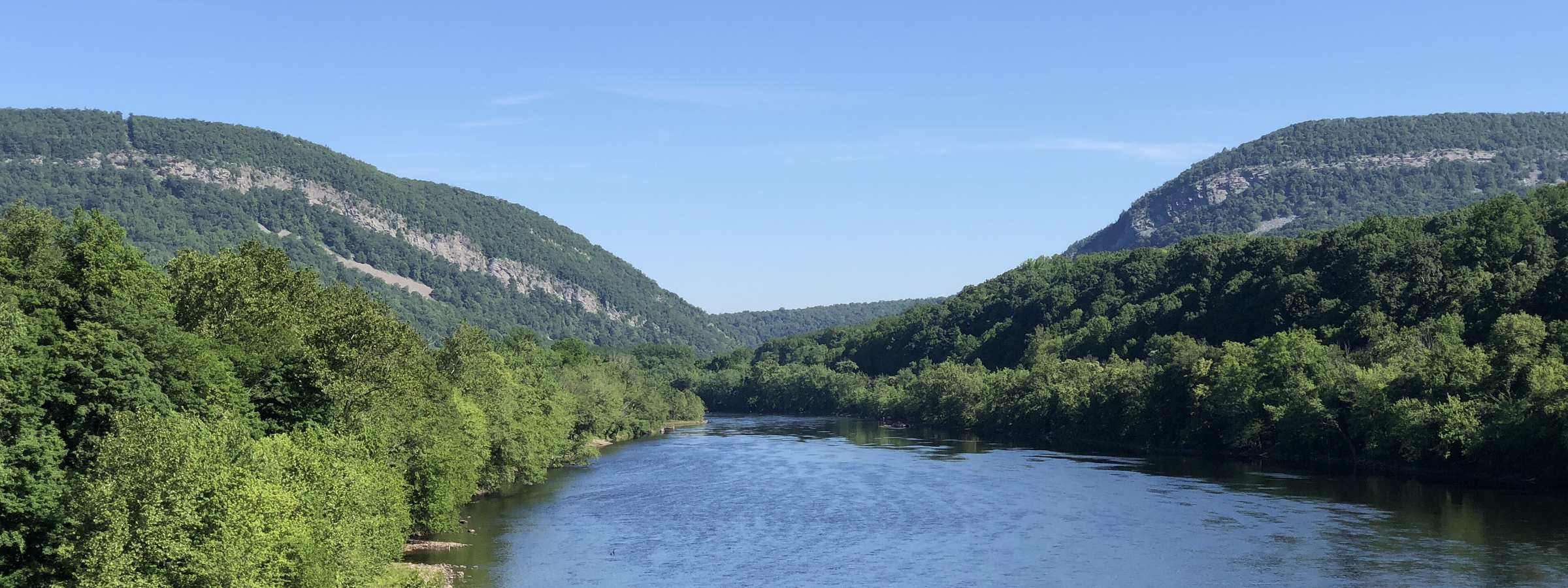
New Jersey has the Hudson and Delaware rivers on its borders, a long Atlantic coastline with tidal estuaries, and the Raritan River running through a historically industrial corridor. Hudson River access from the NJ side around Jersey City offers proximity to one of the most historically active waterways in the country. The Pine Barrens interior has slow, tannin-dark streams that are unique and worth exploring.
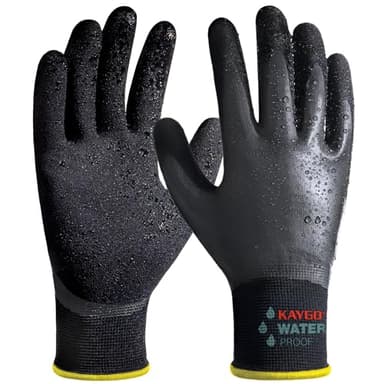
Best magnet fishing gear for New Jersey
Best magnet fishing spots in New Jersey
1. Delaware River at Lambertville
Lambertville
The Delaware River here has seen centuries of traffic — ferry crossings, industrial barges, canal boats — and the bottom reflects all of it. People have pulled out anchors, old tools, and more than a few pieces of cast iron that look like they've been down there since the 1800s. Access is solid from the towpath along the Delaware and Raritan Canal, and there's decent parking near the boat ramp off Bridge Street.
2. Delaware River at Trenton Falls
Trenton
The stretch of the Delaware running through Trenton has serious industrial and military history baked into it — this was a working waterway for over two centuries and the bottom shows it. People have pulled chain, anchors, old tools, and more than a few suspicious metal objects that went straight to the police. Access is decent along the riverfront park areas, parking is manageable, and the water is shallow enough near the banks to work without much hassle.
3. Raritan River at Johnson Park
Piscataway
The Raritan has one of the more interesting industrial histories in the state — factories, rail lines, and heavy manufacturing all ran along this corridor for over a century. Johnson Park gives you easy shoreline access with a wide, relatively shallow stretch that's very fishable on foot. Old metal hardware, brackets, and the occasional tool cache show up here regularly.
4. Raritan River — Johnson Park Section
Piscataway
The Raritan runs through some of the most industrialized corridor in New Jersey, and Johnson Park gives you legitimate bank access without having to trespass anywhere. The river bottom here has decades of junk from nearby manufacturing history — cast iron, old hardware, and the occasional tool dump. Depth along the banks stays workable, and the park has parking lots that make gear hauling easy.
5. Hackensack River at Riverfront Park
Hackensack
The Hackensack River runs through one of the most densely developed parts of the state, and decades of industrial and commercial activity mean the bottom is genuinely loaded with metal. People have recovered old tools, metal pipe fittings, and structural hardware that's been down there long enough to look like it grew there. The park gives you paved walkway access along a good stretch of shoreline with free parking.
6. Newark Bay — Port Newark Perimeter
Newark
This is one of those spots where you need to be very careful about exactly where you're standing — Port Newark itself is off-limits, but the public waterfront access points around the bay edges are fair game and the bottom is an absolute time capsule of industrial activity. People have found dock hardware, old chain, port equipment pieces, and things that clearly fell off boats over the last hundred years. Jurisdiction gets complicated fast here, so do your homework before you set up.
7. Newark Bay at Bayonne Bridge Area
Bayonne
Newark Bay sits at a junction of serious industrial history — shipyards, rail lines, and a century of port activity all emptied into this water. Finds here can be heavy and old, and the Port Authority jurisdiction means you need to do your homework on access points before showing up with rope and magnet. The shoreline near the old bridge approaches has produced metal finds that look like they came straight off a working boat.
8. Newark Bay at Ironbound Riverfront
Newark
Newark Bay sits at the intersection of the Passaic and Hackensack rivers and has Port Authority jurisdiction layered on top, so do your homework before you set up. That said, the recoveries here are legitimately wild — industrial hardware, ship fittings, and old dock infrastructure have all come out of this water. Depth drops off fast from shore in some spots, which means a longer rope than you think you need.
9. Canal Street Bridge — Morris Canal Remnants
Jersey City
The old Morris Canal route through Jersey City is mostly buried or filled in now, but the segments that still meet tidal water along the Hudson waterfront are genuinely productive for older finds. The canal moved goods across New Jersey for decades and whatever got dropped in back then is still sitting in that muck. Access near the pedestrian bridge areas is open, though you're always under somebody's jurisdiction in Jersey City.
10. Delaware and Raritan Canal
Princeton
The D&R Canal is a state park and a former working waterway, which means there's historical metal down there but also regulations you need to respect — artifacts of historical significance are off-limits to keep. The canal is narrow and shallow, which makes it extremely beginner-friendly in terms of casting distance. Lock hardware, old tools, and miscellaneous ironwork from the canal's working years still show up.
11. Shark River Inlet
Belmar
The inlet at Belmar connects Shark River to the Atlantic and gets real boat traffic, which means real things fall off real boats over real decades. Fishing gear, anchors, cleats, chain — the kind of finds that actually make you feel like it was worth driving to the Shore. The inlet walls and the park on the south side give you bank access without wading into anything sketchy.
12. Passaic River at Dundee Dam
Garfield
Below the Dundee Dam the Passaic slows down and drops whatever it's been carrying, which makes this stretch consistently productive for magnet fishers. Old bridge hardware, metal scrap from nearby industrial sites, and general debris have all been recovered in the vicinity. There's public access along the river through Garfield with street parking that doesn't require a lot of walking.
13. Passaic River — Dundee Dam Area
Garfield
Below Dundee Dam the Passaic River slows down and drops whatever it's been carrying from upstream — and the Passaic has been carrying industrial runoff and discarded metal through one of the most densely populated valleys in America for a long time. The dam creates a natural collection point and the banks are accessible enough for a solid session. Just be aware the Passaic has a Superfund history, so wash your hands and your gear.
14. Delaware Water Gap — Dingmans Ferry Access
Columbia
The Delaware Water Gap National Recreation Area has regulated access, but some boat launches and swimming areas on the New Jersey side are open to fishing activity — and the river bottom there has seen traffic for a very long time. Finds tend toward older hardware and the occasional dropped fishing gear rather than industrial debris. The access is well-maintained, parking is organized, and the water is clear enough that you can sometimes see the bottom in the shallows.
15. Shrewsbury River at Sea Bright
Sea Bright
The Shrewsbury is a tidal river with a long boating history and a lot of boat traffic over the decades, which means lost anchors, hardware, and the occasional outboard motor part are all in play. The shoreline near Sea Bright is accessible from the bridge area and the riverbank, and the tidal movement keeps the water relatively clear compared to the urban rivers further north. Depth is moderate and manageable from shore.
16. Delaware Water Gap — Dunnfield Creek Confluence
Columbia
This is the more scenic, less industrial end of the spectrum — the Delaware Water Gap National Recreation Area has clear water, visible bottom in places, and access points maintained by the NPS. People have found old hardware, fishing weights, and the occasional surprise from the days when this was a busy ferry crossing. NPS rules apply here, so check in before you fish and stay on the right side of the regulations.
17. Hackensack River at River Edge
River Edge
The Hackensack runs through Bergen County with a long history of development on both banks, and the River Edge stretch has public park access right at the water. Old bridge hardware, fishing weights, and general urban runoff finds are common here. The river bottom is soft mud in most spots, which means a strong magnet and some patience on the retrieve.
18. Maurice River at Millville
Millville
Millville has a serious glassmaking and industrial heritage, and the Maurice River was the working waterway that supported it — old dock hardware, metal fittings, and manufacturing-era scrap have all been found here. The river runs through a Wildlife Management Area for part of its length, so check access points carefully, but the stretch near downtown Millville has solid public shoreline. It's a slower-paced spot compared to the northern rivers, which is honestly a nice change.
19. Mullica River — Lower Reaches
Tuckerton
The Mullica is a slow, dark-water Pinelands river that empties into Little Egg Harbor, and the lower tidal section near Tuckerton has seen a lot of boat traffic and crabbing activity over the years. Finds tend to be fishing and boating related — anchors, tackle, cleats — but the Mullica also flows past some historically interesting areas and people occasionally pull up older iron. Bank access at the public boat ramps is easy and parking is never a problem.
20. Manasquan River at Point Pleasant
Point Pleasant
The Manasquan River meets the inlet here with a mix of recreational boat traffic and tidal movement that keeps dropping hardware, anchors, and tackle into the channel. The public access near the downtown bridge is easy to reach and gives you a solid working angle on both the river current and the slower water near the bank pilings. A lot of people have been fishing and boating here for decades, and the bottom reflects that.
21. Toms River at Water Street
Toms River
Toms River feeds into Barnegat Bay and has a long recreational boating and fishing history, meaning lost gear from boats is a recurring theme for magnet fishers. The area near downtown has good pedestrian access along the waterfront and parking that's easy enough to deal with on a weekday. Anchor chain, boat hardware, and fishing weights come out of here more often than you'd think.
22. Hackensack River — Anderson Street Bridge
Hackensack
The Hackensack River through downtown Hackensack is tidal, slow, and has a bottom that's been collecting metal since the city was an industrial hub in the early 1900s. The Anderson Street Bridge area has legitimate pedestrian access and you can work the banks or throw from the bridge depending on conditions. Old machinery parts, tools, and the occasional firearm have reportedly come out of this stretch — the firearm thing means you follow New Jersey's recovery law to the letter.
23. Musconetcong River at Point Mountain
Hackettstown
The Musconetcong runs through rural Warren and Hunterdon counties and has old mill and farm history along its banks — iron hardware from mill operations, old tools, and farm equipment parts have all come out of this watershed over the years. Point Mountain Recreation Area gives you river access with a parking area and a trail that runs along the water. It's a lower-pressure spot than the urban rivers, shallower, and genuinely pleasant to spend a few hours at.
24. Tom's River — Riverfront Park
Toms River
Tom's River runs through a town that's been around since the Revolutionary War and the river bottom reflects that — colonial-era hardware and ironwork have shown up here alongside the usual modern debris. Riverfront Park gives you clean, legal bank access with parking right there, and the water depth near the edges is shallow enough that you can actually see your magnet working on a clear day. It's a solid beginner-friendly spot that still produces interesting finds.
25. Cooper River at Pennsauken
Pennsauken
Cooper River Park runs along a channelized stretch of the river with paved paths, parking, and easy bank access — which makes it one of the most accessible spots in South Jersey. The river has seen recreational use and suburban runoff for decades, and metal finds here tend toward lost fishing gear, coins, and the occasional piece of older hardware near the bridge crossings. It's a solid beginner-friendly spot before you graduate to bigger, weirder water.
My experience magnet fishing in New Jersey
I magnet fished New Jersey while in the state on business — I ordered a magnet, picked out a few small rivers in a few small towns in the northern part of the state, and went in with high hopes. This is Revolutionary War country, and I was picturing musket-era iron coming up on every throw. The reality: a few pieces of plain junk and not much else. Sessions like that happen, and they taught me something I now apply everywhere: small creeks rarely hold much, because they never carried the boat traffic, bridges, and crowds that put metal in the water. Since that trip I've skipped small creeks entirely and stuck to docks, piers, and bridges over real waterways — the spots where decades of human traffic have had time to drop things.
Don't read my quiet session as a verdict on the state, though — northern New Jersey's bigger rivers and historic crossings are exactly the kind of water that produces, and the spots listed above are where I'd go back and try next.
— Will Flaiz, who has personally magnet fished the waters above
Magnet fishing in New Jersey — FAQ
Is magnet fishing legal in New Jersey?+
Do I need a permit to magnet fish the Hudson River from the NJ side?+
What pull force do I actually need for New Jersey rivers?+
How long should my rope be for NJ magnet fishing spots?+
Can I magnet fish in the Pine Barrens?+
What should I do if I pull up something that looks like it could be historical?+
Are there good spots for beginners in New Jersey?+
Do you need a permit to magnet fish in New Jersey?+
Here are some magnet fishing finds in New Jersey
- In July 2022, a magnet fisherman and a friend pulled a 30-pound object out of the Passaic River at the Lyndhurst Bridge in Nutley. The bomb squad identified it as a live 4-inch artillery shell with a 90-foot blast radius, closed the intersection, and took it away for detonation (via CBS New York).
- In November 2024, two magnet fishers pulled an old military projectile from the Cooper River at the Cuthbert Boulevard bridge in Cherry Hill. The Camden County Sheriff's bomb squad closed the area for several hours and removed it for disposal (via NBC10 Philadelphia).
- Asbury Park resident Jake Fogarty pulled a children's bicycle, a hand saw, an anchor, and a handgun out of Deal Lake on his first magnet fishing outing. Police came and took the gun (via The Coaster).
- In March 2023, two women magnet fishing the Passaic in Nutley recovered a pair of knives and called police, who took them for destruction (via Patch).
- The Passaic and Raritan corridors are old industrial river country, and the Delaware at Lambertville and Trenton has centuries of ferry and canal hardware. Ordnance turns up often enough here that it's worth knowing the rule: don't move it, call it in.
Looking for more magnet fishing spots near New Jersey? Check out our guides for Delaware, New York, and Pennsylvania — all neighbouring states with their own rivers, lakes, and access points worth exploring.
Best Magnet Fishing Magnets
Find the best magnet for magnet fishing — from 500 lb beginner picks to 2,000 lb+ heavy hitters.
Find your magnet →Best Magnet Fishing Accessories
Rope, gloves, grappling hooks, buckets, and more — the magnet-fishing accessories that actually matter.
Browse accessories →Best Magnet Fishing Kits
Looking for the best magnet fishing kit? Top picks that bundle a strong magnet, rated rope, and gloves.
See the kits →Pulled something good out of New Jersey's water?
We're always adding new spots and finds. Share your favorite New Jerseylocation or your best haul and we'll feature it on the site.