
Magnet Fishing in Indiana: Wabash River to the Ohio
Indiana doesn't get a lot of press in magnet fishing circles, but the Wabash is slow and wide — easy to work, and it passes through a lot of old towns with bridge history. The Ohio River border has more current but bigger payoffs. Not much legal complexity here.
Not fishing Indiana? See the best places to magnet fish in all 50 states. New to the hobby? Start with the complete guide to how to go magnet fishing.
Is magnet fishing legal in Indiana?
Permit requiredYes, but with a permit on DNR land. Indiana requires a Department of Natural Resources permit for magnet fishing on department-managed properties, which covers state parks, reservoirs and fish and wildlife areas. Outside DNR property it's allowed with no permit and no fishing license. Artifacts over 50 years old are protected.
Indiana DNR manages public waterways without a specific magnet fishing prohibition. State and local parks may have their own rules, and the Army Corps manages some Ohio River access points with their own use regulations. Indiana's Division of Historic Preservation and Archaeology applies to any finds that appear archaeologically significant — report them, don't pocket them.
Statute, agency and the local gotcha for every state: Indiana in the state-by-state magnet fishing laws guide.
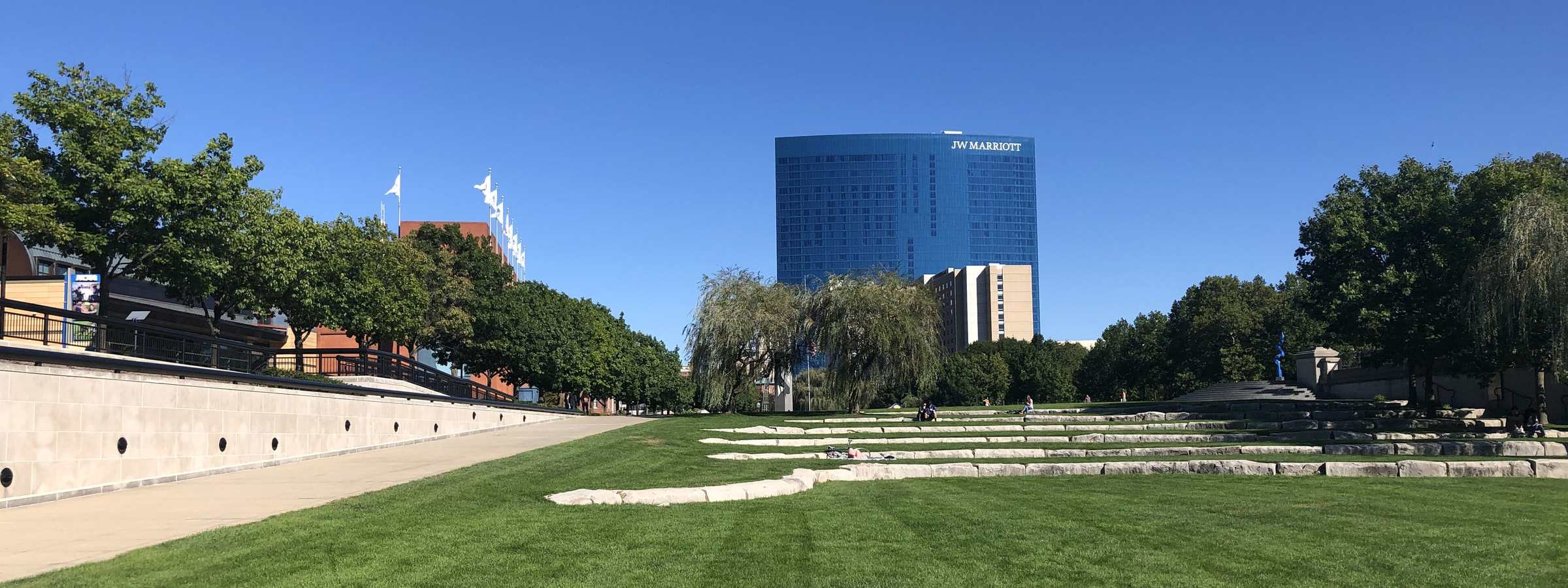
Magnet fishing in Indiana — quick info
Recommended Pull Force
Recommended Rope Length
Beginner Difficulty
Typical Water Conditions
Indiana has the Wabash and White rivers as its main systems, plus the Ohio River forming its southern border. The Wabash is wide and slow through most of the state, which makes it easy to work. Ohio River access from the Indiana side is good around Evansville and Madison, where there's historic bridge and ferry infrastructure.
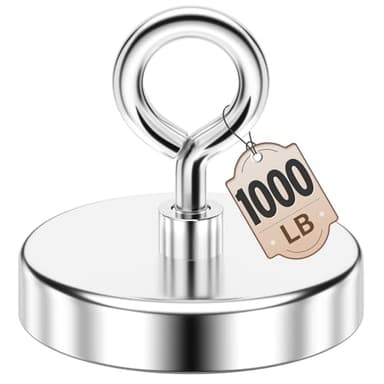
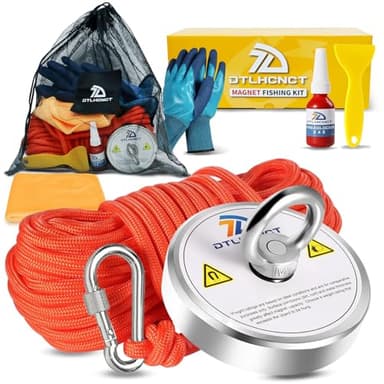
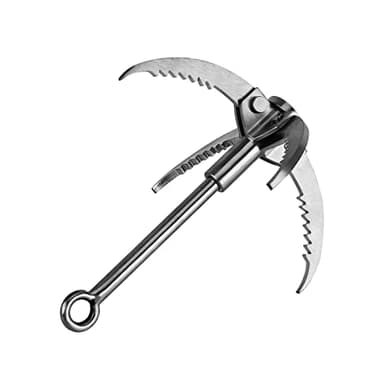
Best magnet fishing gear for Indiana
Best magnet fishing spots in Indiana
1. Wabash River at Lafayette
Lafayette
The Wabash is Indiana's main artery and Lafayette sits right on a stretch that's seen heavy use for two centuries — old bridges, mill operations, and river traffic all left stuff behind. People have pulled chains, anchors, and old iron hardware from the muddy bottom here. Access is solid from several riverfront parks, and the slow current makes retrieval pretty manageable.
2. Wabash River at the old Lafayette Street Bridge
Lafayette
The Wabash cuts right through Lafayette and this stretch has seen a lot of history — old bridge hardware, dropped tools from construction crews, and the occasional piece of farm equipment that ended up in the water decades ago. Access is easy from Tapawingo Park on the west bank, parking is right there, and the river runs slow and muddy here so your magnet sits on the bottom without much fight. People have pulled up iron brackets, chain links, and old anchor bolts from bridge work dating back generations.
3. Ohio River at Madison
Madison
Madison sits on a gorgeous stretch of the Ohio where old ferry crossings and 19th-century industrial docks put a lot of metal into the water over a long time. Civil War-era ironwork, old tools, and boat hardware have all been reported from this stretch. The riverbank access is decent near the historic downtown, though you'll want to check water levels — the Ohio can move fast after rain.
4. Ohio River at Mauckport Ferry Crossing
Mauckport
This is one of the old ferry crossing sites along Indiana's southern border, and what that means for magnet fishing is layered history sitting on the bottom — ferryman hardware, wagon parts, horseshoes, and iron fittings that fell off vehicles crossing for over a hundred years. The Ohio is wide and has current here so you'll be working against some flow, but the bank access near the old landing is straightforward. Worth noting: the Indiana Underwater Archaeological Resources Act applies here, so if you pull something that looks genuinely old and significant, be thoughtful about what you do with it.
5. White River at Indianapolis
Indianapolis
Running right through the state capital, the White River has over a century of urban history sitting on its bottom — lost tools, hardware, old bike frames, and occasionally more interesting stuff near the downtown bridges. The riverbanks around Washington Street and the older bridge crossings are the most productive areas. Depth is shallow in most spots, which is honestly a plus for newer folks.
6. White River at Washington Street Bridge
Indianapolis
The White River runs right through downtown Indy and the Washington Street bridge area has been a crossing point for a long time, which means a lot of lost and dropped metal sitting in the mud below. Shallow enough in most spots that you're not throwing enormous distances, and the banks in this area are accessible from the White River State Park trail system. Regulars have found bike frames, handguns turned over to police, old hardware, and plenty of construction debris from bridge repairs over the years.
7. Michigan City Harbor
Michigan City
Michigan City's harbor on Lake Michigan has industrial and commercial fishing history going back well over a hundred years, and that history is sitting on the bottom in the form of anchors, chains, old dock hardware, and maritime iron. The harbor walls give you easy access and a stable platform to work from. It's one of the more consistently productive spots in the state for larger finds.
8. Lake Michigan at Michigan City Harbor
Michigan City
The harbor at Michigan City has heavy industrial and maritime history baked into it — this was a working port and the bottom reflects that with old dock hardware, anchor chain, tools, and metal debris from decades of commercial activity. The harbor walls and pier areas give you good throwing access and the water is shallower near the breakwall than you'd expect. The area around the old marina slips especially tends to produce interesting finds.
9. Lake Michigan Shoreline at Michigan City
Michigan City
Michigan City's harbor and lakefront have a serious industrial backstory — steel, shipping, and a working port that's been active for well over a century. The harbor walls and boat launch areas are where most people focus, and the finds tend to be heavier items like brackets, chain links, and old dock hardware. Indiana Dunes State Park is nearby but stick to the harbor area where access is clear.
10. East Fork White River at Seymour
Seymour
The East Fork cuts through Jackson County and the old bridge crossings near Seymour have been dropping metal into this river since the railroad era. You're looking at old spikes, brackets, and the occasional larger piece of industrial hardware from the rail history in the area. Bank access is easy in several spots and the water runs clear enough after dry stretches that you can actually see what you're working with.
11. Tippecanoe River at Pulaski County Park
Winamac
The Tippecanoe is a clear, slower river with a sandy and gravel bottom that makes magnet fishing here actually pretty visual — you can see your rig working in shallower sections. Old bridge sites upstream of Winamac have produced iron bolts, wagon hardware, and general farm-era metal. Parking and access at Pulaski County Park are easy, which makes this one of the friendlier spots in the state for a first outing.
12. Tippecanoe River at Logansport
Logansport
Logansport sits right at the confluence of the Tippecanoe and Wabash Rivers, which makes this one of the more historically interesting spots in the state — two rivers worth of old stuff converging in one place. Old bridge sites upstream on the Tippecanoe have produced iron hardware and what people think are old wagon parts. Bank access near the city parks is reasonable and the water isn't deep.
13. Tippecanoe River at Winamac
Winamac
The Tippecanoe is one of Indiana's cleaner rivers and it runs right through Winamac where there's an old low-water bridge crossing that's been there long enough to accumulate serious junk underneath it. Locals have pulled tools, old farm hardware, and car parts from around the bridge supports. Parking is easy near the town park and the water is typically shallow and slow here.
14. East Fork White River at Williams Dam
Williams
There's been a dam structure at Williams for a very long time and the pools below old dams are where metal collects — current slows, things settle, and years of debris pile up in the soft bottom. The area around the old mill and dam remnants has produced metal hardware, old tools, and structural iron from previous dam incarnations. Access requires a short walk from the road but nothing difficult.
15. Maumee River at Fort Wayne
Fort Wayne
Fort Wayne sits at the confluence of three rivers and has a fort and trading post history going back centuries — that's a lot of time for metal to accumulate in the Maumee. Old military hardware, industrial fittings, and general urban debris from one of Indiana's biggest cities make this a genuinely interesting stretch. The Rivergreenway trail gives you long stretches of accessible bank with parking nearby.
16. St. Joseph River at Mishawaka Riverwalk
Mishawaka
The St. Joseph River through Mishawaka has a paved riverwalk running right alongside it, which means easy access, good footing, and multiple spots to throw from without bushwhacking. The river has seen industrial use going back to mill days and the stretches near old bridge piers have produced old iron hardware, tools, and chain. Shallow enough that a basic toss puts you right where the metal tends to sit.
17. St. Joseph River at South Bend
South Bend
South Bend's stretch of the St. Joseph River runs through an area with serious industrial history — Studebaker manufacturing, old mills, and bridge sites that go back to the 1800s. The river is accessible from several downtown parks and the depth stays manageable most of the year. People have pulled everything from old machinery parts to knives along this stretch.
18. Whitewater River at Brookville
Brookville
Brookville sits at the upper end of Brookville Lake and the old Whitewater River channel below the dam has old bridge infrastructure and mill history that puts good iron on the bottom. The stretch near the historic downtown has been productive for old hardware and the occasional larger find. Water levels can vary a lot depending on dam releases, so check before you go.
19. Whitewater River at Brookville Lake spillway
Brookville
The spillway area below Brookville Lake is where current concentrates and metal objects that wash through the system eventually settle — old hardware, tools, and occasionally more interesting finds turn up here. The rocky bottom can make retrieval tricky but that same structure is what catches and holds metal over time. Parking near the spillway area is manageable and the access trails are worn in from fishing traffic.
20. Mississinewa River at Peru
Peru
The Mississinewa River around Peru has some genuinely old crossings and was a significant waterway during Indiana's early settlement period. The riverbed near the old bridge sites has produced iron hardware, chains, and some pieces people couldn't immediately identify. Access from the riverbanks near the city is easy enough, and the water runs clear enough in summer to see what you're dragging.
21. Kankakee River at English Lake
English Lake
The Kankakee runs through one of Indiana's historically significant wetland and drainage areas, and the old drainage infrastructure — gates, hardware, brackets — has been going into this river for well over a century. English Lake area has several access points and the river bottom here is relatively firm compared to the muddier southern rivers. It's a quieter spot without much fishing pressure.
22. Muscatatuck River at the old Vernon Bridge site
Vernon
Vernon is a small town with a surprisingly long history and the old bridge crossing on the Muscatatuck has been there in various forms since the 1800s. That age means old iron hardware, bolts, and structural pieces sitting in the mud beneath where the original spans stood. The river is narrow here and access from the road is close, so you're not dealing with a long haul to get to the water.
23. Ohio River at Evansville
Evansville
Evansville has one of the more significant industrial riverfront histories in the state — WWII-era shipbuilding happened here and the waterfront has been in heavy use since the 1800s. The river bottom near the old industrial docks and the former shipyard sites is genuinely different from a random rural river crossing. It's a wide, powerful river at this point so you're not wading in, but the bank access near the riverfront parks is solid.
24. Kankakee River at Momence-Area Indiana Border
Hebron
The Kankakee River in northwestern Indiana near Hebron and the Illinois border runs through old wetland drainage channels and has bridge crossings that date back to early farming and logging operations in the region. Finds tend to be older iron agricultural equipment parts and hardware — not flashy, but historically interesting. The river access through Kankakee State Fish and Wildlife Area gives you legal, clear entry points without having to guess about permissions.
Magnet fishing in Indiana — FAQ
Is magnet fishing legal in Indiana?+
What do I do if I pull up something that looks really old or historically significant?+
What pull force do I actually need for Indiana rivers?+
How much rope do I need for the Wabash or White River?+
Is the Wabash River a good spot for beginners?+
Can I magnet fish the Ohio River from the Indiana side?+
Do I need a grappling hook, or is the magnet enough?+
What are the magnet fishing laws in Indiana?+
How do I get the Indiana DNR magnet fishing permit?+
Is it illegal to magnet fish off a bridge in Indiana?+
Here are some magnet fishing finds in Indiana
- In September 2024, magnet fishermen pulled a roughly 147-pound, two-foot cannon warhead out of the St. Joseph River at the Angela Boulevard bridge in South Bend, a week after finding a 50-millimeter round at the same spot. The police bomb squad closed the road and took it for disposal (via WSBT).
- In June 2021, a traveling magnet fishing group pulled a corroded gun from the St. Joe River at Parnell Avenue in Fort Wayne, their 15th gun of the year. Fort Wayne Police took it to investigate (via WANE 15).
- In November 2025, magnet fishermen on a boat near North Shore Drive in South Bend pulled up a pointed metal cylinder that brought out the bomb squad again. This one turned out to be harmless (via WSBT).
Best Magnet Fishing Magnets
Find the best magnet for magnet fishing — from 500 lb beginner picks to 2,000 lb+ heavy hitters.
Find your magnet →Best Magnet Fishing Accessories
Rope, gloves, grappling hooks, buckets, and more — the magnet-fishing accessories that actually matter.
Browse accessories →Best Magnet Fishing Kits
Looking for the best magnet fishing kit? Top picks that bundle a strong magnet, rated rope, and gloves.
See the kits →Pulled something good out of Indiana's water?
We're always adding new spots and finds. Share your favorite Indianalocation or your best haul and we'll feature it on the site.