
Magnet Fishing in Ohio: Lake Erie to the Ohio River
Ohio is one of the most underrated magnet fishing states in the Midwest. The Cuyahoga in Cleveland has over 150 years of industrial history, Lake Erie's western basin is accessible and productive, and the Ohio River border is long and deep. DNR doesn't make this difficult — just follow the standard rules.
Not fishing Ohio? See the best places to magnet fish in all 50 states. New to the hobby? Start with the complete guide to how to go magnet fishing.
Is magnet fishing legal in Ohio?
AllowedYes. Ohio allows magnet fishing except where local rules prohibit it, and you don't need a fishing license or permit. Archaeological objects from registered sites are protected under Ohio Revised Code § 149.30, and anything pre-1900 from Lake Erie likely qualifies even if the site isn't registered.
Ohio DNR Division of Watercraft doesn't specifically prohibit magnet fishing, and public waterway access is solid in Ohio. Lake Erie shoreline has additional jurisdiction from the Lake Erie Commission, but recreational access is generally protected. Ohio Historic Preservation Office covers significant finds, and the Ohio River has some documented historical sites — report anything that looks like it predates the Civil War.
Statute, agency and the local gotcha for every state: Ohio in the state-by-state magnet fishing laws guide.
Magnet fishing in Ohio — quick info
Recommended Pull Force
Recommended Rope Length
Beginner Difficulty
Typical Water Conditions
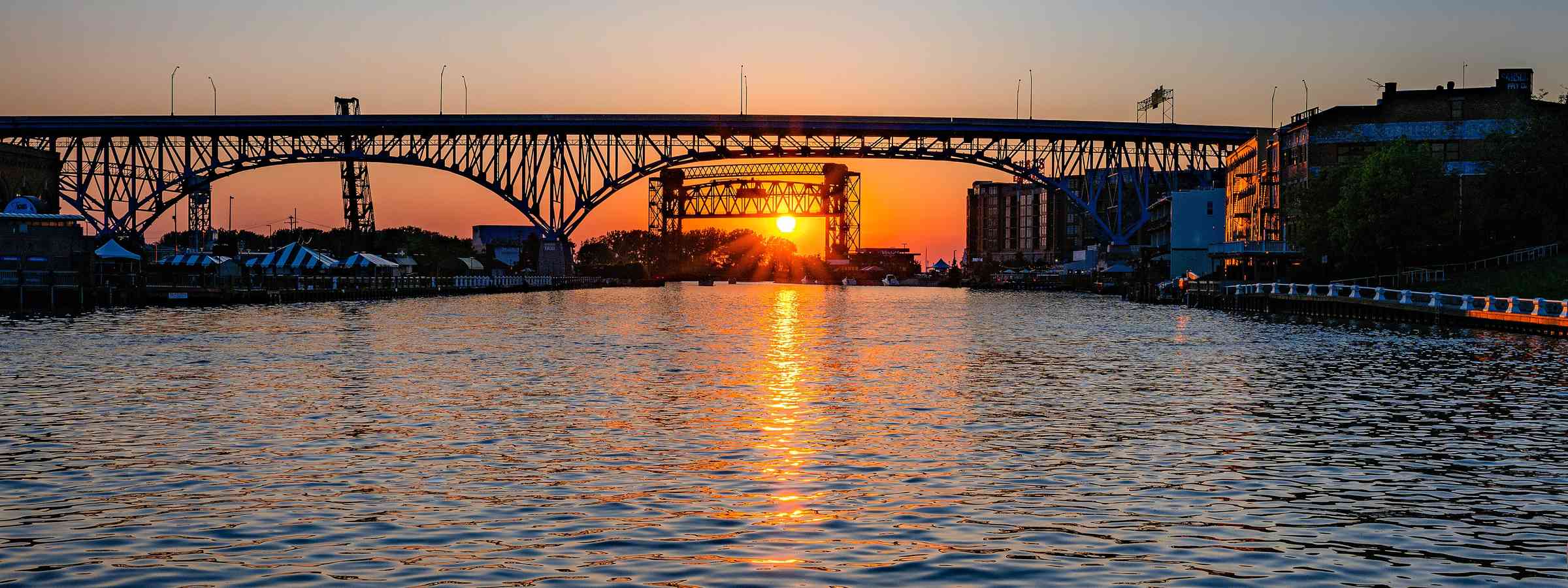
Ohio has the Ohio River along its entire southern border, Lake Erie on the north, and the Cuyahoga, Scioto, and Muskingum rivers cutting through the interior. Cleveland's Cuyahoga River and harbor area have a long industrial history. The Ohio River has strong current and significant commercial traffic, while Lake Erie's western basin is shallower and more accessible.
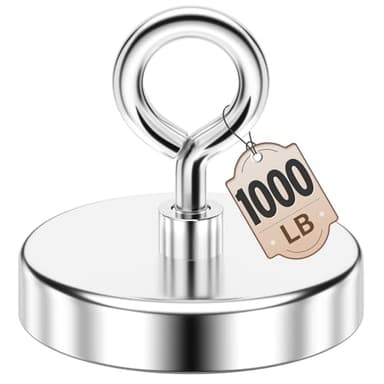
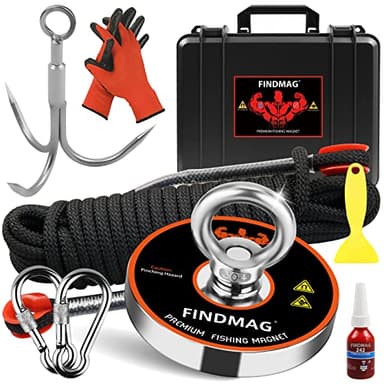
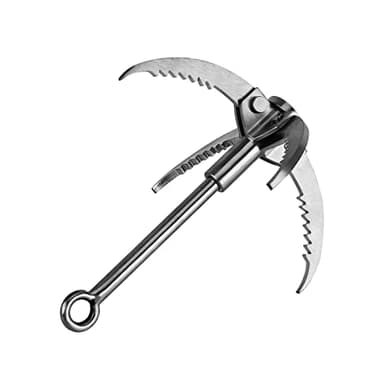
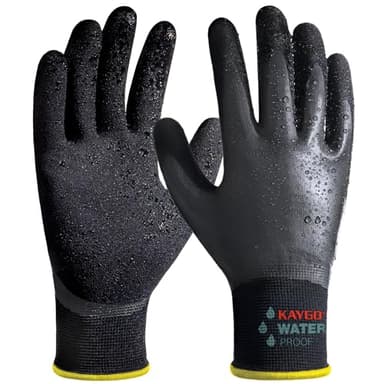
Best magnet fishing gear for Ohio
Best magnet fishing spots in Ohio
1. Cuyahoga River
Cleveland
This river has one of the most industrial pasts of any waterway in Ohio — the kind of history that puts old steel hardware, factory runoff debris, and genuinely strange metal objects on the bottom. Access points near the Flats entertainment district and under the Detroit-Superior Bridge give you walkable bank fishing without much hassle. Depth varies but the slower sections near the bends are where things settle and stay.
2. Ohio River — Marietta Riverfront
Marietta
Marietta sits right at the confluence of the Muskingum and Ohio rivers, and this spot has been a commercial and military transit point since the late 1700s. People have pulled Civil War-era hardware, old anchors, and general iron river trade debris from the banks here. Public riverfront access is solid, parking is easy near the levee, and the water is shallow enough along the edges to work a magnet effectively from shore.
3. Ohio River (Belpre Riverfront)
Belpre
The Ohio River along this stretch saw heavy flatboat and steamboat traffic going back to the early 1800s, and Civil War-era crossings happened not far upstream. The Belpre riverfront has public access and decent parking right off the main road, with water that runs deep mid-channel but has shallower edges worth working. People have pulled old spikes, chain links, and unidentified cast iron pieces out of this stretch.
4. Muskingum River — Fourth Street Landing
Zanesville
The Muskingum runs right through downtown Zanesville and has a long history as a navigation canal route, which means old lock hardware, iron fittings, and boat parts have been going in this river for over 200 years. The Fourth Street area gives you decent bank access and the river here is shallow on the edges but drops off toward the channel. It's a slow-moving river, which is good — stuff doesn't travel far once it sinks.
5. Cleveland Harbor
Cleveland
This is Army Corps territory so know the rules before you drop a line, but the harbor has decades of commercial shipping history packed into its bottom — ship fittings, dock hardware, old mooring chains, and plenty of mystery metal. The breakwall areas and the mouth of the Cuyahoga where it meets the lake are particularly productive. Parking near Voinovich Bicentennial Park puts you close to some good access points.
6. Muskingum River
Zanesville
The Muskingum is one of Ohio's most underrated magnet fishing rivers — slow current, accessible banks, and a long history of river commerce including mills and early American trade routes. The lock system along the Muskingum is particularly interesting because the areas near old lock structures tend to concentrate metal over decades of use. Parking near the Y-Bridge area in Zanesville puts you close to some of the most historically layered water in the state.
7. Cleveland Harbor — East 55th Street Marina
Cleveland
This is Army Corps territory, so know that going in, but the public access points around the marina have produced some genuinely interesting finds — old dock hardware, boat fittings, and the occasional tool that fell off a work vessel. Lake Erie's western basin near Cleveland has decades of commercial shipping history packed into the bottom sediment. Parking is available and the breakwall areas give you a solid platform to work from.
8. Muskingum River — Town Lock Area
Zanesville
The Muskingum is slower and shallower than the Ohio, which makes it way more approachable — you can actually see the bottom in some stretches. The old lock and dam system along this river created natural collection points where stuff just... piled up over 150+ years of river traffic. Tools, hardware, boat parts, and coins have all come out near the lock areas.
9. Cleveland Harbor (Lake Erie Western Basin)
Cleveland
Cleveland's harbor has been a major shipping hub since the mid-1800s, which means the lake bottom near the docks has been accumulating maritime hardware for well over a century. The western basin of Lake Erie in general has seen shipwrecks, industrial dumping, and decades of fishing and boating activity. Keep in mind this is Army Corps territory, so stick to public piers and know the rules before you drop a magnet.
10. Scioto River — Bicentennial Park Access
Columbus
Right in downtown Columbus, the Scioto has public riverfront access that most people walk past without thinking twice about what's in the water. Old bridge hardware, lost tools from construction projects, and urban debris have been accumulating here for a long time. The river is calm, relatively shallow along the park banks, and easy to get to with plenty of parking in the area.
11. Scioto River (Downtown Riverfront)
Columbus
The Scioto through Columbus is cleaner than it used to be, but the bottom still holds plenty of metal from decades of urban activity, old bridges, and waterfront development. The Bicentennial Park area gives you paved access and a railing to work from, which makes it genuinely beginner-friendly. Finds tend to be more urban — coins, tools, bike frames — but occasionally something older turns up near the old bridge footings.
12. Portage Lakes — Turkeyfoot Lake Access
Akron
The Portage Lakes chain has been a recreational hotspot for decades, which means generations of boaters, swimmers, and fishermen have been losing things in there. Old anchors, boat hardware, and general lake recreation metal debris are common finds. Bank access around the state park is public and parking is available seasonally, with shallow cove areas that are especially productive.
13. Portage Lakes
Akron
This chain of lakes has been a recreational area since the 1800s, and recreational areas mean lost stuff — fishing gear, anchors, boat hardware, old dock hardware that fell in over the decades. The lakes are connected and have multiple public access points through the state park system, with decent parking at several boat ramps. Depth is manageable and the bottoms aren't as silted over as some Ohio rivers.
14. Great Miami River
Dayton
The Great Miami runs right through Dayton and has public riverbank access in multiple spots along the river corridor trail system. It flooded badly and repeatedly through history, which means stuff got submerged and stayed submerged in spots people don't always think to check. The old industrial zones upstream of downtown are worth targeting if you can get bank access, because that's where the interesting metal tends to concentrate.
15. Great Miami River — Veteran's Memorial Park
Dayton
Dayton has serious flood history on the Great Miami, and flood events move metal objects in ways that concentrate them in bends and slower sections downstream. The Veteran's Memorial Park area has paved bank access and the river runs clear enough that you can sometimes see what you're pulling before it breaks the surface. It's an easy spot to work for a few hours on a weekend.
16. Great Miami River — Riverscape Area
Dayton
Dayton had serious flooding events in its history — the 1913 flood specifically swept a massive amount of material into the Miami River system that never came out. The Riverscape area gives you paved path access and easy bank fishing right through downtown. People have found old iron hardware, vintage tools, and the kind of stuff that gets displaced during catastrophic flood events and just sits on the bottom.
17. Sandusky Bay — Battery Park Marina
Sandusky
Sandusky Bay feeds into Lake Erie and has a long maritime history — ferry traffic, commercial fishing, and a surprising amount of early 20th-century industrial activity. The Battery Park marina area has public access along the waterfront and the bay bottom here is relatively shallow, which makes retrieval cleaner than deep open-water fishing. Old dock iron and boat hardware show up fairly regularly.
18. Ohio Erie Canal — Towpath sections
Peninsula
The old canal towpath through the Cuyahoga Valley National Park follows water that was in active commercial use from the 1820s through the late 1800s — lock hardware, canal boat fittings, old iron tools, and coins from that era have all turned up. The park has well-maintained trail access and clear parking areas at multiple trailheads. Canal depth is shallow in most sections, which makes retrieval easy when you do get a hit.
19. Hocking River
Athens
The Hocking runs through the old coal and clay industry region of southeastern Ohio, and that industrial history shows up in what people find on the bottom — old hardware, tools, and occasionally pieces that are harder to identify. Access near the Ohio University area is easy with street parking and walkable banks. The river runs shallow in summer, which lets you wade and cover more ground than you can from a bank.
20. Ohio & Erie Canal — Lock 4 Park
Cuyahoga Falls
This section of the historic Ohio and Erie Canal is preserved and accessible, and it's one of those spots where you're fishing in water that's been holding the same iron hardware since the 1830s. Lock mechanisms, canal boat fittings, and tools from the working canal era are exactly what ends up in here. The park gives you easy foot access and the canal itself is narrow and shallow, which makes it very manageable.
21. Sandusky Bay
Sandusky
Sandusky has been a Lake Erie port since before the Civil War, and the bay has the industrial and maritime history to prove it. Dock areas and the older sections of the harbor have produced boat hardware, old iron fittings, and waterfront debris going back well over a century. Access along the waterfront is generally easy, and the bay is calmer than open lake conditions.
22. Hocking River — City Park Access
Logan
The Hocking River through Logan is slow, clear in stretches, and has seen everything from old mill hardware to farm equipment end up in it over the past century and a half. City park access near the downtown bridge gives you a comfortable spot to work from, and the river is shallow enough that a lot of finds are sitting in just a few feet of water. It's not a famous spot, which honestly makes it better.
23. Little Miami River — Corwin Access
Corwin
The Little Miami is a state scenic river which means the banks are protected and access points are managed — but that also means it hasn't been dredged or disrupted as much as urban waterways. The Corwin area has old bridge crossing history and farm country upstream, which tends to mean old iron, tools, and the occasional vintage hardware that fell in from crossings and rural use. Water is generally clear and wading-depth in summer.
24. Little Miami River
Milford
The Little Miami is a state and national scenic river, so check local rules before you fish any given stretch, but public access points near Milford and the surrounding area put you on water that's seen mill activity, old bridges, and Civil War-era movement through the region. The current is gentle enough for beginners and the gravel bottom means finds don't get buried as deep as they do in muddier rivers. It's a genuinely pleasant place to spend a few hours, and the finds tend to be older and more interesting than what you pull out of urban waterways.
Magnet fishing in Ohio — FAQ
Is magnet fishing legal in Ohio?+
What do I do if I pull up something old from the Ohio River?+
How much pull force do I actually need for the Ohio River?+
How long should my rope be for Lake Erie?+
Can I magnet fish in the Cuyahoga River through Cleveland?+
What's worth reporting versus what's just junk?+
Is Ohio a good state for beginners?+
Do you need a license to magnet fish in Ohio?+
Is it illegal to magnet fish off a bridge in Ohio?+
Here are some magnet fishing finds in Ohio
- In May 2024, magnet fishers Randy Burns and Jason Vanderwal pulled four mortars out of the Toussaint River near Oak Harbor, then went back a week later and retrieved numerous pieces of military-grade ammunition. The Northwest Ohio Bomb Squad secured it all for disposal (via WTOL).
- In July 2024, two people magnet fishing in Ottawa County near State Route 590 found what deputies said resembled a pipe bomb. The Toledo Bomb Squad confirmed it was a live explosive device and neutralized it with the highway closed (via 13abc).
- At McKelvey Lake in Youngstown, the Detroit-based Motor City Magnet Fishers pulled a handgun and magazine on one trip and a Jennings J-22, a Smith & Wesson .40, and an AK-47 on an earlier one. Youngstown police took all of it as evidence (via WKBN).
- In July 2023, a man magnet fishing the Ottawa River near the Chrysler plant in Toledo pulled up what looked like a shell. The bomb squad recovered it with Stickney Avenue closed for about an hour (via WTOL).
- A reader let us know they found a cool axe head and an old knife in the High River in Richmond.
Looking for more magnet fishing spots near Ohio? Check out our guides for Indiana, Kentucky, Michigan, Pennsylvania, and West Virginia — all neighbouring states with their own rivers, lakes, and access points worth exploring.
Best Magnet Fishing Magnets
Find the best magnet for magnet fishing — from 500 lb beginner picks to 2,000 lb+ heavy hitters.
Find your magnet →Best Magnet Fishing Accessories
Rope, gloves, grappling hooks, buckets, and more — the magnet-fishing accessories that actually matter.
Browse accessories →Best Magnet Fishing Kits
Looking for the best magnet fishing kit? Top picks that bundle a strong magnet, rated rope, and gloves.
See the kits →Pulled something good out of Ohio's water?
We're always adding new spots and finds. Share your favorite Ohiolocation or your best haul and we'll feature it on the site.