
Magnet Fishing in Illinois: Urban Canals to the Mississippi
The Chicago River system alone is worth a full trip. Slow, deep, and running through one of America's oldest industrial cities — there's no shortage of old metal down there. The Mississippi border is more physically demanding but produces bigger finds. IDNR rules are pretty straightforward.
Not fishing Illinois? See the best places to magnet fish in all 50 states. New to the hobby? Start with the complete guide to how to go magnet fishing.

Magnet fishing in Illinois — quick info
Recommended Pull Force
Recommended Rope Length
Beginner Difficulty
Typical Water Conditions
Illinois is crossed by the Illinois, Mississippi, and Ohio rivers, plus the Chicago waterway system — one of the more interesting urban magnet fishing networks in the country. The Mississippi border sees heavy barge traffic and has deep holes with decades of accumulated debris. Chicago's river and canal system is slow and deep, with a lot of old industrial and urban history sitting on the bottom.
Is it legal? Illinois doesn't have a statewide magnet fishing ban, and IDNR manages public waterways with generally accessible rules. Chicago and other municipalities may have their own park and waterway ordinances, so check local rules if you're fishing in a city park. Found weapons must be reported to local law enforcement, and the Illinois Historic Preservation Act covers archaeological finds.
Best magnet fishing gear for Illinois
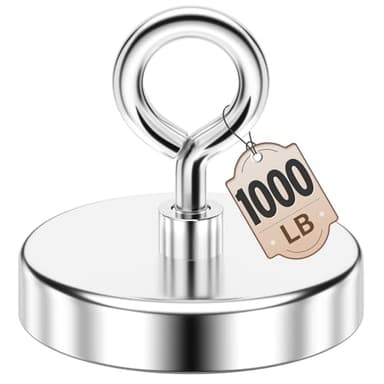
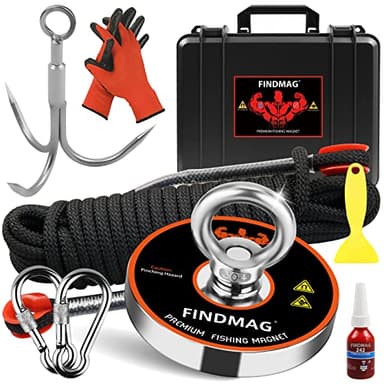
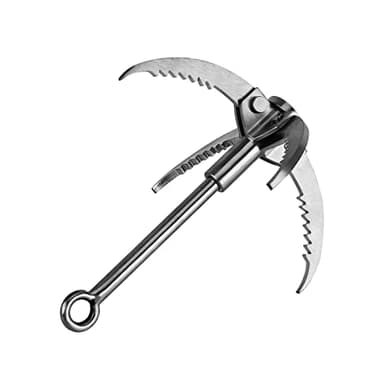
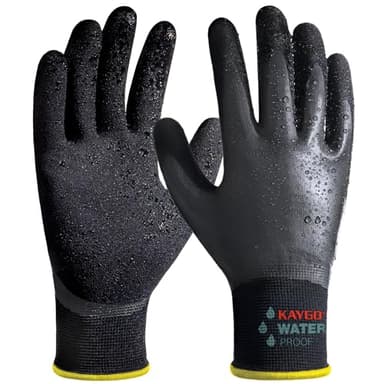
Best magnet fishing spots in Illinois
1. Chicago River (Main Branch)
Chicago
Decades of industrial use, boat traffic, and urban runoff have left the bottom of the Chicago River absolutely loaded with metal. People have pulled tools, old signage, bikes, and things that required a call to the police — which, fair warning, is part of the deal here. Access is tricky given federal navigable waterway rules and city ordinances, so do your homework before you drop a line.
2. Mississippi River (Riverfront Access)
Alton
The confluence zone near Alton where the Missouri feeds into the Mississippi is one of those spots that genuinely rewards patience. The current is no joke, but that same current has been dragging metal off boats, bridges, and riverbanks for well over a century. Old hardware, anchor chains, and the occasional coin cache turn up when conditions cooperate.
3. Illinois River at Peoria
Peoria
The Illinois River has served as an industrial and commercial corridor for well over a century, and Peoria sits right in the thick of it. The riverfront near the old warehouse district and boat launch areas has produced tools, hardware, and the occasional piece of equipment that nobody can quite identify. Water depth varies a lot depending on where you set up, and there's decent public access along the riverfront trail.
4. Illinois River (Peoria Riverfront)
Peoria
The Illinois River through Peoria has a long commercial and industrial past, and the riverfront has been a working waterway for over 150 years. The public access points along the downtown stretch are decent for getting close to where boats historically docked and unloaded, which is exactly where stuff ends up on the bottom. Depth varies quite a bit depending on how close you work to the main channel.
5. Rock River at Rock Island
Rock Island
Rock Island sits right where the Rock River feeds into the Mississippi, and the area around the old Arsenal Island bridges has a long military and industrial history that makes it legitimately interesting. Bridge pilings and old dock remnants concentrate finds in predictable spots. Access along the levee areas is generally solid, with parking close enough that hauling out heavier finds isn't a nightmare.
6. Rock River (Riverfront Park)
Rockford
Rockford sits right on the Rock River, and the old manufacturing history of the city means there's been metal going into this river for well over a hundred years. The riverfront park area has easy bank access and the bottom near old industrial sites has produced tools, bolts, and the occasional older find. Depth is manageable in most spots, which makes it a decent place if you're not trying to deal with crazy current.
7. Rock River (Downtown Riverfront)
Rockford
Rockford's stretch of the Rock River runs through what used to be a serious manufacturing corridor, and the bottom reflects that history. Old factory equipment, fasteners, tools, and chunks of metal that defy easy identification are pretty common finds. Access from the riverside parks is straightforward, and parking near the pedestrian bridge areas is manageable most days.
8. Mississippi River at Alton
Alton
The confluence zone near Alton, where the Missouri and Mississippi meet, is one of those spots that sounds almost too good — and honestly, it kind of delivers. The current is serious and not something to underestimate, but the public riverfront and boat ramp areas give you workable access to water that's been carrying stuff downstream for hundreds of years. Civil War history in this region means there's genuine old iron in these waters.
9. Mississippi River (Alton Riverfront)
Alton
The confluence area near Alton where the Missouri feeds into the Mississippi is one of those spots that sounds almost too good — and honestly, it kind of is, because the current is no joke. But the history here is real: Civil War-era activity, steamboat traffic, and decades of river commerce mean the bottom has layers. People have pulled some genuinely old hardware from the calmer eddies near the bank.
10. Kaskaskia River (Old Town Bridge Area)
Vandalia
The Kaskaskia is quieter than the big rivers but has a genuinely underrated history — this was a major early settlement corridor in Illinois, and the river saw a lot of traffic before roads were a thing. The old bridge crossing areas near Vandalia are worth working because bridge pilings collect metal over decades. Shallow and clear enough in low water that you can actually see some targets before you cast.
11. Kaskaskia River at Vandalia
Vandalia
Vandalia was Illinois' second state capital, and the Kaskaskia River running through it has absorbed a couple hundred years of human activity along its banks. The area around the old bridge sites and the Fayette County riverfront is pretty relaxed access-wise compared to the urban spots further north. Shallower sections make it friendlier for beginners who don't want to fight heavy current.
12. Kaskaskia River (Fort Kaskaskia area)
Ellis Grove
Fort Kaskaskia is one of the oldest European settlement sites in Illinois, and the Kaskaskia River around it has been seeing human activity since the 1700s. The access near the state historic site is straightforward, and the relatively slow current makes it approachable. Finds tend toward the older and more miscellaneous — don't expect safes, but do expect some surprises.
13. Lake Michigan (Montrose Harbor)
Chicago
Montrose Harbor is one of the more accessible Lake Michigan spots in Chicago and sees heavy boat and fishing traffic, which means things fall in regularly. The harbor walls and old dock structures are the productive zones — open lake is mostly sand and not worth your time. Finds tend to run toward fishing gear, boat hardware, and the odd tool dropped off a dock.
14. North Shore Channel
Evanston
The North Shore Channel runs between the Chicago River system and Lake Michigan and passes through dense residential and commercial areas that have been built up since the early 1900s. It's more accessible than the main Chicago River branches with some parks along the channel giving you legal bank access. The finds here tend toward the mundane but occasionally something older turns up near the older infrastructure sections.
15. Fox River (Riverfront Park)
Elgin
The Fox River through Elgin has old dam infrastructure and a long mill history, and the slower-moving sections near the riverfront park are where metal settles and stays. Finds here lean toward older hardware, coins, and occasionally knives — the kind of stuff that accumulates near popular pedestrian areas over generations. Good public access and plenty of spots to work from the bank.
16. Fox River at Ottawa
Ottawa
Ottawa sits at the confluence of the Fox and Illinois Rivers, which doubles your options in one stop. The Fox River here has old dam infrastructure and historic mill sites that have left iron in the water for a long time. The Illinois Waterway trail and Skoog Park area give you reasonable public access and room to work different sections without getting into trouble.
17. Des Plaines River (Isle a la Cache area)
Romeoville
The Des Plaines River near Isle a la Cache has a fur trade history going back centuries and sits in a forest preserve that keeps the banks reasonably accessible. The water is slower moving through here and the bottom is the kind of silty mix that likes to swallow things whole. I've talked to people who've pulled old farm equipment bits and chain sections from this stretch — nothing crazy, but consistent.
18. Sangamon River (Lincoln's New Salem Area)
Petersburg
This stretch of the Sangamon near New Salem State Historic Site doesn't get a ton of magnet fishing attention, which is honestly part of the appeal. It's a historically significant waterway — Lincoln flat-boated down it — and the bottom near old ford crossings has produced old hardware and iron fragments. Relatively shallow, slow moving, and the access from the state site is manageable if you check with the park first.
19. Lake Decatur
Decatur
Lake Decatur is a reservoir on the Sangamon River and has been in use since the 1920s, which means there's legitimately old stuff sitting on that bottom. Public park access on the south shore puts you close to older sections of the lake near boat launch areas where people have been losing tackle, tools, and junk for decades. Relatively calm water makes it one of the more beginner-friendly spots on this list.
20. Galena River (Downtown area)
Galena
Galena has one of the oldest downtowns in Illinois and the Galena River runs right through it, which means metal has been going into this water since the lead mining era in the early 1800s. The banks near the historic district are accessible on foot and the river is narrow enough that you're covering the whole bottom on a good throw. It runs shallow in dry seasons, which is actually useful for visibility.
21. Des Plaines River (Isle a la Cache Area)
Romeoville
The Des Plaines River near Isle a la Cache has a fur trade history going back to the 1700s and later saw heavy industrial use as the area developed. The island area creates natural current breaks where metal objects settle over time. The Forest Preserve District land here gives you legitimate bank access, and it's one of the more pleasant spots in the Chicago metro area to spend a few hours.
22. Hennepin Canal
Sheffield
The Hennepin Canal is a decommissioned 19th-century canal that connected the Illinois River to the Rock River, and it's now a state park trail — which means legal bank access basically the entire length. It's shallow, slow, and manageable, which makes it genuinely good for beginners. The canal was in active use through the early 20th century, so there's legitimate old hardware, tools, and iron fittings down there.
23. Calumet River (Southeast side)
Chicago
The Calumet River on Chicago's southeast side fed one of the heaviest industrial corridors in the entire Midwest for most of the 20th century — steel mills, manufacturing plants, heavy freight. The banks are grittier and access requires more scouting than the downtown spots, but the industrial debris history is unlike almost anywhere else in the state. Bring someone who knows the area.
24. Spoon River (Bridge Crossings)
Havana
The Spoon River feeds into the Illinois River near Havana and the old bridge crossing areas have been collecting metal since horse-and-wagon days. It's a narrower river so you can cover a lot of water from a single bank position, and the slower current means objects stay where they land. Not a lot of other magnet fishers working this area, which is either a good sign or a bad one depending on how you look at it.
25. Vermilion River at Pontiac
Pontiac
The Vermilion River runs through Pontiac with public access at Humiston Woods and the old bridge crossings in town, and it's a solid mid-state option that doesn't get talked about much. The riverbed is a mix of gravel and silt with old bridge hardware and agricultural equipment parts showing up with some regularity. Current is manageable in normal conditions and the water is clear enough that you can actually see some of what you're pulling.
26. Fox River (Algonquin Dam area)
Algonquin
The Fox River chain of lakes system feeds through Algonquin, and the area near the old dam is one of those spots where recreational and light industrial history overlap. There's been boating, fishing, and development along the Fox for well over a century, and the slower water near the dam creates natural catch points for metal debris. Bank access near the public areas is decent and parking isn't a nightmare.
Magnet fishing in Illinois — FAQ
Is magnet fishing legal in Illinois?+
What do I do if I find a weapon in the water?+
What pull force do I need for the Mississippi River?+
Can I magnet fish in the Chicago River?+
How long a rope do I need for Illinois waterways?+
Are there archaeological finds I need to worry about reporting?+
Is Illinois a good state for beginners to start magnet fishing?+
Here are some magnet fishing finds in Illinois
- Chicago magnet fisher Mark Freeburg has pulled a large knife, several bicycles, and a .38-caliber revolver he assumes was tossed after a crime out of Bubbly Creek near the Chicago Maritime Museum at 35th Street (via Chicago Reader).
- Near Starved Rock on the Illinois River, Illinois Conservation Police officers dragging a powerful magnet behind a boat during a search caught a discarded handgun (via Shaw Local).
- The Chicago River and canal system is slow, deep, and layered with industrial history. Most of what comes up there is old iron, bikes, and tools, with guns turning up often enough that local police are used to the call.
Best Magnet Fishing Magnets
Find the best magnet for magnet fishing — from 500 lb beginner picks to 2,000 lb+ heavy hitters.
Find your magnet →Best Magnet Fishing Accessories
Rope, gloves, grappling hooks, buckets, and more — the magnet-fishing accessories that actually matter.
Browse accessories →Best Magnet Fishing Kits
Looking for the best magnet fishing kit? Top picks that bundle a strong magnet, rated rope, and gloves.
See the kits →Pulled something good out of Illinois's water?
We're always adding new spots and finds. Share your favorite Illinoislocation or your best haul and we'll feature it on the site.