
Magnet Fishing in Texas: Reservoirs, Gulf Coast and Border Rivers
Texas is one of the easier states to magnet fish from a legal standpoint, and the sheer variety of water is hard to beat. Lake Texoma and Lake Travis get insane boat traffic — tons of dropped gear on those bottoms. Gulf Coast harbors around Galveston are historically rich. Just know that Gulf shipwreck protections…
Not fishing Texas? See the best places to magnet fish in all 50 states. New to the hobby? Start with the complete guide to how to go magnet fishing.
Is magnet fishing legal in Texas?
AllowedYes. Texas allows magnet fishing in navigable public waters, and you don't need a fishing license or a permit to do it. The line you can't cross is artifacts: anything over 50 years old on state submerged land is protected under the Texas Antiquities Code, and pulling it up without a Texas Historical Commission permit is an offense.
Texas Parks & Wildlife doesn't specifically prohibit magnet fishing, and Texas has strong public water access rights — the state's water law means navigable rivers are publicly accessible. Gulf Coast areas have additional regulation from the Texas General Land Office, which manages state-owned submerged lands. Texas Historical Commission covers underwater archaeological finds, including documented shipwrecks in the Gulf that carry active legal protections.
Statute, agency and the local gotcha for every state: Texas in the state-by-state magnet fishing laws guide.
Magnet fishing in Texas — quick info
Recommended Pull Force
Recommended Rope Length
Beginner Difficulty
Typical Water Conditions
Texas is huge and has a correspondingly varied water picture — the Rio Grande border, Gulf Coast intracoastal waterway, East Texas rivers like the Sabine and Neches, and a massive network of inland reservoirs. Lake Texoma and Lake Travis are among the most heavily boated reservoirs in the country. Gulf Coast access around Galveston, Corpus Christi, and Port Isabel gives access to active shipping and fishing harbor history.
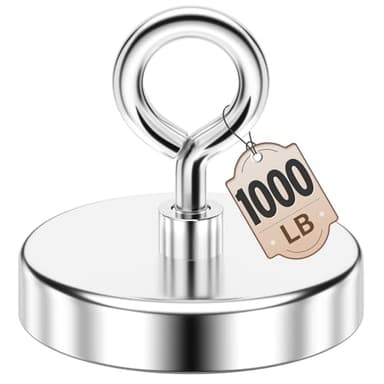
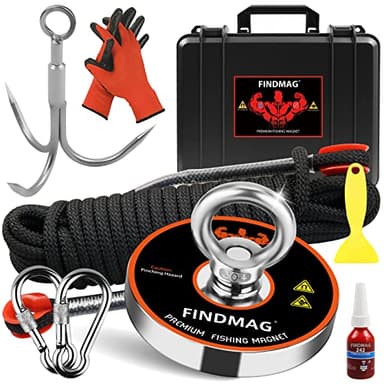
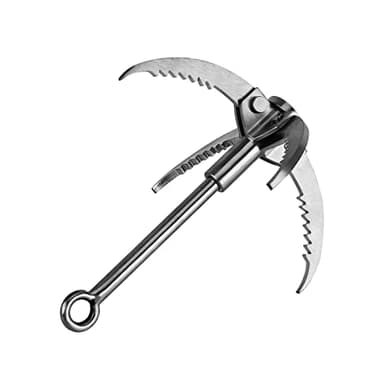
Best magnet fishing gear for Texas
Best magnet fishing spots in Texas
1. Congress Avenue Bridge
Austin
Lady Bird Lake runs under this bridge and it gets a ton of foot traffic, which means decades of dropped junk sitting in relatively shallow, calm water. People have pulled knives, coins, old bike frames, and enough fishing tackle to stock a small shop. Access is easy — the hike-and-bike trail runs right along both banks with plenty of room to set up.
2. Trinity River — Loop 12 Bridge
Dallas
The Trinity runs through Dallas and has been collecting urban debris for well over a century — old tools, car parts, coins, and the occasional firearm have all come up here. Access is decent from the levee roads, and the water is shallow enough near the banks that you don't need a ton of rope. The bridge pilings are a particularly good target since stuff tends to pile up around them.
3. Trinity River – Commerce Street Bridge
Dallas
The Trinity runs through one of the most densely populated parts of Texas, and decades of urban history have settled into its muddy bottom. People have pulled out old tools, car parts, and the occasional antique firearm in the Dallas stretch. Access is decent from several city parks along the levee, and the shallow edges near bridge pilings are where most of the good stuff hides.
4. Trinity River at Riverside Park
Fort Worth
The Trinity runs through Fort Worth with a long history of industrial use and urban development right on its banks, which means the riverbed is basically a buried time capsule. Old tools, wagon hardware, and occasionally older iron pieces have come up here. The park gives you legitimate public access and a few spots where the bank drops off enough to get your magnet into decent current.
5. Barton Creek Greenbelt — MoPac Bridge
Austin
This is one of the more popular outdoor spots in Austin, which means decades of dropped bikes, scooters, and just about everything else that ends up in the water when a city has a busy swimming hole. The creek runs pretty shallow in summer but pools up nicely under the bridges. Parking is available off Barton Springs Road and the trails get you right to the water.
6. San Antonio River – Mission Reach
San Antonio
The Mission Reach is a restored 8-mile stretch of the San Antonio River running past four Spanish colonial missions, and the riverbed here is genuinely old. Coins, iron hardware, and Spanish-era artifacts have been reported — though anything that looks colonial probably falls under the Texas Antiquities Code, so know the rules before you pocket it. The walking trail runs the whole length and gives you easy access to a dozen good drop spots.
7. Buffalo Bayou at Shepherd Drive Bridge
Houston
Buffalo Bayou has been Houston's working waterway since the 1800s and the sediment under Shepherd Bridge holds onto everything — guns, anchors, old chain, industrial scrap. After heavy rains the bayou shifts its banks and uncovers stuff that's been buried for years. Parking isn't bad and the hike-and-bike trail puts you right on the water.
8. Buffalo Bayou — Shepherd Drive Bridge
Houston
Buffalo Bayou cuts right through the heart of Houston and has seen everything from industrial dumping to flooding from multiple major hurricanes — all of which means the bottom is an absolute junkyard in the best possible way. People have pulled scrap metal, old tools, and some genuinely strange stuff out near the Shepherd Bridge. Street parking is available and the bayou banks are accessible through the park system.
9. Lake Texoma – Eisenhower State Park Shoreline
Denison
Lake Texoma sits on the Oklahoma border and has been a boating and recreation hub since the dam went in during the 1940s — which means a lot of dropped gear over a lot of decades. The shoreline near Eisenhower State Park has public boat ramps and fishing piers that give you easy access to deeper water without needing a boat. Old anchors, fishing weights, and assorted metal junk are the usual finds.
10. Lake Texoma — Eisenhower State Park Shoreline
Denison
Lake Texoma sits right on the Oklahoma border and has been a major recreational lake since the dam went up in 1944, which gives you about 80 years of dropped gear, sunken boats, and lost fishing equipment to work with. The state park boat ramps and swimming areas are especially productive — anywhere people have been launching and loading boats for decades is worth a long session. Water depth varies a lot along the shoreline, which keeps things interesting.
11. Lake Texoma — Denison Dam Area
Denison
Lake Texoma sits on the Oklahoma border and is one of the largest reservoirs in the country — the dam area and boat ramps near Denison are where a lot of the good finds concentrate because boats have been dropping anchors, tackle, and equipment here for decades. The water clarity varies a lot by season. Plenty of public access and paved parking at the Corps of Engineers areas.
12. Brazos River – Highway 21 Bridge
Bryan
The Brazos is one of the longest rivers in Texas and this stretch near Bryan sees a mix of recreational and agricultural traffic going back well over a century. Old farm equipment, chain, and miscellaneous iron show up regularly. The highway bridge access is straightforward and there's a gravel pullout that makes parking easy.
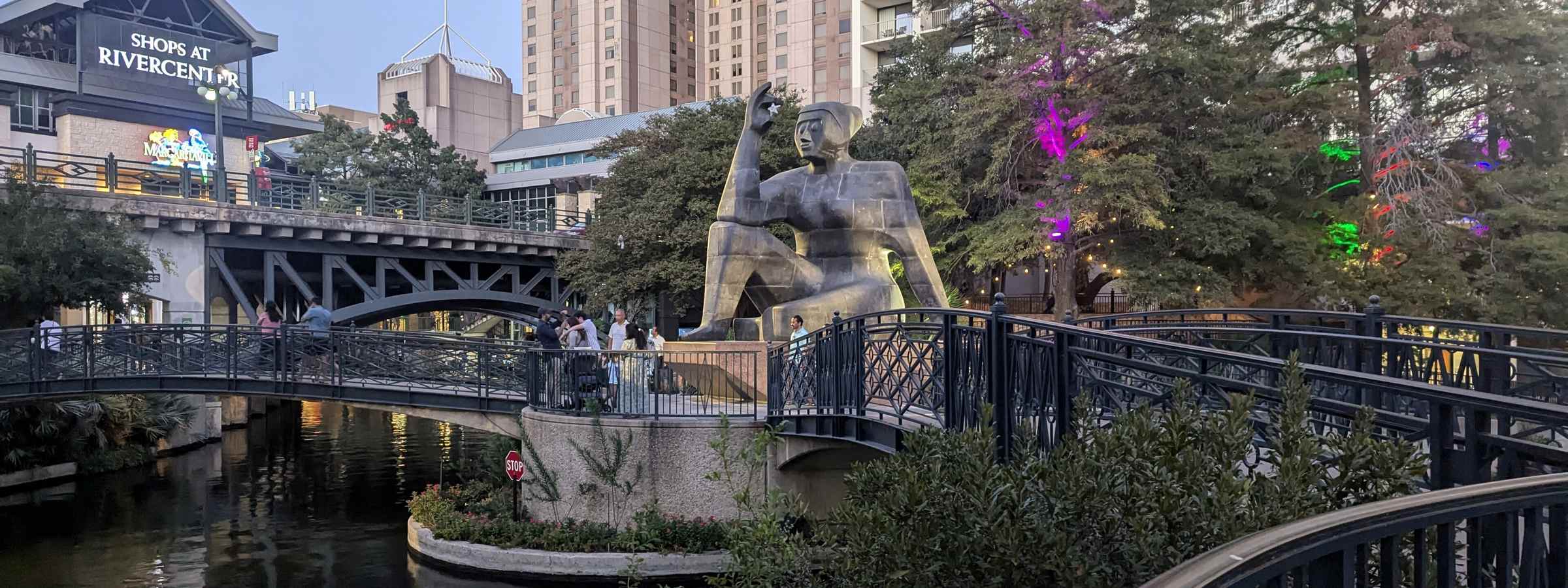
13. San Antonio River Walk Canal
San Antonio
The River Walk is one of the most visited spots in Texas and the canal running through it is surprisingly shallow — usually just a few feet — which makes magnet fishing very approachable even for beginners. Coins, jewelry, sunglasses, and the occasional pocket knife are common finds, basically anything that falls out of tourists' pockets over the course of a year. Access depends on where you set up since parts of the canal run through private commercial property, so stick to the public park sections.
14. San Antonio River — King William Historic District
San Antonio
The San Antonio River through the King William neighborhood is older developed riverfront than the Riverwalk tourist corridor, and it shows — the bottom has all kinds of old ironwork, fence pieces, and debris that's been accumulating since the 1800s. Access is easy from the public river walk paths and the water is typically only a few feet deep. The slower current makes it a forgiving spot for beginners.
15. Sam Rayburn Reservoir – Twin Dikes Park
Jasper
Sam Rayburn is one of the largest reservoirs in Texas, built in the 1960s, and the land it flooded had farms, homesteads, and old roads running through it. That flooded history is down there. Finds near old shoreline areas and boat ramps tend to be the most interesting — old iron, tools, and the usual lost boat hardware. Twin Dikes Park has a boat ramp and open shoreline access.
16. Sam Rayburn Reservoir — Cassels-Boykin State Park
Zavalla
Sam Rayburn is the largest reservoir entirely within Texas and it was filled in the early 1960s, meaning there are submerged roads, old homestead debris, and decades of boating hardware on the bottom. The state park gives you clean public access with a boat ramp and shoreline you can actually walk. People have pulled trailer hitches, anchors, old farm tools, and enough lost fishing tackle to fill a bucket.
17. Sam Rayburn Reservoir — Cassels-Boykin Park Boat Ramp
Jasper
Sam Rayburn is the largest reservoir entirely within Texas and the boat ramps see heavy traffic from bass fishermen all year, which means lost anchors, tools, and tackle are constantly building up near the launch areas. The Cassels-Boykin Park ramp is one of the busier ones and has good public access with a parking area. Depth around the ramp edges runs anywhere from a few feet to around 20 depending on current lake levels.
18. Galveston Island – 61st Street Fishing Pier
Galveston
Galveston has been a major port city since the 1800s and the water around the island reflects that — there's a lot of old metal down there. The 61st Street Pier is a public fishing pier that puts you over Gulf water with surprisingly decent magnet fishing access. Salt water is hard on gear, but the finds — old nautical hardware, anchors, and fishing weights — are worth it.
19. Rio Grande at Laredo — Washington Street Bridge
Laredo
This stretch of the Rio Grande is accessible and the river here has seen a lot of history — old ferry crossings, decades of commerce, and a lot of stuff that ends up in rivers at international border crossings. Finds have included old tools, hardware, and chunks of iron that are hard to identify without some research. Just be situationally aware — this is an active border area and US Border Patrol operates in the vicinity, so don't be weird about it and you'll be fine.
20. Galveston Seawall — 25th Street Pier Area
Galveston
The Galveston seawall has been there since after the 1900 hurricane and people have been fishing, boating, and dropping things off it ever since — fishing weights, anchors, old hardware, and rusted tools are all common finds in the shallows here. The salt water means anything ferrous is going to be well-corroded, but that also means things have been sitting there for a long time. Access is literally from the seawall sidewalk. Just know the Gulf Coast area has historic shipwreck protections under Texas and federal law, so anything that looks genuinely old warrants a call before you keep it.
21. Colorado River – Longhorn Dam
Austin
Longhorn Dam creates Town Lake (officially Lady Bird Lake) and the area just downstream has current and depth that catches and holds metal. The Highland Lakes chain above Austin has been a recreation corridor for decades, and a lot of that activity's runoff ends up here. Access from the hike-and-bike trail is easy and the area gets a lot of foot traffic, which keeps it reasonably safe.
22. Lake Lewisville — Rockledge Park
Lewisville
Lake Lewisville is a massive DFW-area reservoir with heavy recreational boat traffic and a boat ramp at Rockledge Park that's been in use since the lake was filled in 1954. The ramp area and adjacent shoreline are consistently productive — old boat parts, anchors, and fishing gear come up regularly, and the park's easy parking and maintained trails make setup straightforward. Depth at the ramp edges is manageable and the bottom is mostly soft sediment.
23. Red River — Gainesville River Access
Gainesville
The Red River forms the northern border with Oklahoma and the Gainesville area has one of the more accessible public put-ins for the stretch of river. Old bridge hardware, farm equipment pieces, and general debris have been washing into this stretch for a long time. The sandy bottom makes dragging easier than rocky creeks, and finds tend to cluster around where old crossings used to be.
24. Red River – Riverview Park Boat Ramp
Gainesville
The Red River forms the northern border of Texas and the Gainesville area has decent public access with a city boat ramp. The riverbed has old iron from ranching and agricultural use going back to the 1800s, and the crossing here was a historic cattle drive route. Depth is shallow to moderate and the bottom is sandy in spots, which makes retrieval easier than a silty river.
25. Galveston Seawall Urban Fishing Area
Galveston
The seawall along Galveston Island drops right into the Gulf and the urban fishing piers and jetty access points have had people fishing, crabbing, and dropping stuff into the water for well over a century. This is a saltwater environment so everything you pull up is going to be corroded, but that also means interesting older iron and hardware from the island's long maritime history. The Texas Antiquities Code covers documented shipwreck sites nearby, so don't go pulling on anything that looks like it's attached to a wreck.
26. Lake Travis — Mansfield Dam Park
Austin
Mansfield Dam on Lake Travis is one of the Highland Lakes chain dams west of Austin, and the park below the dam is a legitimate spot that doesn't get talked about enough. Boat traffic on Lake Travis is heavy during summer which means lost gear accumulates near the dam and the adjacent cove areas. Parking is available at the Lower Colorado River Authority park and you can access the riverbank without too much trouble.
27. Nueces River – Calallen Low Water Crossing
Corpus Christi
The low water crossing on the Nueces near Calallen is one of those spots where generations of people have crossed, pulled over, and dropped things. The water is shallow enough to wade in low conditions and the concrete crossing itself acts like a natural collection point for metal carried downstream. Old tools, coins, and car parts are common finds here.
28. Caddo Lake — Uncertain Landing Area
Uncertain
Caddo Lake is one of the only natural lakes in Texas and it's been a fishing and boating destination for generations, with old cypress-lined channels that are genuinely eerie and productive at the same time. The landing area near the town of Uncertain has seen boat traffic for over a hundred years and the shallow, tea-colored water holds a lot of dropped hardware, old anchors, and fishing gear. Water clarity is low and the bottom is soft, but the history of this lake makes every find feel like it means something.
29. Guadalupe River — Gruene Historic District River Access
New Braunfels
The Guadalupe through New Braunfels is one of the most tubed rivers in Texas, which sounds like a joke until you realize that means thousands of people have been dropping coolers, phones, keys, and all manner of metal junk in that river every summer for decades. The Gruene area has easy public access to the banks and the river is clear and relatively shallow — you can actually see the bottom in low water conditions. It's almost too easy of a spot.
30. Guadalupe River – Kerrville-Schreiner Park
Kerrville
The Guadalupe through the Hill Country gets heavy tubing and recreational use all summer, which means constant dropped metal — knives, fishing gear, GoPro mounts, the works. Kerrville-Schreiner Park gives you legal public access to a scenic stretch of clear, shallow river with a gravel and limestone bottom. Water clarity here is genuinely good, which is kind of a novelty compared to most Texas river fishing.
Magnet fishing in Texas — FAQ
Is magnet fishing legal in Texas?+
What happens if I pull up something that looks like an artifact or old shipwreck piece?+
Do I need a fishing license to magnet fish in Texas?+
How much rope do I actually need for Texas waters?+
Is the Rio Grande okay to magnet fish?+
What pull force makes sense for Texas reservoir fishing?+
Can I magnet fish from a kayak or boat on Texas lakes?+
What are the magnet fishing laws in Texas?+
Do you need a permit to magnet fish in Texas?+
Here are some magnet fishing finds in Texas
- Coins and Jewelry: In places like Lady Bird Lake in Austin, magnet fishers have found coins, jewelry, and even bicycles. Some gold jewelry can be found, especially if it has small amounts of magnetic metals in its locking mechanism or is an alloy with sufficient iron content.
- Old Guns: At Lake Lewisville, north of Dallas, magnet fishers have reported finding old firearms along with fishing lures and tools.--Car Parts and Larger Items: Lakes like Ray Hubbard and Lake Tawakoni, east of Dallas, have yielded car parts, boat anchors, fishing gear, and even antique relics.
- Cell Phones: Popular magnet fishing spots like White Rock Lake in Dallas have turned up items like old cell phones.--Weapons: Knives and guns are also commonly found items. It's important to handle these finds with caution and comply with local laws regarding their possession.
- Relics and Artifacts: Depending on the location's historical significance, magnet fishers in Texas have found various relics, including old weapons, equipment, horseshoes, and nails.
Looking for more magnet fishing spots near Texas? Check out our guides for Arkansas, Louisiana, New Mexico, and Oklahoma — all neighbouring states with their own rivers, lakes, and access points worth exploring.
Best Magnet Fishing Magnets
Find the best magnet for magnet fishing — from 500 lb beginner picks to 2,000 lb+ heavy hitters.
Find your magnet →Best Magnet Fishing Accessories
Rope, gloves, grappling hooks, buckets, and more — the magnet-fishing accessories that actually matter.
Browse accessories →Best Magnet Fishing Kits
Looking for the best magnet fishing kit? Top picks that bundle a strong magnet, rated rope, and gloves.
See the kits →Pulled something good out of Texas's water?
We're always adding new spots and finds. Share your favorite Texaslocation or your best haul and we'll feature it on the site.