
Magnet Fishing in Montana: Clear Rivers and Mountain Lakes
Montana's rivers run clear and fast — genuinely beautiful, but demanding. Flathead Lake is more manageable and has years of boat traffic to show for it. Spring runoff makes most rivers impossible to work, so plan for late summer or fall. Montana's stream access laws are actually pretty generous compared to other…
Not fishing Montana? See the best places to magnet fish in all 50 states. New to the hobby? Start with the complete guide to how to go magnet fishing.
Magnet fishing in Montana — quick info
Recommended Pull Force
Recommended Rope Length
Beginner Difficulty
Typical Water Conditions
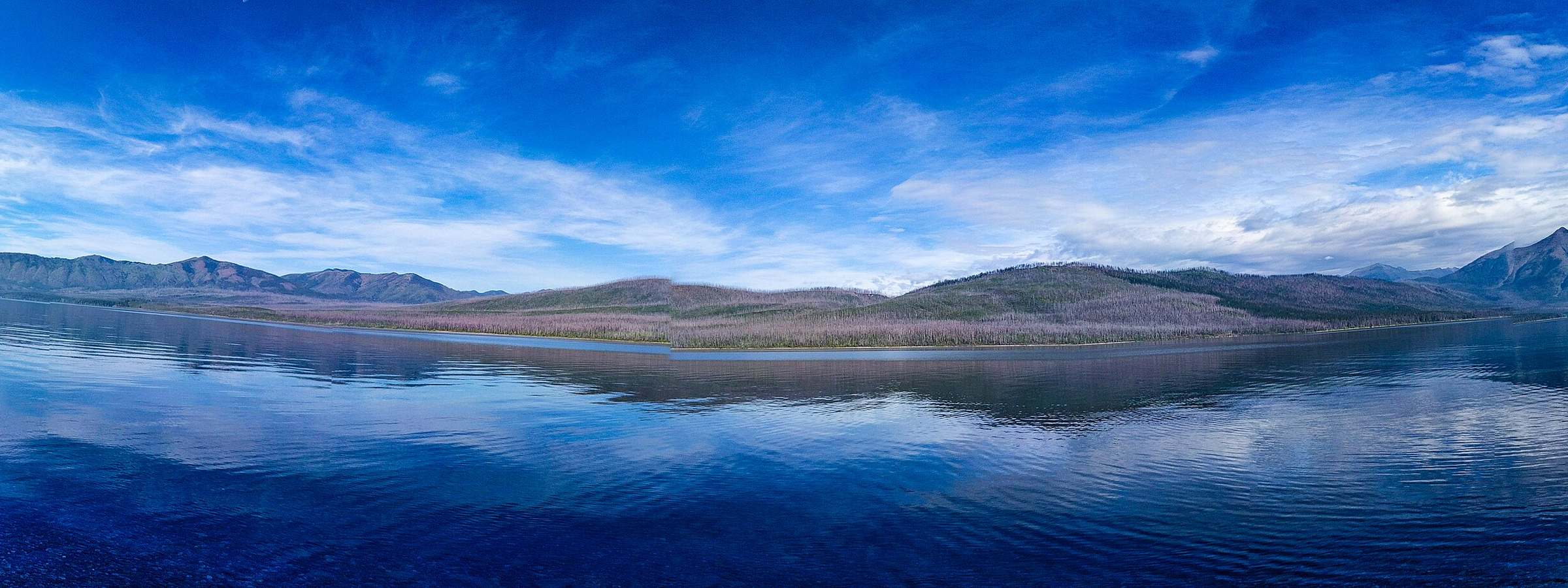
Montana has the Missouri, Yellowstone, and Clark Fork rivers, all cold, fast, and often crystal clear from glacial and snowmelt sources. Flathead Lake in the northwest is the largest natural freshwater lake west of the Mississippi and sees significant recreational boat traffic. Current in most Montana rivers is strong and seasonal — spring runoff makes rivers unfishable for magnets.
Is it legal? Montana Fish, Wildlife & Parks manages public waterways and doesn't specifically prohibit magnet fishing. Montana has strong stream access laws that actually give the public good access to riverbanks, which is unusual in the West. Federal lands managed by BLM and Forest Service cover large portions of riverbanks, and their own rules apply. Montana's State Historic Preservation Office covers culturally significant finds.
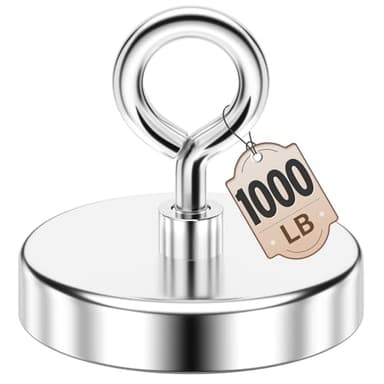
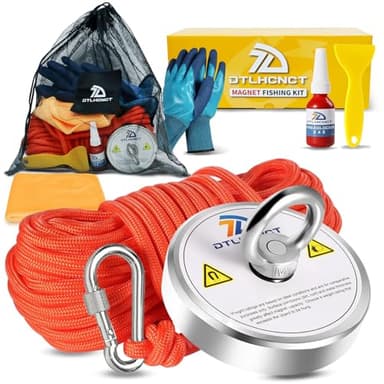
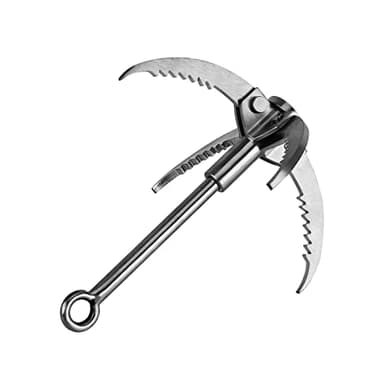
Best magnet fishing gear for Montana
Best magnet fishing spots in Montana
1. Missouri River at Three Forks
Three Forks
This is where the Jefferson, Madison, and Gallatin rivers come together to form the Missouri, and people have been crossing, camping, and losing stuff here for centuries — Lewis and Clark included. The shallow braided channels near the Headwaters State Park boat ramp give you decent access without wading into anything dangerous. Old iron, wagon hardware, and early settlement debris are genuinely possible here given the history stacked up at this confluence.
2. Clark Fork River at Missoula
Missoula
The Clark Fork runs right through downtown Missoula with multiple public access points along the riverfront trail, which makes it one of the most accessible urban magnet fishing spots in the state. Railroad history, old bridges, and decades of river traffic mean there's genuine metallic junk sitting on that bottom. The current is manageable at most access points, though after spring runoff it gets pushy enough that you want to be careful about where you stand.
3. Flathead Lake — Polson Waterfront
Polson
Flathead Lake is enormous, and the Polson waterfront near the marina and public boat launch has seen boat traffic, fishing activity, and recreational use for well over a hundred years. The shallower water near the docks and launch ramp is where you want to focus — the main basin gets deep fast and that's not where the interesting stuff is sitting. Check Flathead Lake use regulations before you go because there are specific rules that apply here.
4. Flathead Lake — Polson Bay
Polson
Flathead Lake is enormous and deep in its main basin, but the shallower Polson Bay end near the south shore is where magnet fishers can actually work effectively without losing everything to depth. Boat docks, an old marina footprint, and decades of recreational use have left plenty of ferrous material in the sandy bottom. Check current Flathead Lake use regulations before you go — there are specific rules in place and you don't want to find out about them the hard way.
5. Yellowstone River at Billings
Billings
The Yellowstone is Montana's longest undammed river and it runs right past Billings, where there are several public river access points with parking. Old ferry crossings, bridge construction debris, and a long history of ranching and rail activity along the banks mean the bottom has layers. The current is real — this isn't a slow-water spot — so you're working with your rope against some pull.
6. Flathead Lake at Polson Bay
Polson
Flathead Lake is massive — deepest parts of the main basin go well over 300 feet, but Polson Bay on the south end is shallower and has seen a lot of boat traffic, dock activity, and general recreation over the decades. The boat launch areas and old dock pilings near the south shore are the practical spots for magnet fishing. Check current FWP regulations before you go — there are specific use rules on the lake.
7. Bighorn River at Fort Smith
Fort Smith
The Bighorn below Yellowtail Dam is cold, clear, and famous for trout fishing, but the area around the Fort Smith boat launch has seen a lot of traffic from anglers and outfitters for decades. Military history from the nearby Fort C.F. Smith site and old ranch equipment losses give this stretch some interesting possibilities. Access is straightforward at the public launch, and the water clarity actually helps you see what you're working with near the banks.
8. Milk River at Fort Belknap
Harlem
The Milk River runs through some of the most historically active agricultural and ranch territory in northern Montana, and the crossings near Harlem have seen wagon traffic, old bridges, and decades of ranching infrastructure. It's a slower, murkier river than the big mountain drainages, which actually makes throwing and retrieving a lot more predictable. Old bridge remnants are your best target zones here.
9. Hungry Horse Reservoir
Hungry Horse
Hungry Horse Reservoir was created when the dam went up in the early 1950s, which means there's potentially old homestead and settlement debris sitting on the bottom from the valley that got flooded. Access points around the reservoir give you spots to work from shore, though check the specific use regulations before you go — it's a federal reservoir and the rules are worth reading ahead of time. Depth varies a lot depending on where you set up, so stick to the shallower coves and inlet areas.
10. Bitterroot River at Hamilton
Hamilton
The Bitterroot is a classic western Montana river — cold, clear, and rocky — with a lot of old ranch and homestead history along its banks. The stretches near Hamilton have public access points and the river isn't brutally wide, which makes it approachable. People have pulled old farm equipment fragments and iron hardware from the slower pools near bends.
11. Missouri River at Fort Benton
Fort Benton
Fort Benton was once the head of navigation on the Missouri and a major fur trade hub, which makes it one of the most historically loaded river towns in the state. The riverfront here is well-preserved and publicly accessible, and the idea that steamboat-era iron and trading post hardware could be on that bottom isn't far-fetched at all. It's a calmer stretch of the Missouri compared to the headwaters, so the current is workable for most skill levels.
12. Smith River at Camp Baker
White Sulphur Springs
Camp Baker is the main put-in for the famous permitted Smith River float, which means it's seen decades of outfitter traffic, gear staging, and the general chaos of people launching rafts and drift boats. Lost tools, anchor hardware, and the accumulated junk of a busy river access point tend to sink fast in moving water. The parking and river access area at Camp Baker is manageable, and the river runs clear enough to spot some targets visually.
13. Gallatin River at Manhattan
Manhattan
The Gallatin runs fast and cold out of Yellowstone country, and by the time it reaches the Manhattan area there are several public fishing access sites with easy parking off Highway 10. Ranching and agricultural history along this corridor means old equipment and fence hardware have been ending up in this river for well over a century. It's a beautiful stretch and not heavily crowded for magnet fishing, which means the bottom hasn't been picked over.
14. Kootenai River at Libby Dam Tailrace
Libby
Below Libby Dam the Kootenai runs cold and regulated, which keeps water levels more predictable than a lot of Montana rivers — that consistency makes it easier to plan a session. The tailrace area and the stretches downstream toward town have seen plenty of fishing pressure and recreational use over the decades, and old bridge hardware from earlier crossings adds to the potential. Montana's stream access law generally covers this stretch, but confirm your entry point is legal before wading in.
15. Kootenai River at Libby
Libby
The Kootenai below Libby Dam has strong, consistent flow and a history of logging, rail, and mining activity in the surrounding region that eventually finds its way to the riverbed. The public access near the Libby dam tailwater area gives you a workable entry point, and the river bottom in the calmer eddies near shore is where you want to focus your casts. Logging-era iron — cables, hooks, hardware — is genuinely on the possible list here.
16. Gallatin River at Manhattan Bridge
Manhattan
The Gallatin is a famous trout river but the stretch near Manhattan has older bridge infrastructure and agricultural history that makes it interesting for magnet fishing in a way the upper canyon doesn't. Farm equipment parts, old fence wire, and bridge bolt hardware have all turned up in rivers like this throughout the Gallatin Valley. Access is relatively easy from the county road bridge, and the river is shallower and slower here than it is in the canyon.
17. Sun River at Great Falls
Great Falls
The Sun River meets the Missouri near Great Falls, and the public access points around this confluence have seen decades of recreational and agricultural use. The Great Falls area itself has Lewis and Clark significance, multiple historic portage routes, and old infrastructure scattered throughout the river corridor. The water is accessible and the bottom near the boat ramps tends to hold the kind of casual drops — tools, hardware, old tackle — that make for a productive afternoon.
18. Flathead River at Old Steel Bridge — Pressentine Bar
Kalispell
The Flathead River downstream from Kalispell has a history of old crossing points, and Pressentine Bar is a known public access stretch where the river braids out and gets more manageable. Old bridge remnants and the kind of iron that accumulates near historic ford locations make this worth a few hours. The braided channels mean you can wade into positions that aren't possible on a single-channel river, which opens up more ground.
Magnet fishing in Montana — FAQ
Is magnet fishing legal in Montana?+
Can I access riverbanks in Montana without landowner permission?+
When's the best time of year to magnet fish Montana rivers?+
What pull force do I actually need for Montana's rivers?+
What should I do if I find something that looks historically significant?+
How long of a rope do I need for Flathead Lake?+
Do I need a fishing license to magnet fish in Montana?+
Here are some magnet fishing finds in Montana
Magnet fishing in Montana, with its rich historical landscapes and diverse waterways, has yielded a fascinating array of finds. Enthusiasts have unearthed items that not only offer a glimpse into the past but also spark the imagination about the stories they hold. Here's a closer look at some of the types of objects that have been discovered:
- Historical Artifacts: Given Montana's vibrant history, including Native American heritage, early explorers, and the gold rush era, magnet fishers have pulled up various artifacts that paint a picture of life in days gone by. These can include old tools, weapons, and items used in daily life by people who inhabited or passed through the state centuries ago.
- Coins: Coins are among the most common finds, potentially dating back to different historical periods. These finds are not only exciting for their monetary value but also for their historical significance, offering a tangible connection to the economic transactions of past eras.
- Jewelry: Rings, necklaces, and other types of jewelry have been found, likely lost over the years by residents and visitors enjoying Montana's scenic beauty. Such finds often spark curiosity about the stories behind the items and their original owners.
- Tools and Hardware: From antique farming tools to more modern construction hardware, these items reflect the state's agricultural and developmental history. They can include anything from horseshoes and agricultural implements to parts of machinery used in mining or construction.
- Weapons: Occasionally, magnet fishers in Montana may discover old firearms or other weapons. Such finds need to be handled with care and reported to authorities, as they can be historically significant or require careful disposal due to safety concerns.
- Fishing and Boating Equipment: Given Montana's popular lakes and rivers, it's common to find lost fishing gear, boat parts, anchors, and other related items. These finds often reflect the recreational use of the state's waterways.
- Personal Items: Everyday items such as keys, sunglasses, and tools can also be discovered. These finds, while perhaps less historically significant, add to the overall tapestry of human activity in the area.
Magnet fishing in Montana can be likened to a treasure hunt, where each find has a story to tell about the state's history, culture, and the people who have lived and passed through its lands. Whether uncovering a piece of history or simply retrieving lost items, each discovery contributes to the broader narrative of Montana's past and present.
Looking for more magnet fishing spots near Montana? Check out our guides for Idaho, North Dakota, South Dakota, and Wyoming — all neighbouring states with their own rivers, lakes, and access points worth exploring.
Best Magnet Fishing Magnets
Find the best magnet for magnet fishing — from 500 lb beginner picks to 2,000 lb+ heavy hitters.
Find your magnet →Best Magnet Fishing Accessories
Rope, gloves, grappling hooks, buckets, and more — the magnet-fishing accessories that actually matter.
Browse accessories →Best Magnet Fishing Kits
Looking for the best magnet fishing kit? Top picks that bundle a strong magnet, rated rope, and gloves.
See the kits →Pulled something good out of Montana's water?
We're always adding new spots and finds. Share your favorite Montanalocation or your best haul and we'll feature it on the site.