
Magnet Fishing in North Dakota: Big Prairie Waters and Open Access
North Dakota is wide open for magnet fishing — Lake Sakakawea is enormous and the Missouri River corridor has Lewis and Clark-era history. The Army Corps manages the dam and reservoir access, so you'll need to check their rules for specific launch points. Not a lot of other legal complexity here.
Not fishing North Dakota? See the best places to magnet fish in all 50 states. New to the hobby? Start with the complete guide to how to go magnet fishing.
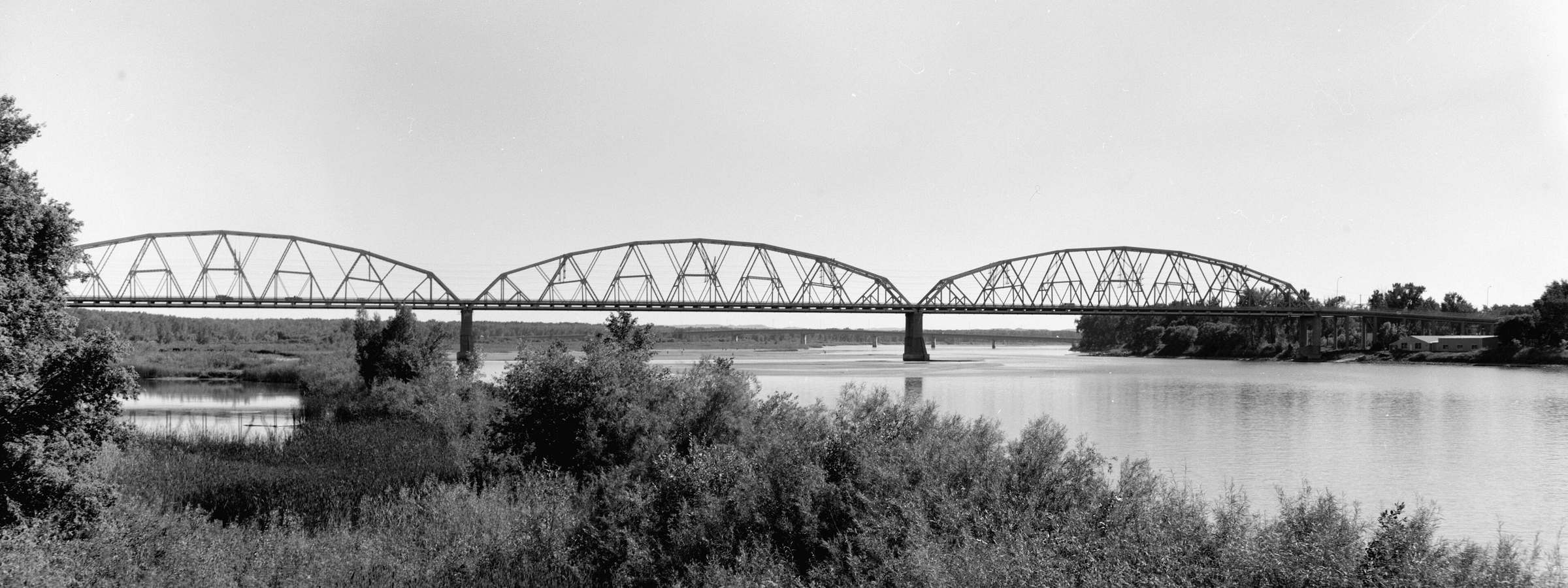
Magnet fishing in North Dakota — quick info
Recommended Pull Force
Recommended Rope Length
Beginner Difficulty
Typical Water Conditions
North Dakota has the Missouri River running through its heart, dammed into Lake Sakakawea — one of the largest man-made reservoirs in the US. The Red River forms the eastern border with Minnesota and runs north into Canada. Prairie pothole lakes are scattered across the state but are mostly small and shallow. Lake Sakakawea sees significant recreational boating.
Is it legal? North Dakota Game & Fish doesn't specifically regulate magnet fishing. Lake Sakakawea and Garrison Dam are managed by the Army Corps of Engineers, and COE rules apply to those access points. The State Historical Society of North Dakota handles culturally significant finds, including anything connected to Lewis and Clark era history along the Missouri corridor.
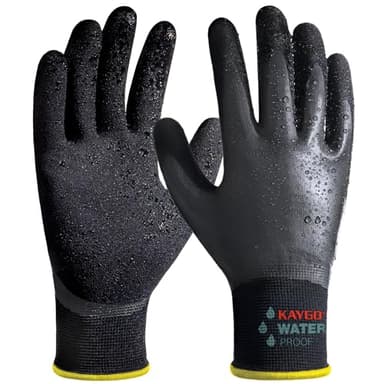
Best magnet fishing gear for North Dakota
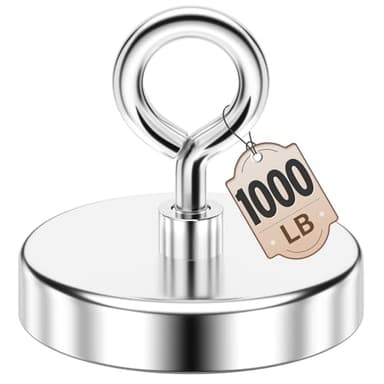
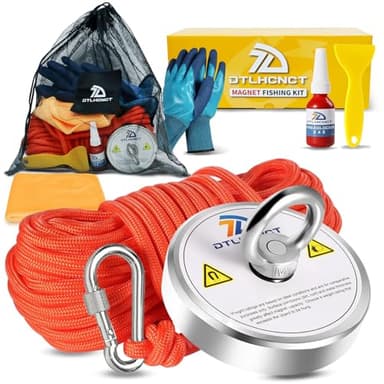
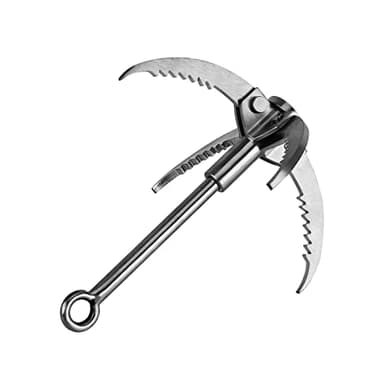
Best magnet fishing spots in North Dakota
1. Missouri River – Bismarck Riverfront
Bismarck
The Bismarck riverfront is probably the most accessible stretch of the Missouri in the state, with paved parking and a well-worn bank that's seen a lot of human activity over a long time. People have pulled old tools, iron hardware, and military-era scrap out of here — the river corridor was a major supply route going back to the steamboat era. Depth is manageable near the banks, and the current is strong enough to carry stuff in but slow enough near the edges that your magnet actually has time to work.
2. Missouri River – Bismarck Boat Ramp Area
Bismarck
The Missouri through Bismarck has seen a lot of history — bridge construction, ferry crossings, military traffic — and the river bottom reflects all of it. People have pulled old hardware, anchors, and rusted tools from the shallows near the public boat ramps. Access is easy off River Road with decent parking, and the water is shallow enough along the banks to work without a long rope.
3. Missouri River — Bismarck Boat Ramp Area
Bismarck
The Missouri through Bismarck has seen heavy river traffic, railroad history, and decades of recreational use — all of which means junk on the bottom, and occasionally something interesting. The concrete boat ramps and riprap banks give you solid footing and easy access without hiking anywhere. People have pulled old anchors, chains, and general river hardware out of the shallower stretches near the launches.
4. Red River – Fargo Riverfront Park
Fargo
The Red River through Fargo is shallow, slow-moving, and has had a lot of foot traffic, bridge work, and flood control activity over the decades — which means there's a surprising amount of iron sitting in that muddy bottom. Old bike frames, tools, and the occasional older artifact show up here. Access off the riverfront park is easy and the banks are flat, which makes it genuinely beginner-friendly.
5. Red River — Fargo Riverfront Park
Fargo
The Red River runs slow and flat through Fargo, which makes it pretty forgiving for beginners — you're not fighting current, just dragging bottom. The riverfront has seen a lot of history including old ferry crossings and flood debris, and the improved park access means parking is easy and you're not bushwhacking to the bank. Coins, tools, and old iron pieces show up here with some regularity.
6. Lake Sakakawea – Van Hook Arm
New Town
Van Hook Arm is one of the more accessible parts of Lake Sakakawea for shore fishing, and the fact that entire farms and structures were flooded when Garrison Dam filled the reservoir means there's genuinely old iron down there. Boat ramp access makes it easy to get to spots that shore fishers can't reach. Just be aware of Army Corps of Engineers rules for the managed area before you set up.
7. Lake Sakakawea – Downstream Dam Area
Riverdale
Below Garrison Dam, the water moves fast and scours the bottom constantly, which has exposed a lot of old metal debris over the decades. Army Corps of Engineers manages the access areas here, so stick to the designated public use zones and you're fine. People have found construction debris, old tools, and military surplus-era hardware in this stretch.
8. Lake Sakakawea — Downstream Garrison Dam Recreation Area
Garrison
Below the Garrison Dam is where things get genuinely interesting — the dam construction era left behind all kinds of hardware and equipment remnants in and around the water. Army Corps manages the area and public access is well marked, with good parking and a maintained shoreline path. The depth drops fast as you get away from the banks, so stick close and work the shallower margins.
9. Sheyenne River – West Fargo Bridge Crossing
West Fargo
The Sheyenne runs through agricultural country and picks up a lot of farm equipment debris, fence hardware, and whatever else gets washed in during spring flooding. The West Fargo stretch has a few bridge crossings where casting off or below the bridge is practical and productive. It's a calm river with good bank access in most spots.
10. Red River – Grand Forks Riverside
Grand Forks
Grand Forks sits right on the Red River and the 1997 flood left a lot of material in and around the river corridor that never fully got cleaned up. The riverside parks give you easy bank access and the slow-moving Red River keeps your magnet where you put it. Old flood debris, lost equipment, and general urban runoff history make this worth a few hours.
11. Sheyenne River — Veterans Memorial Bridge Area
Valley City
Valley City earned its nickname 'City of Bridges' for a reason — there are multiple spans crossing the Sheyenne here, and old bridge sites are almost always productive for magnet fishing. The river is slow and not too deep through town, so access from the bank is straightforward. Bolts, cable, old tools, and occasional farm equipment pieces are what show up most.
12. Missouri River – Mandan Bridge Area
Mandan
Right across the river from Bismarck, the Mandan side of the Missouri has older bridge infrastructure nearby and a history of river commerce that left hardware in the water. The bank access is a little rougher than the Bismarck riverfront but that also means it's less picked over. Old bridge bolt hardware and anchoring equipment have shown up along this stretch.
13. Missouri River – Washburn Bridge Crossing
Washburn
The old bridge crossing at Washburn has had multiple structures over the years, and that kind of repeated construction history means metal has been going into the river here for a long time. The banks are accessible and parking near the bridge approach is easy. Depth is manageable from the bank, and the historical significance of the Lewis and Clark corridor through here means there's genuine old material in the water.
14. James River — Jamestown City Park Access
Jamestown
The James River runs right through town and the city park gives you easy bank access with no bushwhacking required. It's a shallow, slow river — which honestly makes it good for newer magnet fishers who want to see what they're working with. The area around the old downtown crossings tends to produce more iron finds than the open stretches.
15. Heart River – Confluence with Missouri
Mandan
River confluences are gold for magnet fishing because water velocity changes as two rivers meet, which is where heavy objects drop out of suspension and settle. The Heart River meets the Missouri near Mandan and the confluence area has sandy shallows mixed with deeper pockets. Access requires a short walk but it's nothing technical.
16. Sheyenne River – Valley City Spillway Area
Valley City
The Sheyenne River runs through Valley City and the spillway near the dam creates a natural collection zone for anything carried downstream. Old farm equipment parts, tools, and construction metal have all turned up in this stretch. It's a smaller river so the access is relaxed and the depth near the spillway walls is workable from the bank.
17. Lake Oahe — Beaver Creek Recreation Area
Linton
Lake Oahe in southern North Dakota covers old ranching and agricultural land that got swallowed when the reservoir filled — which means there's legitimately weird and old stuff sitting on that bottom. The Beaver Creek arm has accessible shoreline and decent parking through the Army Corps area. Pay attention to where the tribal boundary lines are before you set up; Standing Rock Reservation is not far and jurisdiction matters here.
18. Red River – Grand Forks Greenway
Grand Forks
After the catastrophic 1997 flood, Grand Forks did a massive greenway project along the Red River that reshaped the banks and involved a lot of heavy equipment and infrastructure work — some of which apparently stayed in the river. The greenway gives you easy walking access along long stretches of bank, and the slower current means your magnet sits rather than drags. This is one of the better urban spots in the state for casual pulling.
19. Lake Oahe – Beaver Creek Recreation Area
Linton
Lake Oahe's northern reach into North Dakota is massive and the recreation areas along the western bank give you legitimate public access points. The reservoir flooded old ranch land and some infrastructure, and metal debris surfaces near the shoreline banks after water level changes. Army Corps manages this area, so use designated access points and you won't have any issues.
20. Souris River — Minot Downstream Access
Minot
The Souris River took a brutal hit during the 2011 floods and a lot of material got moved around — including metal debris that settled in spots it was never supposed to be. The downstream access below town is walkable and the banks aren't too steep in most sections. Old fencing, farm hardware, and flood-era debris are what people typically pull here.
21. Lake Oahe – Cannonball River Arm
Flasher
Where the Cannonball River feeds into the northern end of Lake Oahe, the reservoir has swallowed old homestead land and the occasional ranch infrastructure that didn't get cleared before flooding. It's remote, which means almost nobody is magnet fishing out here. The drive to Flasher is part of the commitment, but the lack of competition is real.
22. James River – Jamestown Riverfront
Jamestown
The James River through Jamestown is a shallow, slow-moving prairie river that doesn't flush itself out much, which means stuff accumulates. The city park areas along the bank give easy access and the substrate is sandy enough that a magnet slides without constantly snagging rock. Old bridge hardware and general urban debris make this a productive low-effort spot.
23. Red River — Grand Forks Riverside Area
Grand Forks
Grand Forks sits right on the Red River and has one of the more accessible urban riverfronts in the state after the flood mitigation work that was done post-1997. The improved levee paths give you a long stretch of bank to work with and you can cover a lot of ground in one session. Old bridge hardware, flood debris remnants, and general urban iron show up pretty consistently.
24. James River – LaMoure County Park
LaMoure
The James River is a slow, meandering prairie river that drains some of the most intensively farmed land in the state. Farm hardware, old fencing materials, and equipment pieces wash into it regularly. LaMoure County Park gives you legal, easy access and there's decent parking without a long hike to the bank.
25. Missouri River – Stanton Boat Launch
Stanton
Stanton sits near where the Knife River meets the Missouri, and that confluence zone has seen Native American trade routes, fur trade activity, and a lot of 20th-century recreational boating traffic — all of which put metal in the water over time. The boat launch gives you direct bank access with parking, and the Missouri here is deep enough to be interesting but accessible from the ramp edge. Stay well clear of any land that borders tribal jurisdiction downstream.
26. Heart River — Mandan Bridge Crossing
Mandan
The Heart River empties into the Missouri just south of Mandan and the area around the old crossings has seen livestock, homestead, and early settlement activity going back well over a century. Access from the road bridges is straightforward and the river is narrow enough that you can cover both banks from one position. Iron hardware, old cable, and miscellaneous homestead-era metal are what most people are finding here.
27. Turtle River – Turtle River State Park
Arvilla
Turtle River State Park is a well-maintained access point for a small, clear river that doesn't get a ton of magnet fishing pressure. It's in a wooded valley which is genuinely unusual for North Dakota, and the river has a few deeper pools under old footbridges. Smaller finds are common here — bolts, brackets, old camp hardware — but that's part of what makes it a good low-stress outing.
28. Souris River – Minot City Park Area
Minot
The Souris River runs right through Minot and the city park access points along the river make this one of the most accessible spots in the state. The 2011 flooding was catastrophic for Minot and pushed a lot of material into the river channel that's still sitting there. It's a slow river with sandy banks and the urban stretch near the parks has produced tools, hardware, and flood-displaced metal finds.
29. Maple River — Enderlin Town Bridge
Enderlin
Enderlin is a small railroad town and the Maple River crossing near downtown has that combination of old bridge infrastructure and railroad history that tends to produce solid finds. The river is small and slow here, with shallow banks and easy wading access if you want to get in and work closer to the pilings. Spikes, bolts, and old iron hardware from the railroad era aren't unusual finds in this stretch.
Magnet fishing in North Dakota — FAQ
Is magnet fishing legal in North Dakota?+
What do I do if I find something old along the Missouri River?+
How much pull force do I actually need for Lake Sakakawea?+
How long should my rope be for the Red River?+
Are the prairie pothole lakes worth magnet fishing?+
Do I need a permit to magnet fish in North Dakota?+
What's the best time of year to go in North Dakota?+
Here are some magnet fishing finds in North Dakota
- Fargo, ND: Bikes, a lot of nails and parts. Just last week (May 2023) on the Maple River I found my first gun, loaded and with the hammer pulled back. Immediately I called the sheriff's department so they could come retrieve it. (Submitted by reader Brian Nichols. Smart move calling the sheriff.)
- Jamestown brothers Brandon and Austin Kinzler have pulled horseshoes, hubcaps, bicycle handlebars, old signs, a clothes iron from 1912, and rusted gun remains including an 1863 Remington black powder revolver out of the James River (via Grand Forks Herald). They also fished out a Trek mountain bike and called police after pulling up a loaded weapon (via News Dakota).
- In Williston, 17-year-old Camryn Melby has pulled fishing lures, railroad spikes, and knives out of the Muddy River over five years of magnet fishing (via KFYR-TV).
- The Missouri corridor and Lake Sakakawea have Lewis and Clark-era and dam-construction-era history on the bottom, and the Red River through Fargo runs slow enough to work easily. Report anything that looks historically significant to the State Historical Society.
Looking for more magnet fishing spots near North Dakota? Check out our guides for Minnesota, Montana, and South Dakota — all neighbouring states with their own rivers, lakes, and access points worth exploring.
Best Magnet Fishing Magnets
Find the best magnet for magnet fishing — from 500 lb beginner picks to 2,000 lb+ heavy hitters.
Find your magnet →Best Magnet Fishing Accessories
Rope, gloves, grappling hooks, buckets, and more — the magnet-fishing accessories that actually matter.
Browse accessories →Best Magnet Fishing Kits
Looking for the best magnet fishing kit? Top picks that bundle a strong magnet, rated rope, and gloves.
See the kits →Pulled something good out of North Dakota's water?
We're always adding new spots and finds. Share your favorite North Dakotalocation or your best haul and we'll feature it on the site.