
Magnet Fishing in South Dakota: Missouri River Reservoir Country
South Dakota's Missouri River reservoir chain is one of the largest connected bodies of water in the US, and decades of recreational boating means a lot of dropped gear on the bottom. Army Corps rules apply near the dams — get familiar with those. Native American artifact protections under federal law are real here…
Not fishing South Dakota? See the best places to magnet fish in all 50 states. New to the hobby? Start with the complete guide to how to go magnet fishing.
Magnet fishing in South Dakota — quick info
Recommended Pull Force
Recommended Rope Length
Beginner Difficulty
Typical Water Conditions
South Dakota has the Missouri River dammed into a chain of large reservoirs — Oahe, Big Bend, Francis Case, and Lewis and Clark Lake — that together hold an enormous amount of surface water. These reservoirs see consistent recreational boat traffic and have accumulated gear over decades. The Big Sioux and James rivers in the east are smaller and slower.
Is it legal? South Dakota Game, Fish & Parks doesn't specifically prohibit magnet fishing, and state recreation areas are accessible with a park entry sticker. The Missouri River reservoir chain is Army Corps territory, so COE rules apply near dams and launch ramps. South Dakota State Historical Society has jurisdiction over culturally significant finds, particularly Native American items which carry additional protections under federal law.
Best magnet fishing gear for South Dakota
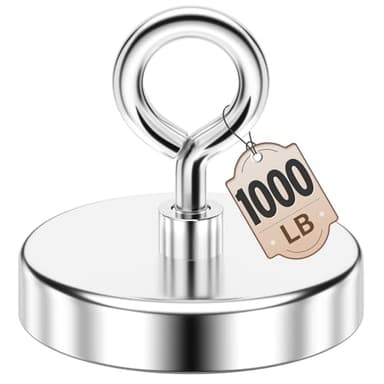
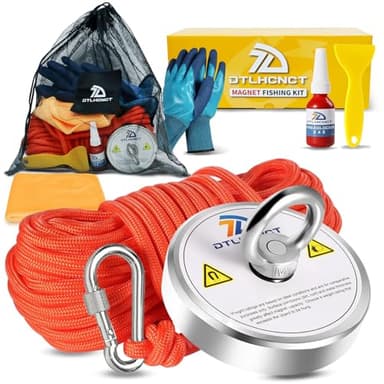
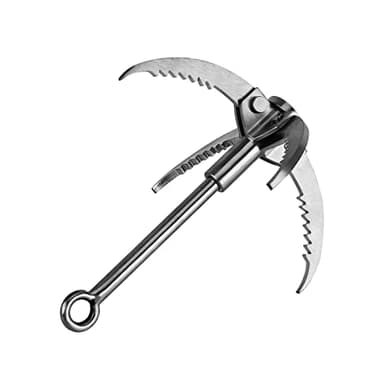
Best magnet fishing spots in South Dakota
1. Big Sioux River at Falls Park
Sioux Falls
Falls Park is the most visited spot in South Dakota and the river here has been a working waterway for over a century — there's an old mill, bridges, and decades of foot traffic right above the water. People have pulled tools, old hardware, coins, and miscellaneous iron out of the shallower stretches near the park's lower access points. Parking is easy, the banks are accessible, and the depth in most spots is pretty forgiving for beginners.
2. Big Sioux River – Falls Park Area
Sioux Falls
This is probably the most accessible magnet fishing spot in the whole state. The river runs right through the city, and the Falls Park section has seen foot traffic, bridges, and industrial use for over a century — which means there's a real history of stuff ending up in the water. People have pulled tools, old hardware, and plenty of iron debris from the shallow runs near the rock outcroppings.
3. Big Sioux River at Elmwood Park
Sioux Falls
A quieter stretch of the Big Sioux than Falls Park, with slower water and a lot more accumulated junk on the bottom from the adjacent park and golf course history. It's the kind of spot where you pull a lot of nothing and then suddenly haul up something genuinely old. Bank access is decent and there's parking nearby off West 12th Street.
4. Big Sioux River – Elmwood Park Access
Sioux Falls
A little downstream from Falls Park, Elmwood gives you easier bank access and some calmer water to work. The bottom here is a mix of gravel and silt, and the slower current means lighter finds don't get pushed as far. It's a good second stop if you're spending a day working the Big Sioux through town.
5. Big Sioux River at Tuthill Park
Sioux Falls
A quieter stretch of the Big Sioux with less foot traffic than Falls Park, which means less competition and more undisturbed bottom. The river bends here in a way that tends to trap dropped and thrown objects over time. Parking is straightforward and the banks are accessible without much scrambling.
6. Missouri River at Chamberlain Bridge
Chamberlain
The I-90 bridge crossing at Chamberlain is one of the most recognized Missouri River crossings in the state, and the water below it has seen a lot of history — ferries, early river traffic, and decades of bridge construction debris. The riverbank access on the east side near the rest area is workable, and the depth drops off pretty quickly from the shore. Worth knowing that you're in Army Corps of Engineers jurisdiction here, so keep that in mind.
7. Missouri River – Chamberlain Bridge Crossing
Chamberlain
The I-90 bridge at Chamberlain is one of the most-used Missouri River crossings in the state, and the pedestrian access on the old highway bridge nearby makes it a legitimate spot to work a magnet from. Decades of river traffic, fishing activity, and the general chaos of a busy crossing point means the bottom has accumulated a lot. Depth drops off quickly from the banks here.
8. Missouri River at Chamberlain Riverfront
Chamberlain
Chamberlain sits right on the Missouri where I-90 crosses, and that bridge has been there in various forms for over a century. The riverfront has public access, a boat ramp, and enough history — ferry crossings, early settlement traffic, military supply routes — that the bottom has accumulated a lot over the years. Depth varies but the shallower edges near the ramp are very workable.
9. Lake Sharpe — Left Tailrace at Big Bend Dam
Fort Thompson
The tailrace below Big Bend Dam on Lake Sharpe is one of those spots where decades of fishing activity, boat traffic, and dam construction have left a lot of metal in the water. Anglers have been losing gear here for generations, and the current concentrates debris in predictable pockets. It's remote enough that you'll often have the bank to yourself, which is part of the appeal.
10. Lake Madison – Boat Ramp and Pier Area
Madison
Lake Madison is a natural glacial lake in the eastern part of the state, which already makes it different from the reservoir scene on the Missouri. The public boat ramp and the old pier area have seen recreational use for generations, and that kind of consistent human traffic tends to mean dropped gear, lost tackle, and occasional bigger finds in the shallower launch zones. Parking is easy and the banks are approachable.
11. Fort Randall Dam Tailrace
Pickstown
The tailrace below Fort Randall Dam on the Missouri is one of those spots that's produced unusual finds — military-era hardware, construction debris from the dam project in the early 1950s, and old river iron. Army Corps of Engineers manages this area and public access exists on the downstream side. Just be aware of regulated zones around the actual dam structure.
12. Gavins Point Dam Tailrace
Yankton
Gavins Point is the lowest of the main-stem Missouri River dams and the tailrace below it is a well-known fishing destination, which means years of lost tackle, anchors, and equipment on the bottom. The bank access is good on the Nebraska and South Dakota sides, and the Army Corps maintains the area around the dam. Just be aware of the regulated areas near the dam structure itself.
13. Vermillion River – Highway 50 Bridge
Vermillion
The Vermillion River is a small, manageable waterway that runs through one of the oldest settled parts of South Dakota — the town of Vermillion itself has been there since the 1860s. The bridge at Highway 50 gives you a decent vantage point, and the river bottom is mostly soft silt with gravel bars where metal tends to settle. Don't expect huge finds, but old hardware and tools from the early settlement era are a real possibility here.
14. Big Sioux River at Medary Creek Confluence
Brookings
Where Medary Creek meets the Big Sioux near Brookings there's a public access area that doesn't get a lot of magnet fishing pressure. Confluences tend to collect things — objects that float or roll in one waterway end up piling up where the current slows at the merge. Brookings has been a college and agricultural town for well over a century, so the variety of what's down there is genuinely interesting.
15. James River at Riverside Park
Huron
The James River is a slow, meandering prairie river that doesn't get nearly enough attention from magnet fishers. The stretch near Riverside Park in Huron has decent bank access and the river's sluggish pace means metal has been sitting undisturbed on the bottom for a long time. It's not a glamorous spot, but that's kind of exactly why it's interesting.
16. Lewis and Clark Lake – Gavins Point Dam Area
Yankton
Gavins Point is the lowest dam on the Missouri River system and the tailwaters below it get a lot of recreational use. The area around the dam's public access points has accumulated decades of boat traffic, fishing gear, and general human debris. Worth noting — this is Army Corps of Engineers land, so stay on designated public access areas and don't dig into the banks.
17. Vermillion River at Prentis Park
Vermillion
Vermillion is a college town sitting near the confluence of the Vermillion River and the Missouri, and the river through Prentis Park has been part of the community for well over a century. The Vermillion River itself is small and accessible, which makes it a good spot for methodical searching along the banks. People have found old iron hardware and miscellaneous relics in similar stretches of this river.
18. James River – Huron City Park Area
Huron
The James River is a slow, meandering river that winds through the agricultural middle of South Dakota, and the stretch through Huron has city park access and old bridge abutments nearby. Slow rivers like this are great because stuff sinks and stays put — it doesn't get carried downstream the way it does in faster water. Old farm equipment parts, tools, and iron hardware from the early 20th century settlement era turn up here.
19. Missouri River at Yankton Riverfront
Yankton
Yankton was the first territorial capital of Dakota Territory and has been a river crossing point since before South Dakota was a state. The riverfront area near the old railroad bridge and boat ramps has serious historical depth — ferry hardware, early industrial debris, and over 150 years of river commerce. Gavins Point Dam is just upstream, which has stabilized this section of the Missouri more than other stretches, making access consistent.
20. Missouri River at Fort Pierre Boat Ramp
Fort Pierre
Fort Pierre sits directly across the Missouri from Pierre, the state capital, and the boat ramp here has been an active launch point for a very long time. Active boat ramps accumulate lost gear fast — anchors, chains, tools, and tackle all end up on the bottom near the ramp. Access is straightforward and the bottom near the ramp edge is relatively shallow before it drops off.
21. Lake Poinsett – East Shore Public Access
Estelline
Lake Poinsett is the largest natural lake in South Dakota and has had a public recreation presence for a long time. The east shore access point sees consistent fishing and boating traffic, and the shallower areas near the launch have the typical accumulation of dropped gear and lost tackle that any busy lake ramp picks up over the years. It's not a famous magnet fishing destination, but that's kind of the point.
22. Rapid Creek at Memorial Park
Rapid City
Rapid Creek runs right through Rapid City and the Memorial Park stretch has public access with paved paths along both banks. The creek is shallow and clear most of the year, which actually helps because you can see what you're working with before you throw. The 1972 flood deposited and scattered a lot of material in this drainage, and subsequent urban development has added more over the decades.
23. Spearfish Creek at City Park
Spearfish
Spearfish Creek runs right through town and the stretch near the city park has clear water, a rocky bottom, and a long history of human activity along the banks. The Black Hills draws tourists and has a lot of old mining and ranching heritage in the area, and Spearfish Creek is one of the more accessible waterways in western South Dakota. The water is clear enough that you can actually see what you're fishing, which is a nice change.
24. Big Sioux River – Brandon Area Bridge Crossing
Brandon
Just east of Sioux Falls, the Big Sioux runs through Brandon with a couple of accessible bridge crossings and less foot traffic than the city parks. Less competition and a slightly wider, calmer stretch of river makes this worth the short drive. The bottom here has more gravel and less silt, which makes retrieval cleaner.
25. Lake Mitchell — Boat Ramp Area
Mitchell
Lake Mitchell is a municipal lake that's been used for recreation for decades, and the areas around the boat ramps and docks tend to collect the usual mix of lost fishing gear, anchors, and dropped tools. It's a manageable, beginner-friendly spot with easy access and no serious current to fight. The lake is right in town, parking is easy, and you won't be fighting the Missouri River current while you're still figuring out your technique.
26. Missouri River – Fort Pierre Riverfront
Fort Pierre
Fort Pierre sits right on the Missouri and has one of the oldest European contact histories in the Dakotas — the area around the confluence of the Bad River with the Missouri has been a trading and crossing point for centuries. The riverfront park gives you bank access and there's a boat ramp nearby. The water is deep and fast in the main channel, so work the slower eddies near the bank rather than trying to heave into the current.
27. Lake Herman State Park Shoreline
Madison
Lake Herman is a natural glacial lake in eastern South Dakota that's had public recreation use since the late 1800s, including a long history of boating, swimming, and fishing. Old boat hardware, dock anchors, and decades of dropped tackle and gear make the shallow shoreline areas worth working. State park access is well maintained and the launch area gives you a clear starting point.
Magnet fishing in South Dakota — FAQ
Is magnet fishing legal in South Dakota state parks?+
What do I do if I pull up something that looks like it could be a Native American artifact?+
Which Missouri River reservoir is worth starting on?+
How long a rope do I actually need for reservoir fishing?+
Are the smaller rivers in eastern South Dakota worth fishing?+
Do I need a fishing license to magnet fish in South Dakota?+
What's the most common stuff people pull up in South Dakota's reservoirs?+
Here are some magnet fishing finds in South Dakota
Magnet fishing in South Dakota, as in other locations, offers a unique blend of treasure hunting and environmental clean-up. People engaging in this hobby have discovered a wide range of items, both historic and modern. While I don't have access to real-time data or specific finds in South Dakota at this moment, the types of items typically retrieved during magnet fishing outings across various regions can provide a good indication of what one might expect to find in South Dakota. These include:
- Historical Artifacts: Given South Dakota's rich history, magnet fishers might uncover items that hark back to the days of early settlers, Native American artifacts, or remnants from the Old West. These can range from old tools and weapons to pieces of machinery used by early inhabitants.
- Fishing Gear: South Dakota, with its numerous lakes and rivers, is a popular spot for fishing. Magnet fishers often pull up lost fishing hooks, lures, and tackle, along with heavier items like fishing rods or parts of fishing reels.
- Firearms and Weapons: It's not uncommon for magnet fishers to find guns or other weapons in water bodies. These finds can range from modern firearms to historic pieces that may have been discarded or lost over the years.
- Coins and Jewelry: Coins, whether recent drops or potentially historic, can be found, alongside various forms of jewelry. These items, made of metal, are often accidentally dropped into waterways and can be quite a find for magnet fishers.
- Environmental Waste: Unfortunately, magnet fishing also uncovers environmental waste, including discarded appliances, vehicle parts, batteries, and other debris. While not as exciting as finding a piece of history or valuable jewelry, removing these items from waterways contributes positively to environmental conservation.
- Unique and Unexplained Finds: Every so often, magnet fishers come across items that are unique or hard to identify without further research. These could be parts of old machinery, unidentified metal objects, or items that have been in the water for so long their original use or significance is obscured.
For those interested in magnet fishing in South Dakota, it's important to be aware of the legal considerations and to always seek permission when necessary, especially when fishing on private property or in areas with historical significance. Additionally, handling found items with care, particularly if they could be hazardous or historically important, is crucial. Sharing finds with local historical societies or authorities, especially if weapons or potentially dangerous items are involved, is also advisable.
Best Magnet Fishing Magnets
Find the best magnet for magnet fishing — from 500 lb beginner picks to 2,000 lb+ heavy hitters.
Find your magnet →Best Magnet Fishing Accessories
Rope, gloves, grappling hooks, buckets, and more — the magnet-fishing accessories that actually matter.
Browse accessories →Best Magnet Fishing Kits
Looking for the best magnet fishing kit? Top picks that bundle a strong magnet, rated rope, and gloves.
See the kits →Pulled something good out of South Dakota's water?
We're always adding new spots and finds. Share your favorite South Dakotalocation or your best haul and we'll feature it on the site.