
Magnet Fishing in Virginia: James River, Chesapeake and Civil War History
Virginia has extraordinary magnet fishing geography — the James River through Richmond has been a working waterway since the 1600s, and Hampton Roads is one of the most historically dense port areas in the country. DHR's underwater archaeology protections are real here. Civil War iron turns up in Virginia waterways…
Not fishing Virginia? See the best places to magnet fish in all 50 states. New to the hobby? Start with the complete guide to how to go magnet fishing.
Magnet fishing in Virginia — quick info
Recommended Pull Force
Recommended Rope Length
Beginner Difficulty
Typical Water Conditions
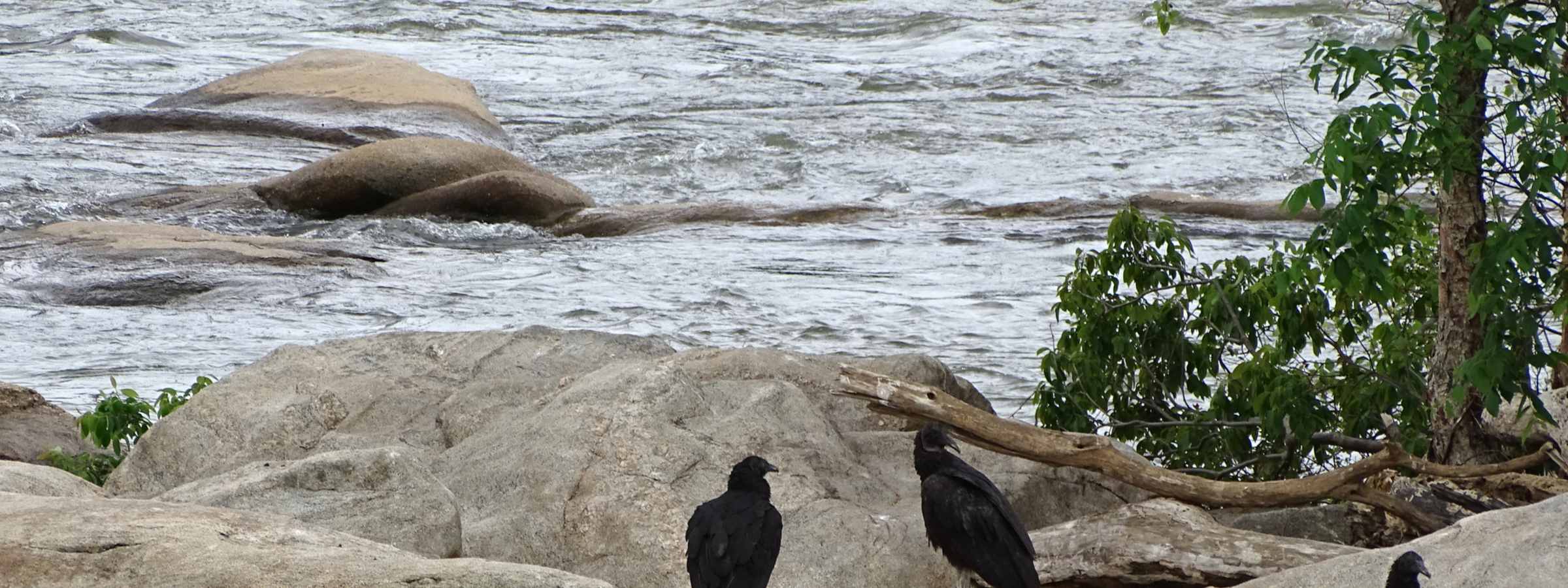
Virginia has the Chesapeake Bay, the Potomac, James, and Rappahannock rivers, and a long Atlantic coastline — tremendous variety. The James River through Richmond has been historically active since the 1600s. Hampton Roads is one of the most active naval and commercial ports in the country. Tidal influence reaches well inland on Chesapeake tributaries, with brackish to saltwater conditions throughout.
Is it legal? Virginia Department of Wildlife Resources doesn't specifically prohibit magnet fishing. The Virginia Department of Historic Resources has active underwater archaeology oversight, and Virginia waters — particularly the James River and Hampton Roads — have documented Civil War and colonial-era sites with legal protections. Hampton Roads and the Elizabeth River have significant active military and commercial port areas where access is restricted.
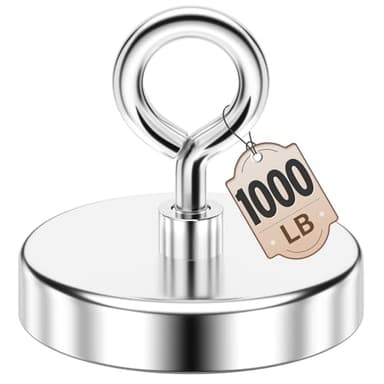
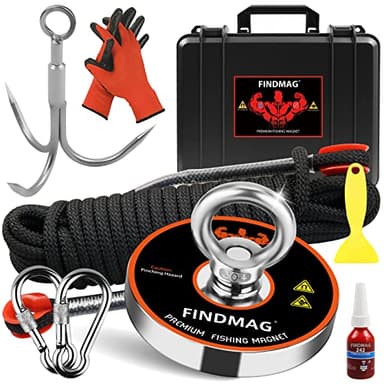
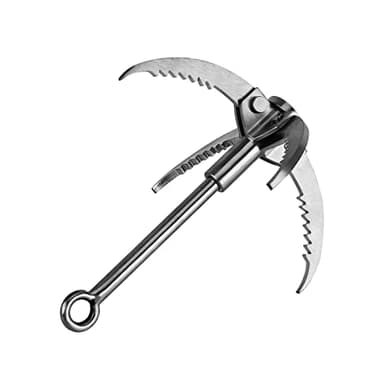
Best magnet fishing gear for Virginia
Best magnet fishing spots in Virginia
1. James River at Richmond Canal Walk
Richmond
The Richmond Canal system and the James River shoreline here sit on top of centuries of layered history — this stretch saw Civil War ironclads, colonial-era commerce, and heavy 20th century industry. People have pulled out railroad spikes, chain sections, iron fittings, and old tools from the canal edges. Access is easy from the Canal Walk path, there's parking nearby at Dock Street, and the canal sections are shallow enough to work with a standard throw.
2. James River at Ancarrow's Landing
Richmond
One of the most historically loaded stretches of water in the entire country — Civil War ironclads, Confederate naval ordnance, and over three centuries of industrial dumping are all sitting in that riverbed. Access is solid with a paved boat ramp and decent parking off Brander Street. Depth varies but the shallower tidal flats near the bank are where most people are working, and the bottom is absolutely littered with iron.
3. James River at Ancarrows Landing
Richmond
This stretch of the James River sits right in the heart of Richmond's industrial and Civil War history — shipyards, ironworks, and Confederate naval activity all happened within a short distance of this bank. People have pulled up old ironwork, chain links, and Civil War-era hardware from this section. Access is decent with a public boat ramp and parking lot, and the water is shallow enough near the banks to work effectively from shore.
4. Potomac River at National Harbor Access Point
Woodbridge
The Virginia side of the Potomac near Woodbridge and the Route 1 bridge crossings has been a working waterway for so long that almost anything could be down there. Old bridge hardware, boat anchors, and miscellaneous iron turn up regularly in this stretch. There's decent public access along the Occoquan Bay National Wildlife Refuge boundary and near the Occoquan River confluence, with parking available at the refuge lot.
5. Potomac River at Occoquan Regional Park
Occoquan
The Occoquan meets the Potomac right here and there's been a mill town on this water since the 1750s — that kind of history means tools, hardware, and old iron have been falling in for a long time. The park has easy bank access, a boat launch, and parking that's actually manageable on weekdays. Tidal current can be strong so anchoring your rope well matters more here than at a lot of spots.
6. Potomac River at Occoquan Bay
Woodbridge
Occoquan Bay where the Occoquan River empties into the Potomac has seen centuries of boat traffic, mill operations, and waterfront commerce. Magnet fishers here have found boat hardware, anchors, and old tools from the mill era. There's a public waterfront park with easy bank access and decent parking, and the tidal nature of the bay means depths shift — low tide exposes more shallow structure to work.
7. Occoquan River beneath Route 123 Bridge
Occoquan
Occoquan is a small historic mill town and the river underneath that old bridge has caught decades of dropped and dumped metal. Old mill hardware, boat parts, and the occasional tool cache have come out of here. The town has a public waterfront with walkable access and the bridge pilings are easy targets from the bank.
8. Norfolk Harbor and Town Point Park
Norfolk
A working naval and commercial port with decades of dropped, thrown, and lost metal along the seawall — people have pulled everything from ship hardware to old military gear from the water here. Town Point Park gives you legal public bank access right along the Elizabeth River waterfront without having to trespass on port property. Water is murky and brackish, and the bottom is soft silt, so a strong pull is necessary to break suction.
9. Appomattox River Waterfront
Petersburg
Petersburg sat at the center of one of the longest siege campaigns of the Civil War, and the Appomattox River runs right through it — which means there's a lot of history sitting on the bottom. Old military hardware, ironworks, and industrial remnants from the 19th and 20th centuries have all turned up in this area. The riverside trail gives good bank access at multiple points, and parking is available near the Old Towne waterfront.
10. Hampton Roads Harbor — Pier Areas near Fort Monroe
Hampton
Fort Monroe sits at the mouth of the James River where it meets the Chesapeake Bay, and the waters around the old fort have been active since the Civil War. The pier and seawall areas near the public grounds have produced military hardware, old anchors, and iron fittings. Access along the shoreline is open to the public since the fort became a National Monument, and the tidal flats near the water's edge are workable at low tide.
11. Shenandoah River at Riverton Confluence
Front Royal
Where the North and South Forks of the Shenandoah come together just outside Front Royal, the river has natural eddies that collect metal debris over time — old farm equipment, bridge hardware, and mill remnants have all come up from this stretch. Access is good from the public boat landing off Remount Road, and parking is easy. The bottom is mix of gravel and sand so retrieval is generally cleaner than the silty tidal rivers.
12. Shenandoah River at Riverton
Front Royal
Riverton sits right at the confluence of the North and South Forks of the Shenandoah, and this spot has attracted magnet fishers for years because of the sheer amount of old hardware and farm equipment that has washed down from upstream over generations. The river is wide and relatively shallow here, which makes wading possible in lower water — and the rocky bottom holds onto a lot of stuff. Parking is straightforward near the Route 340 bridge area.
13. Shenandoah River at Bentonville Access
Bentonville
The Shenandoah through Warren County has old iron bridges, mill sites, and a history of small-town river commerce that left plenty behind. Finds here tend toward old tools, farm hardware, and bridge debris. The Bentonville access area has a concrete boat ramp and parking, and the gravel-bottom shallows are easy to work from the bank.
14. Appomattox River at Pocahontas State Park Access
Chesterfield
The Appomattox below Petersburg has industrial history from iron foundries and old mill operations dating back well before the Civil War. People have found old castings, chain, and assorted iron debris in this stretch. Bank access is available near the Route 10 bridge area in Chesterfield County, and the river runs moderate depth in the main channel.
15. Rappahannock River at City Dock
Fredericksburg
Fredericksburg sits right on the fall line of the Rappahannock and the city dock area has centuries of river commerce behind it — the water here has old wharfing hardware, Civil War-era iron, and general urban river debris at varying depths. Public access is straightforward from the riverfront, and the historic district right there means the substrate has been accumulating interesting stuff for a very long time. It's a popular spot so weekend mornings you won't be alone.
16. Rappahannock River at Fredericksburg
Fredericksburg
Fredericksburg changed hands multiple times during the Civil War and the Rappahannock River was a literal front line — troops crossed here repeatedly and a lot of equipment ended up in the water. Even setting aside the history, this is a well-trafficked river with decades of recreational boat traffic adding to the bottom layer. The riverfront area near the city has walking paths and multiple bank access points.
17. Rappahannock River at Fredericksburg City Dock
Fredericksburg
Fredericksburg sits right on the fall line of the Rappahannock, and the area around the old city dock and Ferry Farm side has seen two centuries of river commerce plus Civil War crossings. Old hardware, anchor chain, and iron fittings have turned up along this stretch. The city dock area is publicly accessible and well-known among local magnet fishers.
18. Hampton Roads Bridge-Tunnel Fishing Areas
Hampton
The areas around the bridge-tunnel approaches on the Hampton side have serious concentrations of dropped and lost metal from decades of construction, maintenance, and waterway traffic. Access is from public shoreline areas near Phoebus and you're fishing tidal saltwater with real depth close to shore in spots. Old hardware, tools, and marine equipment are what people are typically pulling — not small stuff.
19. Occoquan Reservoir Spillway
Occoquan
The old mill town of Occoquan sits right on the water and the spillway area below the reservoir is a classic spot where debris collects naturally — current funnels stuff into the slower water below the dam and it just sits there. Historic mill hardware, boat fittings, and general ironwork are the common finds. Downtown Occoquan is walkable and parking is available, though it fills up on weekends because the town draws tourists.
20. Elizabeth River at Town Point Park
Norfolk
Norfolk's waterfront along the Elizabeth River is one of the most industrially active harbors in the mid-Atlantic, and that's been true for well over a century. Naval hardware, mooring gear, and all kinds of iron debris accumulate near the public park areas downstream of the Berkley Bridge. Town Point Park has open waterfront access and is easy to reach with parking nearby.
21. North Fork Shenandoah River near Edinburg
Edinburg
This stretch of the North Fork runs past old mill sites and Civil War-era ford crossings, and the riverbed has a reputation for turning up old iron tools and hardware from both. The Edinburg Millrace area specifically has produced finds for people who know what they're looking for. Access is manageable from public road crossings and the water runs clear enough that you can sometimes see what you're dragging.
22. New River at Radford
Radford
The New River is geologically one of the oldest rivers in North America and the Radford area specifically sits near a former Army ammunition plant site — which means the industrial history here is unusual and the finds can reflect that. Old metal fabrication scraps, hardware, and general riverbed ironwork are typical. The river has good public bank access around Bisset Park and the water is clear enough in low flow conditions that you can see what you're throwing at.
23. Clinch River at Cleveland Access Area
Cleveland
Way out in southwest Virginia, the Clinch River doesn't get as much magnet fishing attention as the eastern waterways, but it has old bridge sites, abandoned farm crossings, and a history of small mining operations in the watershed. The Cleveland river access area has a gravel launch and parking, and the clear water actually lets you spot targets before you throw. Finds have included old logging and farm equipment debris.
24. Maury River at Goshen Pass
Goshen
Goshen Pass is gorgeous and the Maury River through the gorge has been a crossing point for roads and railroads since the 1800s — old bridge hardware and railroad iron have been found in this water by people willing to make the hike in. Access requires some trail walking from the parking area along Route 39, and the current is fast in higher water. This is more of an intermediate spot just because of the terrain, not the depth.
25. Chickahominy River at Walkers Dam
Providence Forge
The Chickahominy has colonial and Civil War history baked into almost every bend, and the dam area at Walkers Dam creates the kind of slow, deep water where heavy iron likes to settle. Old farm hardware, boat fittings, and miscellaneous iron debris have come out of this stretch. There's a public boat ramp with parking right at the dam area, and the backwater pools on the downstream side are especially productive.
26. Elizabeth River at Hospital Point
Portsmouth
Portsmouth sits across from Norfolk's shipyards and the Elizabeth River between them has a legitimate claim to being one of the most industrially active stretches of water on the East Coast for the past 150 years — shipbuilding hardware, naval equipment, and old port infrastructure are all in that bottom. Hospital Point has a public waterfront area with decent access and you're casting into water that's seen continuous heavy use since before the Civil War. Soft silty bottom here same as the Norfolk side.
27. Roanoke River at Smith Mountain Lake Dam Tailrace
Altavista
The tailrace below Smith Mountain Lake Dam is where recreational lake traffic and decades of dam construction history converge — lost fishing gear, boat hardware, and construction-era ironwork all end up cycling through here. The current below the dam is strong after generation cycles, but the slower edges are very productive. There's parking near the river access points off Route 122 and the banks are accessible without much bushwhacking.
Magnet fishing in Virginia — FAQ
Is magnet fishing legal in Virginia?+
Can I magnet fish in the Chesapeake Bay?+
What pull force do I need for Virginia rivers like the James or Potomac?+
How long should my rope be for Virginia magnet fishing spots?+
What happens if I find something that looks like Civil War artillery or ordnance?+
Are there good beginner spots in Virginia that aren't too complicated?+
Does saltwater or brackish water damage my magnet?+
Here are some magnet fishing finds in Virginia
- A woman was magnet fishing by Swift Creek in Colonial Heights when she pulled in a Civil War-era cannonball.
- Magnet fishers in Southampton County discovered a pipe bomb during their activity, prompting the Virginia State Police Bomb Squad to render it safe.
Looking for more magnet fishing spots near Virginia? Check out our guides for Kentucky, Maryland, North Carolina, Tennessee, and West Virginia — all neighbouring states with their own rivers, lakes, and access points worth exploring.
Best Magnet Fishing Magnets
Find the best magnet for magnet fishing — from 500 lb beginner picks to 2,000 lb+ heavy hitters.
Find your magnet →Best Magnet Fishing Accessories
Rope, gloves, grappling hooks, buckets, and more — the magnet-fishing accessories that actually matter.
Browse accessories →Best Magnet Fishing Kits
Looking for the best magnet fishing kit? Top picks that bundle a strong magnet, rated rope, and gloves.
See the kits →Pulled something good out of Virginia's water?
We're always adding new spots and finds. Share your favorite Virginialocation or your best haul and we'll feature it on the site.