
Magnet Fishing in Vermont: Lake Champlain and Old Mill Rivers
Lake Champlain is genuinely one of the most historically interesting freshwater bodies in the country — Revolutionary War engagements, centuries of commercial traffic, documented shipwrecks. Vermont's Historic Preservation division takes those wreck sites seriously, so know which areas are protected. Away from the…
Not fishing Vermont? See the best places to magnet fish in all 50 states. New to the hobby? Start with the complete guide to how to go magnet fishing.
Magnet fishing in Vermont — quick info
Recommended Pull Force
Recommended Rope Length
Beginner Difficulty
Typical Water Conditions
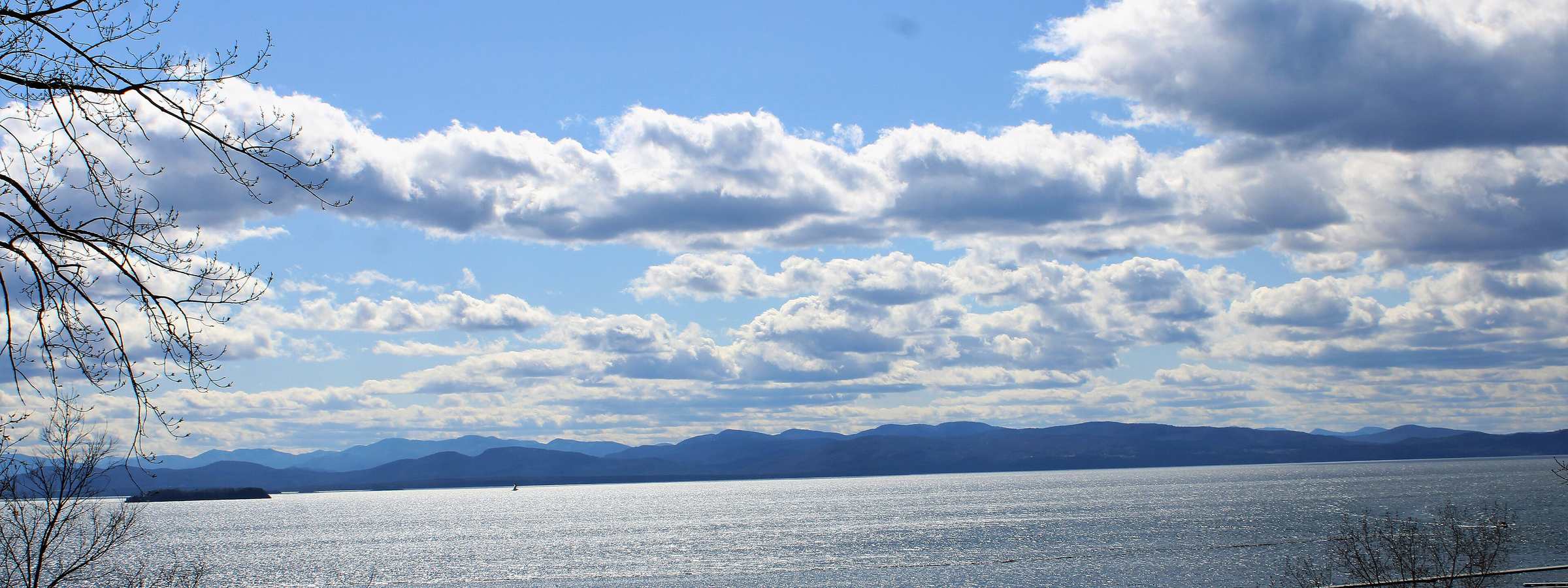
Vermont has Lake Champlain forming much of its western border with New York, plus the Connecticut River on the east and numerous smaller rivers and lakes in between. Champlain is deep, clear, and has a long history of maritime activity dating back to the Revolutionary War. The Winooski, Lamoille, and Missisquoi rivers drain into the lake and run through old mill town corridors.
Is it legal? Vermont Fish & Wildlife doesn't specifically prohibit magnet fishing, and Lake Champlain shore access is generally good at state parks and public access points. Lake Champlain has documented shipwrecks with state and federal archaeological protections — the Vermont Division for Historic Preservation is serious about this. The Connecticut River is jointly managed with New Hampshire, and both states' rules apply on their respective banks.
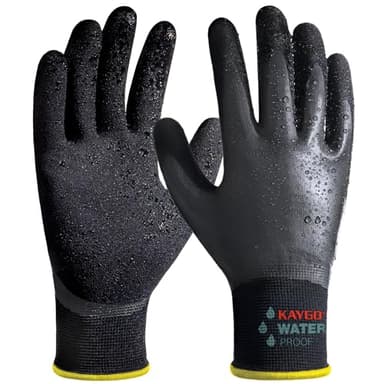
Best magnet fishing gear for Vermont
Best magnet fishing spots in Vermont
1. Winooski River at Salmon Hole
Winooski
One of the most fished stretches of river in the state, and not just for actual fish. The Salmon Hole sits right below a former industrial district, and the riverbed has been collecting dropped and dumped metal since the mill era. Access is easy from the city park on the Winooski side, parking is free, and the water is shallow enough along the banks to work a magnet without much line.
2. Winooski River at Winooski Falls
Winooski
This stretch below the falls was the heart of Vermont's wool mill industry for over a century, and the riverbed reflects that. People have pulled out mill hardware, old tools, and assorted iron junk that's been sitting down there since the 1800s. Access is easy from the riverwalk, parking is right there, and the depth is manageable outside of spring runoff.
3. Burlington Harbor
Burlington
Where Lake Champlain meets the city waterfront, Burlington Harbor has seen centuries of boat traffic, ferry landings, and industrial use. People have pulled anchor hardware, old chain, boat fittings, and general iron debris from the shallower areas near the docks and boat ramps. Access is easy off Battery Street with public parking nearby, and the water stays relatively shallow along the breakwater.
4. Lake Champlain at Perkins Pier
Burlington
Burlington's working waterfront has been in use since the 1700s and the bottom near the old pier shows it — old hardware, chain, dock fittings, and occasional coins turn up here regularly. Depth drops off fairly quickly past the pier edge, so a longer rope helps. Parking in the lot off Battery Street, and the walkway gives you good casting angles.
5. Lake Champlain Waterfront
Burlington
Burlington's waterfront along the lake gives you access to decades of dropped gear, fishing weights, and general human carelessness near the docks and boat launches. The main channel gets deep fast, but the shallower areas near the piers and breakwater are where most finds concentrate. Stay well clear of any marked archaeological survey zones — the state is not joking about the protected wrecks further out in the lake.
6. Connecticut River at Orford-Fairlee Bridge
Fairlee
The old bridge crossing between Fairlee and Orford, New Hampshire has been a river crossing point for a very long time, and bridge sites on moving water are almost always productive. The Connecticut runs cold and clear here and the bottom is gravelly, which means metal doesn't bury as fast. Pull requests on the Vermont bank give you a clear approach to the water.
7. Connecticut River at Brattleboro
Brattleboro
The Connecticut River along the Brattleboro waterfront has a long history of ferry crossings, logging drives, and industrial river use, which means there's old iron sitting on that riverbed. The town has public river access near the Retreat Farm area and along Putney Road. Water runs cold and moves fast in spring, so timing matters — late summer when levels drop is easier to work.
8. Otter Creek at Center Street Bridge
Middlebury
Middlebury built its entire early economy on Otter Creek's waterpower, and the stretch near the old falls and Center Street bridge still has remnants of that industrial history sitting on the bottom. The creek is accessible from downtown, the banks are walkable, and the water is calm enough in summer that you can see what you're pulling toward. Old mill hardware and iron fittings are the usual finds.
9. Otter Creek at Vergennes Falls
Vergennes
Vergennes is the smallest city in the United States and it sits on Otter Creek right where it drops over a falls that powered mills going back to the early 1800s. The stretch below the falls has yielded mill hardware, old chain, and anchor-related gear tied to Otter Creek's history as a route to Lake Champlain. Parking near the falls is easy and the banks are accessible.
10. Lamoille River at Johnson Village Bridge
Johnson
Johnson is a small mill town that doesn't get as much attention as it probably should from magnet fishers. The Lamoille passes right through the village, and the bridge site has the classic combination of a long-used river crossing and upstream industrial history. Parking near the bridge is informal but workable, and the river is accessible from both banks.
11. Lamoille River at Johnson
Johnson
The Lamoille runs through Johnson past the remnants of old mill infrastructure, and the river bottom in the slower bends holds a decent amount of iron debris from that era. It's a less-visited spot than the bigger waterways, which honestly works in your favor. Wade-in access from several points near the village, and the depth in the pools is reasonable outside of May.
12. Lake Champlain at Chimney Point
Addison
Chimney Point has been a crossing and settlement site since before the Revolutionary War, and the shallow water near the old ferry landing is the kind of spot where things get dropped across centuries. The state historic site gives you parking and easy lake access. Depth here is modest — maybe 6 to 10 feet close to shore — which makes it manageable for most setups. Stay well clear of any marked archaeological zones.
13. White River Junction — Connecticut River Access
White River Junction
The confluence area where the White River dumps into the Connecticut has been a crossing point and transportation hub since before Vermont was a state. Old bridge hardware, rail-related iron, and general waterfront debris accumulate in the slower water near the banks. The rail history alone makes this worth a trip — there was serious infrastructure here for over a hundred years.
14. White River at Bethel
Bethel
Bethel sits where rail lines and river traffic converged historically, and the White River near the old rail bridge area holds old hardware and iron debris from that era. The river is accessible from Route 107 with roadside pull-offs and the water runs clear enough in late summer that you can actually see bottom in the shallows. Old spike plates, bolts, and miscellaneous iron have been reported from this stretch.
15. Winooski River at Richmond Village
Richmond
Richmond sits in the Winooski valley downstream from the Green Mountains and the river here has a long history of bridge crossings and small industry. The village bridge site is easy to reach, the bank access is decent, and the river bottom tends to hold older iron better than the faster upstream sections. People have pulled tools, chains, and old fasteners from this stretch.
16. Dog River at Northfield Falls
Northfield
Northfield Falls is a small village with a covered bridge and a history of mill activity on the Dog River, and the river bottom around the bridge abutments is worth working. Old bridge hardware and mill-related iron show up here, and it's the kind of quiet, unhurried spot where you can take your time. The river is shallow enough to wade through most of the season.
17. Black River at Proctorsville Gulf
Cavendish
The Black River drains through Cavendish and Proctorsville, past old mill sites that date back to early Vermont settlement. The gulf section has some deeper pools below the rapids where heavy metal collects when it washes downstream from upstream sites. Access requires a short walk from roadside pulloffs, but the spots that take a little effort to reach are usually the ones that haven't been cleaned out.
18. Missisquoi River at Swanton
Swanton
The Missisquoi runs into the northern end of Lake Champlain near Swanton, and the lower stretch of the river has seen fishing, boating, and small-scale industry for a long time. It's a underrated spot in Vermont magnet fishing circles — not as famous as Champlain or Bellows Falls, which means less competition and more ground to cover. Access from the Swanton village area is easy enough.
19. Passumpsic River at St. Johnsbury
St. Johnsbury
St. Johnsbury was a major industrial center in northeastern Vermont, and the Passumpsic River running through town reflects that history in what's sitting on its bottom. Old factory sites lined the riverbanks and their iron didn't all get hauled away cleanly. Access points exist near the downtown area and along railroad Street, and the river is wadeable in low-water months.
20. Connecticut River at Bellows Falls
Bellows Falls
Bellows Falls has been a major river crossing since the first canal in the United States was built here in 1802, and the Connecticut is relatively narrow and rocky through this section. The industrial and commercial history of this place is dense, and the riverbed near the old canal works reflects that. Street parking near the falls gives decent access, though the current is strong and the rocks are slippery.
21. Ottauquechee River at Quechee Gorge
Quechee
Quechee Gorge is Vermont's deepest gorge, and the Ottauquechee runs through it under a highway bridge that's been dropping things into the water since 1911. Car parts, coins, tools, and unidentified iron debris have all come up from below that bridge. The gorge trail gives you access down to the river level, and it's a legitimately beautiful spot even if you come up empty.
22. Black River at Springfield
Springfield
Springfield was once called Precision Valley for its machine tool industry, and the Black River powered all of it. The river around downtown Springfield has old dam infrastructure, mill foundations, and associated iron debris still in the water. It's one of the more interesting spots in Vermont from a pure finds-per-throw standpoint, and access along the river corridor is decent.
23. Missisquoi River at Swanton Village
Swanton
Swanton sits near where the Missisquoi empties into Lake Champlain's northern end, and the village itself has an old industrial and agricultural history tied to the river. The stretch near the village dam site is a known drop zone for old hardware and iron. Access from the town park is easy, parking is available, and the water moves slowly enough here that you can work methodically.
24. Batten Kill River at Arlington
Arlington
The Batten Kill is famous for trout fishing, but the stretches near Arlington also pass old bridge crossings and farm road fords that have deposited iron into the riverbed over generations. It's a clear, relatively shallow river that makes spotting and retrieving easier than most Vermont waterways. Be aware that it's a popular fishing river, so pick your timing and your stretch accordingly.
25. Winooski River at Montpelier
Montpelier
The Winooski runs right through the state capital, and Montpelier has old bridge sites and a downtown waterfront that's seen foot traffic and development for two centuries. The stretch near the confluence with the North Branch is particularly worth working. Access is easy from downtown, parking isn't a problem on weekends, and the river is relatively shallow along most of the town stretch.
Magnet fishing in Vermont — FAQ
Is magnet fishing legal in Vermont?+
Can I magnet fish on Lake Champlain?+
What about the Connecticut River — do I need to follow New Hampshire rules too?+
How much rope do I actually need for Vermont spots?+
What pull force should a beginner use in Vermont?+
Are there any spots I should avoid in Vermont?+
What do I do if I find something that looks historically significant?+
Here are some magnet fishing finds in Vermont
- Burlington magnet fishers Rose and Michael Jerome have pulled bicycle frames, bolts, bullets, signposts, and a pellet gun (reported to police) from Perkins Pier on Lake Champlain and the Winooski River behind the Ethan Allen Homestead, plus a 1700s sword handle from near the Homestead that a historian valued at $2,000 (via Seven Days).
- Lake Champlain has Revolutionary War-era maritime history and documented shipwrecks with legal protection, so anything old that comes up near Burlington Harbor should be reported to the Division for Historic Preservation, not pocketed. The Winooski and Connecticut River mill corridors are where the everyday iron is.
- Fished Vermont and pulled something up? Reply to any newsletter and tell us. Reader finds go here.
Looking for more magnet fishing spots near Vermont? Check out our guides for Massachusetts, New Hampshire, and New York — all neighbouring states with their own rivers, lakes, and access points worth exploring.
Best Magnet Fishing Magnets
Find the best magnet for magnet fishing — from 500 lb beginner picks to 2,000 lb+ heavy hitters.
Find your magnet →Best Magnet Fishing Accessories
Rope, gloves, grappling hooks, buckets, and more — the magnet-fishing accessories that actually matter.
Browse accessories →Best Magnet Fishing Kits
Looking for the best magnet fishing kit? Top picks that bundle a strong magnet, rated rope, and gloves.
See the kits →Pulled something good out of Vermont's water?
We're always adding new spots and finds. Share your favorite Vermontlocation or your best haul and we'll feature it on the site.