
Magnet Fishing in West Virginia: Coal Country Rivers and the Ohio Border
West Virginia's waterways run through one of the most industrialized river corridors in Appalachia — coal, chemicals, railroads — and old industrial sites near rivers tend to hold interesting finds. The Ohio River border near Huntington and Parkersburg is the most beginner-friendly access. Mountain rivers are scenic…
Not fishing West Virginia? See the best places to magnet fish in all 50 states. New to the hobby? Start with the complete guide to how to go magnet fishing.
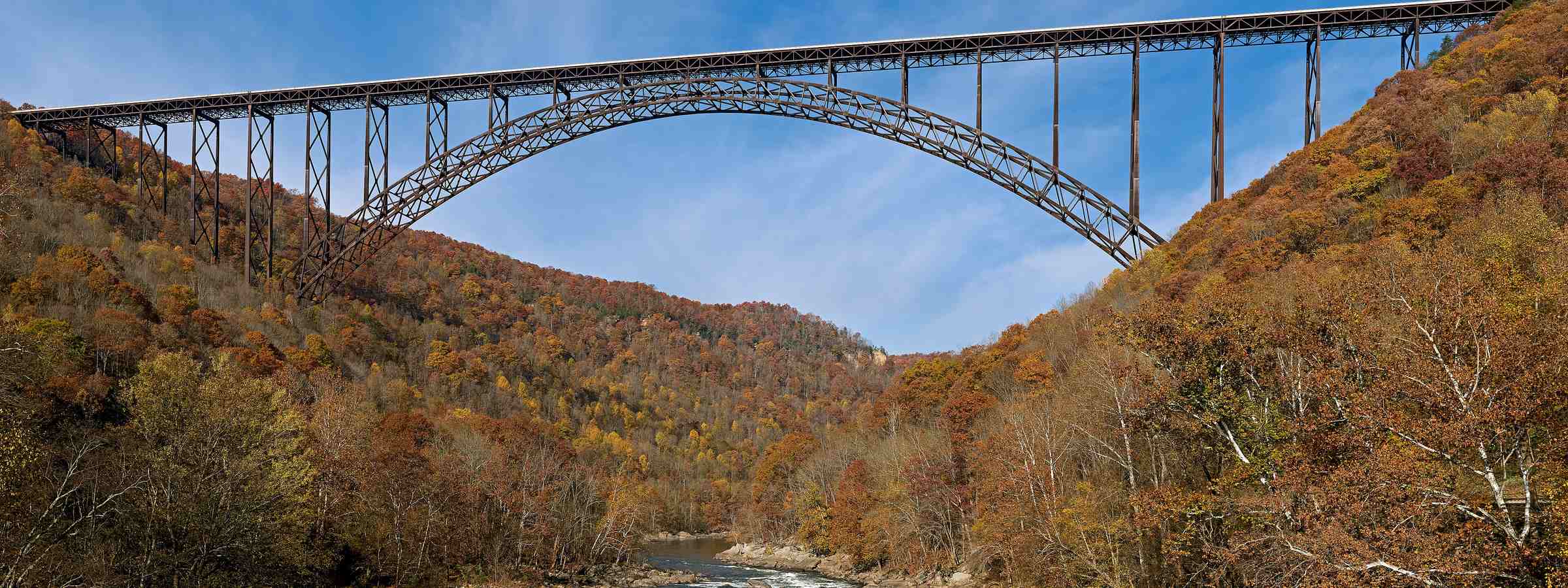
Magnet fishing in West Virginia — quick info
Recommended Pull Force
Recommended Rope Length
Beginner Difficulty
Typical Water Conditions
West Virginia is defined by the Kanawha, New, Greenbrier, and Cheat river systems — all mountain rivers with varying degrees of current. The Ohio River forms the entire northwestern border, and the deep, slow sections near Huntington and Parkersburg are the most accessible for magnet fishing. Interior rivers are generally rocky, fast, and harder to work but can surprise you near old industrial and railroad sites.
Is it legal? West Virginia Division of Natural Resources doesn't specifically prohibit magnet fishing. The Ohio River border has Army Corps jurisdiction near dams and locks. West Virginia has a history of industrial sites — coal, chemical plants, railroads — along its waterways, which makes finds interesting but also means some areas may have environmental contamination concerns worth being aware of. State Historic Preservation Office covers significant archaeological finds.
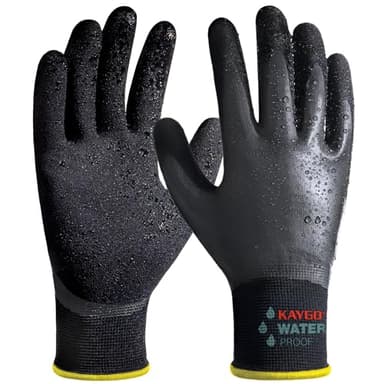
Best magnet fishing gear for West Virginia
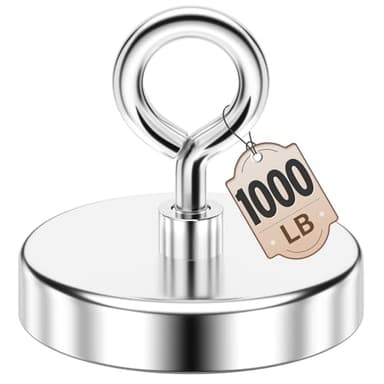
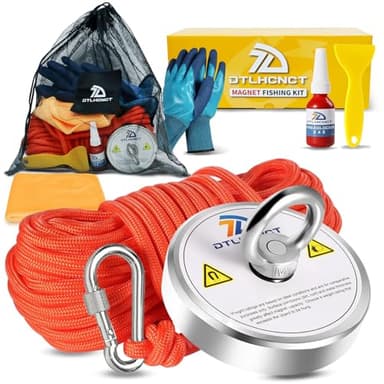
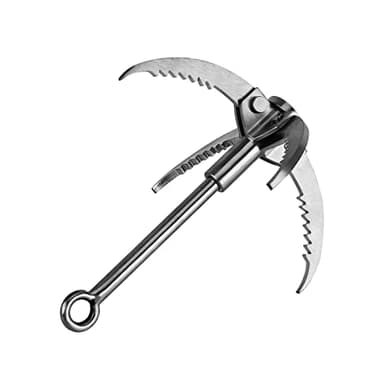
Best magnet fishing spots in West Virginia
1. New River at Thurmond
Thurmond
Thurmond was a booming coal town in the early 1900s and the river here has decades of industrial debris sitting on the bottom. Old railroad hardware, tools, and coal-era metal turn up regularly along the banks near the historic depot. Access is straightforward from the Thurmond parking area, but remember this is inside New River Gorge National Park boundaries now — NPS rules prohibit removing finds, so check current regulations before you go.
2. New River at Gauley Bridge
Gauley Bridge
This is where the New River meets the Gauley to form the Kanawha, and that confluence has been a crossing point for a long time — old bridge hardware, railroad debris, and Civil War-era metal all show up here. Access is decent from the town side, and the water runs shallow enough near the banks to work with a strong magnet. People have pulled out railroad spikes, chain links, and older structural iron from this area.
3. Ohio River at Point Pleasant
Point Pleasant
Point Pleasant sits right at the confluence of the Ohio and Kanawha rivers, and that junction has been a crossing point for centuries — French and Indian War era artifacts, Civil War hardware, and old ferry infrastructure have all turned up in this stretch. The riverfront park gives you easy bank access and there's decent parking nearby. Depth varies a lot along the Ohio here so a longer rope is worth having.
4. Kanawha River near Charleston Levee
Charleston
The Kanawha running through Charleston carries a long history of chemical industry and river commerce, and the stretch near the downtown levee has yielded old tools, factory hardware, and the occasional Civil War relic. Bank access along the levee walk is easy and the area is well-lit if you want to go early morning. That said, the industrial history here means you should be thoughtful about what you're handling — old chemical plant zones upstream.
5. Kanawha River at Charleston Levee
Charleston
The chemical industry corridor along the Kanawha is one of the more interesting stretches of river in the state — old industrial infrastructure, barge hardware, and decades of dropped tools and equipment all sitting in the mud. The levee walk gives you easy bank access for a long stretch, and parking downtown isn't terrible on weekends. Worth knowing that this is an industrial river, so pulling up something genuinely weird is not out of the question.
6. Kanawha River at Charleston
Charleston
The Kanawha running through Charleston has decades of chemical industry and barge traffic history baked into its banks. There are accessible spots along the Kanawha Boulevard where you can drop a magnet from the seawall, and the bottom is genuinely interesting — old iron fittings, hardware, and the occasional tool. Worth knowing: this is an old industrial corridor, so if you pull something that looks chemically coated or weird, just leave it.
7. Cheat River at Albright
Albright
The Cheat River near Albright runs past the site of an old power plant, and the bottom still gives up cast iron and steel debris from that era if you work the right bends. The river is cleaner than it used to be after acid mine drainage remediation, but there's still a lot of old metal history sitting in the gravel beds. Parking off WV-26 is easy and the banks are accessible without a hike.
8. Monongahela River at Morgantown
Morgantown
The Mon runs through a college town now but this was heavy industrial and river transport country for well over a century, and the bottom reflects that. Old lock hardware, boat parts, and general industrial metal show up along the stretch near the Morgantown waterfront. The Hazel Ruby McQuain Riverfront Park gives you clean bank access with parking right there.
9. Elk River at Clendenin
Clendenin
Clendenin sits on a bend of the Elk River that saw serious flooding in 2016, and that flood churned up and redistributed a lot of metal debris along the banks and in the shallows. People have pulled out tools, old structural hardware, and vehicle parts from the Elk near town. The bridge crossing gives you a good vantage and there's bank access on both sides.
10. Elk River at Sutton
Sutton
Sutton sits right above Sutton Lake where the Elk River pools behind the dam, and the area around the old town site and bridge crossings holds some genuinely old metal. The Army Corps of Engineers maintains access areas around the dam, and the shallower upstream sections of the Elk are easy to work from the bank. Old bridge hardware and farm equipment that got dumped over the years are common finds.
11. Ohio River at Huntington
Huntington
Huntington's riverfront was a major industrial hub for the C&O Railroad and steel industry, and the Ohio here has decades of that history on the bottom. The Huntington Floodwall area offers accessible bank spots and the river traffic history means old mooring hardware and boat fittings are genuinely possible finds. It's a wide river here so casting angle and rope length matter more than at smaller spots.
12. New River at Hinton
Hinton
Hinton is downstream of the National Park boundary, which means you can actually keep what you find — that distinction matters. The New River here runs past an old railroad hub and there's a long history of C&O Railroad activity that put a lot of metal in and around the water. The Hinton riverfront is easy to access and the town has been a railroading community since the 1870s.
13. Tygart Valley River at Grafton
Grafton
Grafton is another old railroad town — it's actually where Mother's Day was first celebrated, random fact — and the Tygart Valley River running through it has seen over a century of industry. Old bridge hardware and railroad-era metal debris show up in the shallower stretches near town. Access from the old downtown area is easy and the river is calm enough here for beginners.
14. Greenbrier River at Lewisburg
Lewisburg
The Greenbrier is one of the cleaner rivers in the state and the Lewisburg area has good public access points along the Greenbrier River Trail. It's a quieter find compared to the industrial rivers — more old farm hardware and bridge iron than factory metal — but the clarity of the water and ease of access make it a genuinely pleasant day out. The trail runs along the old railroad grade, and old bridge sites along that corridor are worth stopping at.
15. Gauley River at Summersville
Summersville
The Gauley below Summersville Dam is famous for whitewater but the calmer stretches near the dam tailwaters have produced old construction hardware from the dam's build in the 1960s along with general river debris. Access near the tailwater area is doable and the bottom has a mix of gravel and silt that holds metal well. It's not the easiest spot logistically but the dam-era construction debris makes it genuinely interesting.
16. Little Kanawha River at Parkersburg
Parkersburg
Parkersburg sits where the Little Kanawha meets the Ohio, and that double confluence has been a commercial crossing point since the early 1800s. The city park access along the riverfront is easy, and the sheer age of this river town means things have been dropping into the water here for a long time. Old ferry hardware, industrial fasteners, and general river-commerce debris are consistent finds in this area.
17. Coal River at St. Albans
St. Albans
The Coal River meets the Kanawha at St. Albans and both banks have seen serious industrial use over the years. The coal transport history here is obvious from the name, and the river bottom reflects it — old equipment fittings, chain, and iron show up regularly. Bank access near the confluence is manageable and the area doesn't get nearly the foot traffic of the bigger city spots.
Magnet fishing in West Virginia — FAQ
Is magnet fishing legal in West Virginia?+
What do I do if I find something that looks like it could be a weapon or explosive?+
Are there environmental concerns I should know about before magnet fishing West Virginia rivers?+
What pull force magnet do I need for West Virginia rivers?+
How much rope do I actually need?+
What if I find something that seems historically significant?+
Can I magnet fish near locks and dams on the Ohio River?+
What's the most common stuff people pull from West Virginia rivers?+
Here are some magnet fishing finds in West Virginia
Magnet fishing in West Virginia, as in many locations with rich histories and waterways, can yield a fascinating array of finds. Participants in this hobby use strong magnets to pull metal objects out of bodies of water such as rivers, lakes, and canals. In West Virginia, known for its varied terrain and historical sites, magnet fishers have discovered items ranging from the mundane to the historically significant. Finds can include:
- Antique Tools and Hardware: Given West Virginia's industrial past, particularly in coal mining and logging, magnet fishers have reported finding old tools, mining equipment, and railway hardware. These items not only provide a glimpse into the state's industrial history but can also be quite valuable to collectors.
- Firearms: It's not uncommon for magnet fishers in West Virginia to pull up firearms from the water. These can range from historical pieces that may have been used in early conflicts or hunting, to more modern firearms that may have been discarded to hide evidence of a crime. It's important to handle such finds with care and report them to the local authorities for proper handling.
- Fishing Gear: Rods, reels, and other metal fishing gear that have been lost overboard by anglers are common finds. While not historically significant, these items can often be restored and reused.
- Coins and Jewelry: Rivers and lakes are popular spots for recreation and leisure, leading to the occasional loss of coins, jewelry, and other small metallic items. Magnet fishing can sometimes recover these lost treasures, offering a glimpse into the personal stories of those who visited these waters.
- Historical Artifacts: West Virginia's rivers have been trade and transportation routes for centuries. Items of historical interest, such as old coins, parts of early settler's tools, or military artifacts from periods such as the Civil War, can emerge from the depths, providing valuable insights into the area's past.
- Industrial Waste: Unfortunately, not all finds are treasures. Industrial waste, including scrap metal, discarded appliances, and other debris, is also commonly retrieved. These finds are a sobering reminder of the environmental impact of human activities on natural waterways.
- Personal Items: Items like keys, mobile phones, and cameras often end up in the water through accidental drops. While these may hold little historical value, they can sometimes be returned to their owners, offering a happy conclusion to an otherwise unfortunate event.
When engaging in magnet fishing, it's crucial to follow local regulations and guidelines to ensure the safety of both the participants and the environment. Reporting significant historical finds to local authorities or historical societies can also contribute to the broader understanding of West Virginia's rich heritage. Additionally, disposing of trash and hazardous materials properly can help preserve the state's beautiful waterways for future generations.
Looking for more magnet fishing spots near West Virginia? Check out our guides for Kentucky, Maryland, Ohio, Pennsylvania, and Virginia — all neighbouring states with their own rivers, lakes, and access points worth exploring.
Best Magnet Fishing Magnets
Find the best magnet for magnet fishing — from 500 lb beginner picks to 2,000 lb+ heavy hitters.
Find your magnet →Best Magnet Fishing Accessories
Rope, gloves, grappling hooks, buckets, and more — the magnet-fishing accessories that actually matter.
Browse accessories →Best Magnet Fishing Kits
Looking for the best magnet fishing kit? Top picks that bundle a strong magnet, rated rope, and gloves.
See the kits →Pulled something good out of West Virginia's water?
We're always adding new spots and finds. Share your favorite West Virginialocation or your best haul and we'll feature it on the site.