
Magnet Fishing in Minnesota: Lakes, Rivers and What DNR Allows
Minnesota has more lakes than you could fish in several lifetimes, and the upper Mississippi through Minneapolis is loaded with old bridge and industrial history. The Boundary Waters is off-limits — Wilderness designation means leave it completely alone. Everywhere else? DNR is pretty reasonable about it.
Not fishing Minnesota? See the best places to magnet fish in all 50 states. New to the hobby? Start with the complete guide to how to go magnet fishing.
Magnet fishing in Minnesota — quick info
Recommended Pull Force
Recommended Rope Length
Beginner Difficulty
Typical Water Conditions
Minnesota has over 10,000 lakes plus the Mississippi River's headwaters — some of the best freshwater magnet fishing geography in the country. The Mississippi from Minneapolis south has old bridge infrastructure and industrial history. Lakes in the Boundary Waters and northwoods are clean and cold, though access can be limited by Wilderness designations.
Is it legal? Minnesota DNR doesn't explicitly prohibit magnet fishing, but Boundary Waters Canoe Area Wilderness has strict regulations that effectively prohibit any disturbing activity — leave it alone up there. Lakes and rivers outside federal Wilderness areas are generally accessible from public access points. Minnesota's State Archaeologist has jurisdiction over finds with cultural significance, especially Native American artifacts which carry federal protections under NAGPRA.
Best magnet fishing gear for Minnesota
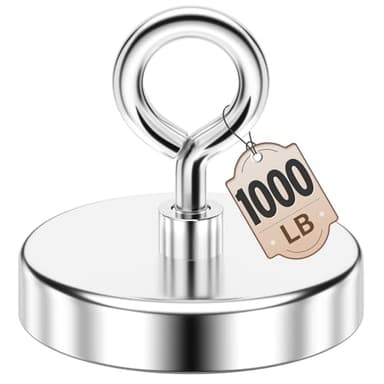
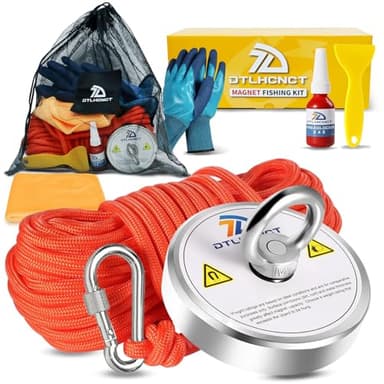
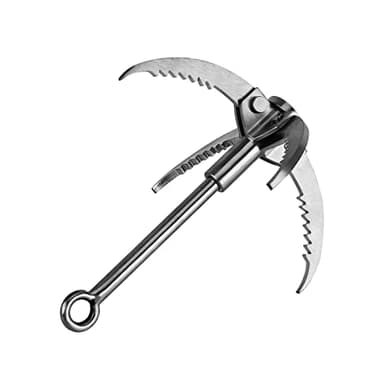
Best magnet fishing spots in Minnesota
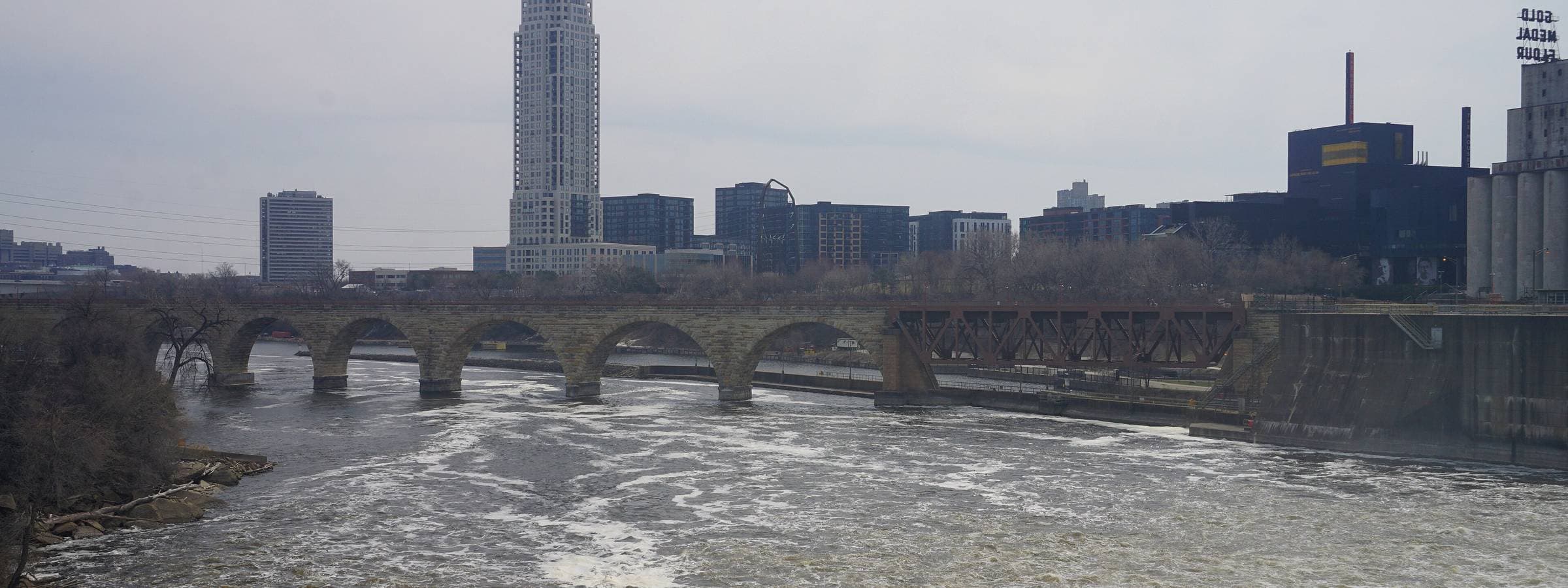
1. Mississippi River at St. Anthony Falls
Minneapolis
This is the only natural waterfall on the entire Mississippi, and the area around the Stone Arch Bridge has been industrial since the 1800s — mills, factories, rail lines, all of it dumping stuff into the water for over a century. People have pulled out tools, hardware, old bolts, and chunks of machinery here. Access is solid with paved paths right along the riverbank and decent parking at the Mill Ruins Park lot.
2. Mississippi River at Stone Arch Bridge
Minneapolis
This is the most historically loaded stretch of water in the Twin Cities — the old mill district, flour industry infrastructure, and a century-plus of urban river traffic all concentrated right here. People have pulled chains, old tools, and industrial hardware from the water around the bridge piers. Access is solid, with paved trails and multiple points to drop a line off the banks or the lower observation areas.
3. Mississippi River — Stone Arch Bridge Area
Minneapolis
This stretch of the Mississippi runs through the old milling district, and there's over a century of industrial activity sitting on that riverbed. People have pulled up tools, hardware, old iron fittings — the kind of stuff that fell off barges and loading docks back when this was a working industrial corridor. Access is easy from the riverfront parkway, parking is close, and the water runs moderate depth off the bridge abutments.
4. St. Croix River at Stillwater Lift Bridge
Stillwater
Stillwater's old lift bridge is one of the most recognizable landmarks on the St. Croix, and the riverbed underneath it has been collecting dropped and discarded metal since the lumber boom days. Coins, tools, old fasteners, and miscellaneous iron have all come up here. Just know the St. Croix is part of the National Scenic Riverway so keep the federal NPS rules in mind — you're not supposed to be removing archaeological artifacts.
5. St. Croix River — Stillwater Bridge
Stillwater
Stillwater sits right on the St. Croix and has been a river town since the logging era, which means there's old hardware, chains, and iron debris that's been dropping into this river for over 150 years. The lift bridge area and the old downtown waterfront are the money spots. Just know that portions of the St. Croix fall under National Park Service rules, so check exactly where you're dropping before you start pulling.
6. Mississippi River at Harriet Island Regional Park
St. Paul
Right across from downtown St. Paul, Harriet Island has been a public gathering spot for over 100 years and the riverbank has seen a lot of foot traffic, boat traffic, and general human activity that leaves metal behind. The park has easy walk-down access to the water and plenty of parking. Depth is manageable close to shore and the mud bottom holds things well — stuff doesn't drift far once it drops.
7. Mississippi River — Harriet Island Regional Park
St. Paul
Right across from downtown St. Paul, this stretch of the Mississippi has seen paddlewheel traffic, barge landings, and a ton of recreational use over the decades. The park has easy riverbank access and decent parking, and the shallow edges near the docks have produced coins, tools, and old fasteners. Depth is manageable close to shore, which makes it a solid spot if you're not looking to work too hard.
8. Mississippi River Lock and Dam No. 1
Minneapolis
Lock systems concentrate boat traffic and human activity in a small area for decades, which means the riverbed nearby is a slow-motion accumulation of dropped gear, tools, and hardware. The area around Ford Parkway and the east bank has decent foot access and you're not far from parking. The lock itself has been operating since 1917, so there's genuine history sitting down there.
9. Lake Minnetonka — Gray's Bay Dam
Minnetonka
Lake Minnetonka has been a recreational hotspot for over 100 years, and all that boat traffic, fishing activity, and shoreline history adds up to a lot of sunken metal. The Gray's Bay Dam outlet area concentrates debris that moves through the lake system and there's decent bank access with parking nearby. Shallow to moderate depth makes this a good spot for beginners getting comfortable with their setup.
10. Mille Lacs Lake — Garrison Public Access
Garrison
Mille Lacs is one of Minnesota's biggest lakes and the Garrison area has public boat landings and shore access that magnet fishers can actually use. Fishing culture here goes back generations, so lost tackle, anchors, and dropped gear from ice fishing season pile up near the access points over time. The bottom near the launch areas is relatively shallow and sandy, so you're not fighting a ton of resistance.
11. Lake Minnehaha and Minnehaha Creek outlet
Minneapolis
Minnehaha Creek runs through one of the most visited parks in the Twin Cities, and the creek and its outlet area have collected decades of dropped metal from park visitors, old infrastructure, and general urban runoff. It's shallow enough for beginners and the banks are easy to access. Don't expect big iron — but coins, keys, and small tools show up pretty regularly.
12. Minnesota River — Mankato Riverfront
Mankato
The Minnesota River runs through Mankato and the downtown riverfront area has old bridge infrastructure and flood history that tends to leave metal behind. The riverbank parks give you walkable access along the water, and the spots near former bridge crossings are where the interesting stuff concentrates. Depth is variable depending on season and rainfall, but the shallower bank sections are very workable.
13. St. Louis River at Fond du Lac
Duluth
The St. Louis River feeds into Lake Superior near Duluth and the Fond du Lac area has old railroad and industrial history going back to the iron ore shipping era. The river bottom around old pilings and bridge remnants is worth working. Access trails run along the river and parking is available off Becks Road — it's not a manicured park setup but it's accessible.
14. Cannon River at Northfield Bridge Street Bridge
Northfield
Northfield's downtown bridges over the Cannon River are old, heavily trafficked, and surrounded by the kind of local history that puts interesting metal in the water. The river runs moderate depth here with gravel and silt bottom, and bank access is straightforward from the downtown area. It's a smaller, calmer waterway than the Mississippi, which makes retrieval a lot less complicated.
15. Lake Minnetonka — Excelsior Commons
Excelsior
Excelsior Bay on Lake Minnetonka has been a recreational hub since the steamboat era, and the old docks and boat landings near the Commons have shed a lot of metal into that water over the years. The public access at Excelsior Commons puts you right on the shoreline with easy footing and no complicated permits. Expect lost fishing tackle, old dock hardware, and the occasional anchor chain fragment.
16. Minnesota River at Mankato Riverfront
Mankato
The Minnesota River through Mankato has a long history of ferry crossings, bridges, and industrial use, and the riverfront area downtown has been cleaned up and made accessible in recent years which actually makes magnet fishing easier to do without fighting through brush. The river runs with decent depth here and the bottom has old bridge hardware, anchors, and miscellaneous iron worth hunting. Parking is right there at Riverfront Drive.
17. St. Croix River at Interstate State Park
Taylors Falls
The glacial potholes and dramatic rock formations at Interstate State Park make for a visually wild backdrop, but the river bottom near the old ferry crossing and boat landing areas is where magnet fishers focus. Old ferry hardware and anchor chains have historically been reported in this stretch. Again — NPS rules apply to the St. Croix here, so know what you're doing before you remove anything.
18. Red River — Moorhead Riverfront Park
Moorhead
The Red River forms the Minnesota-North Dakota border and the Moorhead side has riverside parks with real access to the water. It's a slow, muddy river which sounds boring until you realize slow muddy rivers tend to swallow things and keep them. Old bridge hardware, farm equipment fragments from upstream floods, and general iron debris have been pulled from this stretch.
19. Mille Lacs Lake public boat landing at Garrison
Garrison
Mille Lacs is one of the biggest and most fished lakes in Minnesota, and the public boat landings — especially the main one near Garrison — have decades of dropped tackle, anchors, and equipment from fishing boats launching and loading. The near-shore area around the ramp is shallow and sandy, so recovery is easier than most lake spots. It's a high-traffic landing which means more stuff has gone in over the years.
20. St. Louis River — Jay Cooke State Park Access
Carlton
The St. Louis River tumbles through some dramatic terrain near Jay Cooke, and the old railroad and bridge history in this corridor is real — there were trestles and crossings here going back to the late 1800s. The rocky river sections hold iron debris from that era if you're willing to work the quieter pools rather than the fast rapids. Access is through the state park, so follow DNR public water rules.
21. Red River of the North at Moorhead Riverfront
Moorhead
The Red River forms the North Dakota border and the Moorhead stretch has old bridge sites, historic ferry crossings, and plenty of industrial use from the agricultural shipping era. The riverfront park gives you decent bank access and the river bottom here is soft mud — which means things sink in and stay put, sometimes for a very long time. You're also close to Fargo across the river so parking and logistics aren't a problem.
22. Zumbro River at Rochester's Silver Lake Park
Rochester
Silver Lake is a warm-water reservoir fed by the Zumbro River, and the combination of long recreational use and old dam infrastructure makes it a decent magnet fishing target in southern Minnesota. The park has well-maintained access with paths along the water, and the shallow lake margins are easy to work without a lot of technical difficulty. Old fishing gear, anchors, and miscellaneous recreational hardware show up here regularly.
23. Coon Rapids Dam Regional Park — Mississippi River
Coon Rapids
The dam creates a distinct break in the river and the tailwater below it has accumulated decades of dropped and drifted metal. The regional park gives you legitimate shore access and there's parking right there, which is honestly more convenient than a lot of metro river spots. Fishermen have been working this area forever, so lost tackle and weights are a given, but the older iron stuff shows up too.
24. Rum River at Anoka
Anoka
The Rum River flows into the Mississippi near Anoka and the confluence area plus the old downtown bridge site is a legitimately productive stretch. Anoka has one of the oldest Main Street bridges in the metro area and the riverbed under and near it has been picking up metal since the town was a frontier lumber stop. Access is easy from Rum River Central Regional Park and depth near the bridge is shallow enough to work comfortably.
25. Minnesota River at Mankato's Sibley Park
Mankato
The Minnesota River has a long history of commercial and military use, and the Mankato stretch near Sibley Park sits close to where a lot of that activity was concentrated. The river bottom holds a mix of old industrial debris and recreational cast-offs from decades of park use. Bank access is easy from the park, and the river depth here is workable from shore without needing waders.
26. Leech Lake — Federal Dam Public Access
Federal Dam
Leech Lake is massive and the Federal Dam access point puts you near the lake's outlet structure, which concentrates debris from decades of boat traffic and fishing activity. The area near the dam and the public landing has relatively easy shore access and the kind of shallow, sandy bottom that doesn't eat your magnet. Ice fishing culture on Leech Lake is huge, so winter equipment losses near the access are a real thing.
Magnet fishing in Minnesota — FAQ
Is magnet fishing legal in Minnesota?+
Can I magnet fish in the Boundary Waters?+
What pull force do I need for Minnesota lakes?+
How much rope do I need for Minnesota fishing spots?+
What do I do if I find something that looks like a historical artifact?+
Are there good spots on the Mississippi River in Minnesota?+
What's the water like in Minnesota for magnet fishing?+
Do I need a fishing license to magnet fish in Minnesota?+
Here are some magnet fishing finds in Minnesota
- A reader reported pulling a 400-pound gun safe door out from under the fishing dock on Como Lake in St. Paul.
- Phillip Marbut Jr. pulled about 80 pounds of metal out of the Sauk River at River's Edge Park in Waite Park with a 960-pound magnet; Marc Hirsch of Monticello once hauled up a picnic table, and Scott Thiry of Hopkins has reeled in a bicycle and a spud wrench (via Star Tribune).
- Brainerd native Dennis Nelson has pulled old knives and rebar out of the Mississippi off the Washington Street bridge in Brainerd. Brainerd police confirmed the hobby is lawful there (via Brainerd Dispatch).
- A Rochester father and his two daughters working Silver Lake and Bear Creek Reservoir with a 150-pound magnet came up with hooks, lures, weights, and washers, and did better at the reservoir (via Post Bulletin).
- Beyond the headlines, Minnesota water gives up the usual mix: tackle from 10,000 lakes' worth of anglers, bikes and scooters in the cities, old tools and bridge iron on the Mississippi, and the occasional weapon that gets a call to local police.
Looking for more magnet fishing spots near Minnesota? Check out our guides for Iowa, North Dakota, South Dakota, and Wisconsin — all neighbouring states with their own rivers, lakes, and access points worth exploring.
Best Magnet Fishing Magnets
Find the best magnet for magnet fishing — from 500 lb beginner picks to 2,000 lb+ heavy hitters.
Find your magnet →Best Magnet Fishing Accessories
Rope, gloves, grappling hooks, buckets, and more — the magnet-fishing accessories that actually matter.
Browse accessories →Best Magnet Fishing Kits
Looking for the best magnet fishing kit? Top picks that bundle a strong magnet, rated rope, and gloves.
See the kits →Pulled something good out of Minnesota's water?
We're always adding new spots and finds. Share your favorite Minnesotalocation or your best haul and we'll feature it on the site.