
Magnet Fishing in Oklahoma: Lake Country and River Towns
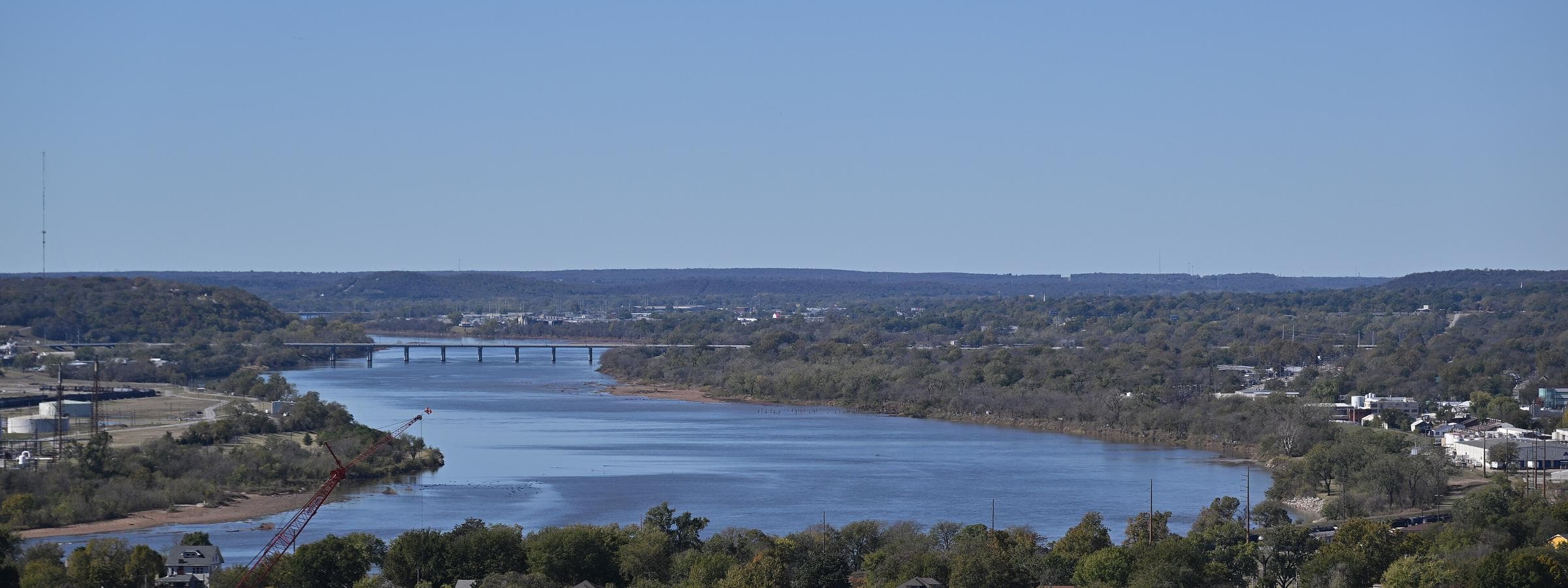
Oklahoma has a ton of reservoir surface area — the Army Corps built dams all over the state, and decades of recreational use means a lot of dropped gear on those lake bottoms. Grand Lake in the northeast is particularly productive. The Arkansas River through Tulsa has old bridge infrastructure worth targeting.
Not fishing Oklahoma? See the best places to magnet fish in all 50 states. New to the hobby? Start with the complete guide to how to go magnet fishing.
Is magnet fishing legal in Oklahoma?
AllowedYes. Oklahoma has no law against magnet fishing and no license or permit for it, whatever a front-line wildlife office may say on a first call. Artifacts from before 1843 are protected under Title 53, most big reservoirs are Army Corps water with day-use rules, and large stretches of Oklahoma water cross tribal land.
Oklahoma Department of Wildlife Conservation doesn't specifically prohibit magnet fishing. The Army Corps manages most major reservoirs, and COE day-use rules apply at those access points. Oklahoma Historical Society handles archaeologically significant finds. The state has some Civil War and pre-statehood history, particularly in the northeastern part of the state — report anything that looks historically significant.
Statute, agency and the local gotcha for every state: Oklahoma in the state-by-state magnet fishing laws guide.
Magnet fishing in Oklahoma — quick info
Recommended Pull Force
Recommended Rope Length
Beginner Difficulty
Typical Water Conditions
Oklahoma has a large reservoir system created by Army Corps dams — Lake Eufaula, Tenkiller, and Keystone are among the biggest. The Arkansas River runs through Tulsa in a channelized corridor with old bridge infrastructure. Grand Lake in the northeast gets heavy recreational boat traffic and has produced a lot of dropped gear over the decades.
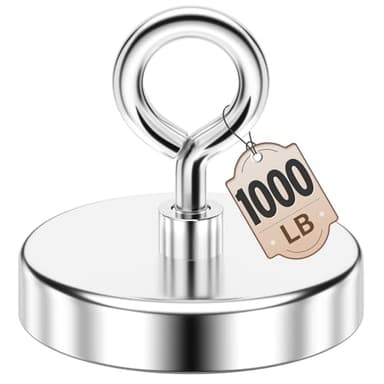
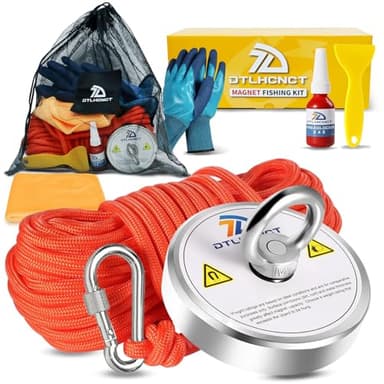
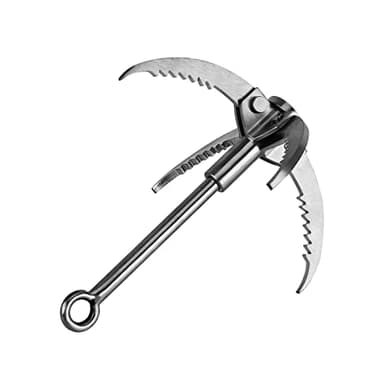
Best magnet fishing gear for Oklahoma
Best magnet fishing spots in Oklahoma
1. Arkansas River at Riverside Park
Tulsa
The Arkansas River runs right through Tulsa and this stretch has decades of foot traffic, old bridges, and boat activity to show for it. People have pulled fishing weights, tools, old bike frames, and the occasional handgun from this area. Access is easy — paved paths, decent parking, and the riverbank is pretty walkable.
2. Arkansas River (Downtown Riverfront)
Tulsa
The stretch of the Arkansas River running through downtown Tulsa has been a working waterway for over a century, and people have been dropping stuff in it just as long. The low-water dams near the Zink Lake impoundment create slower, shallower pockets where iron accumulates — old tools, hardware, even the occasional bicycle frame. Access is solid from the Riverside Drive parkway with plenty of parking along the west bank.
3. Arkansas River (Downtown Stretch)
Tulsa
The Arkansas River through Tulsa has seen over a century of industrial use, bridge construction, and recreational traffic — which means the bottom is a mess of interesting metal. People have pulled bike frames, tools, car parts, and the occasional older coin-era finds from the river banks near the pedestrian bridges. Access is solid with paved trails and multiple entry points along Riverside Drive.
4. Grand Lake O' the Cherokees — Sailboat Bridge Area
Grove
Grand Lake is one of the biggest and most-used reservoirs in the state, and the bridge areas see constant boat and recreational traffic. Old fishing gear, anchors, and dropped tools from dock work are common finds. Parking near the public boat ramps is manageable and the water depth along the bridges runs 10 to 20 feet depending on lake levels.
5. Lake Eufaula (Crowder Creek Arm)
Eufaula
Lake Eufaula is the biggest lake in Oklahoma and it's an Army Corps of Engineers project, which means there's history under that water — old homesteads, roads, and river crossings that got swallowed when the reservoir filled. The Crowder Creek arm is shallower than the main lake and easier to work from the bank or a canoe. People have pulled out old farm equipment parts, anchors, and plenty of fence hardware.
6. Fort Gibson Lake Dam Area
Fort Gibson
Fort Gibson Lake is an Army Corps of Engineers project and one of the oldest reservoirs in Oklahoma, which means stuff has been sinking here since the 1950s. The spillway and tailwater areas below the dam concentrate debris and have produced tools, fishing weights, and older hardware. Bank access near the dam structure is straightforward and the water depth below the spillway is workable.
7. Fort Gibson Lake — US-62 Bridge
Fort Gibson
This Army Corps of Engineers lake sees a ton of recreational boating, and the highway bridge crossing has been dropping things into the water for a long time. Fishing weights, old hardware, and metal debris from past flooding are typical finds here. Keep in mind the Corps rules — you're not supposed to remove historical or cultural artifacts, and this area is within Five Civilized Tribes territory.
8. Tenkiller Ferry Lake (Strayhorn Landing Area)
Vian
Tenkiller is one of the clearest lakes in Oklahoma, which is almost a curse for magnet fishing because you can see what you're not catching. The Strayhorn Landing area has a public boat ramp and a long history of recreational use, meaning decades of dropped anchors, tackle boxes, and miscellaneous metal are sitting on that bottom. Depth runs anywhere from 10 to 40 feet depending on how far out you throw.
9. Lake Eufaula — Fountainhead State Park Boat Ramps
Checotah
Lake Eufaula is the largest lake in Oklahoma and the Fountainhead area has public ramps that see heavy use all year. Dropped gear from boaters, old anchors, and metal debris near the ramp edges are the main draws. The park has solid parking and the ramp areas give you easy water access without scrambling down a bank.
10. Grand Lake O' the Cherokees (Sailboat Bridge Area)
Grove
Grand Lake has been drawing boaters, fishermen, and party barges since the 1940s, and the area around the old Sailboat Bridge near Grove is one of the most active stretches for magnet fishing finds. There's a lot of recreational boat traffic here historically, and that means a lot of dropped hardware. Bank access is decent and the water is 10 to 20 feet deep in most spots near the old bridge footings.
11. McClellan-Kerr Arkansas River Navigation System — Lock 14
Muskogee
The locks along the McClellan-Kerr system are genuinely interesting from a historical angle — commercial barge traffic has moved through here since the 1970s and dropped plenty of metal along the way. Lock 14 near Muskogee has public access areas and the concrete lock walls create natural collection points for debris. People have found chain links, industrial fasteners, and anchor hardware in these stretches.
12. Tenkiller Ferry Lake — Tenkiller State Park Dock Area
Vian
Tenkiller is known for its clear water and it's been a popular swimming and boating lake since the 1950s, which means a lot of stuff has had time to accumulate. The dock areas and old swim zones near the state park are where most people focus. Depth varies but the dock edges typically run 8 to 15 feet.
13. Fort Gibson Lake (Highway 62 Bridge Crossing)
Fort Gibson
Fort Gibson is another Corps of Engineers lake, and the area around the Highway 62 bridge crossing has been fished hard for decades. The town of Fort Gibson itself has deep Civil War-era history, and the old river crossing sites nearby add some historical weight to what you might find. People have reportedly pulled up old military hardware, chains, and ironwork in this general stretch of the Grand River arm.
14. Lake Eufaula — Highway 9 Bridge
Eufaula
Lake Eufaula is the largest lake in Oklahoma and one of the biggest Army Corps reservoirs in the entire country, so there's an enormous amount of submerged history here. The Highway 9 bridge crossing gets consistent recreational fishing and boat traffic, and the bridge pilings have been collecting lost gear, weights, and tackle for decades. Bank access on the south side is easy and there's a gravel pullout that works fine for parking.
15. McClellan-Kerr Navigation System — Lock and Dam 18
Muskogee
The navigation locks on the Arkansas River are industrial-grade history — barges have been moving through here since the 1970s and the lock areas have seen a lot of dropped hardware, chains, and metal equipment over the decades. Access near the public viewing areas is the way to go; don't try to fish right at the lock gates. This is one of those spots where patience pays off.
16. North Canadian River (Overholser Dam Tailwaters)
Oklahoma City
Lake Overholser is one of Oklahoma City's oldest water supply reservoirs, built in the early 1900s, and the tailwater stretch below the dam on the North Canadian River is an interesting spot for exactly that reason — old infrastructure, old iron. The riverbank is accessible from NW 23rd Street and the water is shallow enough in most places to wade. It's urban, so expect the usual urban finds alongside anything older.
17. Canadian River — US-270 Bridge Crossing
McAlester
The Canadian River is wide and sandy in a lot of places but the bridge crossings tend to concentrate finds where current slows and debris settles. The US-270 crossing near McAlester gets decent traffic and the riverbanks are accessible without too much of a hike. Depth is shallow to moderate — usually under 10 feet — which actually makes retrieval easier.
18. Illinois River (Tahlequah Float Section)
Tahlequah
The Illinois River float section near Tahlequah is one of the most popular recreational waterways in Oklahoma, and with that many canoes and tubes going through every summer for the last 60 years, the riverbed is a graveyard of dropped paddles, tackle, and whatever else people lose off floats. The river is clear and shallow — often 3 to 5 feet — which makes bank access easy and snags manageable. Just be aware this is Cherokee Nation territory and cultural resource rules apply.
19. North Canadian River — Overholser Dam Tailwater
Oklahoma City
Lake Overholser is one of the oldest water supply reservoirs in Oklahoma City, built in 1919, and the tailwater below the dam has been accumulating metal for over a hundred years. The North Canadian below the dam has relatively easy bank access and the shallow gravel runs make wading possible in lower water. Older construction-era hardware and mid-century junk are both realistic finds here.
20. Lake Texoma — Eisenhower State Park Shoreline
Denison
Lake Texoma sits right on the Oklahoma-Texas border and it's one of the most visited lakes in the country — that much traffic over that many decades means there's a lot sitting on the bottom. The Eisenhower State Park side has public shoreline access and the swim areas and boat docks are the obvious targets. It's an Army Corps lake, so the same rules about not removing cultural artifacts apply.
21. McClellan-Kerr Arkansas River Navigation System (Robert S. Kerr Lock and Dam)
Sallisaw
The lock and dam infrastructure along the McClellan-Kerr system is genuinely unlike anything else in Oklahoma — this is a commercial navigation system with decades of barge traffic, and the areas downstream of the locks collect interesting stuff. The Robert S. Kerr Lock near Sallisaw is publicly accessible from the Corps viewing area and the tailrace below the dam runs relatively shallow. Old barge hardware, chains, and mooring equipment have all been pulled out of similar spots on this system.
22. Verdigris River — Highway 66 Bridge
Catoosa
The old Route 66 alignment crosses the Verdigris River near Catoosa and this bridge area has been seeing traffic since the highway's peak days in the mid-20th century. The riverbank is accessible and the slow current keeps things from moving too far once they hit the bottom. Mid-century metal finds are plausible here given the highway history, and the spot doesn't get nearly the foot traffic of the more popular lake destinations.
23. Cimarron River — Old US-64 Bridge Site
Kingfisher
Old bridge crossings on the Cimarron are good hunting grounds because the river has shifted course over the years, leaving behind old metal debris from construction and past flood damage. The Kingfisher area has a few of these accessible spots where the river runs near county roads. Wading is often required since the banks aren't always right at the water's edge.
24. Spavinaw Creek (Twin Bridges Area)
Spavinaw
Spavinaw Creek feeds into Grand Lake and the Twin Bridges area where the old highway crosses is a classic small-town bridge spot — decades of people stopping, fishing, and inevitably dropping stuff into the water. The creek runs 3 to 8 feet depending on season and the bottom is mostly gravel with some silt near the bridge footings. Parking is informal but easy, and it's a low-pressure spot compared to the big lakes.
25. Illinois River — Tahlequah City Park Area
Tahlequah
The Illinois River is one of the most floated rivers in Oklahoma and Tahlequah is where a huge portion of that float trip activity starts and ends, which means decades of lost gear is sitting in the shallows. Canoe paddles, fishing weights, belt buckles, and general camping hardware all end up in the river near launch points. The city park access is convenient and the river is shallow enough to wade in most spots, which helps with retrieval.
26. Broken Bow Lake — Hochatown State Park Fishing Pier
Broken Bow
Broken Bow is a deep, clear Ouachita Mountain lake and the fishing pier at Hochatown sees a lot of use from anglers who drop tackle, weights, and the occasional rod over the years. The pier itself gives you a good vantage point and the water under it runs 15 to 25 feet deep. It's a bit of a drive from most of the state but the finds tend to be better preserved because of the water clarity and cold temps.
27. Verdigris River (Claremore Area)
Claremore
The Verdigris River runs through Rogers County and the stretch near Claremore has several old low-water bridge crossings and historic ford sites going back to the early settlement era. The river is part of the McClellan-Kerr navigation system further south, but up near Claremore it's a natural river channel with slower pools and accessible banks. Old iron, nails, and hardware from early-1900s crossings show up here along with the usual modern trash.
28. Sardis Lake — Clayton Area Boat Ramp
Clayton
Sardis Lake sits in the Ouachita Mountain foothills and gets steady recreational use despite being one of the less-hyped reservoirs in the state. The boat ramp area near Clayton has the usual collection of launch-site metal — trailer hardware, anchor chain, dropped tackle boxes, and at least one person's trolling motor based on local reports. The ramp itself provides easy vehicle access and the water depth right off the ramp edge is workable from the bank.
Magnet fishing in Oklahoma — FAQ
Is magnet fishing legal in Oklahoma?+
What do I do if I find something that looks old or historical?+
How much pull force do I actually need for Oklahoma lakes?+
How long of a rope do I need?+
Are the Army Corps of Engineers reservoirs actually worth fishing?+
Do I need to report my finds to anyone?+
Is Oklahoma a good state for beginners?+
Do you need a permit to magnet fish in Oklahoma?+
Can you magnet fish from a bridge in Oklahoma?+
Here are some magnet fishing finds in Oklahoma
- Guns: Several people in Oklahoma have reported finding guns while magnet fishing. For example, in 2019, a man in Tulsa found a loaded 9mm handgun in a lake while magnet fishing.
- Coins: Many people have found coins while magnet fishing in Oklahoma. In one case, a man found a silver dollar from the 1800s while magnet fishing in a river.
- Fishing gear: It's not uncommon for magnet fishers to find fishing gear while searching in lakes and rivers.
- Historical artifacts: Some people have found historical artifacts while magnet fishing in Oklahoma. For instance, in 2021, a group of magnet fishers found a 100-year-old railroad spike while searching in a river.
- Car parts: It's also possible to find car parts while magnet fishing, as many lakes and rivers in Oklahoma have been used as dumping grounds for old vehicles. In one case, a man in Oklahoma City found a rusted car door while magnet fishing in a lake.
Best Magnet Fishing Magnets
Find the best magnet for magnet fishing — from 500 lb beginner picks to 2,000 lb+ heavy hitters.
Find your magnet →Best Magnet Fishing Accessories
Rope, gloves, grappling hooks, buckets, and more — the magnet-fishing accessories that actually matter.
Browse accessories →Best Magnet Fishing Kits
Looking for the best magnet fishing kit? Top picks that bundle a strong magnet, rated rope, and gloves.
See the kits →Pulled something good out of Oklahoma's water?
We're always adding new spots and finds. Share your favorite Oklahomalocation or your best haul and we'll feature it on the site.