
Magnet Fishing in New Mexico: Rio Grande and High Desert Reservoirs
New Mexico isn't flush with water, but what's there is worth fishing. The Rio Grande cuts through some dramatic canyon country and picks up debris from old mining and ranch operations upstream. Elephant Butte is easier and more beginner-friendly. Strong archaeological protection laws here — treat unusual finds…
Not fishing New Mexico? See the best places to magnet fish in all 50 states. New to the hobby? Start with the complete guide to how to go magnet fishing.
Magnet fishing in New Mexico — quick info
Recommended Pull Force
Recommended Rope Length
Beginner Difficulty
Typical Water Conditions
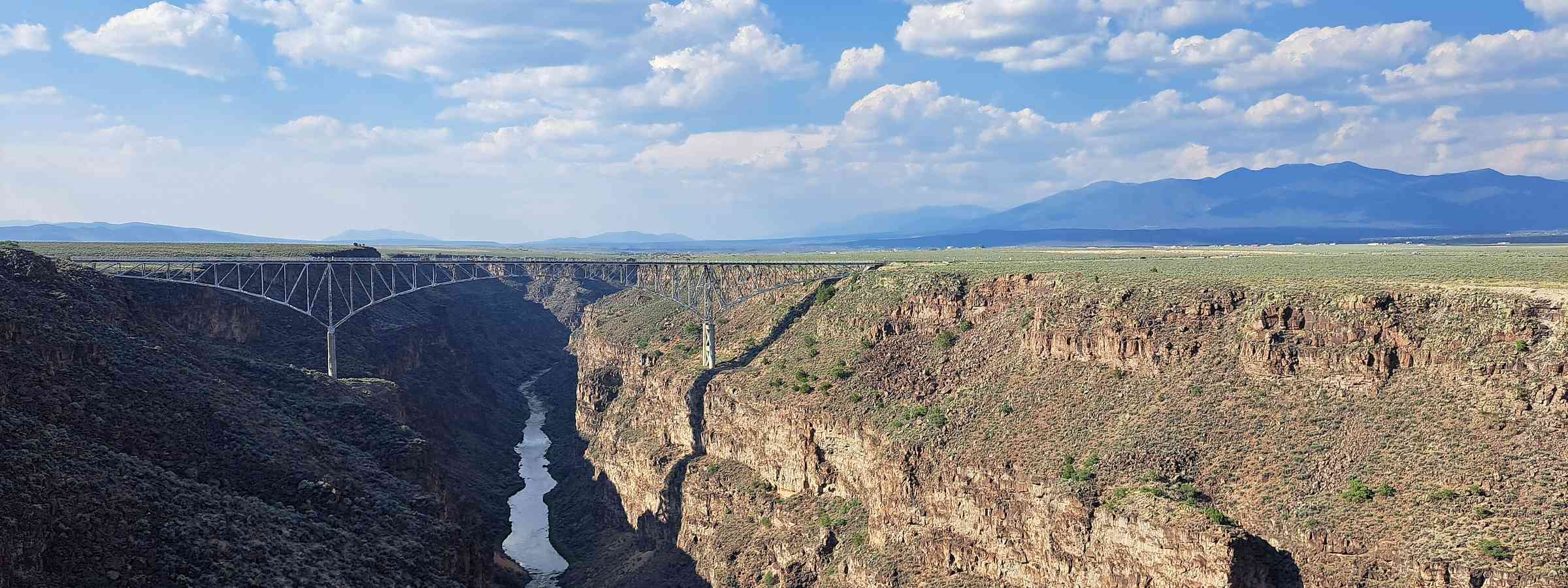
New Mexico is high desert with limited surface water — the Rio Grande is the main river, running fast and cold from Colorado snowmelt through a narrow canyon corridor. Elephant Butte Reservoir is the largest body of water in the state and has decades of recreational boat use. Water levels in reservoirs fluctuate significantly with drought cycles.
Is it legal? New Mexico Game & Fish manages state waters without a specific magnet fishing prohibition. The Rio Grande through New Mexico includes both BLM-managed and State Park sections, each with their own rules. Elephant Butte is managed by the Army Corps and requires a park permit. New Mexico has strong archaeological protection laws, particularly for Native American cultural items.
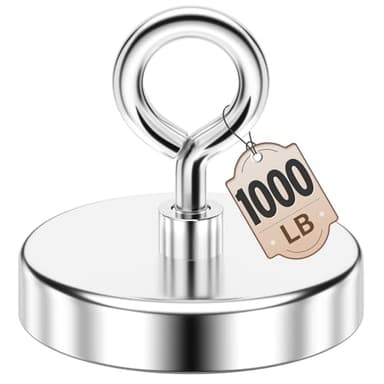
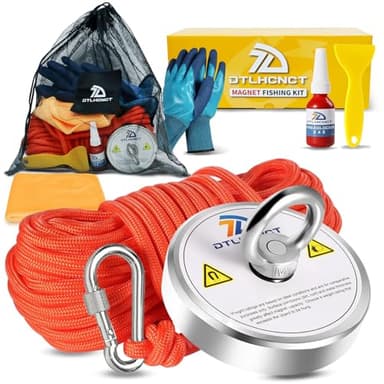
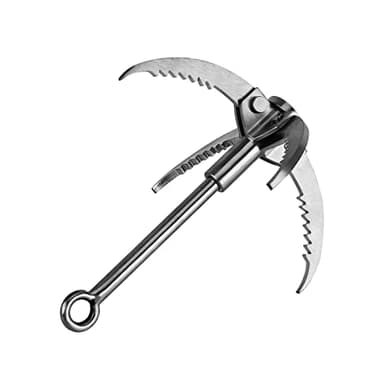
Best magnet fishing gear for New Mexico
Best magnet fishing spots in New Mexico
1. Elephant Butte Reservoir
Truth or Consequences
This is the biggest body of water in New Mexico and it's been collecting submerged junk since the dam went up in 1916 — tools, hardware, old boat parts, and plenty of steel that sank during decades of recreational use. Water levels fluctuate hard with drought cycles, which means shorelines that were underwater last year get exposed and become accessible. Access is decent along the state park beaches, and the ramp areas near the marina are worth working with a magnet.
2. Rio Grande — Albuquerque Bosque
Albuquerque
The stretch of the Rio Grande running through Albuquerque gets heavy foot traffic and has for centuries, which means stuff ends up in it constantly — dropped gear, old iron fencing, lost tools from the bosque trail crews. The riverbanks here are accessible via the Paseo del Bosque trail system and parking is easy at several trailhead lots. Depth is manageable in most spots, especially in late summer when the river runs low.
3. Navajo Lake State Park
Navajo Dam
Navajo Lake sits in the northwest corner of the state and gets consistent recreational traffic from boaters and anglers, which is exactly what you want — more people on the water means more dropped gear. The boat ramps and fishing piers are your best bet here, since that's where anchors, tackle boxes, and fishing equipment tend to end up on the bottom. Access is straightforward with good parking at several points around the lake.
4. Navajo Lake
Navajo Dam
Navajo Lake sits up in the northwest corner of the state and is one of the more consistently full reservoirs New Mexico has — boats have been launching here since the 1960s and the ramp areas are littered with dropped gear, lost anchors, and sunken hardware. The state park has multiple access points and the camping infrastructure means there's almost always someone there, which gives you a sense of what spots see the most traffic. Older boat launch areas near the dam are where I'd start.
5. Rio Grande at Albuquerque (Corrales Bridge area)
Albuquerque
The Rio Grande running through Albuquerque is accessible and not the violent canyon water you get up near Taos — it's slower, shallower in places, and has had a lot of human activity along its banks for a very long time. Old bridges, crossings, and the general urban history of the city make this stretch interesting. Stick to the accessible riverbank areas near the Bosque trail system, and be aware that some sections of the Rio Grande carry Wild and Scenic River protections that prohibit removing objects without authorization.
6. Tingley Beach Ponds
Albuquerque
These urban fishing ponds sit right along the Rio Grande bosque in Albuquerque and see more foot traffic than almost anywhere in the state. That means lost fishing gear, coins, keys, and a surprising amount of random metal ends up on the bottom. The ponds are shallow and the banks are accessible, which makes this one of the easier spots in New Mexico for beginners.
7. Cochiti Lake
Cochiti Lake
Cochiti is a Corps of Engineers reservoir on the Rio Grande north of Albuquerque and it's been a recreational boating spot long enough that the ramp and swim beach areas have accumulated real finds. The lake is managed jointly with Cochiti Pueblo, so knowing where you're allowed to access matters before you go. Shallow coves near the launch areas are good spots to work since motorized boats kick debris off the bottom over time.
8. Conchas Lake
Tucumcari
Conchas is a lesser-visited Corps of Engineers lake out on the eastern plains and the boat ramps there have been used hard since the 1930s dam construction — that's a long time for metal to accumulate near the launch zones. The water is clearer than a lot of New Mexico reservoirs, which isn't saying a lot, but you can sometimes spot targets before you cast. Access is straightforward with a state park pass.
9. Storrie Lake
Las Vegas
Storrie Lake is small but it sits right outside Las Vegas, New Mexico and has been a local recreation spot for generations — generations of people dropping stuff in the water. The launch ramp area is compact, which concentrates the finds. It's a windy spot almost every afternoon, which pushed a lot of blown-off-the-boat gear into the water over the years.
10. Storrie Lake State Park
Las Vegas
Storrie Lake is a small reservoir near Las Vegas, New Mexico — not the Nevada one — and it's been a local recreation spot for generations. Small lakes with consistent local use are often underrated for magnet fishing because the same families come back year after year and leave the same kinds of things on the bottom. The park is compact and access is easy, with the shoreline walkable in an afternoon.
11. Percha Dam State Park — Rio Grande
Arrey
The diversion dam here has been interrupting river flow — and collecting debris — for over a century. Metal objects pile up against the downstream side of the dam over decades of flooding and low water cycles. This stretch of the Rio Grande is not designated Wild and Scenic, which matters legally. Access through the state park is straightforward.
12. Ute Lake
Logan
Ute Lake out near Logan on the Canadian River drainage is one of eastern New Mexico's more popular boating lakes and the marina area has seen decades of activity — anchors, boat hardware, tools, and the usual assortment of stuff that walks off boats. The lake level stays relatively stable compared to the drought-hammered central reservoirs, which means submerged targets stay put. Parking and access at the state park is easy.
13. Ute Lake State Park
Logan
Ute Lake is one of the larger reservoirs in eastern New Mexico and draws a lot of bass fishing tournaments, which means a lot of tackle, anchors, and gear in the water over the years. The Canadian River was dammed here in 1963, so there's been decades of recreational activity building up on the lakebed. The marina area and the boat ramp at the main park area are your best starting zones.
14. Percha Dam State Park
Caballo
Percha Dam on the Rio Grande south of Truth or Consequences is a low diversion dam with a long history of agricultural and irrigation use — the kind of place where old iron implements and hand tools end up in the water over a century of farming activity nearby. The river here is calmer than the gorge sections up north and bank access through the state park is reasonable. It's not a headline spot but the history of use makes it worth a few hours.
15. Abiquiu Lake
Abiquiu
Abiquiu Lake is a Corps of Engineers reservoir on the Rio Chama northwest of Santa Fe and the boat ramp zone there has been active since the 1960s — enough history for hardware to pile up in the launch areas. The lake is close to Georgia O'Keeffe country and gets tourist traffic, but the ramp end is where you want to be, not the scenic overlooks. Water levels fluctuate seasonally but the ramp is usually accessible.
16. Sumner Lake State Park
Fort Sumner
Sumner Lake on the Pecos River is a solid eastern New Mexico option with consistent local fishing and boating traffic. The park has been operational for decades, and the boat ramp and swim beach areas are where dropped gear tends to concentrate. It's a fairly shallow lake compared to the bigger reservoirs, which makes pulling easier and the odds of actually retrieving what you snag a bit better.
17. Caballo Lake
Caballo
Just downstream from Elephant Butte, Caballo Reservoir is quieter and gets overlooked, which is honestly part of the appeal. Decades of boating traffic near the marina has left the usual underwater junk pile of anchors, chains, and hardware. The water clarity is better than Elephant Butte and the shoreline access near the boat ramp is easy to work.
18. Sumner Lake
Fort Sumner
Sumner Lake State Park on the Pecos River sits near Fort Sumner and the water has been used for boating and recreation for decades, with the usual accumulation of dropped gear around the launch zone. Fort Sumner has a lot of history attached to it — Lincoln County War era, Billy the Kid's grave nearby — and the Pecos corridor saw plenty of old cattle-drive crossings, though the lake itself is a reservoir and not an original crossing point. Still, the ramp and swim areas are productive for modern dropped metal.
19. Tingley Beach
Albuquerque
Tingley Beach is a series of urban fishing ponds in Albuquerque's Bosque area, stocked for fishing and used heavily by the public year-round. Urban fishing ponds are almost comically productive for magnet fishing — people lose gear constantly in tight, well-trafficked spots, and nobody's pulling it out. The ponds are small and accessible, which makes them a low-effort spot to get some pulls in without committing to a long drive.
Magnet fishing in New Mexico — FAQ
Is magnet fishing legal in New Mexico?+
Can I keep what I find in the Rio Grande?+
What pull force do I need for the Rio Grande?+
How long a rope do I need at Elephant Butte Reservoir?+
Is Elephant Butte a good spot for magnet fishing?+
Do I need a permit to magnet fish in New Mexico?+
Why is magnet fishing rated moderate difficulty in New Mexico?+
Here are some magnet fishing finds in New Mexico
Magnet fishing in New Mexico, with its rich cultural history and diverse landscapes, offers enthusiasts a unique opportunity to uncover a wide array of finds that range from modern-day trash to historically significant artifacts. Given New Mexico's history, which spans from Native American settlements to Spanish colonization, and its role in the American West's development, magnet fishers in this region have reported discovering:
- Historical Tools and Weapons: Items from different eras, such as old farm tools, horseshoes, and even weapons like guns or parts of guns, which may date back to periods of settlement or conflict.
- Railroad Memorabilia: Due to New Mexico's significant history with the railroad, enthusiasts often find railroad spikes, tools, and other metal artifacts associated with the historic railroad expansion across the West.
- Coins and Jewelry: These finds can range from recent drops to older, potentially valuable pieces that reflect the diverse groups of people who have traversed and settled in New Mexico over the centuries.
- Fishing Gear and Boating Equipment: Given the state's numerous lakes and rivers, it's common to recover lost or discarded fishing hooks, lures, and parts of boating equipment.
- Personal Items: Keys, pocket knives, watches, and other personal items frequently end up being retrieved, offering a glimpse into the daily lives of individuals across different times.
- Industrial Debris: Pieces from past mining operations, agricultural tools, and other industrial artifacts that speak to New Mexico's economic history.
While magnet fishing in New Mexico can yield exciting and sometimes valuable finds, it's also a reminder of the state's layered history, reflecting the lives and activities of its inhabitants over the years. As always, it's crucial for those participating in this hobby to respect local laws and guidelines, especially regarding the handling of historical artifacts and conducting activities in protected or private areas.
Best Magnet Fishing Magnets
Find the best magnet for magnet fishing — from 500 lb beginner picks to 2,000 lb+ heavy hitters.
Find your magnet →Best Magnet Fishing Accessories
Rope, gloves, grappling hooks, buckets, and more — the magnet-fishing accessories that actually matter.
Browse accessories →Best Magnet Fishing Kits
Looking for the best magnet fishing kit? Top picks that bundle a strong magnet, rated rope, and gloves.
See the kits →Pulled something good out of New Mexico's water?
We're always adding new spots and finds. Share your favorite New Mexicolocation or your best haul and we'll feature it on the site.