
Magnet Fishing in Wisconsin: Great Lakes Ports and Mississippi Country
Wisconsin has a lot going for it — Great Lakes harbor access, the Mississippi lock system, and thousands of inland lakes with decades of recreational use. Milwaukee's harbor and the Green Bay area have real industrial and maritime history. DNR is pretty hands-off about it, and public trust doctrine gives you solid…
Not fishing Wisconsin? See the best places to magnet fish in all 50 states. New to the hobby? Start with the complete guide to how to go magnet fishing.
Is magnet fishing legal in Wisconsin?
Permit requiredOnly with a permit on most public water. Wisconsin requires a Field Archaeology permit under Wisconsin Statutes § 44.47 to recover objects from state-managed waters, which covers most lakes and navigable rivers. A private pond with the owner's permission doesn't need one, and no fishing license is involved either way.
Wisconsin is one of the few states with a broad statewide permit rule rather than case-by-case enforcement. The Wisconsin Historical Society and the DNR Burials office handle the Field Archaeology permit, and turnaround runs six to eight weeks, so apply in early spring for a summer season. Public trust doctrine still gives you strong shoreline access once you have it, and Army Corps lock and dam sites on the Mississippi have their own access rules.
Statute, agency and the local gotcha for every state: Wisconsin in the state-by-state magnet fishing laws guide.
Magnet fishing in Wisconsin — quick info
Recommended Pull Force
Recommended Rope Length
Beginner Difficulty
Typical Water Conditions
Wisconsin has Lake Superior and Michigan coastlines, the Mississippi River border, the Wisconsin and Fox rivers, and thousands of inland glacial lakes. Lake Michigan access around Milwaukee and Green Bay has good recreational harbor infrastructure. The Mississippi border from Prairie du Chien to Superior has classic lock and dam structure from the Army Corps. Interior lakes see heavy recreational use.
Best magnet fishing gear for Wisconsin
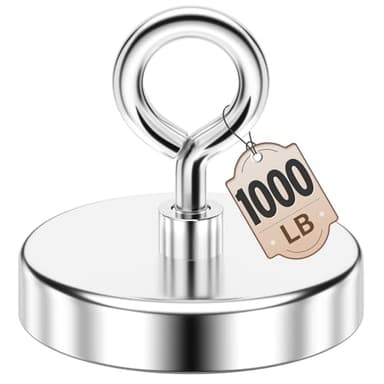
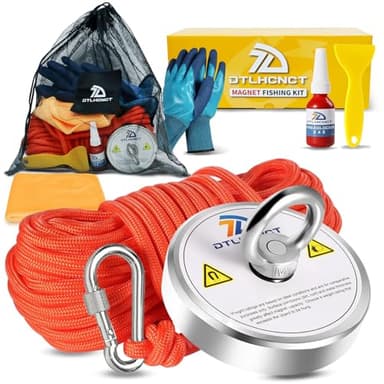
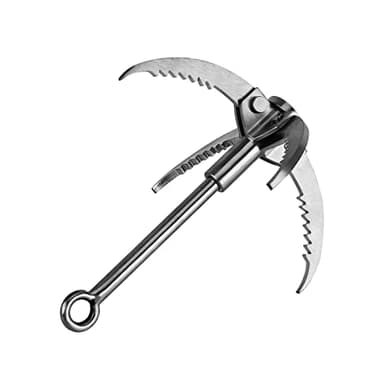
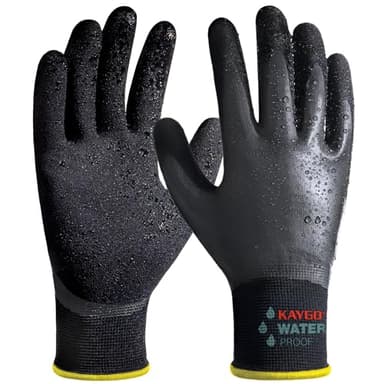
Best magnet fishing spots in Wisconsin
1. Milwaukee River (Downtown)
Milwaukee
The Milwaukee River running through downtown has decades of urban and industrial history sitting on its bottom — tools, hardware, old iron, and the occasional vintage find from the bar and warehouse district that used to line these banks. Access is easy from Riverside Park and the Beerline Trail, with paved paths right along the water. Depth is manageable, usually 8 to 15 feet near the banks, and the current is slow enough that your magnet doesn't drag too badly.
2. Milwaukee River — Downtown Riverwalk
Milwaukee
This stretch of urban river runs through one of Wisconsin's biggest cities, which means decades of dropped, tossed, and forgotten metal sitting on the bottom. People have pulled knives, chains, bike frames, and old tools out of here. Access is dead simple — the Riverwalk is paved and public, parking garages are everywhere, and the water is shallow enough in most spots to work a rope without going full deep-water rigging.
3. Milwaukee River (Downtown Stretch)
Milwaukee
The downtown Milwaukee River corridor has decades of urban industrial history sitting on the bottom — old hardware, steel fittings, chains, and plenty of things tossed off bridges that people probably regret. Access is easy from Riverwalk paths on both banks, and there are multiple drop points with decent depth right off the pedestrian bridges. People have pulled coins, tools, and a surprising amount of old iron from this stretch.
4. Menomonee River (Menomonee River Parkway)
Wauwatosa
The Menomonee has an industrial past that runs all the way through the Milwaukee metro, and the parkway stretch near Wauwatosa gives you long, accessible banks with shallow to mid-depth water that's easy to work. People have pulled bolts, old tools, and rusted metal from what used to be manufacturing-adjacent land along this corridor. Parking is straightforward at multiple parkway pull-offs.
5. Menomonee River — Valley Industrial Corridor
Milwaukee
The Menomonee runs through what used to be one of the most industrial stretches in the Midwest — tanneries, foundries, machine shops, all of it dumping adjacent to or over this river for over a century. That history means the riverbed is genuinely interesting, not just rusty bolts. Access points exist near Menomonee Valley Park and along Canal Street, and the river isn't deep — most spots are chest-wader depth or less.
6. Menomonee River (Menomonee Valley Section)
Milwaukee
This part of the Menomonee ran through the heart of Milwaukee's old industrial district — meatpacking, tanneries, rail yards right on the banks. That history means the riverbed has been collecting metal since the 1800s. Shallow enough in spots to see what you're working with, and the valley trail gives you good walking access to hit multiple spots in one session.
7. Mississippi River (Riverfront)
La Crosse
The Mississippi River at La Crosse is broad and historically rich — this stretch was a major fur trade corridor, a steamboat route, and a working commercial waterway for over a century. The riverfront park area gives easy public access, and the sheer volume of boat traffic over the decades means there's no shortage of dropped or discarded metal on the bottom. Current can be strong mid-river, so stick to the slower water near the banks and below the boat landings.
8. Fox River — De Pere Dam Area
De Pere
The Fox River was a major fur trade corridor for hundreds of years, and the De Pere area specifically has seen everything from Native American trade to heavy industrial use in the 19th and 20th centuries. The dam creates current breaks where metal collects, and people have found older tools and hardware here that you just don't find in newer urban spots. Public access is solid from the De Pere Riverwalk, and parking is easy near the bridge.
9. Fox River (Downtown Bridges Area)
Oshkosh
The Fox River was the backbone of Wisconsin's fur trade era, and Oshkosh sat right in the middle of heavy commercial and logging traffic for over a century. The bridge pilings in the downtown stretch have been collecting dropped and dumped metal for a long time. Access from city parks and public walkways is solid, and parking isn't a headache the way it is in bigger cities.
10. Green Bay Harbor
Green Bay
Green Bay Harbor sits at the mouth of the Fox River where it meets Lake Michigan's Green Bay, and that combination of industrial port history plus the Fox River fur trade route makes the bottom here genuinely interesting. Old dock hardware, boat parts, and industrial scrap have been turning up here for years. There's public access along the waterfront trail and near the Broadway Bridge area.
11. Mississippi River — Riverside Park Boat Launch
La Crosse
La Crosse sits right on the Mississippi, and this stretch of river has boat traffic going back to the steamboat era. The Riverside Park launch area gives you clean access to water that has swallowed anchors, chains, engine parts, and things people would rather not admit. The Mississippi here runs deep in the channel but has shallower backwater areas near shore where most finds happen. Keep in mind this corridor has documented archaeological significance — don't pull anything that looks genuinely old and structural.
12. Mississippi River (Riverside Park Access)
La Crosse
La Crosse sits right on the Mississippi where barge traffic, steamboat history, and river commerce have been running for well over 150 years. Riverside Park gives you a long stretch of public riverbank with easy access and room to work. People have found anchors, chains, tools, and old iron fittings — though be aware the Mississippi corridor has documented archaeological resources, so use some judgment about what you're disturbing.
13. Fox River (Below the Lawrence Street Dam)
Appleton
Below dams is almost always productive for magnet fishing, and the Fox River at Appleton is no exception — the water slows down, debris settles, and anything that's been moving downstream eventually parks itself on the bottom. The Fox has been a working industrial river for well over a hundred years, so the variety of what's down there is genuinely unpredictable. Bank access near Telulah Park and the riverfront trail puts you right where you want to be.
14. Chippewa River — Bridge Street Bridge
Eau Claire
The Chippewa River runs through downtown Eau Claire and under several bridges that have been there long enough to collect a century of dropped and thrown metal. Bridge spots are almost always productive — people have been tossing things off bridges forever, for all kinds of reasons. The riverbanks have public access near Phoenix Park, the water is moderate depth, and parking is available in the downtown area.
15. Lake Monona (John Nolen Drive Shoreline)
Madison
Lake Monona has been a recreational hub for Madison for generations, and the John Nolen Drive shoreline gives you urban lake access with a long history of boat traffic, fishing, and public activity. It's a calmer, more forgiving spot than river fishing — no current to fight — and the bottom is relatively shallow near the edges. Finds tend to be recreational stuff: fishing gear, coins, the occasional tool.
16. Lake Monona (John Nolen Drive Causeway)
Madison
Lake Monona runs right through the middle of Madison, and the causeway and park areas along John Nolen Drive have been popular recreational and commuter corridors for decades — which means plenty of things have gone over railings and off docks into the water. The lake bottom is soft and the depth near the banks is accessible, usually under 15 feet. Parking is decent at Olin Park and along the causeway.
17. Sheboygan Harbor — Marina and Pier Area
Sheboygan
Sheboygan Harbor opens onto Lake Michigan, and the marina and pier area has had boat traffic, fishing activity, and general harbor chaos for well over a hundred years. Anchors, hooks, chains, and tackle are the common finds, but the harbor also has older layers from its commercial fishing and shipping past. The pier and harbor wall give you good footing and easy casting angles, and it's one of the more accessible harbor spots on the Wisconsin Lake Michigan coast.
18. Chippewa River (Bridge Street Crossing)
Eau Claire
The Chippewa was a major logging river, and Eau Claire was one of the biggest sawmill towns in the country during the late 1800s. A lot of old iron went into that river during that era and stayed there. The Bridge Street area has public bank access and the river runs at a workable depth for magnet fishing without needing anything fancy.
19. Chippewa River (Phoenix Park)
Eau Claire
The Chippewa River at Phoenix Park in Eau Claire gives you a clean, accessible stretch of a river that historically served as a major log-driving corridor during Wisconsin's timber boom era. That logging history means old iron hardware — chains, hooks, tools — is legitimately possible. The park has solid riverfront access with paths right along the bank, and the water is clear enough that you can sometimes see what you're pulling toward you.
20. Rock River — Indianford Dam Tailwaters
Indianford
Below the Indianford Dam, the Rock River slows and drops things that have been carried downstream — tools, hardware, old fasteners, and the occasional bigger piece of iron that makes the trip worth it. Dam tailwaters concentrate finds in a predictable way that random riverbank spots just don't. Access is off County Road N, there's informal parking near the dam, and the water is wadeable in most seasons.
21. Sheboygan Harbor
Sheboygan
Sheboygan sits on Lake Michigan and has a working harbor that's been active since the mid-1800s, which means the bottom around the harbor piers and the Sheboygan River mouth has accumulated a long history of commercial and recreational boat traffic. Old dock anchors, boat hardware, and assorted iron have been found here. The marina area and Deland Park give you public bank access without much hassle.
22. Menominee River — Marinette Waterfront
Marinette
The Menominee forms the border between Wisconsin and Michigan, and the Marinette waterfront has industrial history going back to the lumber era — this was a major sawmill town, and rivers that ran sawmills tend to have interesting metal in them. The waterfront area near the marina has public access, the river is tidal-influenced here where it meets Green Bay, and finds have included old hardware, chains, and logging-era iron. It's a spot most people outside the area don't know about.
23. Wisconsin River (Dekorra Area)
Portage
Portage sits at the historic portage point between the Fox and Wisconsin Rivers — one of the most strategically important spots in the old fur trade network. People have been crossing and working this stretch of the Wisconsin River for centuries, and the metal finds reflect that long history. The river bottom is sandy in spots, which makes retrieval cleaner than a silty urban river.
24. Wisconsin River (Grandfather Falls Area)
Merrill
The Wisconsin River north of Merrill runs through a corridor that was historically important for the logging industry, and the river itself was used to float timber for decades — leaving behind chains, ring bolts, and hardware that's been on the bottom for over a century. Current varies, but the eddies and slower water near the banks are very fishable. The area has accessible pull-offs along Highway 107.
25. Wisconsin River — Merrill Bridge Area
Merrill
Merrill sits in the middle of the Wisconsin River valley and the bridge area downtown is an old crossing with a long history of river traffic. The Wisconsin River had log drives running through it for decades, and iron hardware from that era still shows up. The banks near the bridge are accessible, the river runs moderate depth here, and you're not competing with a crowd — this isn't a well-known magnet fishing spot yet.
26. Manitowoc Harbor
Manitowoc
Manitowoc has serious maritime history — it was a major shipbuilding city on Lake Michigan, including World War II submarine construction. The harbor area has layers of industrial and nautical history sitting in the water, and public pier access makes it approachable. Just be aware that documented shipwrecks in Wisconsin's Lake Michigan waters are protected, so stick to the harbor interior and not open lake bottomland.
27. Rock River (Riverside Park)
Janesville
The Rock River runs right through Janesville and Riverside Park puts you directly on the bank with easy access and parking. The Rock has been a working and recreational river through a heavily populated part of southern Wisconsin for a long time, and the park area has hosted everything from boat launches to public gatherings — the kind of regular human activity that reliably deposits metal in water over decades. Depth near the banks runs shallow to moderate, which makes retrieval easier.
28. Racine Harbor — Root River Confluence
Racine
Where the Root River meets Lake Michigan at Racine Harbor, you get two different types of water history colliding — urban river industrial runoff from upstream Racine and the deep harbor that's handled commercial and recreational boat traffic for generations. Finds here have included anchor hardware, fishing gear, and old boat fittings. The harbor wall and Root River mouth both offer accessible casting spots, and the lakefront area has parking near the lighthouse.
29. Yahara River (Between Lakes Mendota and Monona)
Madison
The Yahara connects Madison's chain of lakes and runs through a mix of urban parkland and older residential neighborhoods. It's a slower, shallower river and genuinely easy to work — you can see the bottom in a lot of spots, which helps a ton when you're learning to read the water. Finds are typically recreational and everyday lost items, but the consistent foot traffic and bridge history means there's always something down there.
Magnet fishing in Wisconsin — FAQ
Is magnet fishing legal in Wisconsin?+
What do I do if I find something that looks like it could be historically significant?+
How much pull force do I actually need for Wisconsin lakes and rivers?+
How long should my rope be for Wisconsin spots?+
Can I magnet fish on Lake Michigan or Lake Superior shorelines?+
What's the most common stuff people actually find in Wisconsin waters?+
Do I need a fishing license to magnet fish in Wisconsin?+
Is it safe to fish near the Mississippi River dams?+
How do I get a Wisconsin magnet fishing permit?+
Here are some magnet fishing finds in Wisconsin
- Guns: In 2019, a man in Green Bay found a loaded handgun while magnet fishing in the Fox River. In 2021, another man found a rusted gun while magnet fishing in the Milwaukee River.
- Bicycles: People have found several bicycles while magnet fishing in Wisconsin, including a vintage Schwinn bike found in the Menomonee River in 2019 and a BMX bike found in Lake Monona in 2021.
- Tools: Magnet fishers have found various tools while fishing, including wrenches, pliers, hammers, and screwdrivers. In 2020, a man in Milwaukee found a box of antique tools while magnet fishing in the Menomonee River.
- Jewelry: Some people have found jewelry while magnet fishing, such as a woman in Milwaukee who found a silver ring in the Milwaukee River in 2021.
- Historical artifacts: In 2020, a man in Milwaukee found a rusted Revolutionary War-era musket while magnet fishing in the Menomonee River. The musket was turned over to a local historical society.
Best Magnet Fishing Magnets
Find the best magnet for magnet fishing — from 500 lb beginner picks to 2,000 lb+ heavy hitters.
Find your magnet →Best Magnet Fishing Accessories
Rope, gloves, grappling hooks, buckets, and more — the magnet-fishing accessories that actually matter.
Browse accessories →Best Magnet Fishing Kits
Looking for the best magnet fishing kit? Top picks that bundle a strong magnet, rated rope, and gloves.
See the kits →Pulled something good out of Wisconsin's water?
We're always adding new spots and finds. Share your favorite Wisconsinlocation or your best haul and we'll feature it on the site.