
Magnet Fishing in Iowa: Big Rivers and Lock Infrastructure
Iowa sits between two of the biggest rivers in the country, and both borders are worth fishing. The Mississippi lock and dam system around Dubuque and Burlington is particularly good — lots of old hardware from generations of river traffic. Interior rivers are slower and easier for beginners.
Not fishing Iowa? See the best places to magnet fish in all 50 states. New to the hobby? Start with the complete guide to how to go magnet fishing.
Magnet fishing in Iowa — quick info
Recommended Pull Force
Recommended Rope Length
Beginner Difficulty
Typical Water Conditions
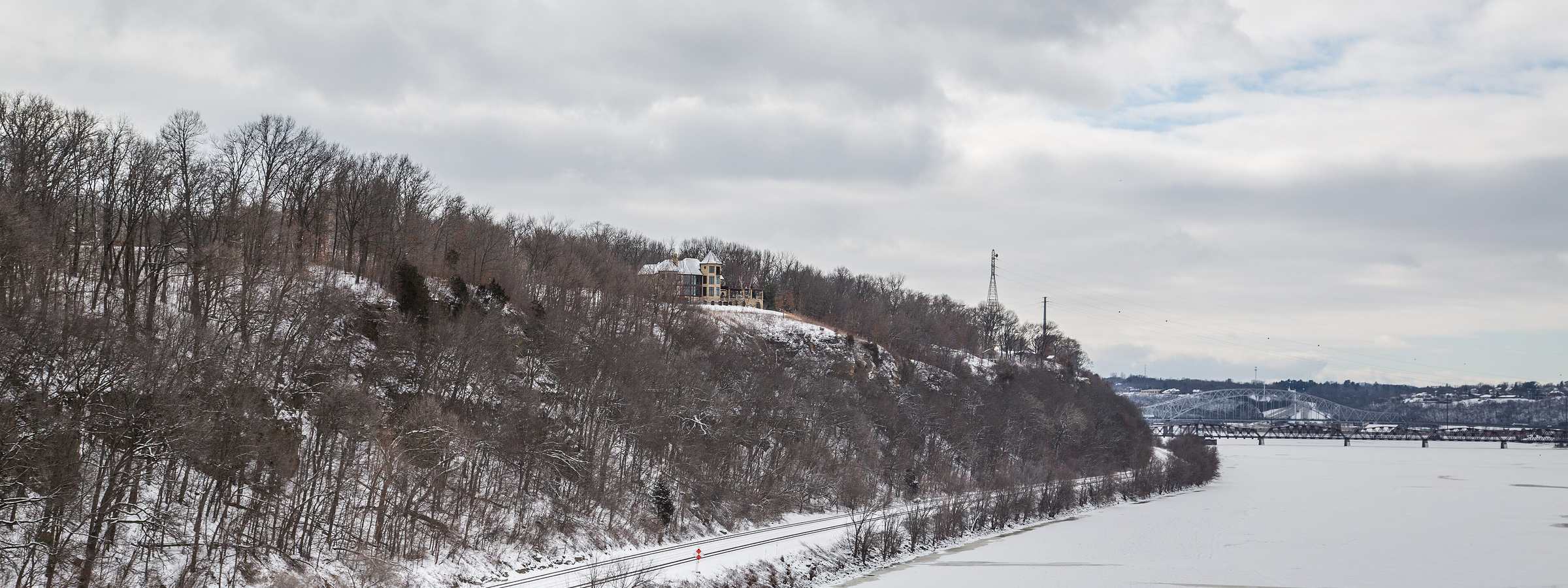
Iowa has the Mississippi on its eastern border and the Missouri on its western edge, with the Des Moines River cutting through the middle. The Mississippi here has significant lock and dam infrastructure from the Army Corps, and those areas tend to accumulate a lot of dropped hardware. Interior rivers are slow and silt-heavy with poor visibility.
Is it legal? Iowa DNR doesn't have a specific magnet fishing regulation, and public access to navigable waterways is generally protected. Army Corps lock and dam sites have their own access rules, so check with the Corps if you're planning to fish near that infrastructure. Iowa's State Archaeologist office handles any finds that might be culturally significant.
Best magnet fishing gear for Iowa
Best magnet fishing spots in Iowa
1. Mississippi River - Dubuque Harbor
Dubuque
This stretch of the Mississippi has been a working commercial waterway since the 1800s, and the harbor bottom shows it. People have pulled out old iron hardware, chains, anchor components, and the occasional piece of machinery that fell off barges over the decades. Access is solid along the riverfront, parking is easy downtown, and the water runs deep enough that you want a good long rope.
2. Mississippi River — Credit Island Park
Davenport
Credit Island sits in the middle of some of the most historically trafficked water on the upper Mississippi, and the bottom here has been collecting debris from commercial river traffic for well over a century. People have pulled old anchors, chain sections, and enough iron hardware to fill a truck bed. Access is easy — there's a park road that gets you right to the water's edge with decent parking.
3. Mississippi River - Credit Island Park
Davenport
Credit Island sits in the Mississippi and has seen flooding, Civil War-era river traffic, and over a century of industrial activity along the Davenport waterfront nearby. The shallow edges around the island are accessible and have produced old iron fittings, tools, and general river junk going back generations. Parking is right there in the park, and the shallower spots make it a decent entry point if you haven't done a lot of river fishing.
4. Mississippi River - Eagle Point Park Shoreline
Dubuque
Dubuque was a major Mississippi port town going back to the mid-1800s, and the riverbank near Eagle Point has accumulated a serious amount of old metal over that time. People have pulled out boat hardware, old tools, and pieces of commercial rigging along this stretch. Parking at Eagle Point Park is straightforward, and the bluff access trails get you down to the water without too much scrambling.
5. Missouri River — Riverside Park Boat Ramp
Council Bluffs
The Missouri moves fast and carries a lot of silt, but the areas around old boat ramps are where things settle and stay. This spot has produced old tools, engine parts, and a surprising amount of old iron that looks like it's been down there since the early commercial ferry days. Parking is right there at the ramp, and you can work the shallower edges without wading in.
6. Des Moines River - Confluence Park
Des Moines
Where the Raccoon River meets the Des Moines River, you've got two waterways worth of lost stuff converging in one spot. It's a slower, muddier pull than the Mississippi, but people have found old farm tools, iron pipe, and general debris that's been rolling downriver for decades. Parking is right off Fleur Drive and the bank access is straightforward.
7. Des Moines River - Birdland Marina Area
Des Moines
The Des Moines River runs right through the city, and the marina area near Birdland Park has decades of recreational boat traffic layered on top of older urban dumping history. Fishing weights, boat anchors, old tools, and the occasional bicycle come up here pretty regularly. Street parking along Riverside Drive is easy, and the riverbank is accessible without any serious hiking.
8. Des Moines River — Birdland Marina
Des Moines
Birdland Marina sits on a stretch of the Des Moines River that's seen decades of recreational boat traffic on top of older industrial use, which means there's a solid layer of accumulated junk on the bottom. Finds here have included boat hardware, old tools, and the occasional chunk of iron that nobody can quite identify. The marina area gives you easy bank access and there's parking without much of a hike.
9. Iowa River - City Park Bridge
Iowa City
The Iowa River running through Iowa City has a long history of use and the bridges in the park area are old enough that plenty of stuff has gone in over the years. College towns are surprisingly good for magnet fishing — bikes, scooters, and the occasional piece of campus hardware show up regularly. The park gives you easy bank access and the bridges are close enough to work methodically.
10. Cedar River - Czech Village Riverfront
Cedar Rapids
Cedar Rapids had major flooding in 2008 that shifted a lot of debris into the Cedar River and left it there. The Czech Village riverfront area has been a hot spot since then — people find tools, engine parts, and all kinds of flood-displaced metal that's been sitting in the mud ever since. Access off 16th Avenue SW is simple, and the banks here are relatively gentle with decent footing.
11. Mississippi River — Eagle Point Park
Dubuque
Dubuque's stretch of the Mississippi was a serious commercial and industrial hub going back to the 1800s, and Eagle Point puts you right on the water with a great angle on what used to be a heavily used shipping corridor. The rocky bottom here holds stuff that the current can't drag away, and people have found old hardware, chain, and iron fittings that look like they came off working boats. There's a paved lot at the park and the bank is accessible without too much scrambling.
12. Missouri River - Lewis and Clark State Park
Onawa
The Missouri River along Iowa's western edge is a completely different animal than the Mississippi — faster historically, more volatile, and with a lot of old agricultural and early settlement history buried in its banks and bottom. This stretch near Onawa sees less pressure than the eastern river spots, which means less competition and more untouched bottom. The park has decent launch access and parking.
13. Iowa River - City Park Bridge Area
Iowa City
The Iowa River through Iowa City has been drawing foot traffic and boat traffic for well over a century, and the old bridge footings near City Park are natural catch-points for anything that's been tossed or fallen in over the years. Coins, old tools, bike frames, and scrap iron come up around the bridge supports. Parking at City Park is plentiful, and the riverbank is flat and easy to work.
14. Cedar River — Seminole Valley Park
Cedar Rapids
The Cedar River runs slow and brown through here, and the park access point puts you near an older bridge crossing that's been pulling iron from the bottom for years. Old bridge hardware, rebar sections, and general farm-country iron show up pretty regularly. The bank is gentle and grassy, easy to work from, with parking close by.
15. Cedar River - Seminole Valley Park
Cedar Rapids
Cedar Rapids sits right on the Cedar River, and the flood history here is significant — the 2008 floods moved an enormous amount of material around and deposited debris in spots that are now accessible from the bank. Old iron shows up regularly, along with storm drain hardware and industrial bits from the city's manufacturing past. The park gives you good bank access without a lot of bushwhacking.
16. Missouri River - Riverside Park Boat Launch
Council Bluffs
The Missouri along Council Bluffs runs deep and fast, but the boat launch area at Riverside Park creates a calmer eddy where heavy stuff settles out. Old anchors, chain, engine hardware, and boat parts are common finds here because of how long this stretch has served river traffic. The ramp gives you paved access right to the water's edge, which is a bonus when you're hauling gear.
17. Iowa River — City Park Bridge
Iowa City
The old bridge at City Park has been there long enough that generations of stuff has gone over the railing, and the river bottom underneath it is a pretty reliable producer. Coins, tools, old bike frames, and random iron hardware come up here more than you'd expect for a college town park. It's a short walk from the parking lot and the bank is accessible on both sides of the bridge.
18. Maquoketa River - Mouth at Mississippi
Bellevue
Where a tributary dumps into the Mississippi, stuff accumulates. The Maquoketa River's mouth near Bellevue is one of those quiet spots that doesn't get talked about much but has real history behind it — old ferry crossings operated in this area and the river bottom has produced iron hardware consistent with 19th century river use. Bellevue State Park is close and the bank access is manageable.
19. Maquoketa River - Stone City Bridge
Maquoketa
The old Stone City Bridge area crossing the Maquoketa River has a long history as a local crossing point, and the river bottom near the old stone piers holds a surprising amount of old iron. Farm equipment parts, old hardware, and structural metal from past bridge repairs all end up here. It's a quieter spot than the big river locations, parking is on the road shoulder, and the water is shallow enough to be pretty manageable.
20. Coralville Reservoir — Old Dam Area
Coralville
The Coralville Reservoir was created when the Army Corps dammed the Iowa River, and when they did that, they left a lot of old infrastructure and farm equipment underwater in the flood zone. Low water years expose some of this stuff, and even at normal levels the edges of the old channel produce old iron pretty consistently. There's boat ramp access and bank fishing areas that double nicely as magnet fishing access.
21. Saylorville Lake - North Overlook Area
Johnston
Saylorville is a Corps of Engineers reservoir on the Des Moines River, and the land it flooded had farms, roads, and structures on it before the dam went in. When water levels drop, the old shorelines become accessible and people have found farm equipment pieces, old fencing hardware, and general iron debris that was just sitting underwater for decades. North Overlook gives you decent bank access and parking.
22. Mississippi River - Ft. Madison Riverfront
Fort Madison
Fort Madison sits on a bend in the Mississippi and has one of the oldest continuously operated swing bridges in the country right there on the waterfront. The area under and around that bridge is a magnet fishing goldmine — old bolts, chain, structural hardware, and lost fishing gear pile up in the current break below the swing span. Riverfront Park has parking and gives you a clean angle on the bank below the bridge.
23. Skunk River — Highway 34 Bridge
Oskaloosa
The Skunk River is exactly what it sounds like — a slow, murky agricultural waterway that drains a lot of farmland — and the bridge crossings on it are where the iron accumulates. Old farm equipment pieces, chain, and cast iron chunks show up here because this river has basically been a drainage ditch for working farms for over a hundred years. Access from the highway right-of-way is pretty simple and the water is shallow enough to see what you're working with in spots.
24. Turkey River - Backbone State Park
Dundee
The Turkey River is a clear, rocky northeast Iowa stream that's a little different from the muddy ag rivers further south. Backbone State Park sits along it and the area has been a recreation spot for over a century, which means lost gear, old tools, and fishing hardware have been accumulating in the holes for a long time. The water is shallow enough to see what you're working with most of the time.
25. Skunk River - Highway 34 Bridge
Ottumwa
The Skunk River doesn't sound glamorous but this stretch near Ottumwa has a long history of agricultural and industrial use, and the bottom near the Highway 34 crossing has the old farm-equipment debris to prove it. Pulley hardware, old fencing tools, and unidentifiable iron chunks are typical finds here. Shoulder parking off the highway is workable, and the banks slope gently down to a pretty manageable depth.
26. Wapsipinicon River — Stone City Access
Anamosa
Stone City was a genuine quarrying operation in the 1800s and early 1900s, and the Wapsi running through here has absorbed a fair amount of the iron that went with that industry over the decades. Old tools, wagon hardware, and iron fittings have come out of this stretch. The county access point puts you right on the bank and it's an easy, low-pressure spot that doesn't get the crowds some of the bigger river spots do.
27. Wapsipinicon River - Central Park Bridge
Independence
The Wapsipinicon runs through Independence and the old bridge crossings in town are worth working. It's a classic small-city Iowa river situation — old enough that there's real history in the water, slow enough that your magnet doesn't drift too far, and quiet enough that you're not competing with other magnet fishers. People have pulled old iron bridge hardware and general farm-country debris from this stretch.
28. Turkey River - Elkader Historic District Bridge
Elkader
Elkader's historic stone arch bridge over the Turkey River is one of the oldest in Iowa, and the river bottom around its piers has been collecting metal since the 1800s. Old hardware, tools, and structural iron from past repairs and local activity accumulate in the slower water near the arches. The town itself is small and the riverbank access is easy right off the main street — this is a low-key spot that doesn't get a lot of magnet fishing pressure.
29. Big Creek Lake — North Cove
Polk City
Big Creek is a reservoir with a lot of recreational boat traffic history, and the north cove area near the old access points has accumulated the kind of hardware that falls off boats and docks over decades — propellers, anchors, cleats, and plenty of random iron. The water is clearer than most Iowa spots and the bottom is sandy-gravel, which makes for easier retrieval. There's a state park boat ramp nearby and the bank is walkable.
Magnet fishing in Iowa — FAQ
Is magnet fishing legal in Iowa?+
What do I do if I pull up something that looks historically significant?+
What pull force do I need for Iowa's rivers?+
How much rope should I bring for Iowa spots?+
Are the Army Corps lock and dam sites on the Mississippi worth fishing?+
What's the hardest part of magnet fishing Iowa's rivers?+
Do I need to report what I find in Iowa?+
Here are some magnet fishing finds in Iowa
- In 2020, a magnet fisherman in Cedar Rapids, Iowa, found a safe containing $2,000 in cash, a passport, and other personal documents in the Cedar River.
- In 2019, a magnet fisherman in Davenport, Iowa, found a handgun in the Mississippi River.
- In 2018, a magnet fisherman in Des Moines, Iowa, found a rusted, old revolver in the Des Moines River.
- In 2017, a group of magnet fishermen in Cedar Rapids, Iowa, found a military grenade from World War II in the Cedar River.
- In 2016, a magnet fisherman in Cedar Falls, Iowa, found a stolen bicycle in the Cedar River.
Best Magnet Fishing Magnets
Find the best magnet for magnet fishing — from 500 lb beginner picks to 2,000 lb+ heavy hitters.
Find your magnet →Best Magnet Fishing Accessories
Rope, gloves, grappling hooks, buckets, and more — the magnet-fishing accessories that actually matter.
Browse accessories →Best Magnet Fishing Kits
Looking for the best magnet fishing kit? Top picks that bundle a strong magnet, rated rope, and gloves.
See the kits →Pulled something good out of Iowa's water?
We're always adding new spots and finds. Share your favorite Iowalocation or your best haul and we'll feature it on the site.