
Magnet Fishing in Missouri: Where Two Major Rivers Meet
The Missouri-Mississippi confluence near St. Louis is one of the most historically loaded waterway intersections in the country. Centuries of river commerce, steamboats, and industry all leave a trail. The Ozark streams are completely different — clear and fast — but both are worth your time.
Not fishing Missouri? See the best places to magnet fish in all 50 states. New to the hobby? Start with the complete guide to how to go magnet fishing.
Magnet fishing in Missouri — quick info
Recommended Pull Force
Recommended Rope Length
Beginner Difficulty
Typical Water Conditions
Missouri has the Missouri and Mississippi rivers converging near St. Louis, making it one of the richest waterway intersections in the country. The Missouri runs fast and brown through most of the state, while the Mississippi border has the classic wide, slow current with deep holes. The Ozark Plateau in the south has clearer, faster streams that behave completely differently.
Is it legal? Missouri Department of Conservation doesn't specifically ban magnet fishing, and public access to waterways is strong in Missouri. The State Historic Preservation Office applies to culturally significant finds, and the St. Louis area has documented historic riverboat and Civil War history — report unusual historical items. Army Corps manages significant sections of both major rivers, so check COE rules near dams and locks.
Best magnet fishing gear for Missouri

Best magnet fishing spots in Missouri
1. Mississippi and Missouri River Confluence
St. Louis
This is the spot. Two of the biggest rivers in the country meet here, and centuries of river traffic — steamboats, ferries, barges, Civil War-era crossings — means the bottom is an absolute mess of historical metal. Access points near the Chain of Rocks area give you decent bank fishing without needing a boat. It's shallow enough in spots to wade during low water, though the currents here are genuinely dangerous and deserve respect.
2. Missouri-Mississippi River Confluence
St. Louis
Where the Missouri dumps into the Mississippi near the Chain of Rocks area — this is probably the single most historically loaded magnet fishing zone in the state. Steamboat-era hardware, Civil War artifacts, and a ridiculous amount of modern debris all pile up in the current seams here. Access is decent from the Missouri side near the confluence park, and the shallower eddies along the bank are where you want to work.
3. Missouri River at Katy Trail Access — Boonville Bridge
Boonville
The old Boonville railroad bridge and the adjacent ferry crossing site have been sending things to the bottom of the Missouri River for well over 150 years. People have pulled horse tack, old tools, and river hardware from the banks here. The Katy Trail runs right alongside, so parking and access are genuinely easy — one of the more beginner-friendly stretches of the Missouri River.
4. Laclede's Landing Riverfront
St. Louis
Right on the downtown St. Louis waterfront, this stretch of the Mississippi sits below one of the oldest commercial districts in the city — cobblestone levee and all. The bottom is layered with decades of dropped tools, old hardware, and the occasional coin cache from when steamboats were actually running this route. Parking is reasonable on weekdays and the bank access is pretty straightforward from the levee.
5. Mississippi River Levee
St. Louis
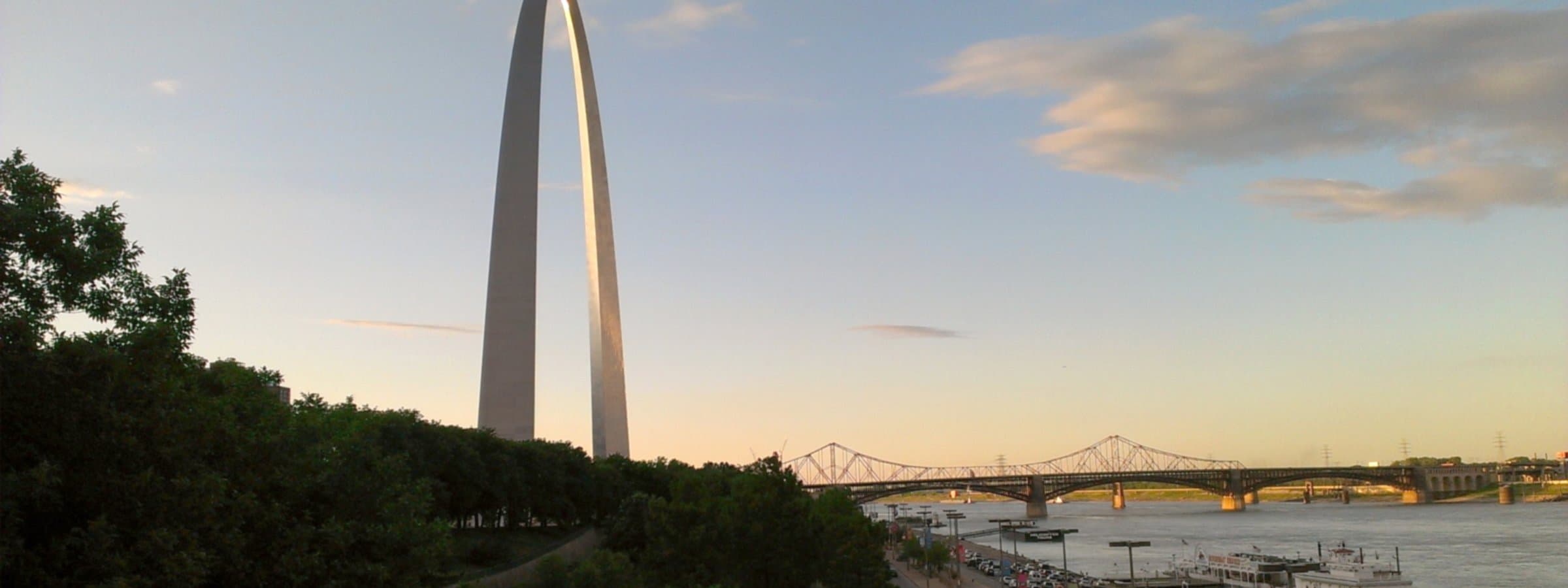
The cobblestone riverfront below the Gateway Arch has been a working waterfront since the 1800s and the bottom reflects every decade of that history. People have pulled chain anchors, old tools, and plenty of unidentifiable iron slabs from the ledges near the levee. It's publicly accessible on foot, shallow enough near the edge to work a magnet without losing it to depth, and parking is manageable if you're not there on a Cardinals game day.
6. Lake of the Ozarks — Bagnell Dam Area
Lake Ozark
The area around Bagnell Dam and the old town of Linn Creek — which was flooded when the lake was created in 1931 — sits under the lake's upper arms. Decades of heavy boat traffic and marina activity on top of a drowned town makes this one of the more unique spots in the state. Public access points and boat ramps around the dam area are well-maintained and easy to reach.
7. Current River
Van Buren
The Current River is spring-fed and runs crystal clear through the Ozarks, which is a completely different experience from the big muddy rivers up north — you can actually see what you're fishing in some stretches. Public access is solid throughout the Ozark National Scenic Riverways, which runs along most of this river. Finds tend to be more recent here — lost boat parts, fishing gear, the occasional knife — but the visibility makes for a genuinely fun day.
8. Missouri River at Katy Trail Access
Boonville
The Katy Trail runs along the old MKT railroad grade right beside the Missouri River for miles, and Boonville is one of the better access points where you can actually get down to the bank without bushwhacking. The Missouri River here has been a commercial and military corridor for 200 years — expect old hardware, iron fasteners, and the occasional anchor chain. The water is murky and the bottom is soft, which means your magnet is going in blind every single cast.
9. Current River — Akers Ferry Crossing
Salem
Akers Ferry is one of the last hand-pulled cable ferries operating in Missouri, and the crossing has been moving people and vehicles across the Current River for generations. Old coins, tools, and vehicle parts have reportedly come up near ferry landing areas on rivers like this. The Current is clear and spring-fed, so you can actually see the bottom in places — which is a strange advantage if you're used to muddy Midwest rivers.
10. Lake of the Ozarks
Osage Beach
This reservoir has had recreational boat traffic on it for decades, and the bottom reflects that — anchors, outboard motor parts, fishing tackle by the pound, and the occasional trolling motor that didn't survive a bad day on the water. The coves around Osage Beach and the main channel near boat docks are the most productive areas. Depth varies a lot depending on where you're fishing, so a longer rope is worth having.
11. Table Rock Lake — Old Highway 86 Bridge Site
Branson
When Table Rock Lake was filled in 1958, several old road crossings and bridge structures went under with it. The submerged infrastructure around the old Highway 86 corridor attracts all kinds of metal debris that's built up over decades. Boat ramp access is everywhere on Table Rock, and the western arms of the lake near Branson tend to have shallower, more workable water.
12. Table Rock Lake
Branson
Another heavily used Ozark reservoir with a lot of recreational history on it — Bass Pro basically built an empire partly because of how hard people fish this lake, and all that boat traffic means the bottom is littered with dropped gear. Old marina areas and boat ramp approaches are consistently productive. Access points around Branson are plentiful and well-maintained, which makes this one of the easier spots in the state to actually get to the water.
13. Mississippi River — Hannibal Riverfront
Hannibal
Mark Twain's hometown sits on a stretch of the Mississippi that was a major steamboat stop in the 19th century, and the riverfront has seen continuous commercial activity ever since. The public riverfront park gives you straightforward bank access right downtown. Steamboat-era hardware and general river commerce debris have made their way up from this stretch over the years.
14. Missouri River at Rocheport
Rocheport
Rocheport sits right on the Missouri River where the Katy Trail crosses it, and the history here goes back to Lewis and Clark passing through on the Corps of Discovery expedition. Old bridge hardware, river tool drops, and occasionally older iron finds make this stretch worth the trip. The bank access near the old Rocheport bridge site is manageable and the small-town setting means you're not competing with crowds.
15. Meramec River at Castlewood Access
Ballwin
The Meramec has a long history of flooding, and the gravel bars near the old Castlewood resort area have yielded old coins, hardware, and structural iron from the resort that was repeatedly wiped out by floods in the early 20th century. Access off Big Bend Road puts you on the bank without much trouble, and the gravel bottom here is forgiving on rope compared to the silty Missouri. Depth is shallow enough in the normal season that you're pulling up finds regularly.
16. Missouri River — Arrow Rock State Historic Site
Arrow Rock
Arrow Rock was a major Santa Fe Trail departure point and a busy river crossing town in the 1800s — then it mostly got left behind by history, which is actually great for magnet fishing. The river access near the historic site puts you right where ferry traffic and commercial river activity happened for decades. It's a state historic site, so be aware that recovered items of obvious historical significance are worth reporting.
17. Jacks Fork River
Eminence
Jacks Fork is a tributary of the Current River, also spring-fed, also clear, and also part of the Ozark National Scenic Riverways — which means public access is built into the deal. It's smaller and more intimate than the Current, with a lot of low-water bridge crossings that are absolute honey holes for lost gear and dropped tools from passing vehicles. Wading is easy in most conditions.
18. Table Rock Lake — Old Highway 76 Bridge Site
Branson
When Table Rock Lake was impounded in 1958, it swallowed old roads, bridges, and entire farm operations — and the old Highway 76 crossing area is one of the spots where that submerged infrastructure concentrates finds. Modern boat hardware is everywhere thanks to heavy tourist traffic, but the old structural iron from submerged bridge remnants is what makes this spot interesting. Bank access exists at nearby corps of engineers areas, and a lot of people bring kayaks to position over the deeper spots.
19. Jacks Fork River — Alley Spring
Eminence
Alley Spring is one of the most popular access points on the Jacks Fork, which means generations of canoeists, swimmers, and picnickers have been dropping things in the water here. The spring-fed clarity of the Jacks Fork lets you actually see what you're working with, which is a rarity in Missouri river fishing. The Ozark National Scenic Riverways manages this stretch, so check current access rules before you go.
20. Mississippi River at Cape Girardeau
Cape Girardeau
Cape Girardeau sits on the Mississippi about 115 miles south of St. Louis, and the river here has been a commercial and military crossing point since the Civil War era. The floodwall along the riverfront has documented flood history painted right on it, which tells you how serious the water can get — but during normal levels the bank access is solid. Old bridge hardware and river crossing artifacts show up here with some regularity.
21. Missouri River at Frontier Park
St. Charles
St. Charles was one of the first American settlements west of the Mississippi and the Missouri River bank here has absorbed a lot of history. Frontier Park gives you paved parking, maintained bank access, and a relatively calm stretch of the Missouri that's fishable without fighting brutal current the whole time. Old iron hardware, anchoring equipment, and debris from the historic commercial waterfront all sit in the soft bottom here.
22. Meramec River — Times Beach Area
Eureka
The Meramec floods regularly, which means anything near its banks has a way of ending up in the water over time. The stretch near Eureka and the old Times Beach area has decades of suburban and recreational debris on the bottom, plus older material from when the river corridor was more industrially active. Fishing access is available at multiple Meramec State Park entry points in this general area.
23. Creve Coeur Lake
Maryland Heights
Creve Coeur is a metro St. Louis park lake with a long history as a recreational spot — paddleboats, fishing, and a lot of foot traffic around the shoreline for decades. It's calmer and more accessible than the big rivers, which makes it a solid spot for beginners who don't want to deal with current. Finds tend toward modern recreational gear — fishing tackle, paddles, the occasional piece of playground equipment that found its way in.
24. Jacks Fork River — Two Rivers Access
Eminence
Jacks Fork joins the Current River at Two Rivers, and the confluence area is a float-trip destination that's been seeing canoes and johnboats for generations — which means lost gear accumulates. The water runs clear and cold off the springs, the gravel bottom is easy to read, and the Ozark National Scenic Riverways designation keeps the banks in good shape. It's a long drive from anywhere, but the combination of beautiful water and real finds makes it worth it.
25. Grand River — Chillicothe Bridge
Chillicothe
Chillicothe sits on the Grand River at a crossing point that's been in use since the early 1800s, and the old bridge site downtown has accumulated a solid mix of historical and modern debris. This stretch of the Grand doesn't get nearly the magnet fishing attention that the Missouri and Mississippi do, which means the bottom hasn't been picked over. Access from the city park near the river is easy.
26. Osage River at Tuscumbia
Tuscumbia
The Osage River drains a big chunk of central Missouri before feeding into the Lake of the Ozarks reservoir system, and the section near Tuscumbia has old ferry crossing history and some genuinely old iron sitting on the bottom. It's off the beaten path enough that you're unlikely to have company, which is either a feature or a bug depending on your personality. Access requires some light hiking from roadside pulloffs but nothing serious.
27. Mississippi River at Clarksville Overlook
Clarksville
Clarksville sits on a bluff above the upper Mississippi and the boat ramp area at the base of town drops you right onto one of the more navigable stretches of the river for bank-based magnet fishing. The upper Mississippi above St. Louis sees less muddy silt than below the Missouri confluence, and the rocky bottom holds finds without burying them as fast. Lock and Dam No. 24 is just upstream, and the slack water below the lock is where current slows down and iron collects.
Magnet fishing in Missouri — FAQ
Is magnet fishing legal in Missouri?+
Do I need a fishing license to magnet fish in Missouri?+
What happens if I find something that looks like a Civil War artifact near St. Louis?+
How much pull force do I actually need for the Missouri River?+
What rope length should I use in Missouri?+
Are the Ozark streams worth magnet fishing?+
Can I magnet fish near the St. Louis riverfront?+
Here are some magnet fishing finds in Missouri
- In September 2021, two men magnet fishing at McDaniel Lake near Springfield, including Ozarks magnet fisher James Newton, pulled up what they believed was a grenade. The Springfield Fire Department bomb squad secured the area and detonated it (via KY3).
- Missouri should produce more than it has made news for. The Missouri-Mississippi confluence at St. Louis has centuries of steamboat, ferry, and Civil War-era iron on the bottom, and the Katy Trail bridge sites along the Missouri have been dropping horse tack and river hardware into the water for 150 years.
- Fished Missouri and pulled something up? Reply to any newsletter and tell us. Reader finds go here.
Best Magnet Fishing Magnets
Find the best magnet for magnet fishing — from 500 lb beginner picks to 2,000 lb+ heavy hitters.
Find your magnet →Best Magnet Fishing Accessories
Rope, gloves, grappling hooks, buckets, and more — the magnet-fishing accessories that actually matter.
Browse accessories →Best Magnet Fishing Kits
Looking for the best magnet fishing kit? Top picks that bundle a strong magnet, rated rope, and gloves.
See the kits →Pulled something good out of Missouri's water?
We're always adding new spots and finds. Share your favorite Missourilocation or your best haul and we'll feature it on the site.