
Magnet Fishing in Kansas: Reservoirs and Prairie Rivers
Kansas isn't the flashiest magnet fishing state, but the reservoirs are underworked and consistently produce dropped boat gear and fishing tackle. The Kansas River through Topeka and Lawrence has some decent bridge spots. Water gets shallow in summer, so spring and fall are your best windows.
Not fishing Kansas? See the best places to magnet fish in all 50 states. New to the hobby? Start with the complete guide to how to go magnet fishing.
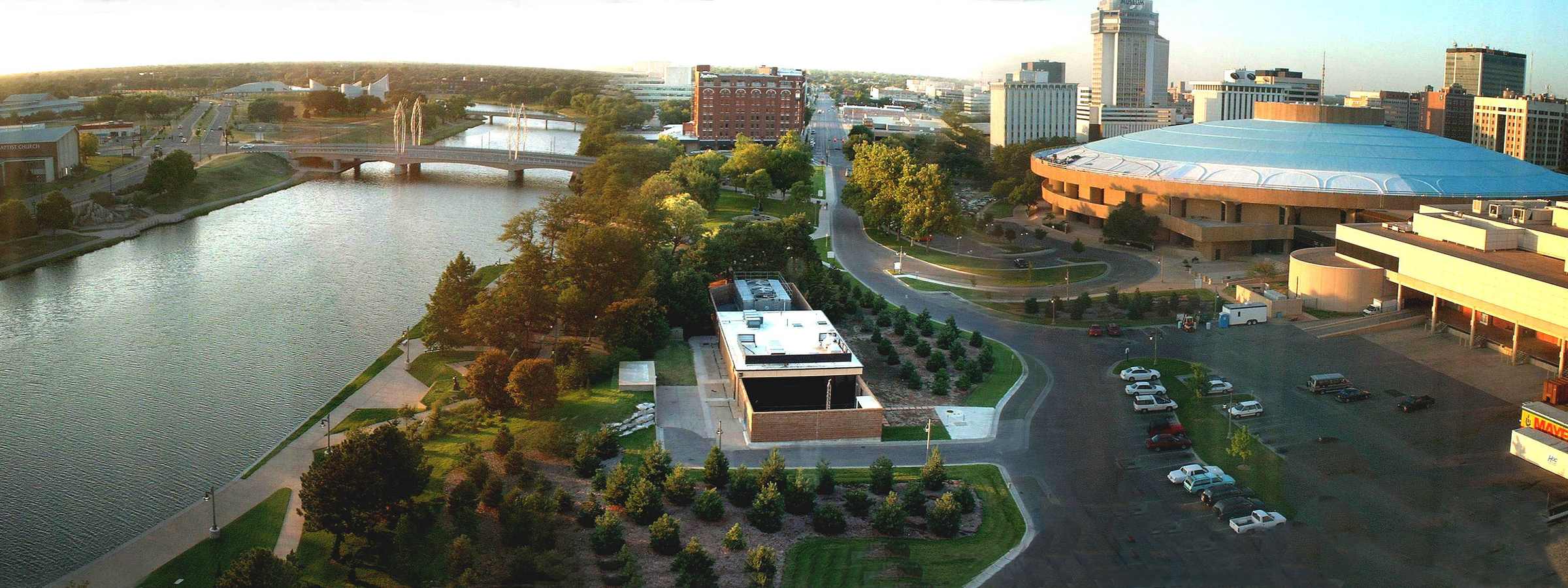
Magnet fishing in Kansas — quick info
Recommended Pull Force
Recommended Rope Length
Beginner Difficulty
Typical Water Conditions
Kansas is mostly flat, with the Kansas and Arkansas rivers as the main systems. Water levels are variable and drought can reduce access significantly. Reservoirs like Milford and Cheney see consistent recreational use and have accumulated boat hardware and dropped gear over the years. Rivers tend to run sandy and shallow in summer.
Is it legal? Kansas Wildlife & Parks manages state lakes and doesn't specifically prohibit magnet fishing. Reservoir access requires a state parks permit for parking and shore access. The Kansas Historical Society handles any archaeologically significant finds, and the usual rule applies — report unusual items, don't pocket them and walk away.
Best magnet fishing gear for Kansas
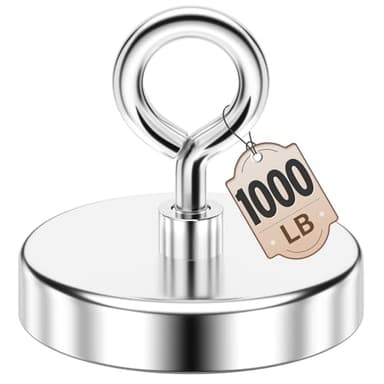
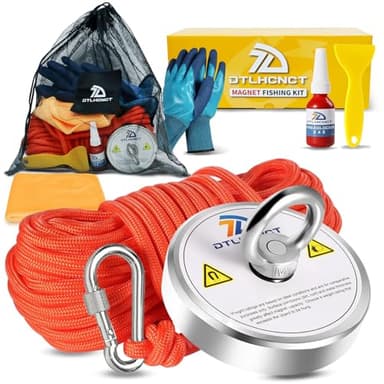
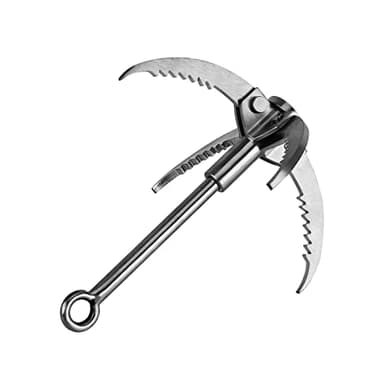
Best magnet fishing spots in Kansas
1. Kansas River (Kaw River) at Bowersock Dam
Lawrence
The Kansas River has been a working waterway since the 1800s, and the area around Bowersock Dam in Lawrence is where a lot of that history sank to the bottom. People have pulled railroad spikes, old tools, and farm equipment fragments out of here. Access is decent from the riverbank near the dam, parking is available nearby, and the water runs shallow enough in most spots that you're not fighting serious current.
2. Kansas River (Kaw River) at Burcham Park
Lawrence
The Kaw runs wide and surprisingly shallow here, with a sandy bottom that's still got plenty of iron hiding in it from decades of railroad activity and old bridge work upstream. People have pulled chain, old tools, and the occasional firearm out of this stretch. Bank access is easy and there's a parking lot right there.
3. Arkansas River at Riverside Park
Wichita
Wichita's been sitting on the Arkansas River since the 1860s, and the stretch through Riverside Park has seen everything from cattle drives to industrial use. The river is wide and shallow here, which makes wading possible if you want to cover more water. Old coins, tools, and scrap metal show up regularly, and the park gives you easy bank access with parking right there.
4. Arkansas River Walk Access
Wichita
Running right through the middle of Wichita, this stretch of the Arkansas has been collecting metal since the city was a cattle trade hub in the 1800s. The river is wide and shallow, banks are publicly accessible along the River Walk, and the sandy bottom means your magnet gets dragged across a lot of ground fast. People have reportedly found old buckles, chains, and unidentified iron objects here.
5. Milford Lake — West Rolling Hills Access
Junction City
Milford is the largest reservoir in Kansas, and it was built over old farmland and a few buried homesteads in the 1960s — which means whatever those farms left behind is still down there. The West Rolling Hills area gives you bank access with a parking lot, and the water depth varies enough that you're pulling from different layers of history depending on where you cast. Old farm implements, fence hardware, and unidentified iron chunks are pretty common finds.
6. Milford Lake — Upstream Coves near Junction City
Junction City
Milford is the largest reservoir in Kansas and it was built over old farmland, which means the lakebed is basically a graveyard for buried equipment, fence posts, and who knows what else. The coves on the upper end of the lake see less boat traffic and give you quiet bank access. Corps of Engineers rules apply here, so check what's permitted before you set up.
7. Arkansas River at Veteran's Memorial Park
Wichita
The Arkansas runs right through the middle of Wichita and this stretch has seen over a century of urban activity — bridges, industrial dumping, and a whole lot of people throwing things off those banks. Shallow and sandy, which makes retrieval easier than you'd think. Parking is solid and the paved path along the bank means you can walk a good distance without fighting through brush.
8. Cheney Reservoir — State Park Fishing Pier
Cheney
Cheney Reservoir was also built over agricultural land, flooded in 1965, and the stuff left behind by farmers and construction crews has been sitting there ever since. The fishing pier at the state park puts you over deeper water than most Kansas spots, which is unusual and worth taking advantage of. The parking and access are easy, and it's one of the cleaner spots to fish from — the dock gives you good rope angles that open bank fishing doesn't.
9. Republican River at Concordia City Park
Concordia
The Republican River sees way less traffic than the Kaw, but it passes through old cattle country and railroad-era land that's barely been picked over. The Concordia city park gives you easy bank access right where the river bends, which is where metal naturally accumulates. Depth is minimal in summer, so you can work a lot of river bottom without much effort.
10. Cheney Reservoir — State Park Fishing Pier Area
Cheney
Cheney was flooded over farmland in the 1960s, and that agricultural past makes it genuinely interesting for magnet fishing — old equipment, metal fence posts, and buried ironwork from homesteads that got swallowed up. The fishing pier area gives you a platform to throw from, which means you can get out past the shallows without wading. Moderate depth off the pier, easy access.
11. Republican River at Scandia Bridge
Scandia
The Republican River up in north-central Kansas sees almost no magnet fishing traffic, which is exactly why it's worth the drive. Old bridge hardware, livestock equipment from nearby cattle operations, and the occasional mystery piece of iron turn up in the shallows. The bridge at Scandia gives you a clear drop point with road access, and the river runs calm enough most of the year that you're not fighting anything.
12. Cheney Reservoir — East Bank Access
Cheney
Like Milford, Cheney was built over farmland, and the east bank gives you public access where the old field boundaries used to run. The shallower areas near the banks are where submerged equipment history tends to show up. It's a Corps-adjacent water body so confirm access rules for the specific bank area you're targeting.
13. Smoky Hill River at Oakdale Park
Salina
Salina sits right on the Smoky Hill River, and the stretch through Oakdale Park has been a gathering point since the railroad came through in the 1860s. Railroad-era iron, old farm tools, and general scrap show up in the riverbed here. The park is well-maintained with parking and clean bank access, and the river is shallow and manageable even for someone just starting out.
14. Smoky Hill River at Salina Riverside Park
Salina
The Smoky Hill runs through one of the oldest settled corridors in the state, and the Salina stretch has railroad and cattle-era history sitting in it. The riverside park gives easy walking access and decent parking. River is typically shallow and slow-moving here, which makes dragging comfortable and gives your magnet real contact time with the bottom.
15. Republican River at Lovewell Reservoir Tailwaters
Mankato
The tailwater stretch below Lovewell Dam sees less foot traffic than the bigger reservoirs, which honestly makes it more interesting — less picked over. The Republican River through this area runs through land that was heavily farmed and ranched going back well over a hundred years. The current below the dam scours the bottom and keeps fresh stuff in reach.
16. Big Blue River at Tuttle Creek Lake Spillway
Manhattan
The area below Tuttle Creek Dam where the Big Blue River continues is a sweet spot — water gets churned up during releases and that moves bottom sediment around, which keeps fresh stuff exposed. The spillway area below the Corps dam has seen a lot of recreational and construction activity over the decades. Access requires a short walk from the parking area near the dam, but it's worth it.
17. Big Blue River at Marysville City Park
Marysville
Marysville sits right on the Oregon Trail route and the Big Blue River was a major crossing point for westward settlers. That history alone makes it interesting. The city park puts you right on the bank with parking and the river runs shallow and clear enough to see what you're working with. Old iron from crossing equipment and pioneer-era hardware has reportedly turned up in this area.
18. Neosho River at Chanute City Lake Inlet
Chanute
The Neosho River in southeast Kansas passes through old oil country, and the inlet area near Chanute has a history of industrial and agricultural activity that left metal behind. Pipe fittings, heavy iron hardware, and old tools are the kind of finds people have reported here. It's a quieter spot with decent bank access and not a lot of competition for the water.
19. Neosho River at Chanute Riverside Area
Chanute
The Neosho passes through old industrial and railroad territory in southeast Kansas, and the Chanute stretch has both bank access and a history of heavy metal use nearby. It's not as picked over as the Kaw or Arkansas, which is honestly a point in its favor. The banks are accessible and the water stays pretty manageable depth-wise through most of the year.
20. Marais des Cygnes River at Osawatomie City Park
Osawatomie
This river has Civil War-era history literally on its banks — the Battle of Osawatomie happened right here in 1856, and the town has been sitting on this river bend ever since. That's a long time for things to end up in the water. The city park gives you easy bank access and the river runs moderate depth through this stretch.
21. Marais des Cygnes River at Pleasanton Bridge
Pleasanton
The Marais des Cygnes runs through Linn County in eastern Kansas and has a long history tied to Civil War activity, cattle trails, and early settlement — which means the riverbed has been collecting metal for well over 150 years. The bridge at Pleasanton is a classic drop point with road access right there. River depth is shallow to moderate and the current is gentle enough that most casts come back clean.
22. Verdigris River at Independence Riverside Park
Independence
The Verdigris runs through Montgomery County oil and cattle territory, and Independence has river access at a proper park with parking. Old pipeline hardware, cattle equipment, and general industrial metal have all been reported in this drainage. Not a spot most people talk about, which means the bottom hasn't been worked over the way busier spots have.
23. Neosho River at Council Grove City Lake Outlet
Council Grove
Council Grove was a major stop on the Santa Fe Trail, which means this area has had people, wagons, and livestock crossing the river for almost two centuries. The Neosho runs relatively slow here, and the outlet area near the old city lake gives you structure to target — bridge footings, old culverts, that kind of thing. Not a heavily pressured spot.
24. Walnut River at Winfield City Lake
Winfield
The Walnut River feeds into Winfield City Lake in south-central Kansas, and the lake itself was built in the mid-20th century over land that had been farmed and ranched for decades. The inlet area where the river meets the lake is a natural collection zone for anything that's washed downstream. Parking at the lake is easy, the banks are accessible, and it doesn't get a lot of foot traffic from other magnet fishers.
25. Walnut River at Winfield City Lake Spillway
Winfield
The Walnut River near the Winfield spillway area gives you a natural metal funnel — spillways and dam structures collect what the current pushes, and this one has old town and agricultural history behind it. Bank access near the spillway is walkable and the water is shallow on either side. It's a smaller target but the concentration of finds in a tight area makes it worth the trip.
26. Cimarron River at Meade County State Park
Meade
Way down in the southwest corner of the state, the Cimarron runs through country that was cattle drive territory going back to the late 1800s. It's remote, low traffic, and the riverbed is sandy enough that things sit right on top rather than sinking deep. The state park gives you legal bank access and basic parking, but you're out in the middle of nowhere — which is half the appeal.
Magnet fishing in Kansas — FAQ
Is magnet fishing legal in Kansas?+
What do I do if I pull up something that looks historically significant?+
How much rope do I actually need for Kansas rivers?+
Are Kansas reservoirs worth magnet fishing?+
What pull strength should a beginner use in Kansas?+
Can drought conditions really affect magnet fishing access?+
Do I need a fishing license to magnet fish in Kansas?+
Here are some magnet fishing finds in Kansas
- In September 2026, magnet fishers Chance James and Elisha Hersh pulled a pistol, a shotgun, an empty grenade, and a horseshoe out of a rural Labette County waterway, then called the sheriff's office in case any of it was tied to a case (via KSNF/KODE).
- Kansas is underworked. The reservoirs (Milford, Cheney, Tuttle Creek) have decades of boat hardware and dropped tackle on the bottom, and the Kansas River through Lawrence and Topeka has old bridge and dam iron. Summer levels run low, so spring and fall are the windows.
- Fished Kansas and pulled something up? Reply to any newsletter and tell us. Reader finds go here.
Best Magnet Fishing Magnets
Find the best magnet for magnet fishing — from 500 lb beginner picks to 2,000 lb+ heavy hitters.
Find your magnet →Best Magnet Fishing Accessories
Rope, gloves, grappling hooks, buckets, and more — the magnet-fishing accessories that actually matter.
Browse accessories →Best Magnet Fishing Kits
Looking for the best magnet fishing kit? Top picks that bundle a strong magnet, rated rope, and gloves.
See the kits →Pulled something good out of Kansas's water?
We're always adding new spots and finds. Share your favorite Kansaslocation or your best haul and we'll feature it on the site.