
Magnet Fishing in Nebraska: Missouri River and Prairie Reservoirs
Nebraska isn't a magnet fishing hotspot, but it's underworked — which means the Missouri River border and spots around Lake McConaughy haven't been picked over. The Platte is too shallow and braided for most spots, but the Missouri's eastern border has solid current and depth. Pretty straightforward rules here.
Not fishing Nebraska? See the best places to magnet fish in all 50 states. New to the hobby? Start with the complete guide to how to go magnet fishing.
Magnet fishing in Nebraska — quick info
Recommended Pull Force
Recommended Rope Length
Beginner Difficulty
Typical Water Conditions
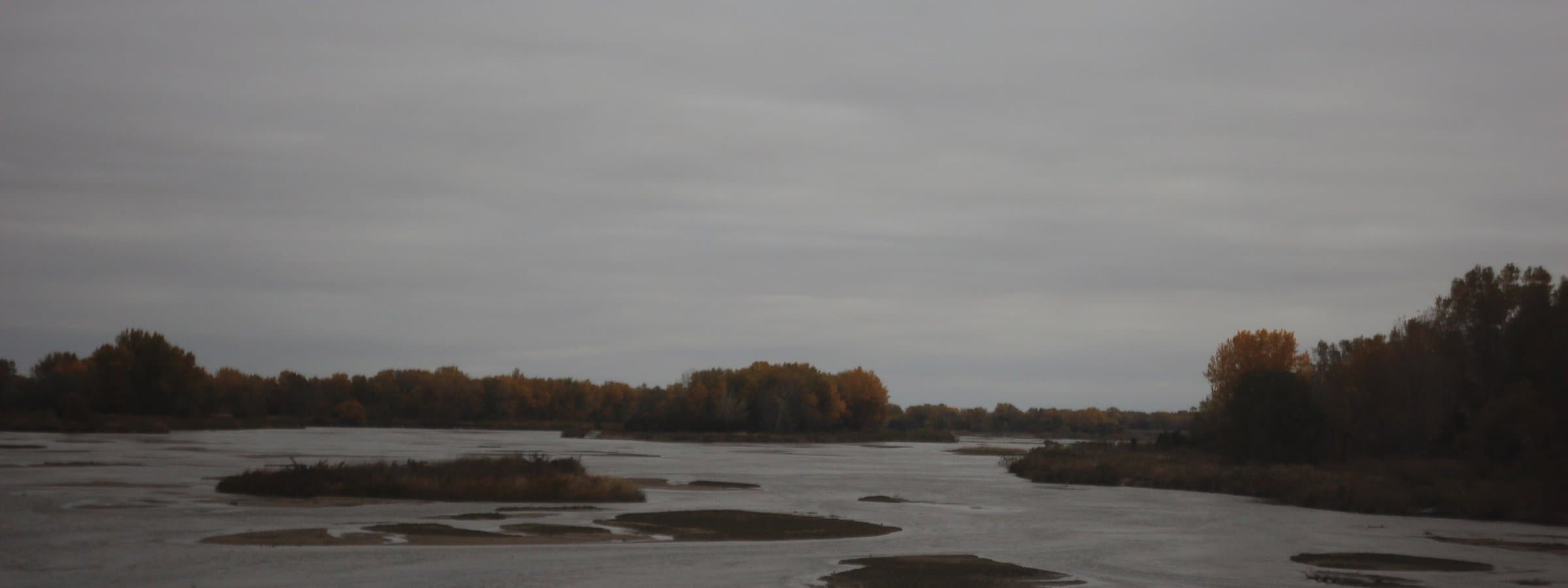
Nebraska has the Platte River running east-west across the state, a wide, braided, shallow system that's more of a challenge than most rivers. The Missouri River forms the eastern border and is more productive — deeper and with significant current. Reservoirs like Lake McConaughy offer calmer water with recreational boat traffic history.
Is it legal? Nebraska Game & Parks doesn't specifically regulate magnet fishing. State park and recreation area access is available with a parks permit. The Missouri River has Army Corps jurisdiction in places, so check COE rules near dams. Nebraska State Historical Society handles culturally significant finds.
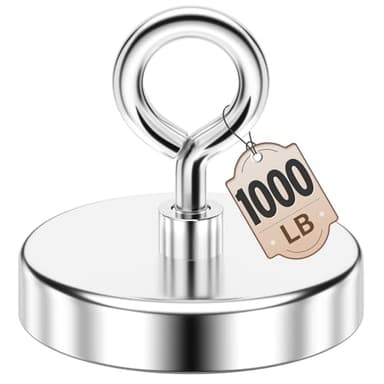
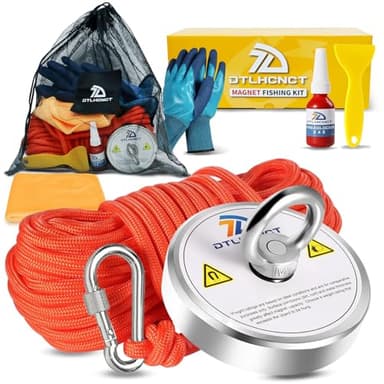
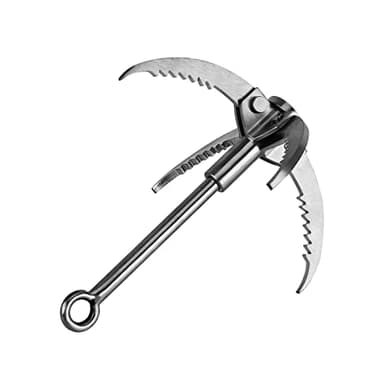
Best magnet fishing gear for Nebraska
Best magnet fishing spots in Nebraska
1. Missouri River at Omaha Riverfront
Omaha
The Missouri River along the Omaha waterfront has serious depth and a long history of river traffic, ferry crossings, and industrial use going back to the 1800s. People have pulled old tools, chains, anchors, and general river iron out of here. Access is decent with paved paths and parking near the Gene Leahy Mall area.
2. Missouri River at Omaha
Omaha
The Missouri here has real depth and a long history of river traffic, bridge construction, and industrial use going back to the 1800s. People have pulled old tools, chains, boat hardware, and unidentified iron chunks from the banks near the old rail and ferry crossings. Access is decent from Riverfront parks, and you're not fighting shallow sandbars like you would on the Platte.
3. Platte River at Louisville State Recreation Area
Louisville
The Platte is wide, shallow, and braided, which means wading is actually realistic in a lot of spots here. That same shallow access is why old farm equipment, fence wire, and miscellaneous iron ends up sitting right on the bottom waiting for you. Parking is easy and the recreation area gives you legitimate public access.
4. Platte River at Kearney
Kearney
The Platte is wide, shallow, and braided, which means you're wading sandbars more than dropping into deep water — but that also means you can cover a lot of ground on foot. Oregon Trail emigrants crossed here for decades, and the crossing points near Kearney have seen enough human traffic to make it worth working the shallows. Don't expect deep drops; expect to drag the bottom in knee-deep water.
5. Loup River at Columbus
Columbus
Columbus sits right where the Loup meets heavier agricultural and rail history, and the river bottom reflects that — old iron, bolts, and the occasional piece of equipment that clearly didn't survive a flood. The bridge areas in and around Columbus are worth working slowly. Bank access is manageable and the city isn't going to hassle you.
6. Missouri River at Ponca State Park
Ponca
One of the few stretches of the Missouri that still looks like it did when Lewis and Clark came through — it's a designated National Scenic River segment, so the banks are undeveloped and the history runs deep. People fish this area for catfish but magnet fishers have found old iron hardware and anchor components along the cutbanks. Access trails from the park get you down to the water without much trouble.
7. Bob Kerrey Pedestrian Bridge area
Omaha
Bridges attract dropped and discarded metal like nothing else, and this one spans the Missouri between Nebraska and Iowa with foot traffic going back to when the original crossings here were built. The embankments on the Nebraska side give decent rope access to the water below. Old coins, bolts, and miscellaneous iron show up regularly from people working this stretch.
8. Elkhorn River at Neligh
Neligh
The Elkhorn up in Antelope County runs through old homestead and ranching country, and this stretch near Neligh has produced old farm tools, horseshoes, and general 19th-century iron that came off the surrounding land during floods. It's not heavily fished in the magnet sense, which is exactly why it's interesting. Access points along the highway bridges give you a solid starting spot.
9. Elkhorn River at Riverside Park
Norfolk
The Elkhorn River runs through Norfolk and the park access puts you right on the water with decent bank stability. It's a smaller river than the Missouri or Platte but the current has moved stuff around for decades and people find old iron regularly in the bends near the park. Easy parking and a flat bank make this a solid spot if you're just getting started.
10. Elkhorn River at West Point
West Point
The Elkhorn runs through northeastern Nebraska with more current and channel depth than the Platte, and the old bridge sites near West Point have produced farm equipment fragments, chains, and old iron hardware. It's a quieter spot than the Missouri corridor, and public access from the county road bridges is straightforward. Less competition from other magnet fishers too, which matters more than people admit.
11. Missouri River at Nebraska City
Nebraska City
Nebraska City was a major Oregon Trail outfitting point and a serious Missouri River port in the mid-1800s, which means the riverbed around here has genuine historical density. Wagons, ferry hardware, and river traffic debris from 150 years of crossings don't just disappear. The Steinhart Park area gives you legitimate access and parking without too much trouble.
12. Loup River at Fullerton City Park
Fullerton
The Loup drains a huge chunk of central Nebraska and has been a working river for ranchers and homesteaders going back well over a century. The Fullerton park access puts you on a stretch where the current slows enough to let iron settle, and people have pulled out old farm implements and iron fencing components from this area. It's a quiet spot and you'll usually have the bank to yourself.
13. Salt Creek at Lincoln
Lincoln
Salt Creek runs right through the Lincoln metro and has decades of urban runoff, bridge construction, and general city-adjacent dumping behind it. That's not glamorous, but it means there's iron in there — bikes, tools, old pipe, and the usual urban creek mix. Several parks along the creek give you legal access and decent spots to work from the bank.
14. Niobrara River at Niobrara State Park
Niobrara
The Niobrara near where it hits the Missouri is a different river than the scenic canyon stretch to the west — it's slower, wider, and sits right at the confluence with serious river history attached. Old ferry crossing hardware and flood debris from the upper basin have been collecting here a long time. The state park gives you clean access and the confluence area is worth targeting specifically.
15. Salt Creek at Pioneers Park
Lincoln
Salt Creek meanders through Lincoln's Pioneers Park and has decades of urban runoff, lost tools, and old infrastructure sitting in its channel. It's shallow and slow-moving, which honestly makes it easy to work — you can see where your magnet is going most of the time. Urban creeks like this punch above their weight for finds because so many people have been near them for so long.
16. Big Blue River at Crete
Crete
Crete has a real mill and bridge history along the Big Blue, and the river bottom near the old mill site has the iron to prove it. Mill hardware, old bolts, and assorted 19th-century equipment parts have been found in this stretch. The banks are accessible without needing to trespass, and there's parking near the county bridge.
17. Big Blue River at Crete City Park
Crete
The Big Blue runs through southeastern Nebraska farm country and the Crete access has been a local spot for decades of fishing, which means decades of dropped gear sitting in the channel. The river has enough depth in the main channel to make it worth working, and the park access is genuinely easy with good parking. Old bridge hardware and iron fencing components show up here with some regularity.
18. Papillion Creek at Chalco Hills Recreation Area
Papillion
Chalco Hills is a heavily used suburban recreation area, and Papillion Creek running through it has seen decades of fishing, foot traffic, and the usual stuff that ends up in water near a city. It's not a glory spot, but it's consistently productive for the kind of person who just wants to pull something interesting out of a creek on a Saturday. Paved parking and easy bank access make it genuinely beginner-friendly.
19. Nemaha River at Auburn City Park
Auburn
The Nemaha is a small but historically active river in the far southeastern corner of the state, draining agricultural land that's been worked since the mid-1800s. The Auburn city park access gives you a manageable stretch of bank with decent footing and enough depth in the channel to find things that have settled over the years. Small rivers in old farming towns are underrated for magnet fishing — not many people think to work them.
20. Republican River at Harlan County Reservoir
Alma
Harlan County Reservoir was created by a dam on the Republican River in the early 1950s, and that means there's a submerged valley underneath with old farm infrastructure, fence posts, equipment, and whatever else didn't get cleared before the water came up. The dam area and the tailwater below it concentrate metal finds in ways that natural river sections don't. Nebraska Game and Parks manages access and it's straightforward.
21. Platte River at Fremont Lakes State Recreation Area
Fremont
The Platte near Fremont has old bridge and rail crossing history layered on top of the usual river-bottom iron, and the sandbars actually help you reach spots that would be inaccessible in deeper water. Fremont Lakes gives you a managed access point with parking and facilities, and the nearby river channels are open to explore. It's a good spot for beginners who want to wade without committing to deep water.
22. Missouri River at DeSoto National Wildlife Refuge
Blair
This stretch of the Missouri near Blair is historically significant — the Bertrand steamboat, which sank here in 1865, was excavated nearby, and the river corridor has documented layers of 19th-century commerce underneath it. The refuge access gives you bank entry to a deep, historically rich section of the Missouri that most people overlook in favor of the Omaha riverfront. Worth the drive out from town just for the context of what might be down there.
Magnet fishing in Nebraska — FAQ
Is magnet fishing legal in Nebraska?+
Do I need a permit to magnet fish in Nebraska state parks?+
What happens if I pull up something that looks historically significant?+
Is the Platte River worth magnet fishing?+
What rope length do I actually need for Nebraska waters?+
How much pull force do I need for Nebraska rivers?+
Can I magnet fish at Lake McConaughy?+
Here are some magnet fishing finds in Nebraska
Magnet fishing in Nebraska, as in many places, has turned up a fascinating array of finds, reflecting both the history and the day-to-day life of the regions explored. Enthusiasts in Nebraska have reported discovering items ranging from everyday objects to those with historical significance. Here are some of the types of items that have been found:
- Historical Artifacts: Items such as old coins, antique tools, and relics from Nebraska's early settlers or Native American communities. These finds can provide a tangible connection to the state's rich history.
- Fishing and Boating Gear: Given Nebraska's numerous lakes and rivers, it's common to find lost fishing hooks, lures, fishing poles, and occasionally parts from boats or old fishing equipment.
- Weapons: It's not unheard of for magnet fishers to pull up firearms or ammunition from water bodies. These finds are particularly sensitive and should be handled with care; local law enforcement should be contacted to safely assess and potentially remove these items.
- Personal Items: Jewelry, watches, keys, and even smartphones can end up in the water through accidental drops. These finds often spark curiosity about the stories behind how they got there.
- Industrial Items: In areas near old industrial sites, it's possible to find tools, machine parts, and other metal objects that hint at the local economic history.
- Unusual Finds: There are always those items that defy expectation—everything from vintage signs and license plates to bicycles and scooters.
If you're magnet fishing in Nebraska (or anywhere, for that matter), it's crucial to approach the activity with a sense of responsibility and environmental stewardship. Always remove harmful debris from waterways to protect local wildlife and water quality. If you come across items that may have archaeological or historical value, consider consulting with local historical societies or archaeologists to ensure proper handling and preservation.
Best Magnet Fishing Magnets
Find the best magnet for magnet fishing — from 500 lb beginner picks to 2,000 lb+ heavy hitters.
Find your magnet →Best Magnet Fishing Accessories
Rope, gloves, grappling hooks, buckets, and more — the magnet-fishing accessories that actually matter.
Browse accessories →Best Magnet Fishing Kits
Looking for the best magnet fishing kit? Top picks that bundle a strong magnet, rated rope, and gloves.
See the kits →Pulled something good out of Nebraska's water?
We're always adding new spots and finds. Share your favorite Nebraskalocation or your best haul and we'll feature it on the site.