

LOVIMAG 150lb Cup Magnets — A Different Kind of Build
These aren't your standard magnet fishing magnets. No eyebolt. No rope attachment you've seen a hundred times on YouTube. The LOVIMAG cup magnets use a screw mount — which means they're built for people who want to rig something themselves.
At $9.99, they're practically disposable. Which sounds like an insult but isn't — it means you can grab a few, experiment, and not feel bad about it.
I'd call these an honorable mention. Not the first thing I'd hand someone who just wants to get out on the water. But if you've got a project in your head? These might be exactly what you're looking for.
Okay so here's the thing about these. They showed up in a little box — smaller than I expected, which honestly happens every time with cup magnets and I never learn — and the first thing I noticed was that there's no eyebolt. No obvious place to tie a rope. Just a clean steel housing with a screw hole in the back, like something you'd pull out of a speaker cabinet.
Which is kind of the whole point.
If you've ever bought a standard fishing magnet and thought "I wish this mounted differently," these are for you. The cup magnet design with a screw attachment opens up a different world of rigging. I've got a buddy who built a multi-magnet sled out of aluminum angle stock — three of these mounted in a row, facing down, dragged along the bottom of a drainage canal outside of town. He pulled up a corroded padlock, half a bike frame, and something that had the general shape of a muffler. The screw mount is what made that rig possible. A standard eyebolt magnet wouldn't have worked for what he was trying to do.
For solo use, straight off a rope? These aren't really designed for that. The screw attachment is strong if you've got it properly mounted into something solid, but it's not the move if you just want to drop a magnet off a bridge on a Saturday afternoon. That's not a knock — it's just what they are.
The waterproofing held up fine. Dropped them in about four feet of water, left them down there for a bit while I was retying a knot, pulled them back up and nothing looked unhappy. 150 lbs of pull force is real — not groundbreaking for magnet fishing, but for $9.99 a pop, you're not going to find a better deal for what you're getting.
The screws that come with them are fine. Nothing to write home about.
Here's where I'd pump the brakes a little though. If you're new to this and you just want to go magnet fishing — like, actually go do the thing — I'd point you toward something with a proper eyebolt and a rope included. The DIYMAG 350lb kit is what I'd push most beginners toward, and it's not even that much more money. These LOVIMAG cup magnets are for a specific use case, and that use case is "I have a project."
But if you do have a project? They're cheap enough to experiment with. Mess up the mounting, strip a screw, whatever — buy another set. That's the upside of something this affordable. You can afford to get it wrong once while you figure out what you're actually building.
The cup magnet format also sits flat against a surface in a way that a standard fishing magnet doesn't, which changes how the pull force works in practice. It's not better or worse — it's different. And sometimes different is exactly what you need when you're trying to build something that doesn't exist yet.
More gear picks: Best Magnet Fishing Accessories • Best Magnet Fishing Kits • Best Magnet Fishing Magnets
New to magnet fishing? Start here
List of Services
- Best Magnet Fishing Magnets
Find the best magnet for magnet fishing — from 150lb beginner picks to 2000lb 360° magnets. Hands-on reviews, no fluff, for every budget.Best Magnet Fishing Magnets
- Best Magnet Fishing Accessories
Rope, gloves, grappling hooks, buckets and more — the magnet fishing accessories that actually belong in your kit, with picks for every budget.Best Magnet Fishing Accessories
- Best Magnet Fishing Kits
Looking for the best magnet fishing kit? Top picks for beginners, kids, and pros — with honest takes on pull force, rope, and value.Best Magnet Fishing Kits
Read the Latest Reviews on Magnet fishing magnets, kits, and accessories

350LB 2" Fishing Magnet with Handle
Read the Review
150LB Waterproof Cup Magnet with Screws
Read the Review
500LBS Magnet Fishing Kit
Read the Review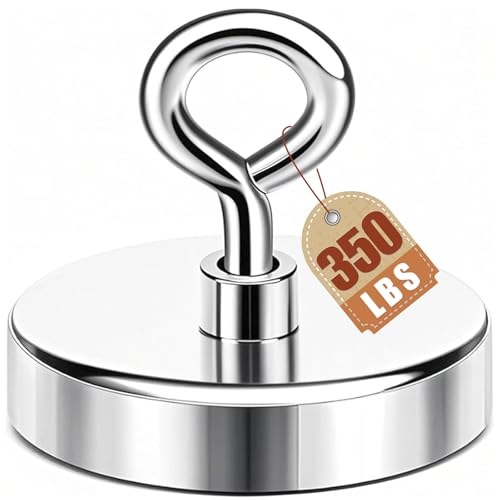
350LBS 50mm Fishing Magnet
Read the Review
M8 Male Thread 200lb Round Magnet 44mm
Read the Review
2000LB 360 Degree Fishing Magnet
Read the Review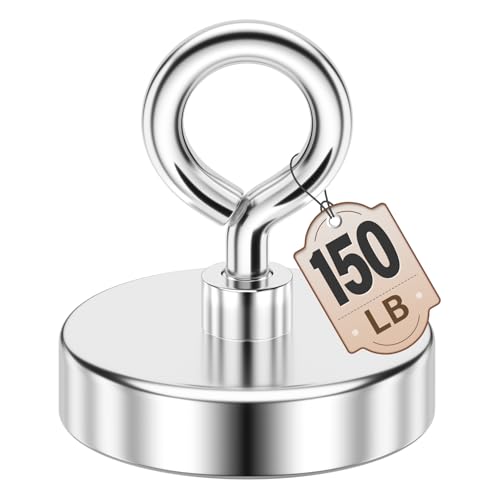
150LBS 36mm Neodymium Fishing Magnet
Read the Review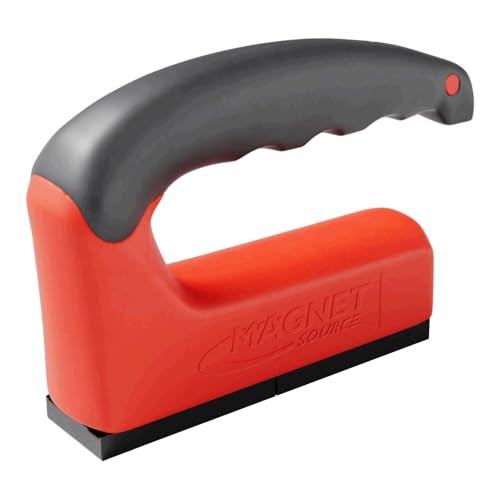
100LB Ergonomic Handle Strong Magnet
Read the Review
1700Lbs Fishing Magnet
Read the Review
500LB Magnet Fishing Kit
Read the Review
1320LB Double Sided Magnet Fishing Kit with Case
Read the Review
350LBS 50mm Neodymium Fishing Magnet
Read the Review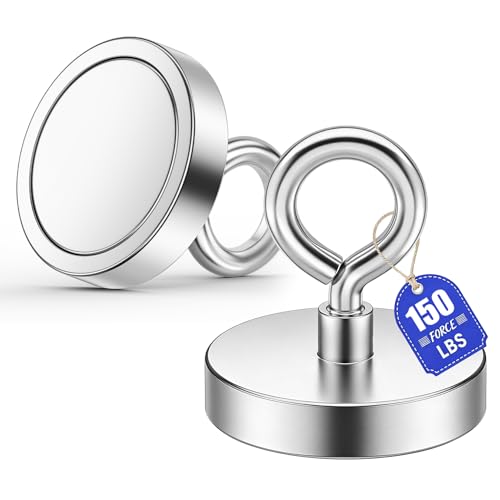
150LBS 36mm Fishing Magnet 2-Pack
Read the Review
500LBS 2.36" Fishing Magnet
Read the Review
40LB Countersunk Neodymium Mounting Magnet
Read the Review
1345LB Double Sided Complete Kit
Read the Review
Single Sided 700LB Kit
Read the Review
1000LBS Double Sided Kit
Read the Review
Double Sided 2200LB Kit
Read the Review
760LBS Kit
Read the Review
1000LB Fishing Magnet Kit
Read the Review
Double Sided 3000LB Complete Kit
Read the Review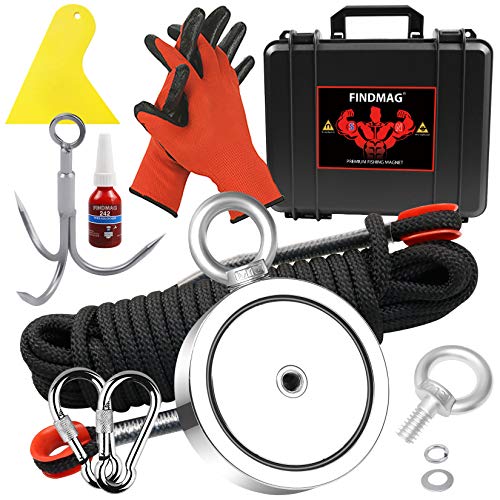
2625LB Double Sided Kit
Read the Review
Double Sided 1000LB Kit
Read the Review
2000LB 360 Degree Fishing Magnet
Read the Review
1500LB Kit with Case
Read the Review
MRS-24 MagneTriever
Read the Review
Double Sided 1320LB Complete Kit
Read the Review
Double Sided 1325LB Kit
Read the Review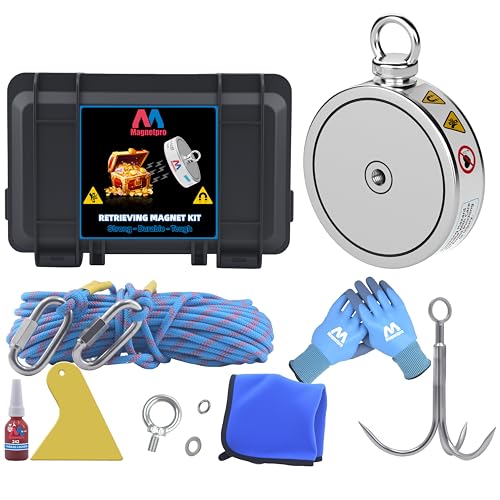
2000LB Double Sided Kit
Read the Review
1700LB Neodymium Fishing Magnet
Read the Review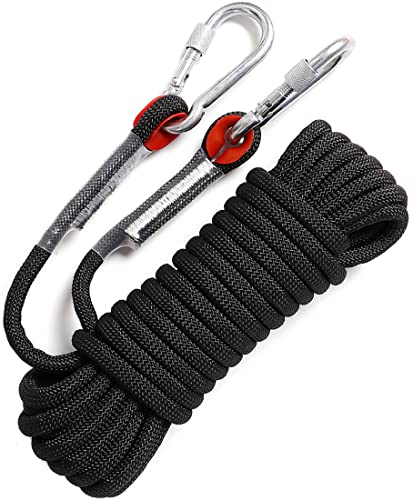
10mm Static Rock Climbing Rope 100FT with Carabiner
Read the Review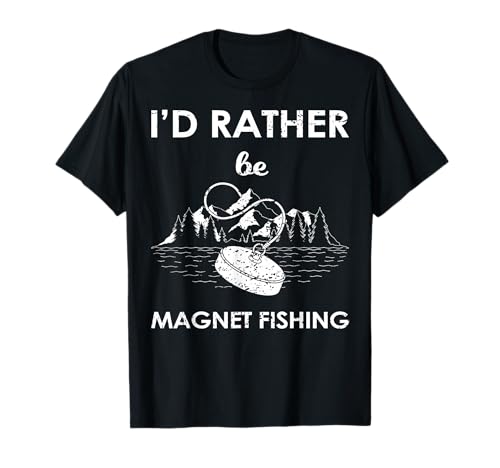
I'd Rather Be Magnet Fishing T-Shirt
Read the Review
3inch Auto Locking Carabiner Clips D Shape 3pack
Read the Review
304 Stainless Steel Spring Snap Carabiner Clip
Read the Review
Vintage Retro Sunset Magnet Fishing T-Shirt
Read the Review
Strong Magnet Fishing Rope with Carabiner 1200lb 65ft
Read the Review
Heavy Duty Work Gloves
Read the Review
Foldable Grappling Hook
Read the Review
5-Gallon Bucket Pail Container with Lid
Read the Review
SPGHOOK Grappling Hook with Rope
Read the Review
Braided Nylon Rope with Galvanized Wire Core
Read the Review
50-Foot Magnet Fishing Rope with Carabiner
Read the Review
KG150 Waterproof Work Gloves
Read the Review
3pc Wire Brush Set
Read the ReviewReviewer: Will Flaiz
Based in Portland, Oregon, Will Flaiz has turned his magnet fishing hobby into a significant part of his life, sharing his passion through his widely recognized platform, MagnetFishingIsFun.com. His journey began along the serene waters of the Willamette and Columbia Rivers, where he not only sought the thrill of discovering hidden treasures but also embraced the responsibility of cleaning up the environment and protecting natural habitats.