

Denver Magnet Fishing Spots: Where to Hunt for Treasure in the Mile High City
Check out our How to Start Magnet Fishing: A Beginner’s Guide for all the newbie tips!
Top Magnet Fishing Spots in Denver
1. Confluence Park (South Platte & Cherry Creek)
Location: Downtown Denver, where Cherry Creek meets the South Platte River This is ground zero for Denver magnet fishing. The confluence has been a gathering point for centuries—Native American camps, early settlers, railroad workers, gold seekers. All that activity means all that metal ended up in the water at some point.
Why It Works: Two rivers meeting creates natural debris collection points. The water eddies and swirls, depositing heavier objects in predictable spots along the banks. I've pulled coins, old tools, chunks of unknown machinery, and enough fishing tackle to stock a small shop. The area also floods periodically, washing new material downstream from areas further up both waterways.
Accessibility: Excellent. The park has paved paths, parking nearby (meters and lots), and connects to the larger trail system. Busy on weekends, but plenty of bank access if you're willing to walk a bit.
Pro Tip: Focus on the slower water just downstream from the actual confluence. The fast-moving section right where the rivers meet tends to push everything further down. Also, early mornings beat the crowds—this park sees heavy recreational traffic by mid-morning.
Nearby: REI flagship store (ironic, given you're pulling junk from the river), several restaurants, and the bike paths that run along both waterways.
2. South Platte River Trail (Globeville/Elyria-Swansea Section)
Location: North Denver, roughly between I-70 and 52nd Avenue This stretch of the Platte runs through some of Denver's oldest industrial neighborhoods. Smelters, railyards, and manufacturing plants operated here for decades. The river absorbed a lot of that history.
Why It Works: Industrial debris. Old bolts, metal strapping, parts of machinery, and occasionally items that make you wonder what exactly was going on in those factories. The water moves slower here than in the downtown sections, and the banks are less maintained—meaning less foot traffic and more undisturbed spots.
Accessibility: Moderate. The trail runs through, but parking is limited and some bank areas require scrambling down slopes. Not ideal for young kids, but fine for anyone comfortable on uneven ground.
Pro Tip: The area near the old ASARCO site (now remediated) tends to produce the most interesting industrial finds. Keep an eye on water levels—spring runoff makes this section too fast and murky for effective magnet fishing.
Nearby: Not much in terms of amenities. Bring water and snacks. The National Western Complex is nearby if you're visiting during Stock Show season.
3. Cherry Creek Trail (University Hills Area)
Location: South Denver, accessible from multiple points between Colorado Boulevard and I-25 Cherry Creek is smaller and calmer than the Platte, which makes it beginner-friendly. The section through University Hills offers easy access and enough history to keep things interesting.
Why It Works: The creek has run through established neighborhoods since the 1950s. Generations of residents, park visitors, and the occasional flood have contributed to the debris field. Finds here trend toward everyday items—tools, bikes, hardware—rather than industrial artifacts. The shallower depth (usually two to four feet) means you can often see what you're pulling before it breaks the surface.
Accessibility: Very good. Paved trail, multiple parking areas along the route, and gentle banks in most sections. Family-friendly. Pro Tip: The spots near bridges collect the most material. Something about the structural supports creates eddies that trap debris. The bridge at University Boulevard is particularly productive.
Nearby: Cherry Creek Shopping Center (if someone in your group needs retail therapy), multiple coffee shops, and access to the larger trail system.
4. Clear Creek (Golden/Wheat Ridge)
Location: West of Denver, running through Golden and into Wheat Ridge Clear Creek is where Colorado's gold rush started. In 1858, prospectors found gold here and kicked off the Pike's Peak rush. That history means there's been metal going into this water for over 160 years.
Why It Works: Mining debris, old equipment, and artifacts from the rush era occasionally surface. The creek also runs through modern Golden, which adds more recent finds to the mix. The water is cold and clear—true to its name—which improves visibility significantly. You can sometimes spot your target before you even throw.
Accessibility: Good in Golden's downtown area, more rugged upstream. The Clear Creek Trail provides paved access through the main sections. Parking at various trailheads. Pro Tip: The section near the Coors Brewery has produced some interesting finds—apparently brewery workers over the decades contributed their share to the creek. Also, respect the kayakers. This is a popular whitewater run, and they have right of way.
Nearby: Golden's downtown (great breweries besides Coors), the Colorado School of Mines campus, and trailheads for foothill hikes.
5. Chatfield Reservoir
Location: South of Denver, at the base of the foothills Chatfield is a large reservoir managed by the Army Corps of Engineers. It's a major recreation area—boating, fishing, camping—which means decades of lost gear sitting on the bottom.
Why It Works: Boats lose stuff. Anglers snap lines. Campers drop things off docks. The reservoir has been collecting metal debris since it was completed in 1975. The boat ramps and fishing piers concentrate the finds, so you don't need to cover the entire 1,500-acre surface.
Accessibility: The state park charges entry ($10/vehicle for day use), but facilities are solid—restrooms, parking, maintained access points. The marina area offers the easiest spots to work from.
Pro Tip: Focus on the areas around Swim Beach and the boat ramps. That's where the highest traffic concentrates the most lost items. Weekdays are dramatically less crowded than weekends, especially in summer.
Nearby: Full state park amenities, plus the town of Littleton for food and supplies.
6. Bear Creek Trail (Lakewood)
Location: Lakewood, west of Denver, running from Bear Creek Lake Park eastward Bear Creek is a quieter alternative to the busier Denver waterways. It flows through established suburbs and older neighborhoods, collecting the usual suburban debris along the way.
Why It Works: Less explored than the downtown options, which means less competition and potentially untouched spots. The creek runs through areas developed in the 1960s–80s, so the finds reflect that era—vintage tools, old hardware, the occasional relic from someone's garage cleanout. The water is typically calm and manageable for beginners.
Accessibility: Good. The trail is paved, with multiple access points and parking areas. Bear Creek Lake Park charges a fee, but the trail sections outside the park are free.
Pro Tip: The stretch near Morrison Road has old bridge pilings and structural remnants that create natural collection points. Water levels drop significantly in late summer, exposing areas that are underwater during spring runoff.
Nearby: Bear Creek Lake Park for a longer outing, plus Lakewood's Belmar shopping area for food.
Essential Tips for Magnet Fishing in Denver
Altitude Affects Everything Sounds obvious, but it catches people off guard. You're at 5,280 feet. Hauling heavy, waterlogged debris is more tiring than at sea level. Stay hydrated, take breaks, and don't be surprised if you feel more winded than usual. This goes double if you're visiting from lower elevations. Water Temperature is No Joke Colorado mountain runoff is cold. Even in summer, Clear Creek will numb your hands in minutes if you're reaching in to grab finds. The Platte warms up more, but early season it's still brisk. Waterproof gloves help, and keeping a towel handy prevents that bone-deep chill. Spring Runoff Changes Everything May and June bring snowmelt from the mountains. Water levels rise dramatically, currents strengthen, and visibility drops to near zero. Most Denver-area waterways become unsafe or impractical for magnet fishing during peak runoff. The best seasons are late summer (August–September) when flows decrease, and fall before things freeze. Respect the Trail System Denver's trails see heavy use. Runners, cyclists, dog walkers—everyone's out there, especially on nice days. Don't block paths with your gear, give right of way to faster traffic, and be aware that swinging a magnet near a crowded trail creates hazards. Find spots slightly off the main path when possible. Know the Rules Most Denver city parks allow magnet fishing in public waterways, but rules can vary: State parks (Chatfield, Cherry Creek State Park) may have specific regulations—check with rangers Army Corps managed areas have their own rules Some urban sections restrict access during certain events or construction When in doubt, ask. Rangers are generally helpful if you approach them respectfully. For Colorado-wide regulations, see our Colorado magnet fishing guide. Report Anything Suspicious Denver's waterways occasionally turn up items that need to go to authorities—weapons, safes, anything that looks like it might be connected to a crime. Don't touch it more than necessary, note the location, and contact Denver Police's non-emergency line. They'd rather check something harmless than miss something that matters. Related: Found something sketchy? Here's our guide on What to Do If You Find a Gun While Magnet Fishing.
Time to Get Out There
Denver's clean-city reputation hides a messier history underwater. Gold seekers, railroad builders, factory workers, and generations of residents all left their mark in these rivers and creeks. Your job is just to pull some of it back up. Pick a spot, grab your gear, and go see what the Mile High City has been hiding. The water's cold, the altitude's real, and the finds are waiting. Got a Denver magnet fishing story? Found something weird in the Platte? Drop it in the comments or tag us on social media—we want to see what you're pulling up.
-
![Magnetpro 1700LB Neodymium Fishing Magnet]()
1700LB Neodymium Fishing Magnet
$40Read the Review -
![Grtard 1000LBS Double Sided Kit]()
1000LBS Double Sided Kit
$27Read the Review -
![VNDUEEY 760LBS Kit]()
760LBS Kit
$23Read the Review -
![DTLHCNCT 1000LB Fishing Magnet Kit]()
1000LB Fishing Magnet Kit
$28Read the Review -
![FINDMAG Double Sided 2625LB Kit]()
Double Sided 2625LB Kit
$52Read the Review


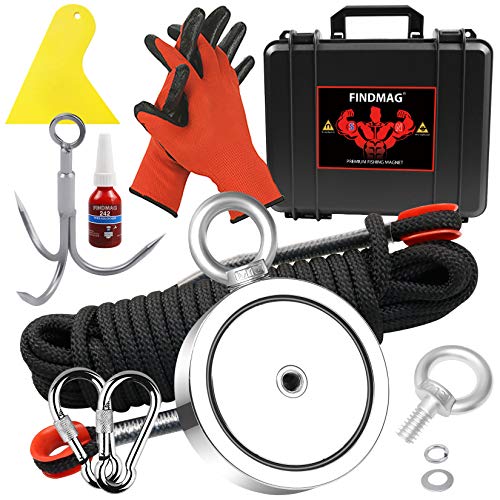
Need gear to get started? Check out our guides to the best magnet fishing kits, top-rated magnets for every budget, and essential accessories that'll make your trips way more fun—I've tested everything so you don't have to!
Is magnet fishing legal in Denver?
Yes, with caveats. Colorado has no statewide prohibition, and Denver city parks generally allow it in public waterways. However, state parks may have specific rules, Army Corps reservoirs have their own regulations, and private property is always off-limits. Some areas restrict access during events or for environmental reasons. Check signage at your specific spot, and when in doubt, ask a ranger. If you find weapons or suspicious items, report them to authorities.What's the best time of year for magnet fishing in Denver?
Late summer through fall (August–October) offers ideal conditions. Water levels drop after spring runoff, visibility improves, temperatures are comfortable, and flows are manageable. Winter works in some spots if you can handle the cold, but ice makes many areas inaccessible or dangerous. Avoid peak runoff season (May–June) entirely—high water and strong currents make it both difficult and unsafe.What can I expect to find magnet fishing in Denver?
Common finds include fishing tackle, bike parts, tools, coins, and general urban debris. The industrial sections of the Platte produce factory-era artifacts and old machinery parts. Clear Creek occasionally yields gold rush-era items. Reservoirs turn up lost boating and fishing gear. You'll also pull plenty of mundane junk—bottle caps, random hardware, the inevitable shopping cart parts. The interesting finds make up for the less exciting hauls.
List of Services
- Best Magnet Fishing Magnets
Looking for the best magnet fishing magnets? We break down top neodymium options by pull force — from budget 150lb picks to 2000lb 360-degree magnets for serious use.Best Magnet Fishing Magnets
- Best Magnet Fishing Accessories
Rope, gloves, grappling hooks, and more — the best magnet fishing accessories picked for real-world use. No filler, just gear that actually works on the water.Best Magnet Fishing Accessories
- Best Magnet Fishing Kits
Find the best magnet fishing kit for your skill level. Beginner, mid-range & premium picks with pull force ratings, what's included, and honest takes.Best Magnet Fishing Kits