

Top St. Paul Magnet Fishing Spots for Beginners
Okay real quick for anyone who's new here. Magnet fishing is basically fishing, except instead of a hook and bait, you tie a super strong neodymium magnet to a rope and drag it along the bottom of rivers, lakes, and creeks. Anything ferrous, meaning anything made of iron or steel, sticks to the magnet and comes up with it. People pull up old tools, coins, anchors, bike frames, knives, keys, and occasionally something genuinely wild. It's cheap to get into, it's fun for all ages, and honestly it's a little addictive. Fair warning on that last part.
St. Paul is seriously one of the better cities in the Midwest for this hobby and I'm not just saying that. You've got the Mississippi River running right through the city with layers of history going back centuries, a DNR boat launch with heavy traffic downstream, a gorgeous glacially formed kettle lake in Como Regional Park, a creek confluence that checks basically every box, and a couple of active boat launches where boaters have been dropping stuff into the water for decades. I'm gonna walk you through the five spots I think are worth your time.
Check out our How to Start Magnet Fishing: A Beginner’s Guide for all the newbie tips!

Top Magnet Fishing Spots in St. Paul
Here are five spots in and around St. Paul that I genuinely think are worth the trip. Some are on the river, one's a lake, one's a creek mouth, and all of them have solid reasons to believe good stuff is sitting on the bottom waiting for you.
Mississippi River (Harriet Island and Lilydale Regional Park Shore)
Why It's Great: This stretch of the Mississippi has centuries of human activity behind it, from the original Pig's Eye fur-trading settlement to steamboat commerce to modern-day boating. The shoreline access area sits in a convergence zone where the current slows near the bank, and that's exactly where heavy metal objects settle. Being downstream from the historic Fort Snelling area means there's a real chance you pull up something genuinely old.
Accessibility: Lilydale Regional Park is reachable via Lilydale Road off Olson Memorial Highway or west of Harriet Island on Water Street. Multiple public access points have parking, though some areas require a short walk.
Pro Tip: Focus your casts near the Fort Road bridge area if you can get there, it's directly across from Fort Snelling and the history density in that zone is real. Slow the drag down near the bank where the current breaks.
Nearby Perks: Harriet Island Regional Park is right there and it's a great spot to take a break, let the kids run around, and eat whatever snacks you packed. There are also river views that are honestly pretty hard to beat on a clear fall day.
Mississippi River (South St. Paul DNR Boat Launch)
Why It's Great: This is a dual-ramp, DNR-managed boat launch right next to the I-494 bridge, and it sees a lot of traffic. Boaters drop stuff. They drop tools, anchors, fishing gear, and yes, coins. All of it ends up on the bottom near the dock and ramps, which is exactly where you're going to be casting. The I-494 bridge right there is a bonus because bridges are always worth working.
Accessibility: This place is genuinely excellent for accessibility. There's a large parking lot with overflow capacity, an ADA-accessible onshore fishing platform, restrooms, and picnic tables. It's open 8 a.m. to 10 p.m. and is one of the more family-friendly setups you'll find.
Pro Tip: Cast right alongside the floating dock and drag slow along the edge of the ramps. That's where gear falls in during launches, especially when people are rushing or dealing with a stubborn boat trailer.
Nearby Perks: There are picnic tables and trails on site, so this is an easy full-day trip if you bring lunch and let the kids explore while you work the water.
Como Lake (Como Regional Park)
Why It's Great: Como Lake is a glacially formed kettle lake that has been a public gathering spot since St. Paul was developing in the mid-1800s, which means over a century of people dropping things near the water. It's a city park lake with consistent recreational use including boating, fishing, and swimming, and all of that activity adds up to a lake bottom that's probably more interesting than it looks. The edges near docks and high-traffic shoreline areas are your best bet.
Accessibility: Como Regional Park is well-developed with ample parking, paved paths, and a family-friendly setup that makes it easy to bring everyone. Multiple city roads lead right to it.
Pro Tip: Work the areas near any dock structures or fishing piers where foot traffic has been concentrated for years. Lakes with long public use histories tend to reward patience and slow, methodical drags along the bottom.
Nearby Perks: Como Zoo and Conservatory is right there and it's free admission, so this is honestly one of the easiest family day trips you can put together. Pack lunch, magnet fish in the morning, zoo in the afternoon. You're welcome.
Minnehaha Creek (Mouth at the Mississippi River, Minnehaha Park)
Why It's Great: A creek meeting a river is one of the best setups in magnet fishing, full stop. Moving water from Minnehaha Creek slows way down as it hits the Mississippi, and that's when heavy metal objects drop out of the current and settle right at the confluence. The creek runs through Minneapolis before reaching this point, picking up whatever metal the city has contributed along the way. Popular for tubing, hiking, and fishing too, so there's consistent foot traffic dropping things in.
Accessibility: You can park at the pay lot near the Waban Picnic Area in Minnehaha Park and walk down to the river, or access from the Lower Glen area off Minnehaha Ave north of 54th Street via steps. It's not ideal if you have mobility limitations, but it's manageable for most people and the walk is genuinely nice.
Pro Tip: Focus right at the confluence where the creek water meets the river. That's the sweet spot where current loss causes metal to settle. Work both sides of the creek mouth if you can.
Nearby Perks: Minnehaha Falls is a short walk away and it's one of those places that makes you feel like you earned your lunch. Grab food at the park and make a whole afternoon of it.
Mississippi River (Lions Levee Park Boat Launch, St. Paul Park)
Why It's Great: Lions Levee Park has an active boat launch on the Mississippi with a lighted parking lot and landing, which tells you this place gets used early morning and into the evening. More boat traffic means more stuff dropped into the water over time, and being downstream from St. Paul's historic industrial and settlement zones increases the odds of turning up something older and more interesting than your average rusty bolt. Not that I have anything against rusty bolts. I love a good rusty bolt.
Accessibility: Handicapped accessible with lighted parking and a lighted boat landing. Picnic facilities are on site. The launch is available from 4:00 a.m. to 11:00 p.m., which gives you a lot of flexibility on timing.
Pro Tip: Early morning before boaters start launching is a great time to work the dock area and alongside the ramps without being in anyone's way. The lighting setup means you could even try a very early start on a summer morning.
Nearby Perks: There's a picnic area with charcoal grills and a scenic overlook on site, so pack some food and turn this into a proper outing. The scenic overlook along the Mississippi corridor is genuinely worth a few minutes of your time.
Essential Tips for Magnet Fishing in St. Paul
Safety first, and I promise I won't be annoying about it. Wear gloves every single time. You're dragging metal objects of unknown origin off the bottom of a river, and some of them have edges that will absolutely remind you why gloves exist. A tetanus shot that's up to date is also just a solid life choice if you're doing this regularly. And watch your footing near riverbanks, especially on the Mississippi where banks can be slippery and the current is real.
The Mississippi River is not a calm little pond. Spring snowmelt can raise water levels significantly and push the current up in a way that makes some of the access points harder to work safely. Late spring through early fall, roughly May through October, is your window in St. Paul. Summer is peak season for foot traffic at boat launches, which means the most recently dropped items are going to be there. Fall gives you lower water levels on the river, which can expose areas that are underwater earlier in the year. Both are great for different reasons.
Minnesota winters are brutal, no surprise there. Ice cover on Como Lake and frozen conditions on the river make magnet fishing basically a non-starter from December through March. Don't fight it. Use that time to clean your gear, respool your rope, and watch magnet fishing videos on the couch like the rest of us.
Pack out everything you pull up, or at least separate it responsibly. If you pull up something that looks like it might be hazardous, a gas can or something sealed, don't mess with it. Call the non-emergency line for local police or the park authority. Most of what you'll find is totally benign scrap metal, but it's good to know the protocol. And whatever you pull up that's junk, take it with you and dispose of it properly. You're cleaning the waterways, which is genuinely cool. Own that.
If you're bringing kids, and honestly you should because they lose their minds over this stuff, the South St. Paul DNR boat launch and Lions Levee Park are your friendliest options for families. Good parking, accessible facilities, and enough going on that if the magnet fishing is slow for twenty minutes, there's still stuff to look at. Pack snacks. I cannot stress this enough. Pack more snacks than you think you need. Hungry kids and slow fishing days are a combination nobody wants.
Recommended Gear for St. Paul Adventures
After testing way too much equipment over the past couple years, here's what actually works well for St. Paul's spots:
-
![Magnetpro 1700LB Neodymium Fishing Magnet]()
1700LB Neodymium Fishing Magnet
$40Read the Review -
![Grtard 1000LBS Double Sided Kit]()
1000LBS Double Sided Kit
$27Read the Review -
![VNDUEEY 760LBS Kit]()
760LBS Kit
$23Read the Review -
![DTLHCNCT 1000LB Fishing Magnet Kit]()
1000LB Fishing Magnet Kit
$28Read the Review -
![FINDMAG Double Sided 2625LB Kit]()
Double Sided 2625LB Kit
$52Read the Review


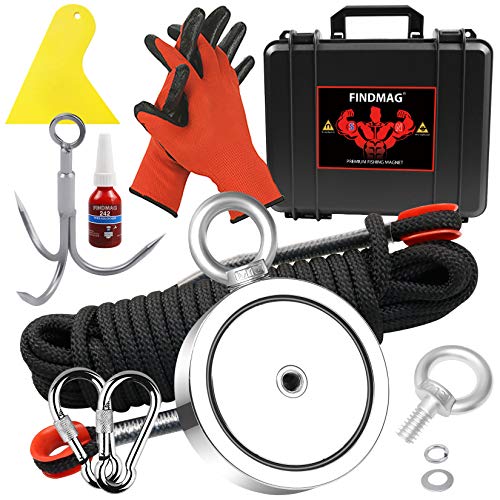
Need gear to get started? Check out our guides to the best magnet fishing kits, top-rated magnets for every budget, and essential accessories that'll make your trips way more fun—I've tested everything so you don't have to!
What can I find magnet fishing in St. Paul?
St. Paul's got a seriously layered history, so the river bottom here can hold some really interesting stuff. The Mississippi corridor saw fur trading, steamboat traffic, military activity at Fort Snelling, and heavy industrial use from the 1800s onward, which means you've got a real shot at pulling up old tools, riverboat hardware, or military-era metal alongside more modern finds. At busy boat launches you'll more commonly snag fishing tackle, anchors, bike frames, and dropped hand tools. And hey, if you pull up junk that's clearly trash, do everyone a favor and pack it out with you.Do I need a permit for these spots?
Most public parks and DNR-managed boat launches in St. Paul don't require a special magnet fishing permit, but it's not a universal rule across every spot. Some areas, like Fort Snelling State Park, do require a vehicle permit just to get in, and individual parks can have their own restrictions. If you're hitting a new spot for the first time, it's worth a quick call to St. Paul Parks and Recreation or the Minnesota DNR just to make sure you're good to go.Is magnet fishing legal in St. Paul?
Magnet fishing in St. Paul's public waterways is generally fine, but you'll want to check the rules for each specific spot before you go. City parks like Como Regional Park and Harriet Island have their own regulations, and places like Fort Snelling State Park may have extra restrictions worth knowing about. Private property is always off-limits, so stick to public access points. When in doubt, just ask a park ranger or check the St. Paul Parks and Recreation website before you head out.
List of Services
- Best Magnet Fishing Magnets
Looking for the best magnet fishing magnets? We break down top neodymium picks by pull force — from budget 150 lb starters to serious 2000 lb N52 magnets.Best Magnet Fishing Magnets
- Best Magnet Fishing Accessories
The best magnet fishing accessories in 2024 — rope, gloves, grappling hooks, and other gear worth having. Honest picks from someone who actually uses this stuff.Best Magnet Fishing Accessories
- Best Magnet Fishing Kits
Looking for the best magnet fishing kit? We rank the top kits by skill level — beginner, mid-range, and premium — with honest picks for every budget.Best Magnet Fishing Kits