

Top Wichita Magnet Fishing Spots for Beginners
Magnet fishing is basically what happens when treasure hunting and fishing have a baby and that baby loves hardware stores. You tie a powerful neodymium magnet to a rope, toss it into a body of water, and drag it along the bottom to see what sticks. Old tools, coins, bike frames, padlocks, knives, and occasionally something that makes you go wait, is this actually old? The Chisholm Trail cattle drives rolled through Wichita in the 1860s and 1870s, and the river crossings here saw a LOT of activity. That history is sitting at the bottom of these waterways, just waiting for someone with a strong enough magnet and a sense of adventure.
Wichita has a seriously underrated network of waterways for this hobby. You've got the Arkansas River running right through the middle of downtown, the Little Arkansas feeding into it, Chisholm Creek, a handful of stocked park lakes, and greenway corridors packed with history and foot traffic. I've put together six spots that check all the right boxes for finding cool stuff, and I'll walk you through each one so you know exactly where to go and what to expect.
Check out our How to Start Magnet Fishing: A Beginner’s Guide for all the newbie tips!
Top Magnet Fishing Spots in Wichita
These spots cover everything from major urban rivers to quiet park ponds, and each one has something going for it. Here's where I'd start if I were hitting Wichita for the first time.
Arkansas River (Downtown Boat Ramp Area)
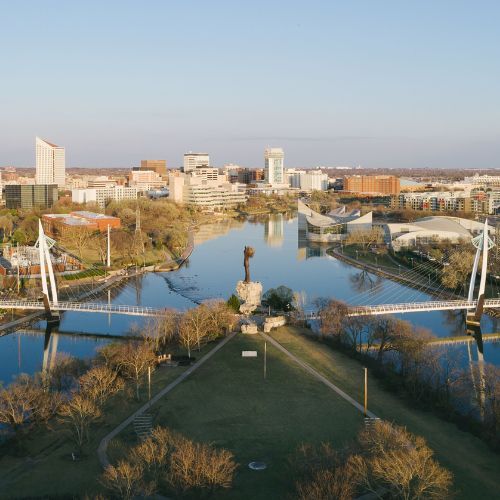
Why It's Great: This is the big one. The Arkansas River cuts right through downtown Wichita, and the boat ramp area between the Lewis Street Bridge and the Kellogg Overpass Bridge is a prime stretch for magnet fishing. You've also got the confluence of the Big and Little Arkansas Rivers nearby, and river confluences are like magnets for heavy metal objects all on their own. Wichita's original settlement was right here near this confluence, which means over a century of urban activity has been dropping stuff into this water.
Accessibility: There's a public boat ramp available with the city noting it locks at 9pm, so plan your visit accordingly. The riverbanks are accessible within city limits per city ordinance, and kayak rentals are available nearby at the Riverside Tennis Center on Nims if you want to get out on the water.
Pro Tip: The city notes the Arkansas River bottom is very shallow in many areas, and late summer low-water periods can actually expose more of the bottom and make dragging your magnet more productive. Also note that fishing from the Lewis Street Bridge itself is prohibited by city ordinance, so stick to bank or wade access near those structures instead.
Nearby Perks: The Arkansas River corridor has greenway trails running alongside it, so you can park, walk, and scope out multiple sections of bank in one trip. Pack some snacks because you might be out there a while.
Little Arkansas River (Central Avenue to Arkansas River Outflow)
Why It's Great: The Little Arkansas runs through the heart of downtown and empties into the Arkansas River, and that outflow point is exactly the kind of spot where moving water slows down and heavy metal objects settle out. City ordinance permits fishing along both banks from Central Avenue all the way to the outflow, which gives you a solid stretch of urban river to work. High foot traffic in this area over many decades means there's a lot of history down there.
Accessibility: Bank access is permitted per city ordinance, and the greenway corridors along the Little Arkansas provide walking paths so you can cover ground easily. Street parking is available in the surrounding urban area.
Pro Tip: Focus your throws near the outflow point where the Little Arkansas meets the Arkansas River. That's the classic slow-water convergence where heavier stuff accumulates over time. I'd work both sides of that confluence if you can get to them.
Nearby Perks: You're right in the middle of downtown Wichita here, so food options are close by. Good spot to combine with a lunch stop and make a half-day thing out of it.
Chisholm Creek Park (North and South Sections)
Why It's Great: Chisholm Creek has serious historical significance given that the Chisholm Trail cattle drives rolled through Wichita in the 1860s and 1870s. This is an urban creek corridor running through the city with public fishing access on both the north and south park sections. Creek junctures and anywhere the water slows or bends are exactly the kinds of spots where old metal settles out over time, and a creek with this kind of historical traffic behind it is exciting to think about.
Accessibility: Both sections of Chisholm Creek Park are managed by Wichita Park and Recreation with parking lots, walking paths, and family-friendly amenities. Note that some waters here may require special permits or have restricted hours, so check signage at park entrances before you start throwing.
Pro Tip: Work the bends in the creek where the current naturally pushes heavier objects toward the outside bank. Those inside-bend deposit zones are where you want to focus your drags.
Nearby Perks: The park setting makes this a great family outing. Bring the kids, let them help pull the rope, and watch their faces when something actually sticks to the magnet. Pure gold, even if the find is just a rusty bolt.
Cowskin Greenway (Nellie's Pond)
Why It's Great: Nellie's Pond sits along the Cowskin Creek greenway corridor, and it's a classic example of a spot where moving water slows dramatically into a pond environment. That slowdown is exactly where heavy metal objects settle and accumulate over time. The greenway has high foot traffic, which means more chances for stuff to end up in the water over the years. The pond is actively stocked with sport fish by the city, so there's been sustained public use here for a long time.
Accessibility: The greenway park setting means you've likely got paved trails and parking nearby. It's a family-friendly urban park environment, which makes it an easy and comfortable trip. Check for any special permit requirements or hour restrictions before you go.
Pro Tip: Focus near any inlet or outlet points where the creek connects to the pond. Those transition zones where water speed changes are exactly where your magnet is most likely to connect with something interesting.
Nearby Perks: Greenway trails mean you can walk and explore the broader Cowskin Creek corridor after you're done at the pond. Good spot for a longer outdoor morning if the weather cooperates.
O.J. Watson Park (Lake and Kayak Launch Area)
Why It's Great: O.J. Watson Park has a lake, a kayak rental operation, and a clubhouse check-in situation, which all add up to a dock and launch area dynamic that is basically a magnet fishing gift. Kayak rentals mean regular turnover of people loading and unloading gear near the water, and that kind of activity over time results in dropped items on the bottom near the launch. The park is actively stocked with sport fish by the city, confirming heavy and sustained public use.
Accessibility: Located at 3022 S McLean Boulevard with parking available on site. The kayak rental facility is there, and the park has established infrastructure that makes it an easy visit. Note that kayak rental stations are closed from mid-October through spring, so fall and early spring may offer quieter access to the launch area.
Pro Tip: Work the magnet close to where the kayak launch meets the water. That's where people are juggling paddles, phones, keys, and gear while trying not to fall in. Spoiler: sometimes they do fall in. Their stuff stays.
Nearby Perks: It's a full park setup at O.J. Watson, so you can make a whole day out of it with the family. Kids can do the kayak thing while you do the magnet thing. Everybody wins.
K-96 Lake Park (KDOT Lakes Area)
Why It's Great: K-96 Lake Park sits near a major highway corridor, and lakes near roadway infrastructure tend to accumulate interesting metal finds near their edges and inlets over time. This is an actively managed public fishing lake stocked by the Kansas Department of Wildlife and Parks, with rainbow trout released during cooler months between October 15 and April 1. That cooler-month stocking means increased angler foot traffic in fall and winter, which means more opportunities for stuff to end up in the water.
Accessibility: This is a public access lake associated with KDOT right-of-way in Wichita. Check signage at park entrances carefully for specific rules and hours before you set up, since special permits or restrictions may be in effect.
Pro Tip: Visit during the fall or early winter trout stocking season when angler traffic picks up. More people fishing near the water means more dropped gear over time, and the cooler temperatures make for a pretty comfortable morning out.
Nearby Perks: Being right off a major highway corridor means it's easy to get to without navigating deep into the city. Quick trip potential if you just want to get a couple hours of throws in without making a whole production out of it.
Essential Tips for Magnet Fishing in Wichita
Safety first, always. Wear gloves every single time, no exceptions. You're pulling unknown metal objects out of water that has been sitting there for decades, and sharp edges are just part of the deal. I use thick rubber-coated work gloves and they've saved my hands more times than I can count. Also watch your footing on riverbanks, especially along the Arkansas River where the city notes the bottom is very shallow and can shift. Wet rocks and muddy banks are not your friends.
The Arkansas River water levels can vary quite a bit, and late summer low-water periods can actually be great for magnet fishing because more of the bottom is accessible and your magnet can work closer to where the old stuff settles. Check USGS water data for current river levels before you head out to any of the river spots. It only takes a couple minutes and it helps you know what you're walking into, literally.
Kansas summers are no joke hot. Like, genuinely brutal from June through August. If you're hitting the outdoor spots during summer, go early in the morning before it gets ridiculous. Bring water, bring sunscreen, and if you're bringing kids, pack way more snacks than you think you need because they will absolutely eat all of them before you even get the magnet wet.
Bring a bucket or a sturdy bag for your finds, and bring another bag just for trash. If you pull up something that isn't a find worth keeping, pack it out and dispose of it properly. It keeps the waterways cleaner and it keeps our hobby looking responsible to everyone watching from the bridge. And people will watch from the bridge. They always do. When they ask what you're doing, be friendly about it because you're basically an ambassador for magnet fishing every time you're out there.
Make it a family game. Seriously, this hobby is way more fun with kids involved. Give them a job, let them hold the rope, let them name the finds. My personal rule is that any find gets to be called whatever the kid thinks it looks like. A bent piece of rebar is now a dragon claw. A rusted hinge is now a pirate buckle. Nobody is wrong. That's the game.
Finally, and I cannot stress this enough, check all the rules specific to wherever you're going in Wichita before you go. The bridge fishing prohibitions are real, some park lakes have permit requirements, and hours can be restricted at city-managed waters. A quick call to Wichita Park and Recreation or a check of the KDWP website takes five minutes and keeps you from having a weird conversation with a park officer when all you wanted to do was fish for old metal.
Recommended Gear for Wichita Adventures
After testing way too much equipment over the past couple years, here's what actually works well for Wichita's spots:
-
![Magnetpro 1700LB Neodymium Fishing Magnet]()
1700LB Neodymium Fishing Magnet
$40Read the Review -
![VNDUEEY Single Sided 700LB Kit]()
Single Sided 700LB Kit
$27Read the Review -
![Grtard 1000LBS Double Sided Kit]()
1000LBS Double Sided Kit
$27Read the Review -
![VNDUEEY 760LBS Kit]()
760LBS Kit
$23Read the Review -
![DTLHCNCT 1000LB Fishing Magnet Kit]()
1000LB Fishing Magnet Kit
$28Read the Review


Need gear to get started? Check out our guides to the best magnet fishing kits, top-rated magnets for every budget, and essential accessories that'll make your trips way more fun—I've tested everything so you don't have to!
Do I need a permit for these spots?
Most of Wichita's public parks and waterways don't require a special permit just to magnet fish, but it's not a blanket rule across every spot. Some of the city's stocked lakes and ponds do have special permits or restricted hours for fishing, and magnet fishing could fall under similar rules depending on how park staff interpret things. If you're hitting a spot for the first time, it's worth checking the signage at the park entrance or reaching out to Wichita Park and Recreation or the Kansas Department of Wildlife and Parks just to make sure you're all good before you drop your magnet.Is magnet fishing legal in Wichita?
Magnet fishing in Wichita's public waterways is generally fine, but you'll want to check the rules for each specific spot since some parks and lakes have their own regulations. Wichita Park and Recreation manages a lot of these areas, so their website or a quick call to the park staff can clear things up fast. Just keep in mind that certain bridges in town are off-limits even for regular fishing, so you'll want to stick to bank or wade access near those spots. And of course, never magnet fish on private property without getting permission from the landowner first.What can I find magnet fishing in Wichita?
Wichita's got a really interesting history working in your favor here. The city was a major stop on the Chisholm Trail cattle drives back in the 1860s and 1870s, so the Arkansas River crossings and the confluence with the Little Arkansas could hold old tools, hardware, and who knows what else from that era. On top of that, Wichita grew into a big industrial and aviation hub in the 20th century, so don't be surprised to find machinery parts and industrial metal near waterways that ran through busier corridors. You'll also pull up the usual urban stuff like bike frames, fishing tackle, and hand tools, and hey, doing a little cleanup while you're at it is always a good look.
List of Services
- Best Magnet Fishing Magnets
Not sure which magnet fishing magnet to buy? We break down 7 neodymium options by pull force, coating, and price — from $7.99 budget picks to serious 2000 lb magnets.Best Magnet Fishing Magnets
- Best Magnet Fishing Accessories
Rope, gloves, grappling hooks, and more — the magnet fishing accessories actually worth buying, hand-picked and explained in plain English.Best Magnet Fishing Accessories
- Best Magnet Fishing Kits
Looking for the best magnet fishing kit? Our gear picks cover beginner, mid-range, and premium kits with pull force ratings, what's included, and honest takes.Best Magnet Fishing Kits