

Top Las Vegas Magnet Fishing Spots for Beginners
If you're brand new to this whole thing, magnet fishing is pretty much exactly what it sounds like. You tie a strong neodymium magnet to a rope, toss it into the water, and drag it along the bottom to see what sticks. Old tools, fishing gear, coins, bolts, the occasional firearm, you name it. People have been dropping stuff in these waters for decades, and it's just sitting there waiting for someone like you to show up with a magnet and way too much enthusiasm.
Las Vegas doesn't exactly scream "outdoor water adventure" when most people think about it, but trust me on this one. The city is only 24 miles from Lake Mead, which is the largest reservoir in the entire United States. Then you've got the Colorado River and Virgin River feeding into it, plus the Clark County Wetlands where urban runoff channels meet natural waterways on the east side of the valley. I've got four solid spots to share with you, and a couple of them have some genuinely wild historical context that'll blow your mind a little.
Check out our How to Start Magnet Fishing: A Beginner’s Guide for all the newbie tips!
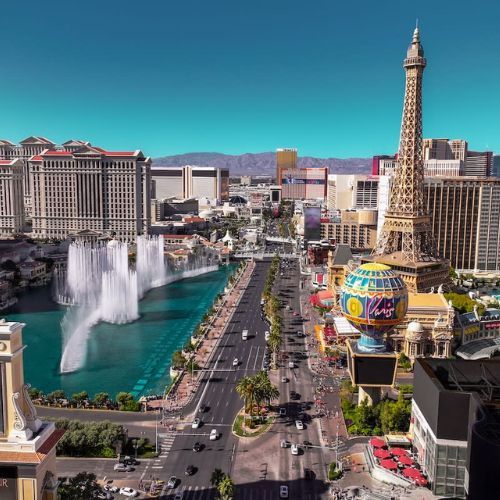
Top Magnet Fishing Spots in Las Vegas
These four spots all check the boxes for what makes a great magnet fishing location. We're talking docks, inlets, converging waterways, and decades of human activity leaving metal all over the bottom. Let's get into it.
Lake Mead (Hemenway Harbor / Las Vegas Boat Harbor)
Why It's Great: This is the crown jewel of Las Vegas area magnet fishing, no contest. Hemenway Harbor has been operating since 1957 and has nearly 1,500 boat slips, multiple piers, boat ramps, and fish-cleaning stations. Decades of boating activity means the lake floor around those docks is basically a time capsule of dropped and lost metal objects. Old firearms, tools, and coins have all been reported as finds here, and that's before you factor in the fact that there are actual submerged ghost towns in this lake.
Accessibility: The harbor is about 24 miles east of the Las Vegas Strip and has paved access roads, parking for cars and boat trailers, restrooms, and a restaurant on site. There is an NPS entrance fee to get into Lake Mead National Recreation Area.
Pro Tip: Focus your pulls around the older dock sections and near the boat ramps where people launch and retrieve watercraft. Those transition zones are where gear, tools, and personal items most often end up in the water.
Nearby Perks: There's a store and restaurant right at the harbor, so you can grab food without driving back into the city. Pack snacks for the kids anyway though, because once you start pulling stuff up you're not going to want to stop.
Clark County Wetlands Park (Duck Creek Trailhead Area)
Why It's Great: This one is a classic setup for magnet fishing and a lot of people overlook it because it doesn't have the flash of Lake Mead. The park sits right where urban drainage channels and storm drain systems meet natural wetland waterways on the east side of the Las Vegas Valley. Duck Creek runs through the park, and all that moving water slows down as it hits the wetlands, which is exactly where heavy metal objects settle out and pile up over time. Years of urban runoff from the city funneling through here means there's no telling what's sitting in the mud.
Accessibility: The park is free to visit and open daily from dawn to dusk. There are five trailheads with parking available. Just a heads up that as of early 2026, the Duck Creek Trailhead and its parking lot and restrooms have planned construction closures coming, so call ahead at (702) 455-7522 to confirm access before you make the drive.
Pro Tip: Focus on spots where Duck Creek narrows or bends before widening out into the wetland areas. Those transition points are where current slows and heavy stuff drops to the bottom.
Nearby Perks: There's a Nature Center on site open Tuesday through Sunday from 9am to 3pm, which is genuinely a cool stop if you've got kids with you. Make a whole educational morning out of it, find some rusty treasure, then let the kids learn about desert wetland ecosystems. Best field trip ever.
Lake Mead (Colorado River Inlet)
Why It's Great: This is a textbook magnet fishing setup right here. The Colorado River flows into Lake Mead and the moment that moving water hits the still reservoir, everything heavy that was suspended in the current drops straight to the bottom. We're talking decades of sediment and metal accumulation at that convergence point. Add in the fact that this whole region has mining history and river crossing history going back well before the dam was built in 1936, and you've got serious potential for interesting finds.
Accessibility: This area is accessible through Lake Mead National Recreation Area roads from the Las Vegas metro area. The NPS entrance fee applies, and boat access is available from four marinas on the lake if you want to get closer to the inlet zone.
Pro Tip: The visible sediment plume where river water meets lake water is your visual guide. Work the edges of that transition zone where the current is just barely dying out. That's where the heavier stuff is piling up.
Nearby Perks: You're already inside Lake Mead National Recreation Area, so you've got access to some genuinely beautiful desert scenery. Bring the family, pack a cooler, and make a whole day of it.
Lake Mead (Virgin River Inlet)
Why It's Great: The Virgin River is one of the primary inflows to Lake Mead, and the inlet zone is exactly the kind of spot magnet fishers love. Moving river water carrying debris from populated areas upstream slows down hard as it enters the reservoir, and all that metal settles into the sediment. The river drains communities further upstream, which means urban metal debris has been washing in and accumulating here for a long time.
Accessibility: This spot is within Lake Mead National Recreation Area and the NPS entrance fee applies. Some access points along the Virgin River arm of the lake have rugged terrain, so a 4WD vehicle is advisable for certain areas. Check conditions before you head out.
Pro Tip: The river bends just before the inlet are worth working too. River bends cause current to slow on the inside of the curve, and heavy objects drop there before they even make it to the lake. Don't sleep on those spots.
Nearby Perks: The Virgin River arm of Lake Mead runs through some dramatic red rock desert landscape that's genuinely gorgeous. Even if the magnet fishing is slow, you're winning on scenery.
Essential Tips for Magnet Fishing in Las Vegas
Let's talk about the desert elephant in the room first. Heat. Las Vegas summer is no joke and I'm not being dramatic when I say the temperatures out here regularly hit 110 degrees Fahrenheit or higher. If you're visiting in July or August, please do not spend three hours crouching on a rocky shoreline in the full sun at noon. Go early morning if you must go in summer, or honestly just plan your trip for fall through spring. October through May is where it's at for comfortable all-day exploring around Lake Mead and the Wetlands Park.
Water levels at Lake Mead fluctuate a lot due to drought conditions, and that's actually interesting for magnet fishing. As of late 2024, levels had risen about 16 feet over two years, which is great news for the lake overall. But lower water levels in past years exposed shoreline areas and previously submerged features. Keep an eye on current water levels because the accessible spots can genuinely change from season to season.
Safety is huge out here because you're often in remote desert terrain, not just strolling along a city bridge. Bring way more water than you think you need. Seriously, I'm talking two or three times what feels like enough. Wear sun protection, bring a hat, and let someone know where you're going when you head out to Lake Mead. Cell service can be spotty in parts of the National Recreation Area.
On the legal side, I said it up top but it bears repeating. The NPS takes artifact protection seriously within Lake Mead National Recreation Area, and for good reason. There are submerged ghost towns, Native American archaeological sites, and historically significant structures down there. If you pull up something that looks genuinely old and significant, photograph it, note the location, and contact the park. Do not stick it in your truck and drive off. That's how you end up with a federal problem.
For the family angle, these spots are actually really great kid activities with a little planning. Hemenway Harbor has a restaurant and store on site, so you're not stranded if someone gets hungry. Clark County Wetlands Park has the Nature Center and paved trails for younger kids who aren't quite ready to scramble around rocky shorelines. Start with the Harbor or the Wetlands Park for your first outing with kids. They will absolutely lose their minds when something clangs onto the magnet.
Finally, leave the spot better than you found it. Bring a bag for any junk you pull up that's clearly just junk. Old cans, rusty wire, scrap metal bits. Pack it out. It's good for the environment, it's good for the spots staying accessible, and honestly it's just the right move. We want these places to stay open and available for everyone who wants to come out and have a good time.
Recommended Gear for Las Vegas Adventures
After testing way too much equipment over the past couple years, here's what actually works well for Las Vegas's spots:
-
![Magnetpro 1700LB Neodymium Fishing Magnet]()
1700LB Neodymium Fishing Magnet
$40Read the Review -
![VNDUEEY Single Sided 700LB Kit]()
Single Sided 700LB Kit
$27Read the Review -
![Grtard 1000LBS Double Sided Kit]()
1000LBS Double Sided Kit
$27Read the Review -
![TZSTARJIMAG 2200LB Double Sided Kit]()
2200LB Double Sided Kit
$50Read the Review -
![VNDUEEY 760LBS Kit]()
760LBS Kit
$23Read the Review


Need gear to get started? Check out our guides to the best magnet fishing kits, top-rated magnets for every budget, and essential accessories that'll make your trips way more fun—I've tested everything so you don't have to!
Do I need a permit for these spots?
Most public parks and waterways around Las Vegas don't require a special magnet fishing permit, but Lake Mead is a federal area managed by the NPS, and they can require permits for collecting or removing objects, especially anything that might be considered a cultural artifact. Clark County Wetlands Park is free to visit and generally open to the public, but it's smart to confirm their current rules before you go. If you're new to magnet fishing in the area, a quick call to the park or a check of their website can save you a headache out on the water.Is magnet fishing legal in Las Vegas?
Magnet fishing in public waterways around Las Vegas is generally fine, but you'll want to check the specific rules for wherever you're headed. Lake Mead is managed by the National Park Service, and NPS regulations can be pretty strict about removing objects, especially near historically significant submerged sites like the ghost town of St. Thomas. Clark County Wetlands Park has its own set of rules through Clark County Parks and Recreation. When in doubt, just ask a park staffer or check the city's recreation website before you toss your magnet in.What can I find magnet fishing in Las Vegas?
Las Vegas has a surprisingly rich history underwater, especially out at Lake Mead, where decades of boating activity since the 1950s means plenty of dropped tools, fishing tackle, boat hardware, and who knows what else sitting on the lake floor. The region's mining past and the massive Hoover Dam construction era in the 1930s also mean there's a chance of pulling up older coins, tools, or miscellaneous metal relics. In the more urban spots like Clark County Wetlands Park, you're more likely to find typical city runoff stuff like bike parts, scrap metal, and lost fishing gear. And hey, if you're hauling up junk, do everyone a favor and pack it out.
List of Services
- Best Magnet Fishing Magnets
Find the best magnet for magnet fishing with our hands-on gear picks. Covers beginner to serious pull force ranges, neodymium grades, and 360-degree magnets.Best Magnet Fishing Magnets
- Best Magnet Fishing Accessories
Rope, gloves, grappling hooks, and more — here are the magnet fishing accessories I actually use and recommend, with picks at every price point.Best Magnet Fishing Accessories
- Best Magnet Fishing Kits
Looking for the best magnet fishing kit? We break down top picks for beginners, kids, and experienced anglers by pull force, price, and what's included.Best Magnet Fishing Kits