

Top St. Louis Magnet Fishing Spots for Beginners
If you're brand new to this, here's the quick version. Magnet fishing is basically what happens when metal detecting and fishing have a kid. You tie a strong neodymium magnet to a rope, throw it into a body of water, and drag it along the bottom to see what sticks. People have been dropping, tossing, and losing metal objects in rivers and lakes for centuries, and somebody's gotta go find that stuff. Might as well be us. You can pull up anything from old tools and coins to bike frames and the occasional knife. It's a little bit treasure hunting, a little bit history lesson, and a whole lot of fun.
St. Louis is sitting on top of some serious magnet fishing potential. You've got the Mississippi and the Missouri Rivers converging nearby, the Meramec River cutting through old industrial corridors, a lake with boat ramps, and even some documented spots across the river in East St. Louis. I've put together six spots that cover the whole range, from easy family-friendly lake access to serious river banks with a century of history buried in the mud. Let's get into it.
Check out our How to Start Magnet Fishing: A Beginner’s Guide for all the newbie tips!
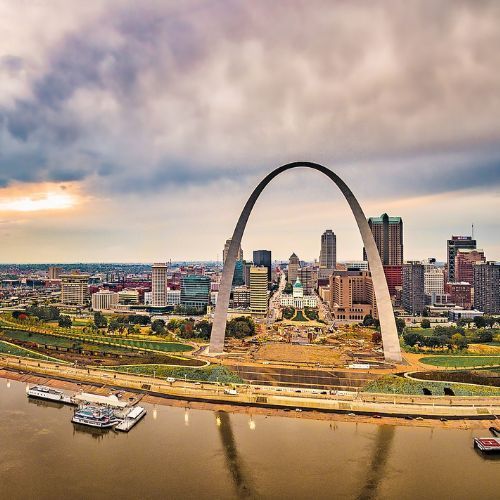
Top Magnet Fishing Spots in St. Louis
Here are six spots around St. Louis that check all the boxes. Some are easy day trips, some require a little more hiking, and a couple are the kind of places where you have no idea what's coming up until it's already on your magnet.
North Riverfront Park (Mississippi River Bank)
Why It's Great: This is the Mississippi River, people. Two hundred and fifty acres of city park sitting on one of the most historically trafficked stretches of water in North America. You're downstream from old industrial sites and near historic railroad crossings, which means decades worth of metal has been making its way into this water. Local fishermen have been working this bank for years, and honestly every person who's ever stood here has probably dropped something.
Accessibility: You can drive right up to the riverbanks and walk in from the Riverfront Trail, which also connects to the old Route 66 Chain of Rocks Bridge. It's a maintained city park in the Riverview neighborhood so getting there with gear, kids, or a cooler full of snacks is totally doable.
Pro Tip: Focus your throws near the area between the Chain of Rocks Canal and the McKinley Bridge. That stretch has a long history of fishing and industrial activity, so the bottom is probably loaded. Bring a longer rope since the Mississippi bank can drop off fast.
Nearby Perks: The Chain of Rocks Bridge is a short trail ride away and it's a cool spot to walk out over the river once you're done pulling up rusty surprises.
Mississippi River (Chain of Rocks to McKinley Bridge Stretch)
Why It's Great: This stretch sits between two major bridges, and high foot traffic bridges over water are basically magnet fishing gold. The Chain of Rocks Canal creates a point where fast-moving Mississippi current slows down near the canal entrance, and that's exactly where heavy metal objects like to settle. Throw in the history of industrial and rail activity on both banks and you've got a stretch of river with serious potential.
Accessibility: The North Riverfront Trail runs 10.8 miles and gives you multiple access points along this stretch. Some spots have gravel road access that locals have been using for years. Just be aware that some areas near the industrial sites may have access limitations, so scope it out before committing to a hike.
Pro Tip: The canal entrance area where the current slows is your best bet. Metal that's been rolling along the river bottom tends to stop right where the water calms down. Cast toward the edges of that transition zone if you can.
Nearby Perks: The old Route 66 Chain of Rocks Bridge is right there and it's genuinely one of the cooler historic structures in the St. Louis area. Great photo op after you've dragged up a pile of muddy metal.
Meramec River (Castlewood State Park to Meramec Landing)
Why It's Great: The Meramec River runs through the Ozarks and has a reputation for holding on to history. There are multiple boat ramps along this corridor where paddlers and anglers have been coming and going for decades, which means dropped anchors, lost tools, forgotten gear, and who knows what else. River bends in an Ozark river are natural traps for heavy metal objects, so anywhere the Meramec curves is worth your time.
Accessibility: Great Rivers Greenway manages multiple developed boat ramps with parking lots along this stretch, including access at Route 66 State Park, Allenton Access, Pacific Palisades Conservation Area, and Meramec Landing. Castlewood State Park in Ballwin and Emmeneger Nature Park in Kirkwood are also family-friendly entry points. Just use caution near confluence areas since the water can get fast and deep.
Pro Tip: Start at one of the boat ramp areas and work your magnet along the ramp edges and near any docks. Stuff falls off boats constantly and it all sinks right there in the shallows where you can actually reach it.
Nearby Perks: Route 66 State Park is right on the corridor and it's a great spot to let the kids run around and have lunch after a morning of pulling up river treasure.
East St. Louis Waterways (Urban Ponds and River Access)
Why It's Great: This one has actual documented magnet fishing finds, which I love. The Treasure Vixens YouTube channel filmed here in March 2022 and pulled up multiple large knives from a pond, so you know the spot is productive. Post-industrial urban waterways like this accumulate discarded metal over time in ways that more recreational spots just don't. It's unpredictable and a little wild, which honestly makes it more fun.
Accessibility: Public access has been documented by other magnet fishers. Keep in mind that East St. Louis is in Illinois, not Missouri, so you're under Illinois regulations when you cross the river. Standard urban safety awareness applies here, same as any city spot.
Pro Tip: Do your homework before you go. Watch the Treasure Vixens video to get a feel for the area and scope your specific access point before you start throwing. Urban spots like this can be great finds but you want to know what you're walking into.
Nearby Perks: You're right across from downtown St. Louis, so grabbing food on the Missouri side after your session is easy. The Arch grounds are right there if you want to make a full day of it.
Big River (St. Francois State Park Area, Bonne Terre)
Why It's Great: This is the one I get most excited about when people ask me about the St. Louis region. Big River winds past historical lead mining sites and old settlements near Bonne Terre, and that kind of upstream industrial history means a long, long track record of metal entering the water. River bends in an Ozark stream are exactly where heavy objects settle, and this place is described as offering a genuine glimpse into Missouri's past. The potential for actual historical artifacts here is real.
Accessibility: St. Francois State Park has established trails including Mooner's Hollow Trail and state park parking facilities. During dry spells the river is accessible for wading and exploring. It's about an hour south of St. Louis, so plan for a day trip and pack a good lunch.
Pro Tip: Focus on the river bends and the slower sections near where the current drops off. Mining history in this area goes back generations, so older iron and steel tools are a genuine possibility. Go slow and let your magnet drag along the bottom through the bends.
Nearby Perks: Bonne Terre is home to the Bonne Terre Mine, which is one of the most unique dive sites in the Midwest. If you're making a day trip down here it's worth checking out, especially if you've got curious kids with you.
Creve Coeur Lake (Fee Fee Greenway Boat Ramps)
Why It's Great: Creve Coeur Lake is four miles around and has three developed boat ramps plus a Sailboat Cove area, which is basically a checklist of everything you want in a magnet fishing spot. High recreational boat traffic over many decades means plenty of dropped anchors, dock hardware, and general metal stuff sitting on that lake bottom. The Sailboat Cove area is especially promising because it's a natural calmer zone where items rolling around the lake bottom tend to come to rest.
Accessibility: Multiple paved parking lots off Marine Ave. make this the easiest spot on this whole list to get to. It's well-maintained greenway infrastructure with multiple access points around the lake. Perfect for bringing the whole family since there's plenty of room for everyone to spread out.
Pro Tip: Work the area right around the boat ramps first. Every boat that's ever launched or docked here has had the potential to drop something, and boat ramp edges are consistently the most productive spots at any lake. Then move over to Sailboat Cove and let your magnet sit in the slower water near the inlet.
Nearby Perks: Creve Coeur Lake has canoe, kayak, and paddleboard rentals available from local outfitters, so if the kids get bored watching you pull up rusty bolts you can pivot to a paddle session and call the whole thing a win.
Essential Tips for Magnet Fishing in St. Louis
Safety first, and I mean that in the least boring way possible. The Mississippi and Missouri Rivers are not lakes. They have current, they have depth, and they can be unpredictable, especially after rain. Never lean over a steep bank to throw your magnet when you could just walk to a better access point. Wear shoes with grip. If you're bringing kids, keep them away from the water's edge unless the bank is stable and shallow. A wet phone is annoying. A trip to the ER is way worse.
Check your water levels before you go, no joke. The Mississippi and Meramec Rivers both fluctuate significantly with the seasons. The National Weather Service Advanced Hydrologic Prediction Service has real-time flow and level data for all the major rivers around St. Louis. High water means faster current and potentially dangerous bank conditions. Low water in fall is honestly the sweet spot because you get better access to shallow spots and the water clarity goes up.
Speaking of seasons, fall is your best window for most of these spots. Water levels drop, the heat breaks, and you can spend a whole afternoon on the bank without melting. Spring can be good too, right after flood recession, because high water moves stuff around and deposits it in new places. Winter is doable but the Mississippi bank in January is not a fun place to stand for two hours. Summer works fine, just check those river levels and don't ignore a rising gauge.
Bring a trash bag. I'm serious. You're going to pull up stuff you don't want and you need somewhere to put it. Old cans, scrap metal, whatever comes up that isn't a keeper. Leave the spot cleaner than you found it because that's how we keep access to these places. Nothing closes a good fishing spot faster than a pile of garbage left on the bank by the last people who were there.
This is genuinely one of the best activities to do with kids. Pack snacks, bring a folding chair, and let them take turns throwing the magnet. When something comes up, even a rusty bolt, act excited about it because to a seven-year-old that rusty bolt is absolutely ancient treasure. My personal rule is that whoever throws the magnet gets to keep whatever comes up on that throw. Keeps things fair and keeps everyone engaged for way longer than you'd expect.
Recommended Gear for St. Louis Adventures
After testing way too much equipment over the past couple years, here's what actually works well for St. Louis's spots:
-
![Magnetpro 1700LB Neodymium Fishing Magnet]()
1700LB Neodymium Fishing Magnet
$40Read the Review -
![Grtard 1000LBS Double Sided Kit]()
1000LBS Double Sided Kit
$27Read the Review -
![VNDUEEY 760LBS Kit]()
760LBS Kit
$23Read the Review -
![DTLHCNCT 1000LB Fishing Magnet Kit]()
1000LB Fishing Magnet Kit
$28Read the Review -
![FINDMAG Double Sided 2625LB Kit]()
Double Sided 2625LB Kit
$52Read the Review


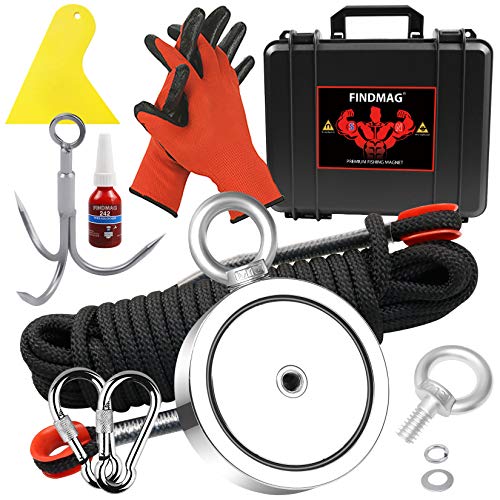
Need gear to get started? Check out our guides to the best magnet fishing kits, top-rated magnets for every budget, and essential accessories that'll make your trips way more fun—I've tested everything so you don't have to!
Is magnet fishing legal in St. Louis?
Magnet fishing in public waterways is generally allowed in St. Louis, but you'll want to check the rules for whatever specific park or spot you're heading to. City parks fall under the St. Louis Parks Division, so their site is a great place to confirm what's allowed before you drop your magnet. Private property is always off-limits, so stick to public access points. When in doubt, just ask a park ranger or staff member on-site and they'll usually point you in the right direction.What can I find magnet fishing in St. Louis?
St. Louis has a seriously deep history as a railroad and river trade hub, so you've got a real shot at pulling up old tools, rail spikes, and industrial hardware that's been sitting on the bottom for over a century. More common finds include fishing tackle, bike parts, anchors, and random bolts and hardware from decades of recreational use along the Mississippi and Meramec Rivers. If you're near Big River down by Bonne Terre, the old lead mining history in that area means there's some interesting industrial metal floating around too. And hey, if you snag some junk while you're at it, go ahead and haul it out. You'll be leaving the spot cleaner than you found it.Do I need a permit for these spots?
Most public parks and waterways in the St. Louis area don't require a special permit just to magnet fish, but it's worth double-checking before you head out, especially at state parks like St. Francois or Castlewood. Some locations may have their own rules about what you can do along the water, so a quick call or visit to the park's website can save you a headache. If you're new to a spot, asking staff or a ranger is always a solid move since they'll know exactly what's allowed.
List of Services
- Best Magnet Fishing Magnets
Looking for the best magnet fishing magnets? We break down top neodymium picks by pull force — from budget 150 lb starters to serious 2000 lb N52 magnets.Best Magnet Fishing Magnets
- Best Magnet Fishing Accessories
The best magnet fishing accessories in 2024 — rope, gloves, grappling hooks, and other gear worth having. Honest picks from someone who actually uses this stuff.Best Magnet Fishing Accessories
- Best Magnet Fishing Kits
Looking for the best magnet fishing kit? We rank the top kits by skill level — beginner, mid-range, and premium — with honest picks for every budget.Best Magnet Fishing Kits